
















Vlieseline iron-on interfacing
Filters
5 products
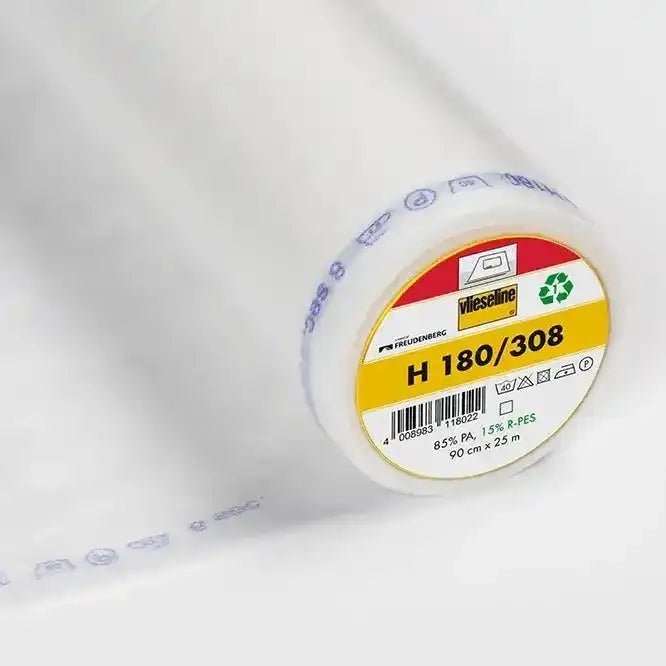
Vlieseline H180
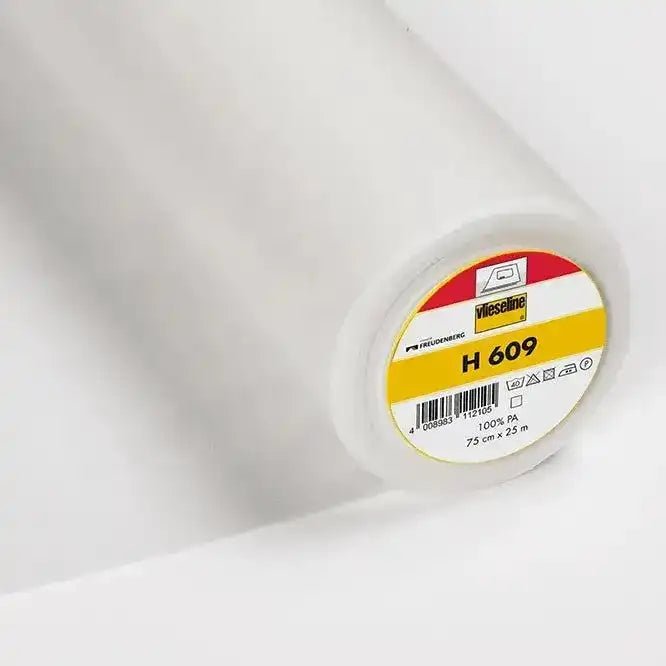
Vlieseline H609
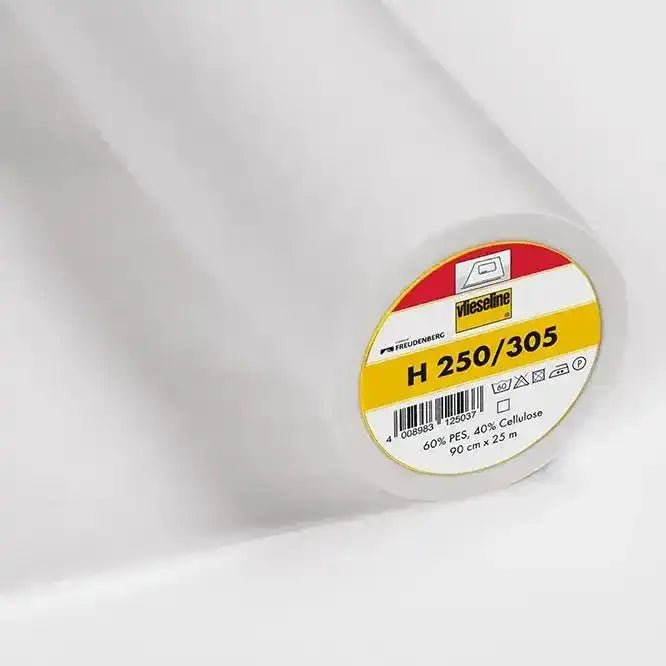
Vlieseline H250/305
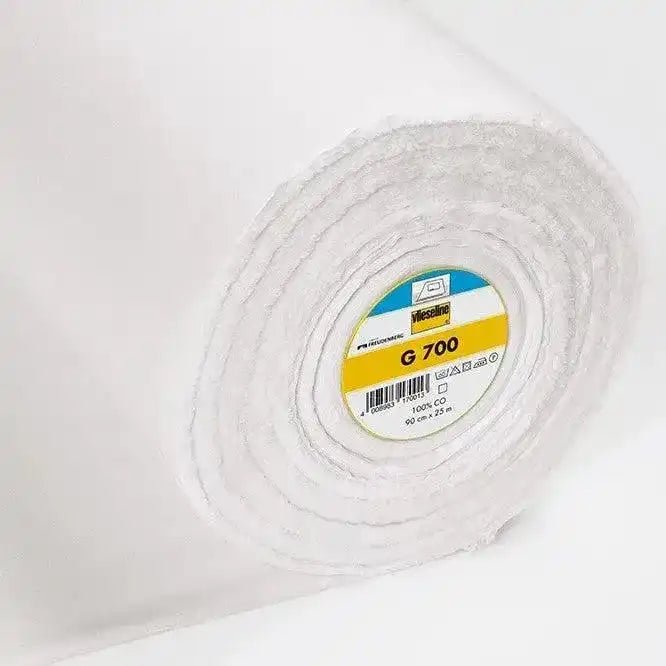
Vlieseline G700
H200 fusible interfacing
Vlieseline iron-on interfacing is essential for all sewing enthusiasts, from beginners to experienced sewists. It makes it easy to reinforce, stabilize, or structure fabric. Versatile, it is suitable for many projects: clothing, accessories, or home décor. In this guide, discover its different types, their uses, and our application tips. Simplify your creations with the right products and techniques.
What is Vlieseline iron-on interfacing?
Vlieseline iron-on interfacing is a material used to reinforce fabric. It is attached using heat, generally with an iron. Once applied, it gives the fabric more body without making it completely stiff. It is a practical solution for stabilizing lightweight or stretch fabrics.
The Vlieseline brand is recognized for the quality of its iron-on products. It offers a wide selection suited to different fabric types and uses. There are several forms: woven, non-woven, or fleece interfacings. The choice depends on the project and the fabric to be reinforced.
Vlieseline iron-on interfacing is used to:
- Reinforce delicate fabrics, such as lightweight cotton or viscose.
- Stabilize pieces during sewing: pockets, waistbands, and facings.
- Give structure to elements such as collars or cuffs.
- Create more rigid and durable bags, pouches, or accessories.
- Prepare fabric for embroidery or patchwork.
- Make no-sew hems using iron-on strips.
The different types of Vlieseline iron-on interfacing at Verotex.be
Verotex.be is a supplier specializing in technical textiles and quality haberdashery products. The site offers a wide range of iron-on interfacings to meet the needs of sewists, designers, and professionals. You will find reliable, durable products suited to all types of fabrics and projects.
Here are the main Vlieseline iron-on interfacings available from Verotex.be:
- Madeira Premium Stabilizers
Ideal for lightweight, stretch, or delicate fabrics, these interfacings are perfect for machine embroidery. They effectively stabilize the fabric during sewing.
- Vlieseline H180
Lightweight, soft, and almost invisible iron-on interfacing, this option is recommended for delicate fabrics such as silk, viscose, or lightweight cotton. It preserves the fabric’s softness while stabilizing it.
- Vlieseline H609
Specifically designed for stretch fabrics, it combines lightness and elasticity, making it perfect for jersey and providing light support without restricting flexibility.
- Vlieseline H250/305
A firmer interfacing, Vlieseline H250/305 is perfect for adding structure. Used for waistbands, facings, or pieces requiring more body, it is suitable for medium-weight to heavyweight fabrics.
- Vlieseline G700
A highly durable 100% cotton woven interfacing, this option is ideal for natural fabrics such as linen or cotton. It provides excellent support while preserving a natural textile appearance.
- H200 Iron-On Interfacing
Lightweight and slightly firmer than H180, H200 iron-on interfacing is used for lightweight to medium-weight fabrics. It offers a good balance between softness and structure.
How to use Vlieseline iron-on interfacing correctly
To successfully apply Vlieseline iron-on interfacing, follow a few simple steps:
- Start by preparing your fabric: iron it to remove creases and moisture.
- Then place the interfacing on the wrong side of the fabric, adhesive side against the textile.
- Set your iron to the recommended temperature (generally indicated on the label).
- Apply firm pressure for 8 to 15 seconds without moving the iron.
- Place a thin cloth between the iron and the interfacing to avoid burning the fabric.
- Allow it to cool completely before handling the piece to ensure a secure bond.
Mistakes to avoid
There are a few common mistakes to avoid when applying iron-on interfacing:
- Failing to observe the recommended temperature can damage the fabric or the interfacing.
- Avoid moving the iron during application, as this can create creases or an uneven bond.
- Never apply the interfacing without a protective cloth, as this may burn or make the fabric shiny.
- Applying the interfacing on the wrong side prevents proper adhesion.
Neglecting the cooling time can cause premature lifting. - Applying insufficient pressure reduces the effectiveness of the bond.
- Choosing interfacing unsuitable for your fabric compromises the structure and quality of the finished result.
FAQ
Do you have a question? We have the answer!
Do you do repairs and maintenance for all brands of machines?
Yes, our workshop handles repairs and maintenance for all brands of sewing machines and sergers. Learn more or come directly to drop off your machine at the store.
Can I receive training on my new machine?
Yes, for any purchase of a sewing machine, serger, coverstitch machine, or embroidery machine, we offer a free in-store training session lasting over an hour. If needed, we can also support you via WhatsApp for personalized online training.
Can I try the machines before buying them?
Absolutely! Come to our store to try all our machines (sewing machines, sergers, coverstitch machines, and embroidery machines). A demonstration will be provided to help you choose the machine that perfectly meets your needs.
Which fabrics do you recommend for beginners in sewing?
For beginners, fabrics like cotton or poplin are easy to handle.
Newsletter
We keep you informed about our new arrivals, current inspirations, and promotions!
European Fabrics 🌍
Payment in 3 installments without fees with Alma 💰
Customer satisfaction 5/5 🌟
Discover why our customers give us 5 stars on Google.
Fast delivery throughout Europe!