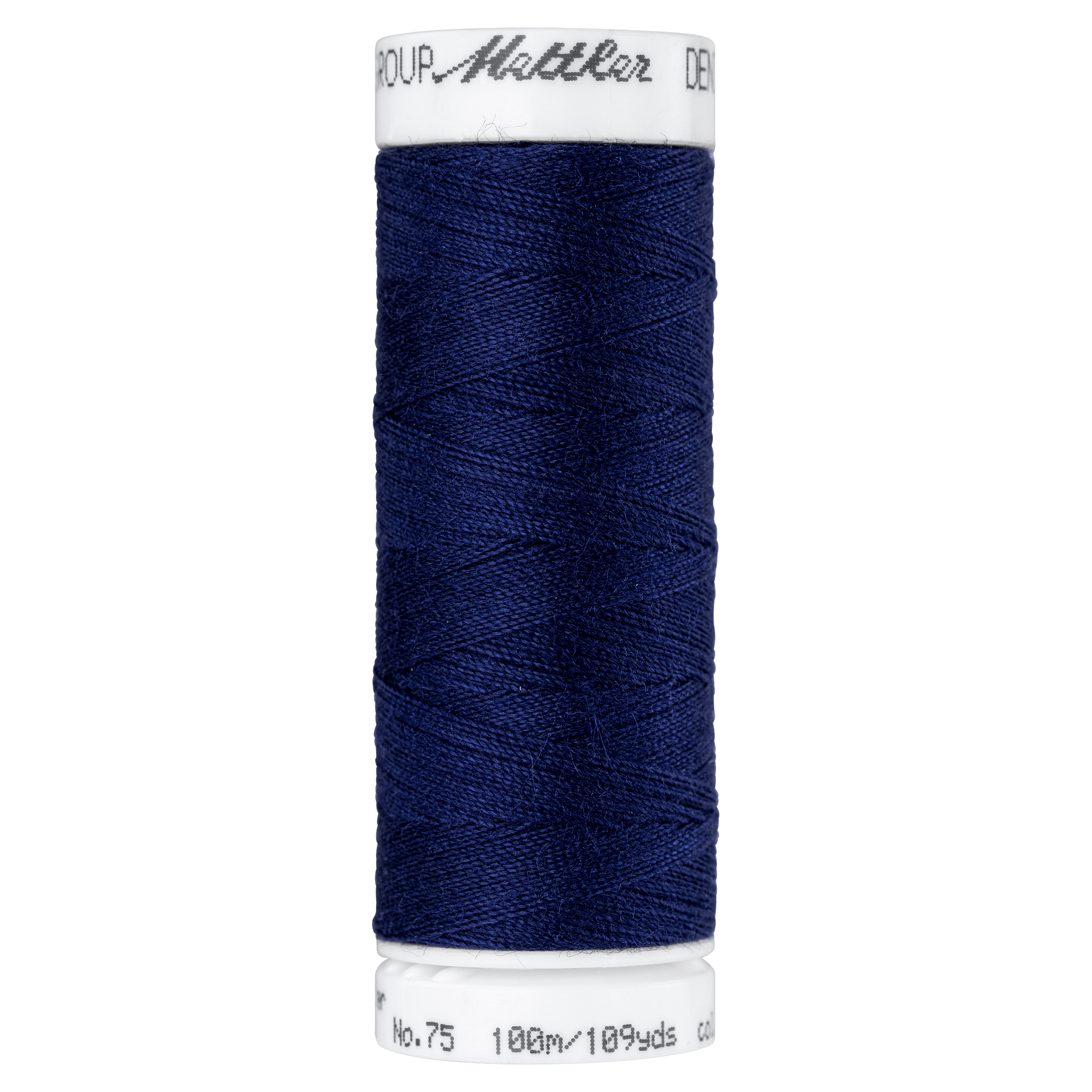
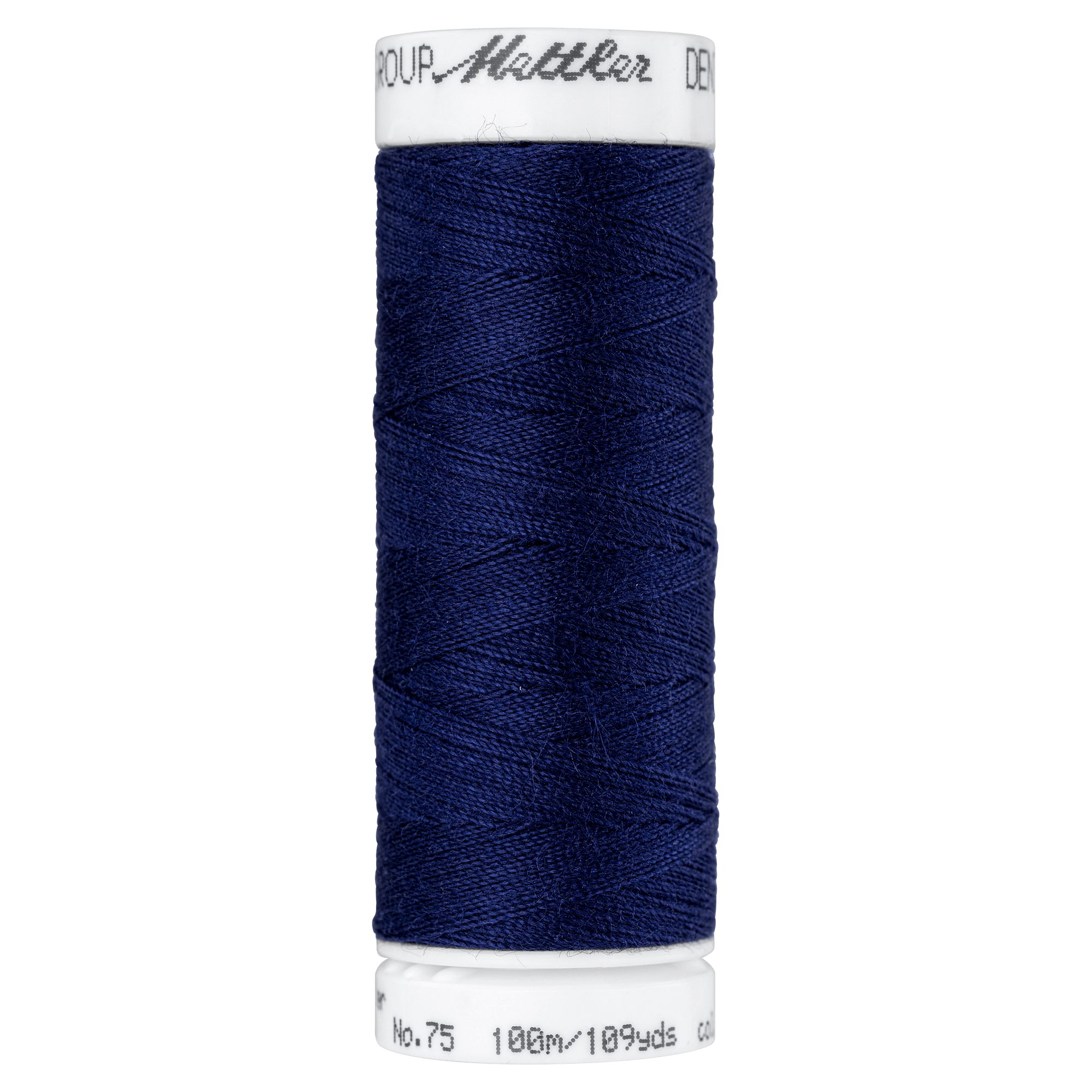
Essential for All Your Sewing Projects
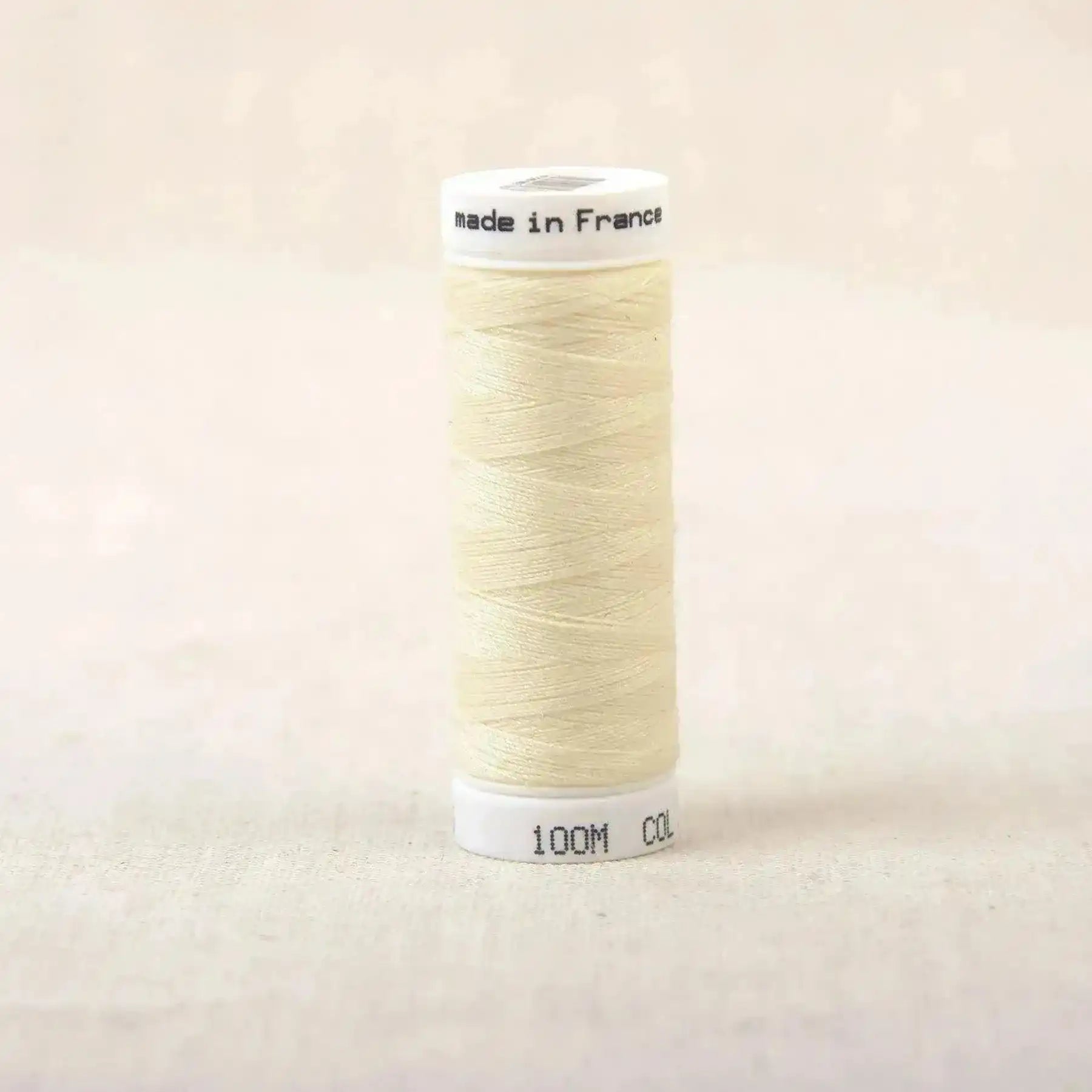
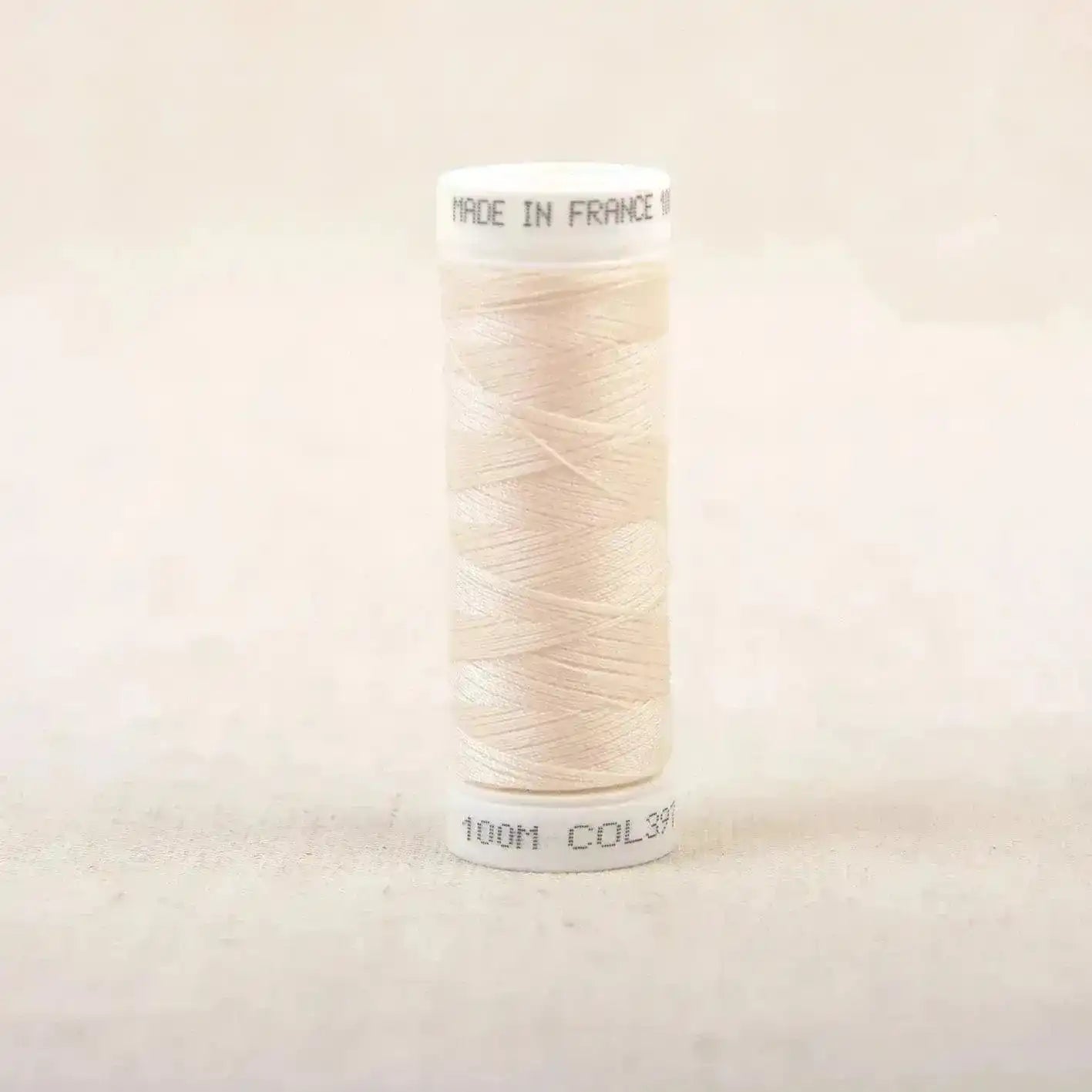
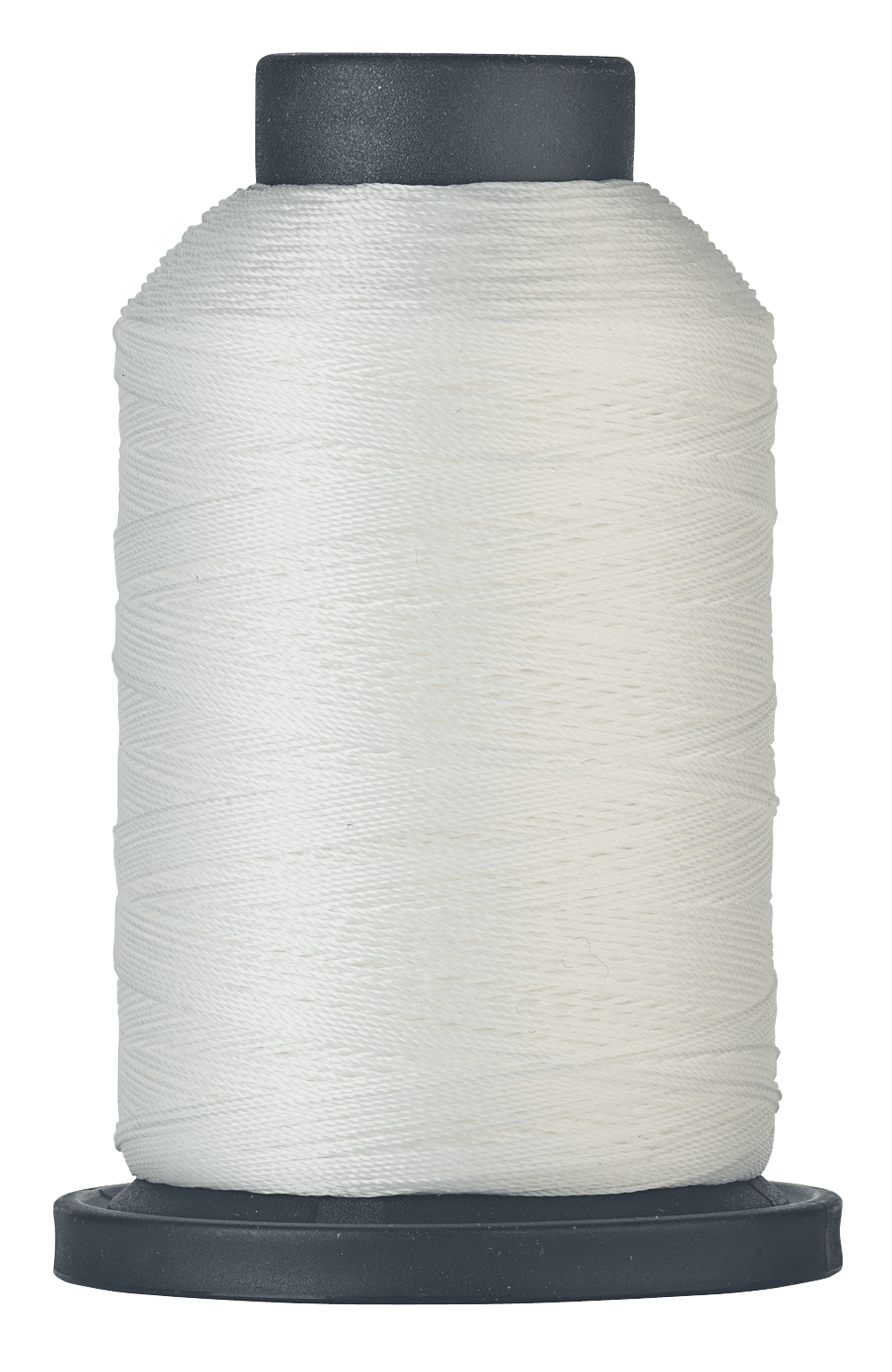
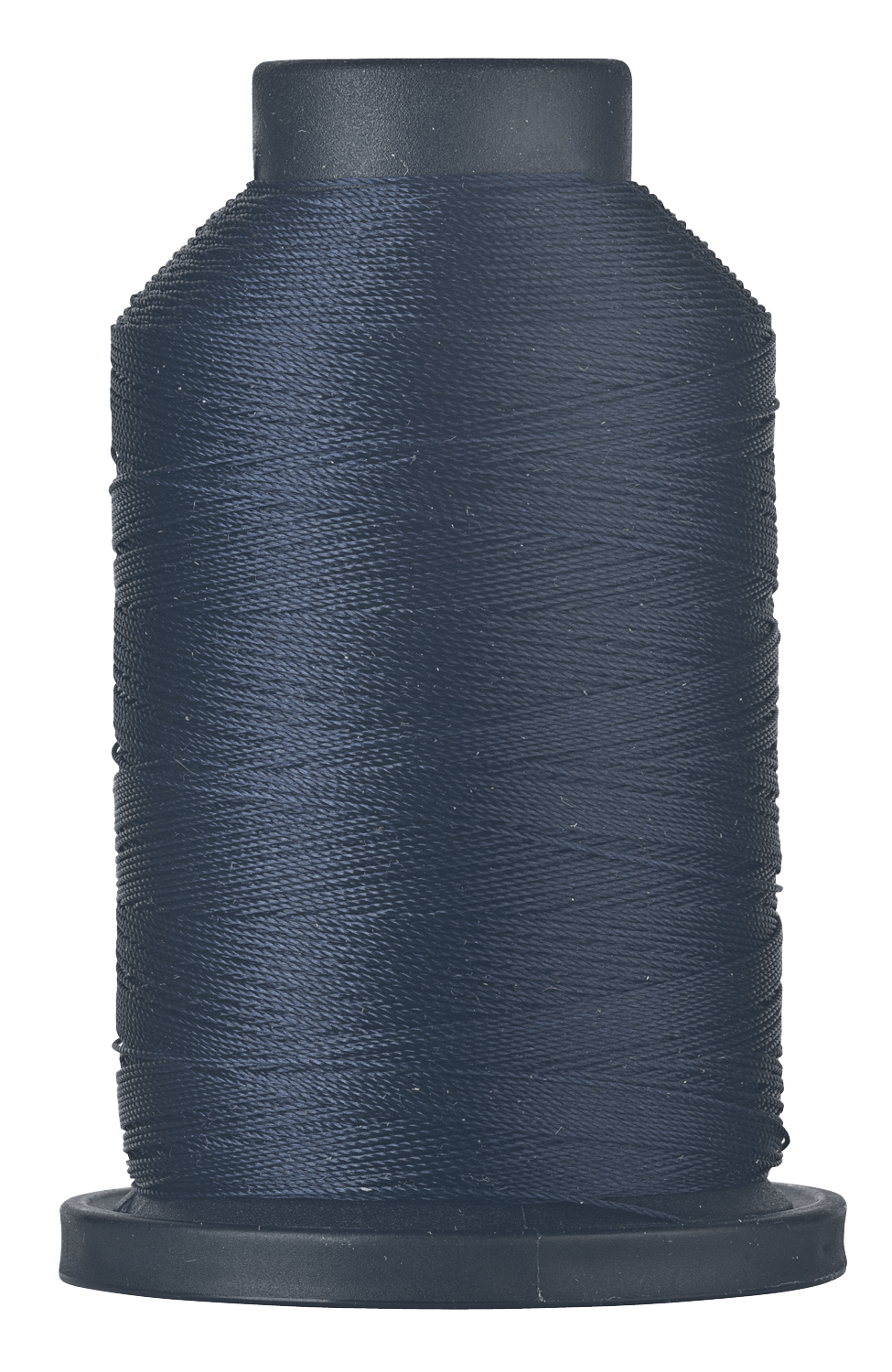
Sewing thread is essential for ensuring strong, neat and durable seams, whatever the nature of your own project. Whether you are working on a garment, an accessory, a leather goods project or a decorating project, choosing high-quality thread is essential for achieving a perfect result. Available in a spool or cone, thread is suitable for both hand sewing and machine sewing, and is suitable for a wide variety of fabrics, from the lightest to the heaviest. It can be used on various textiles such as knitwear, knitted fabrics, heathered fabrics and upholstery fabrics.
Which sewing thread should you choose?
The choice of the ideal thread depends on several criteria, such as material, thickness, strength and fineness. Each type of thread is suited to different uses:
-
Polyester thread: Strong and versatile, it is suitable for synthetic and natural fabrics, ideal for quality sewing on various textiles.
-
Cotton thread: Perfect for sewing natural fabrics such as cotton canvas, it ensures an elegant finish and great durability.
-
Silk thread: Ideal for delicate fabrics, it adds a slight sheen and a soft texture to seams.
-
Specialty thread: Includes elastic, invisible, fluffy and special embroidery threads, designed for precise finishes. Some are suitable for stretch fabrics or polyamide textiles.
Where to buy sewing thread?
If you are looking to buy quality thread, our haberdashery store offers a varied selection of threads from renowned brands known for their strength and fineness. On our sales page, you will find:
-
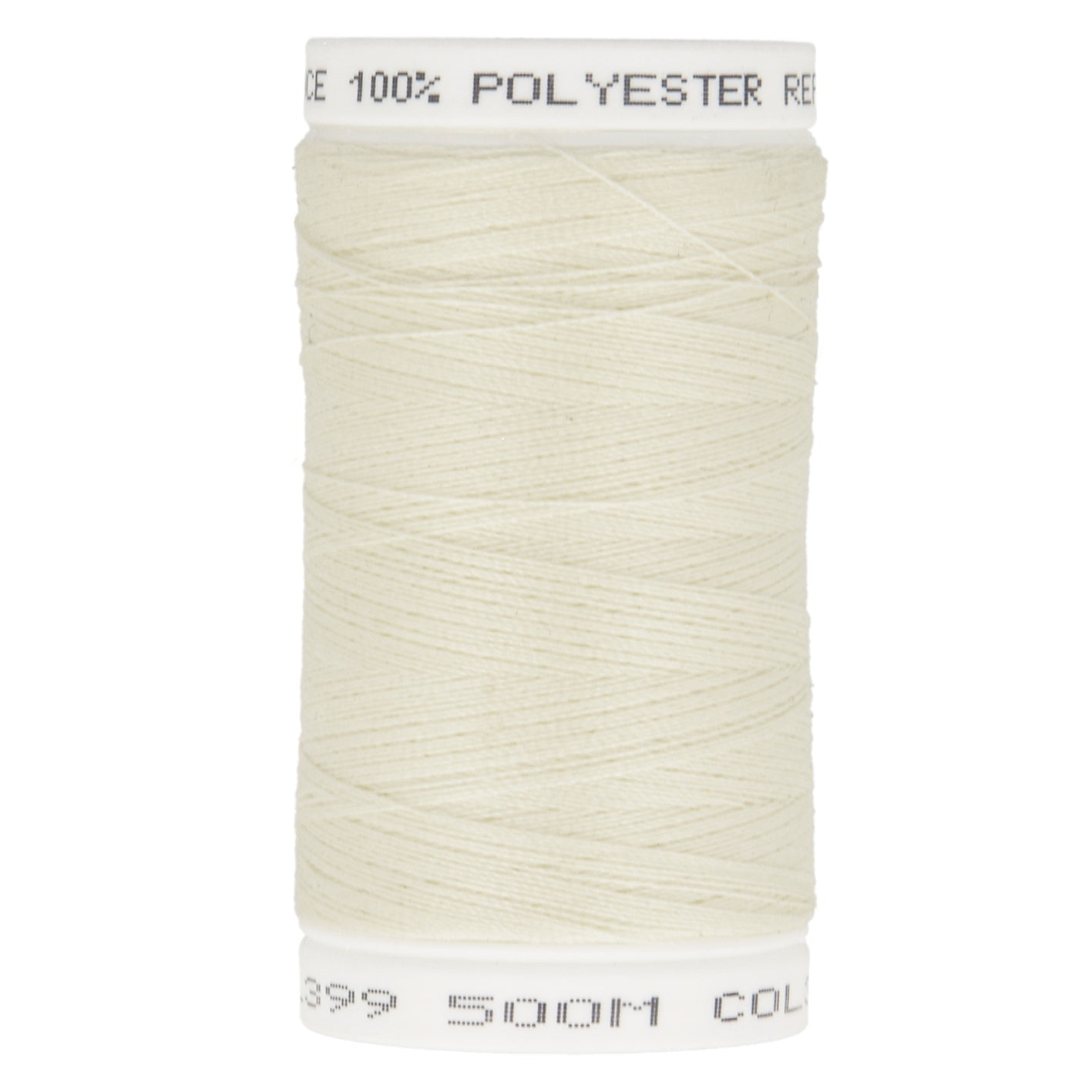
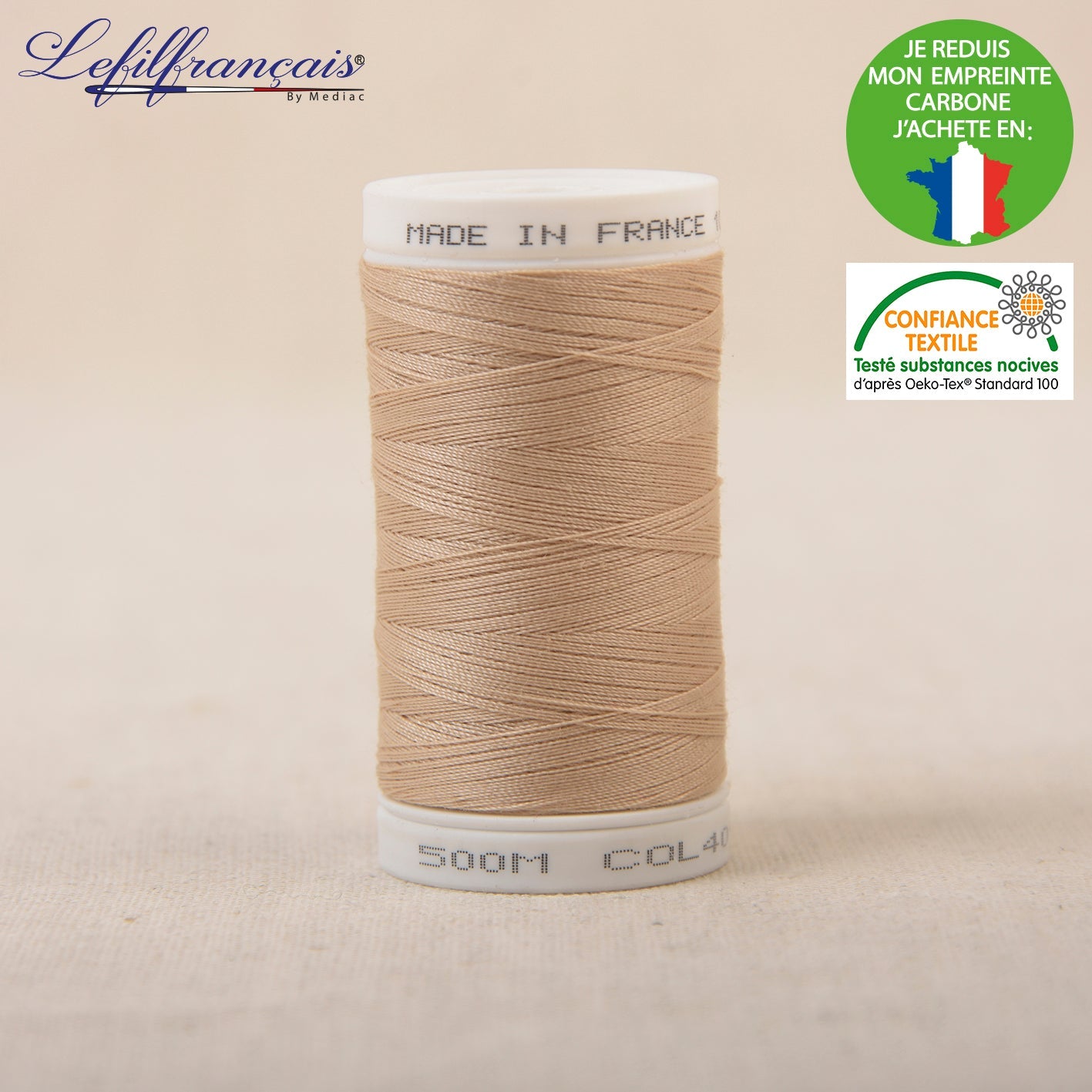
Spools in different lengths (100m, 500m, 1000m and more) to suit your needs.
-
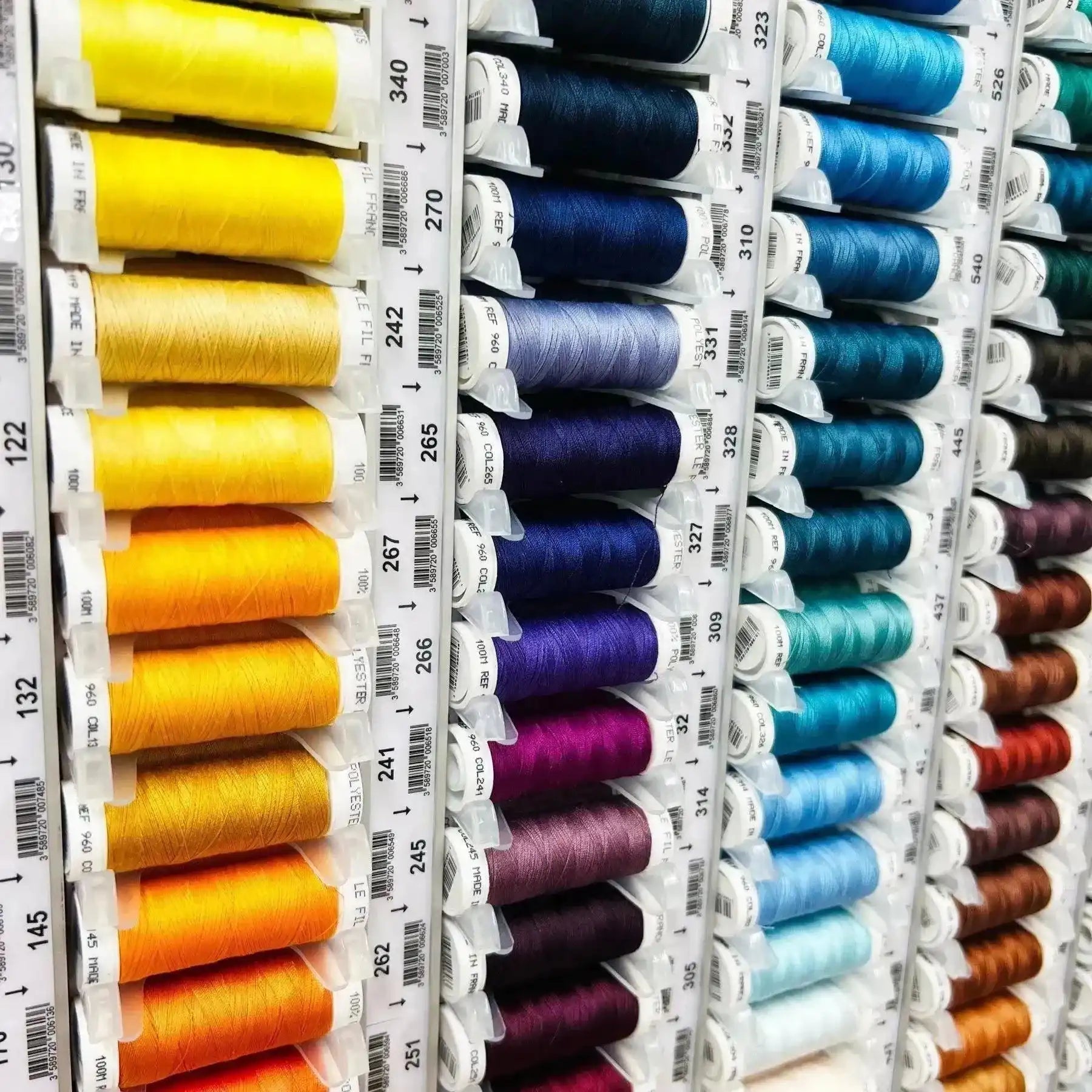
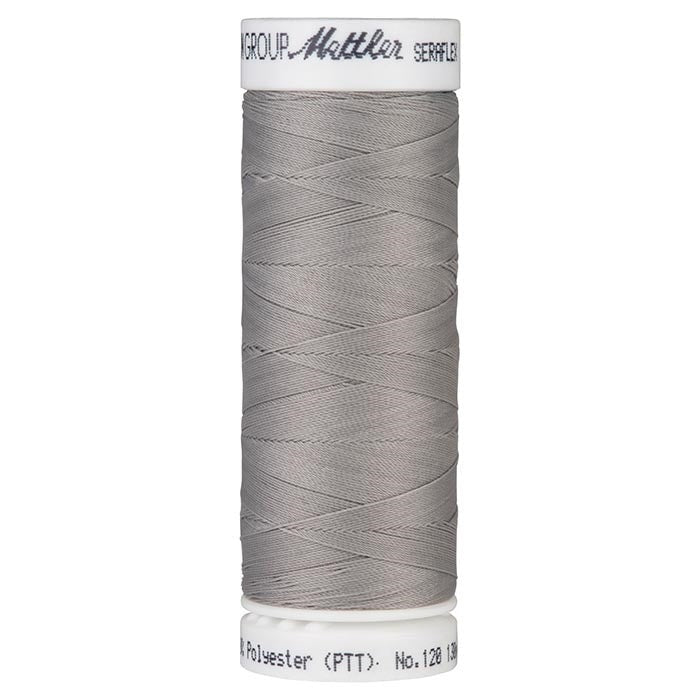
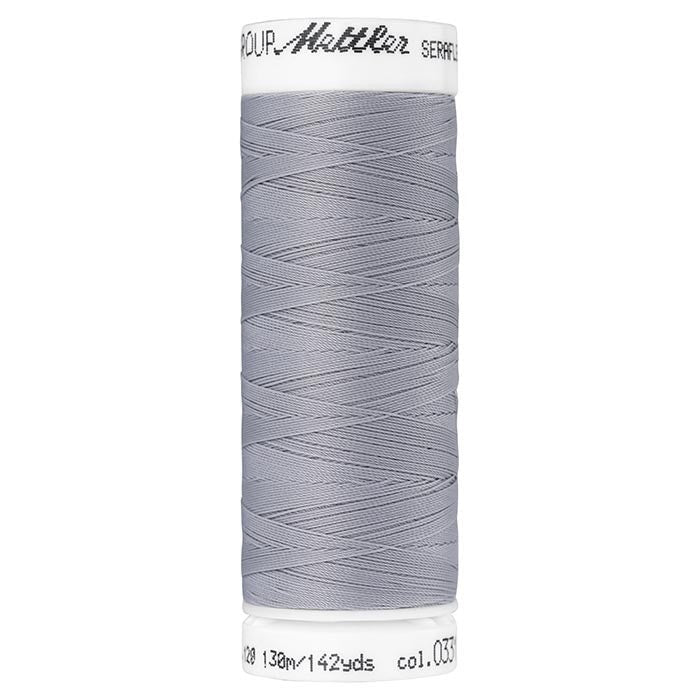
A wide choice of colors, perfect for matching your thread to your own sewing project.
-
Thread sets containing a range of colours for various projects.
-
Threads for quilting, embroidery, clothing, or shoe making.
-
A buying guide to help you choose your thread according to its use.
How to use sewing thread?
Whether you want to sew by hand or sew with a machine, here are some technical tips for using thread effectively and avoiding sewing problems:
-
Check the thread tension to prevent uneven stitches or thread breakage.
-
Match the needle and thread thickness to the fabric being used.
-
Choose a quality spool to prevent the thread from pilling or wearing out prematurely.
-
Test it on a sample before starting your project to achieve a flawless result.
-
Choose a reputable thread brand to ensure a professional finish.
What are the types of sewing thread?
Sewing thread comes in several categories depending on its composition and use:
-
Polyester thread: Highly versatile, it is ideal for everyday sewing and garment making.
-
Cotton thread: Appreciated for natural fabrics, it provides flexible, breathable seams.
-
Elastic thread: Perfect for stretch fabrics such as jersey or Lycra.
-
Invisible thread: Ideal for discreet finishes on transparent or delicate fabrics.
-
Woolly thread: Adds a soft texture and extra comfort to stretch seams.
-
Topstitching thread: Designed for decorative finishes or visible stitching.
How important is sewing thread quality?
A poor-quality thread can cause various problems, such as poor durability, excessive pilling, frequent breakage, or an uneven finish. To avoid these issues, it is important to choose a strong, suitable thread:
-
A strong thread, capable of withstanding tension and repeated friction.
-
Fine but strong thread, for precise sewing without the risk of breakage.
-
Thread suited to every fabric, whether thick like denim or lightweight like silk.
-
High-quality thread, with excellent results on different types of garments.
How can you identify high-quality thread?
To identify high-quality thread, check its evenness, tensile strength, and lack of lint. Good sewing thread does not break easily, passes smoothly through the needle, and does not produce lint while sewing. It should also retain its colour when washed and resist wear. Quality sewing threads are often made from long, combed fibres, providing a smooth and strong finish. Choosing good thread ensures your creations have better durability and a more professional appearance over time.
How do you choose thread according to the fabric?
The choice of thread should be based on the material being sewn:
-
Thick fabric (denim, canvas, leather): Choose a thick and durable thread, such as strong polyester thread.
-
Lightweight fabric (silk, voile, chiffon): Choose a fine and delicate thread for a perfect finish.
-
Stretch fabric (jersey, lycra): Elastic thread is recommended to accommodate the fabric's flexibility.
-
Synthetic fabric: Synthetic nylon or polyester thread will provide better adhesion.
-
Thread thickness : This should also be taken into account depending on the thickness of the fabric or the force that will be exerted on it.
What sewing projects can you make with thread?
Sewing thread is essential for a wide range of creations:
-
Sewing jeans requires strong thread that can withstand reinforced seams.
-
Create accessories such as bags or pouches, where thread strength is essential.
-
Create decorative embroidery with an embroidery machine, using topstitching thread or fluffy thread.
-
Assemble a garment by choosing a thread that matches the fabric for an invisible finish. Perfect for colorful projects or original patterns such as turquoise, mustard or light gray.
Why choose our threads?
We offer a wide range of sewing threads for all needs:
-
Superior quality, tested and approved by sewing professionals.
-
A wide selection of colors, allowing a precise choice for each project.
-
Spools and cones in different sizes, to suit all uses.
-
Recognized brands guaranteeing exceptional durability and fineness.
-
Optimal value for money, with spool sets and bundles to meet all requirements.
Buy your sewing thread now and ensure perfect, strong and durable seams for all your creations! You can also find various examples, tips and articles on our blog.
Sewing Thread in Summary
There is a wide range of sewing threads suitable for all your projects, from the simplest to the most complex. To ensure high quality, you need to pay attention to the average strength and avoid issues with looping or wear. Our spun threads are carefully selected and are among the main choices of dressmakers. They are perfectly suited to being sold by the meter or individually, depending on the type of project.
Whether you have bought thread for a specific project or to complete your collection, remember to check the number of meters per spool. For upholstery, choose a heavy-duty thread, while a slightly finer thread is suitable for finishing. A good thread improves washing performance and the durability of seams over time.
Our threads, made in France, are ideal for all types of creations. Don’t hesitate to add a little touch of originality with a colored thread for a unique effect. Finally, a good pattern and quality materials are the key to a top result!