


















Table of Contents:
Introduction
Tulle fabric, light, airy, and delicate, this iconic material appeals to both seamstresses and decoration designers. Used for everything from a wedding dress, a fairy costume, to a festive atmosphere, the tulle fabric is an essential choice to add volume, elegance, and transparency. Thanks to its many variations – from stiff tulle to soft tulle, from cotton to synthetic mesh – it offers great creative freedom while requiring some skill to use properly.
But how do you choose the right light and transparent fabric for your project? What are the differences between types of tulle? Is it easy to sew or care for? This comprehensive guide walks you through understanding the advantages of tulle fabric, its technical features, common mistakes to avoid, and the best sewing or decorating ideas to try at home.
What is tulle fabric?
Tulle fabric is an openwork textile that captivates with its lightness and transparency. Its net or mesh structure makes it ideal for delicate, festive, or decorative sewing projects. To choose it well, it is essential to understand where it comes from and how it is made.
Origin and manufacturing of tulle
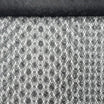
Tulle gets its name from the French town of Tulle, where it was produced as early as the 19th century. Originally handmade, it is now mechanically manufactured from very fine threads (cotton, nylon, or polyester) woven to form a hexagonal or square mesh. This special manufacturing process gives tulle fabric its distinctive texture, similar to a fine mosquito net.
Main features of tulle fabric
Tulle fabric is a very fine, airy, and almost transparent material. It is characterized by:
- A soft or stiff texture depending on the material used.
- A voluminous drape without being heavy.
- A wide variety of colors and widths available.

What are the different types of tulle available?
Not all tulles are the same. There are many varieties, each suited to specific uses: clothing, decoration, lingerie, or events. This section helps you distinguish the main types.
Stiff tulle vs soft tulle
Stiff tulle is ideal for adding volume to a skirt or tutu. It holds its shape well but can feel slightly rough to the touch. In contrast, soft tulle, softer and more flowing, is perfect for lighter creations like veils or accessories.
Cotton, polyester, or nylon tulle: what are the differences?
Materials affect the hold and use of tulle fabric:
- Cotton tulle: soft, natural, ideal for elegant or vintage projects.
- Polyester tulle: durable, inexpensive, suitable for decorations.
- Nylon tulle: lightweight, flexible, and durable, perfect for wedding dresses or costumes.
COMPARISON TABLE: types of tulle
| Type of tulle | Material | Flexibility | Recommended use | Average price |
|---|---|---|---|---|
| Stiff tulle | Nylon | Low | Skirts, tutus, costumes | € |
| Soft tulle | Polyester | Medium | Veils, light decoration | €€ |
| Net tulle | Nylon/elastane | High | Lingerie, stretch garments | €€ |
| Cotton tulle | Cotton | Medium | Elegant sewing, retro dresses | €€€ |
How to choose a tulle fabric for sewing?
Choosing the right tulle fabric depends on the project to be made. You need to consider flexibility, mesh density, and the desired finish. Here are some guidelines to help you.
Project list by type of tulle
- Tulle for skirt or wedding dress: choose a soft and flowing tulle, like illusion tulle.
- Tulle for decoration (weddings, baptisms...): opt for a stiff, inexpensive tulle available in rolls.
- Tulle for costumes or disguises: a colored synthetic tulle will do the job.
- Mesh tulle for lingerie or clothing: choose an elastic version with a tighter knit.

What are the advantages and disadvantages of tulle?
Before buying tulle fabric, it’s good to know its strengths… but also its limitations. This unique fabric can be intimidating at first, but with the right tools, it’s easy to work with.
Advantages of tulle fabric
- Lightweight, transparent, breathable.
- Available in many colors and sizes.
- Excellent for creating volume without weight.
- Inexpensive (especially polyester versions).
Limitations to know before buying
- Tulle can slip under the presser foot.
- It tears easily if the thread tension is too high.
- It can catch needles, especially if they are thick or dull.
List of tips :
- Use fine needles (60/70).
- Avoid long seams: prefer short stitches.
- Work with clips instead of pins to avoid holes.
How to sew and care for tulle fabric?
Sewing tulle fabric requires some technical adjustments. Its care is also specific, especially to maintain its lightness and elasticity.
Sewing tips to avoid mistakes
To sew tulle properly:
- Work with a microtex or fine needle.
- Set a low thread tension to avoid breaking the fabric.
- Use fine polyester thread for better discretion.
- Overlock the edges if needed to prevent fraying.
Ironing, washing, and storing tulle
- Washing: preferably by hand, or in a washing bag in the machine.
- Ironing: very low heat, no steam, with a protective cloth.
- Storage: rolled or hung, away from light to prevent yellowing.
Bonus for tulle fabric: inspirations and creative ideas
The tulle fabric inspires many original projects that are both easy to make and spectacular. Here are some ideas to use your tulle scraps or bring your creations to life.
- DIY decoration: tulle pom-poms, hanging garlands, lightweight tablecloths.
- Creative sewing: children’s capes, mesh bags, decorative cushions.
- Trendy accessories: knotted headbands, ceremony veils, fabric flowers.
Conclusion: choosing and using tulle fabric well
The tulle fabric is a valuable ally for your sewing, decoration, or event projects. Lightweight, transparent, and available in many materials, it allows you to create airy and elegant pieces while giving free rein to your imagination. By understanding the different types of tulle (stiff, soft, mesh…), their uses, and tips for sewing them, you can choose the textile best suited to your needs. Remember to care for it properly and use the right tools to make handling easier. Whether you’re making a wedding dress, party decorations, or a chic accessory, tulle fabric remains a reliable choice to add delicacy and volume to your creations. Now it’s your turn to try it out in your next sewing projects!


Leave a comment
This site is protected by hCaptcha and the hCaptcha Privacy Policy and Terms of Service apply.