































Table of contents:
The zipper is an essential element in sewing, allowing toto open and close a garment or accessory in a practical and discreet way . Depending on the desired style, there are several methods to install it, each requiring rigor and precision .
In this article, we will detail the different techniques for sewing a zipper depending on the desired finish.
How to install a classic zipper?
Installing a classic zipper is one of the most common methods in sewing. It is used to skirts, pants, dresses, or even some jackets and ensures a simple and functional finish.
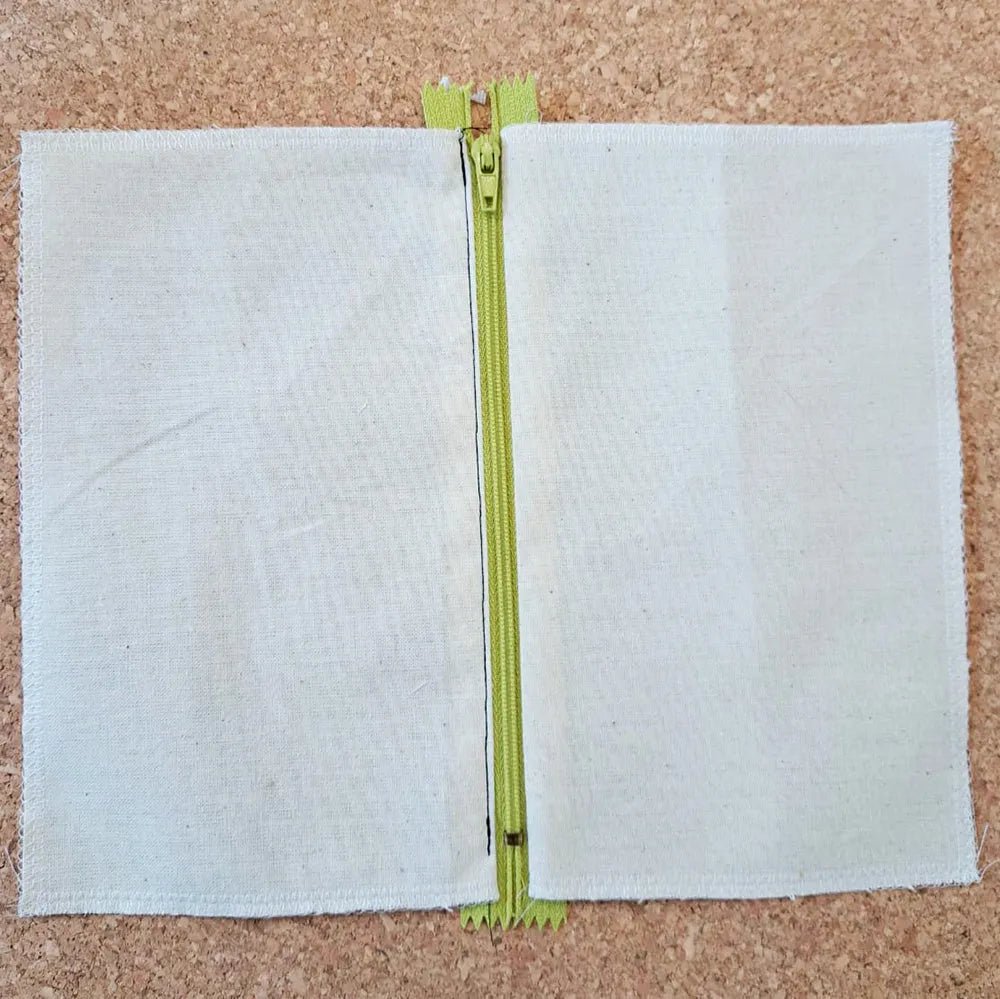
Attach the first side of the zipper.

- Place the zipper right sides together with one side of the garment.
- Pin along the stitches to ensure good hold.
- Sew by machine making sure not to be hindered by the slider. For this, insert the needle into the fabric, lift the presser foot, move the slider, then continue sewing.
Attach the second side of the zipper.

- Place the zipper right sides together with the second side of the garment.
- Pin along the stitches to ensure good hold.
- Sew by machine making sure not to be hindered by the slider. For this, insert the needle into the fabric, lift the presser foot, move the slider, then continue sewing.
Topstitch the zipper for better hold

Once the zipper is assembled:
- Turn the work inside out and press well to flatten the seam.
- Make a topstitch at a variable distance from the stitches depending on the desired aesthetic effect.
- Attach the second side of the zipper by repeating the same operation.
How to install a zipper with piping?
The piping is a finish that provides protection and an aesthetic touch at the zipper. It allows for slightly hide the zipper while keeping a neat finish.

Before assembling the zipper:
- Draw seam allowance marks to properly align the pieces.
- Make sure that the bottom mark corresponds exactly to the end of the zipper .
- Sew right sides together both sides of the fabric, by removing the zipper pull allowance to avoid excess material.
Attach the zipper and create the piping


- Add 3 mm to the seam allowance on the right side and press to mark the fold.
- Pin and sew the zipper on this side , using a special zipper foot to stitch as close to the stitches as possible.
Close the flap and finish the stitching


- Fold the left side over to the right side to partially cover the zipper (by about 3mm).
- Pin and make a temporary stitch with large stitches to hold the flap in place.
- Sew a stitch parallel to the zipper , then sew an angled stitch to close the bottom of the zipper pull.
- Unpick the temporary stitch to free the opening.
What are the tips for a successful zipper?
To achieve a flawless result, here are some good practices to adopt:
- Use a special zipper foot to stitch as close to the stitches as possible.
- Mark precise guides before assembling the pieces to avoid any misalignment.
- Move the slider while sewing to avoid any discomfort during stitching.
- Slightly press back the seam allowance to achieve a clean and aesthetic piping.
- Take the time to topstitch to ensure good support and a neat finish.
With these techniques, your zippers will be strong, aligned, and perfectly integrated to your sewing creations.

Leave a comment
This site is protected by hCaptcha and the hCaptcha Privacy Policy and Terms of Service apply.