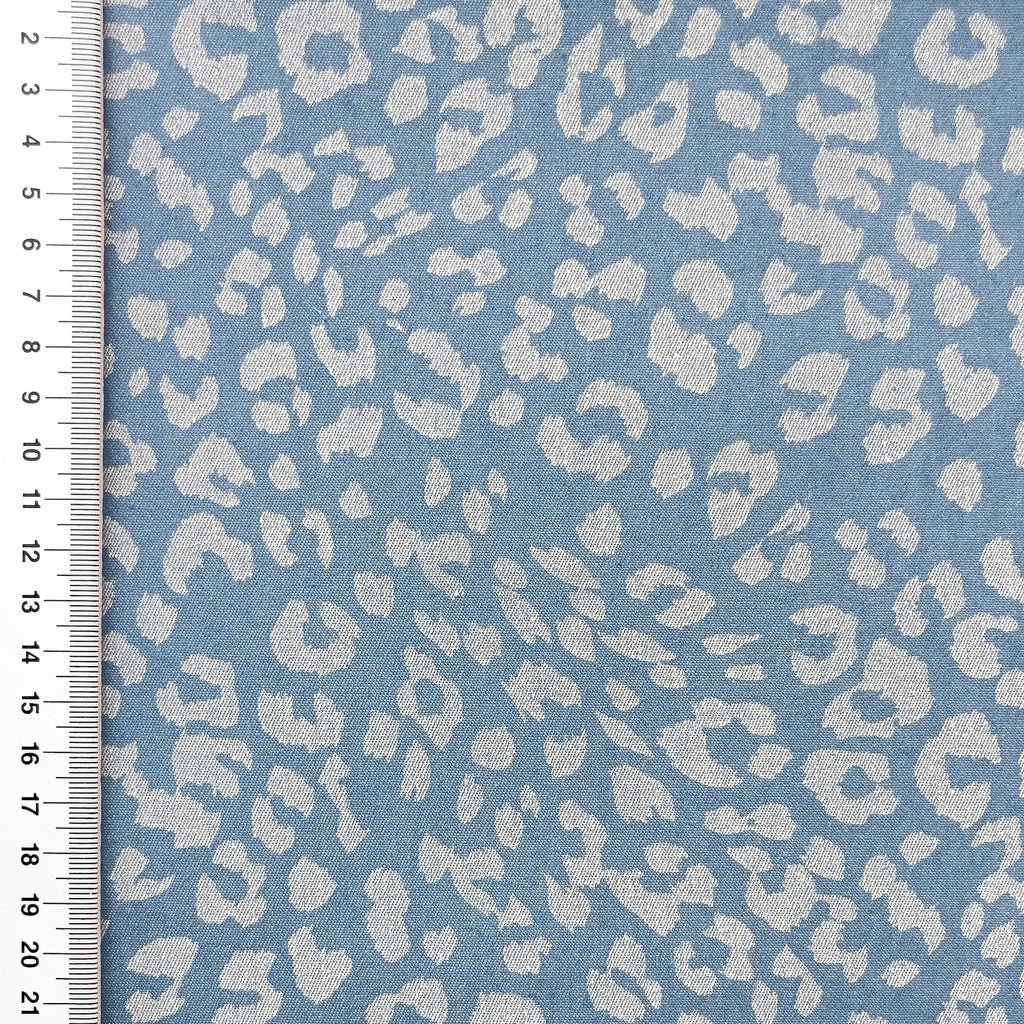
Oeko-Tex Fabrics: A Guarantee of Quality and Safety
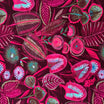
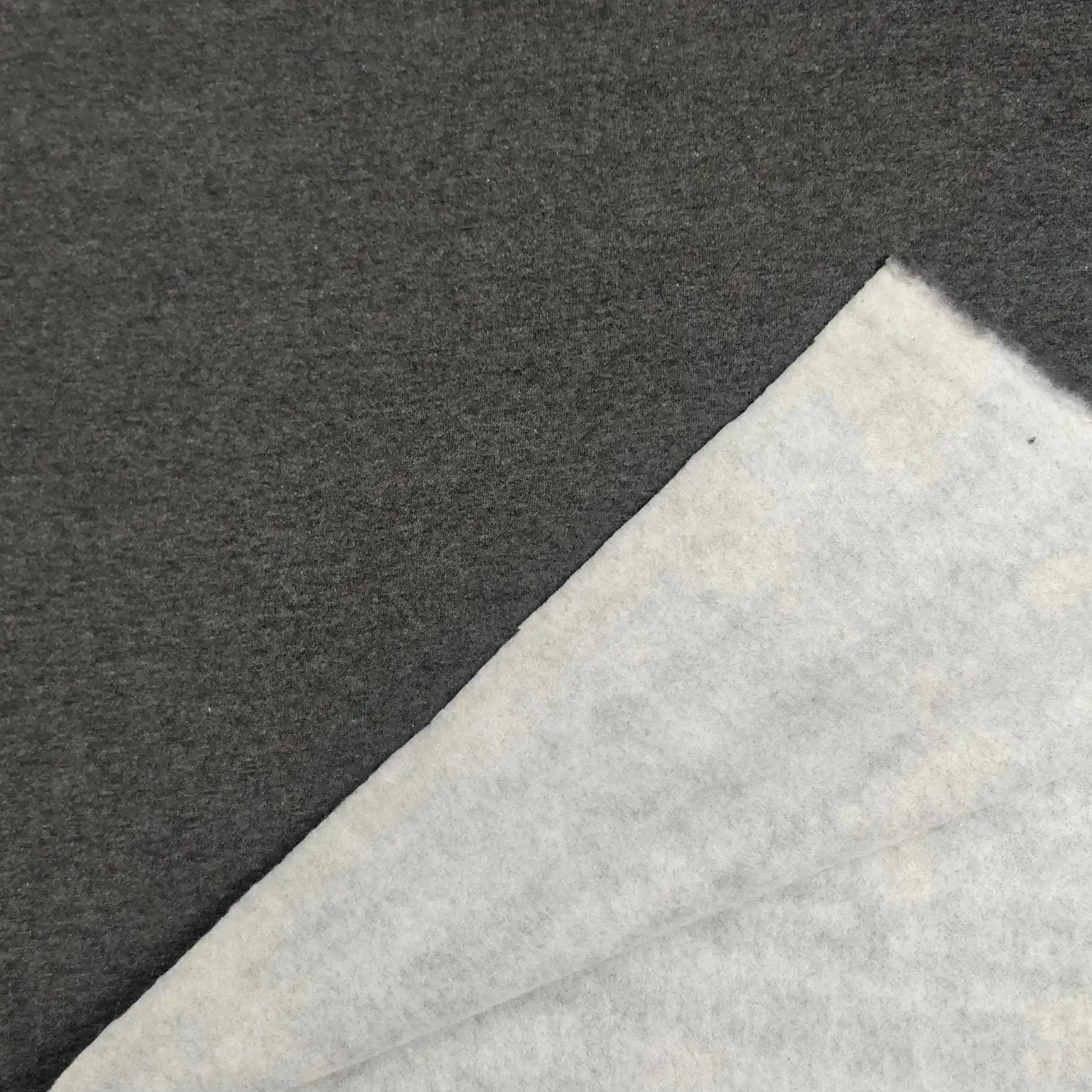
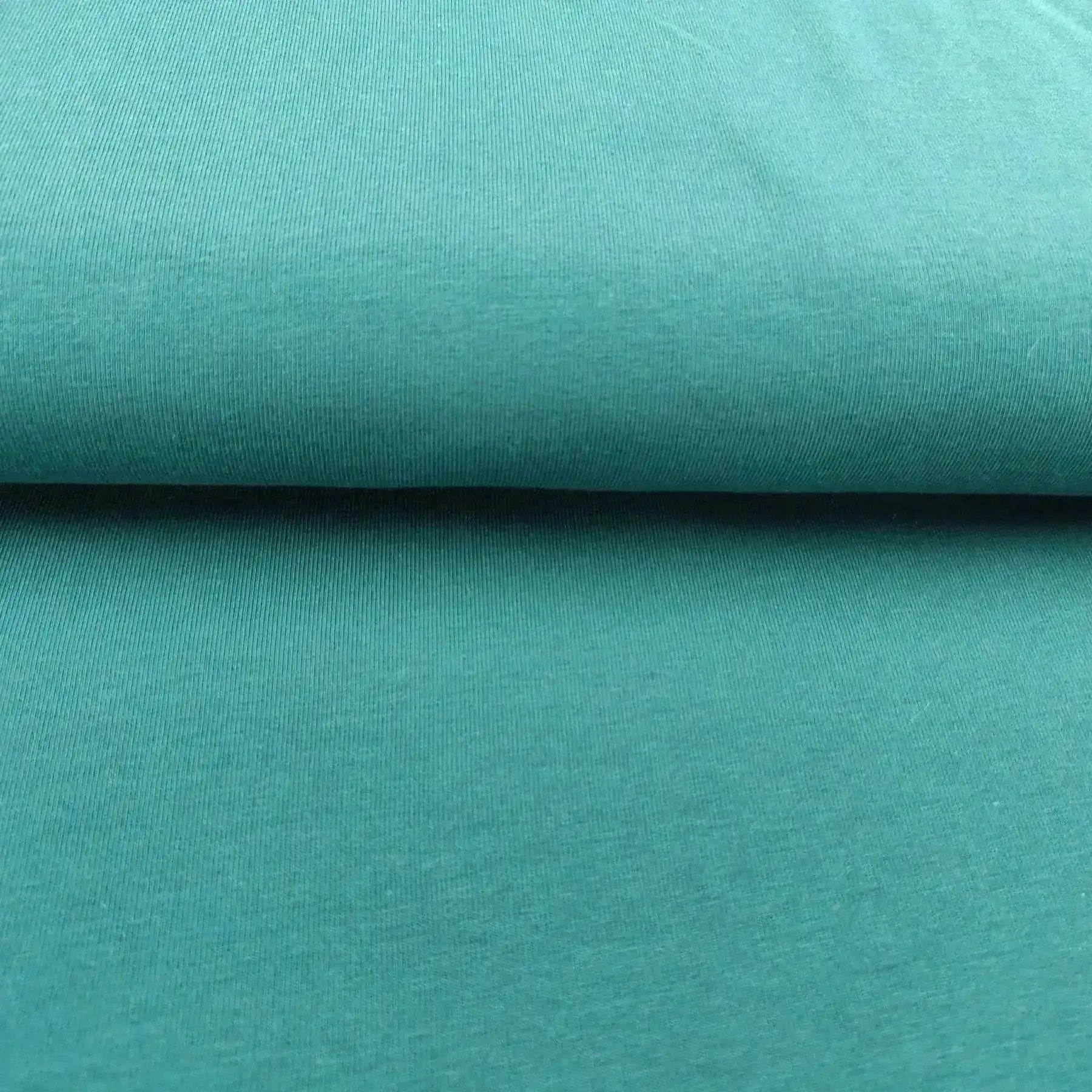
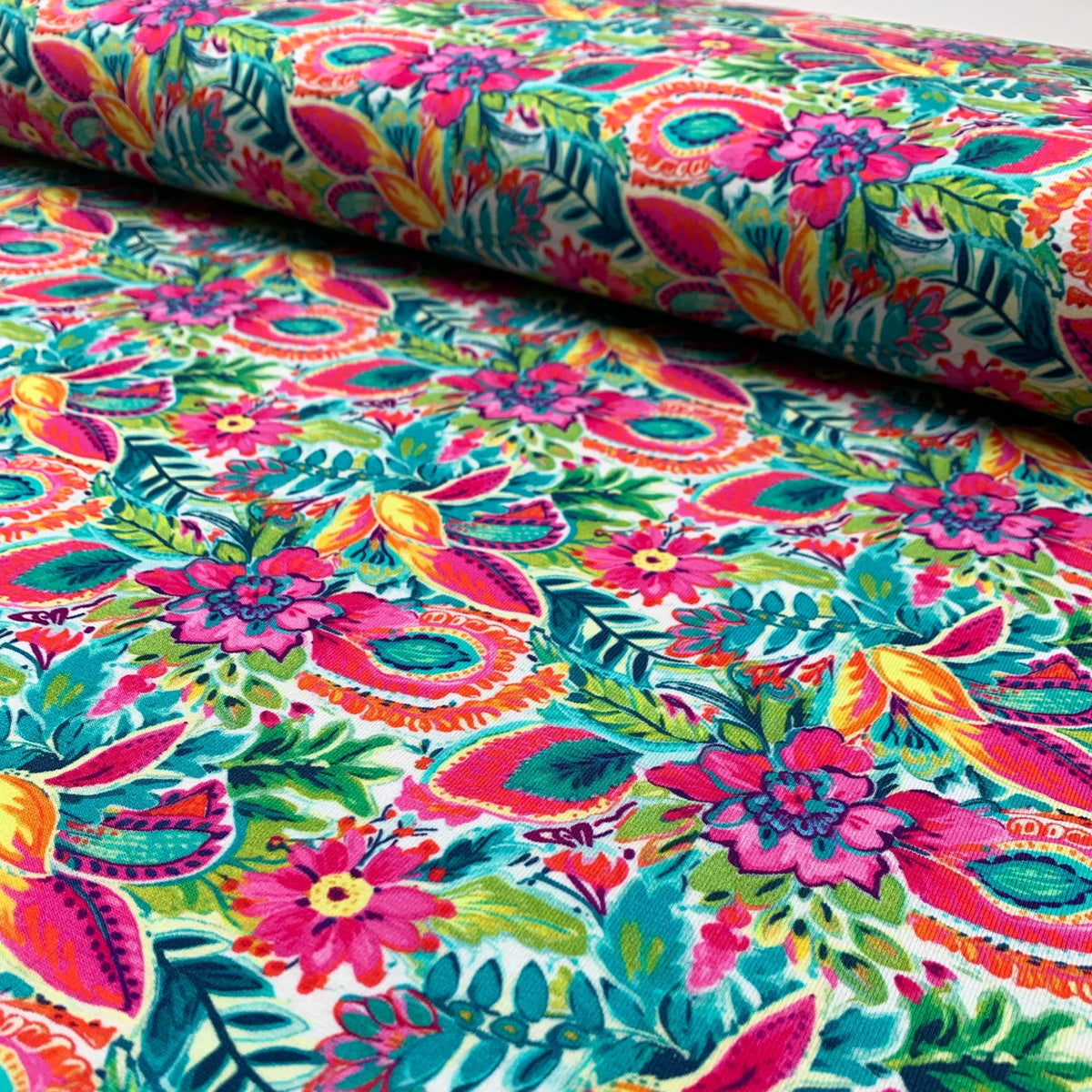
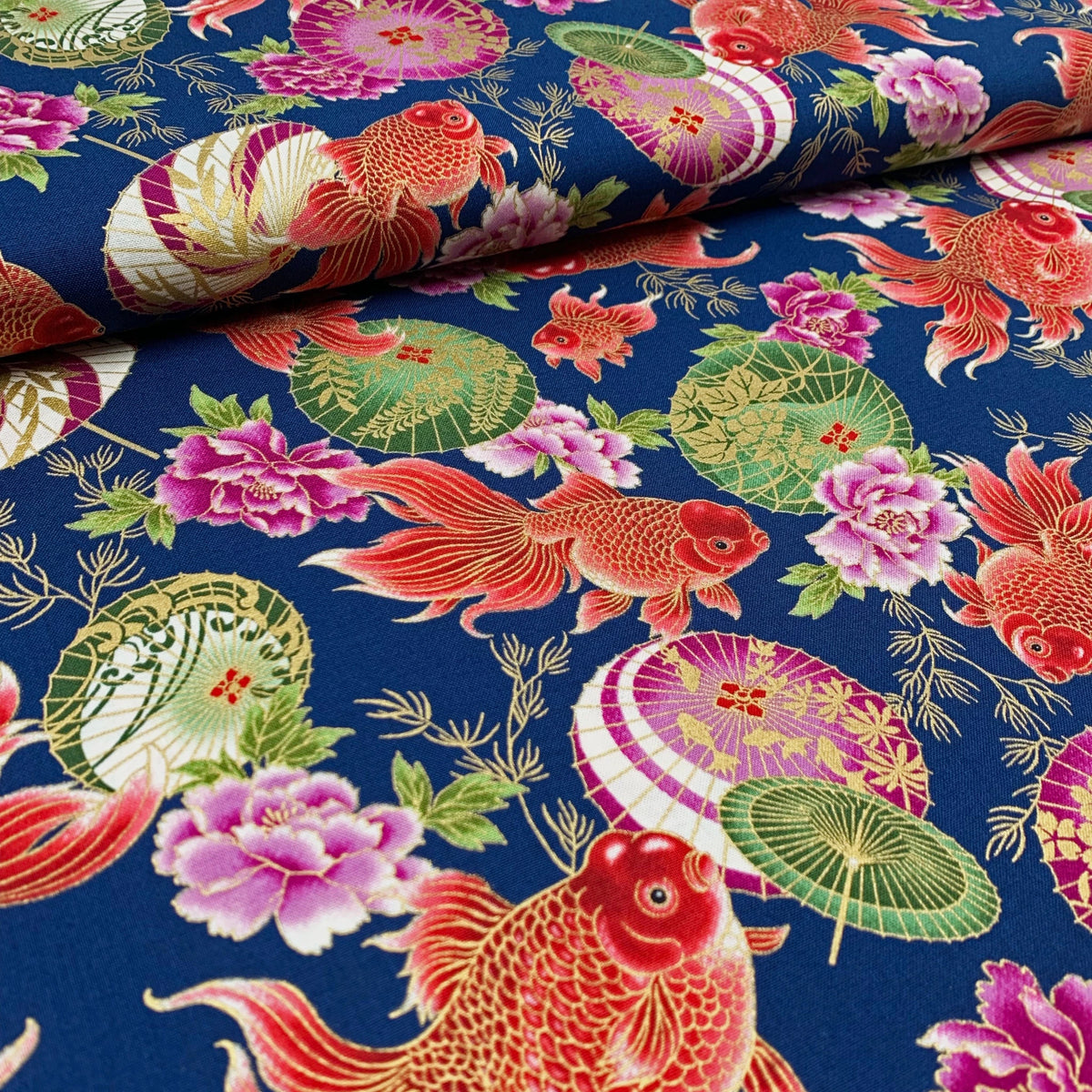
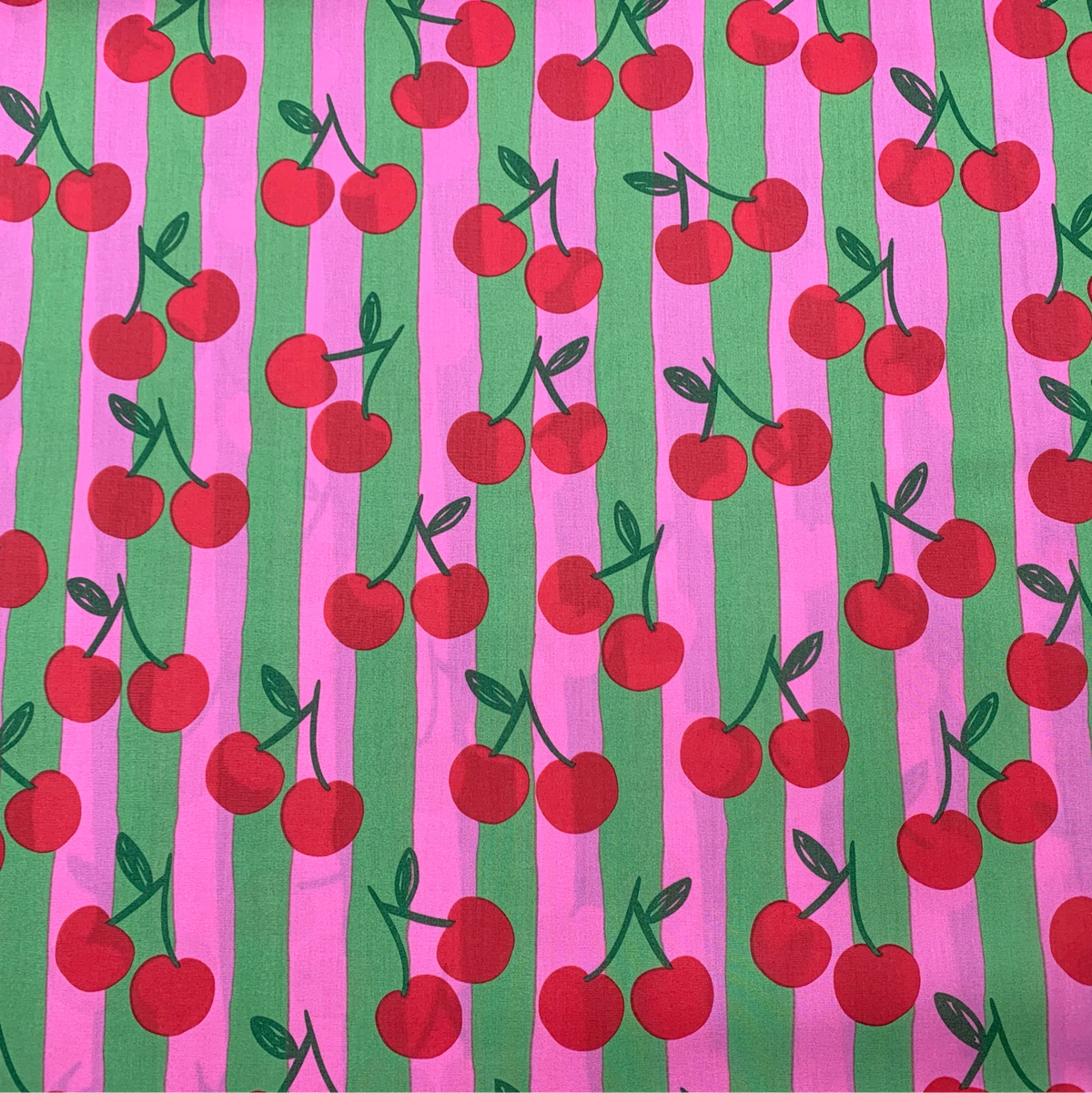
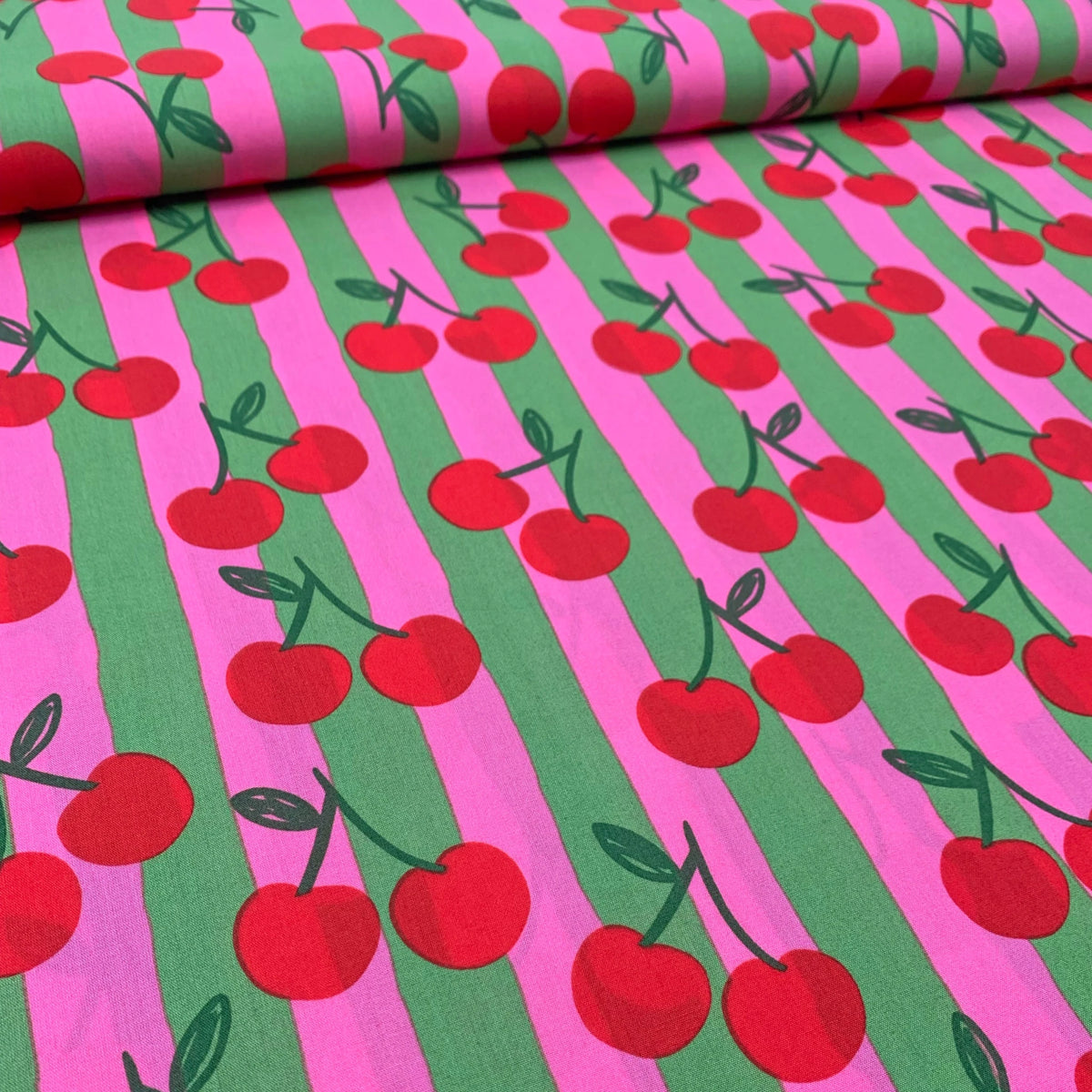
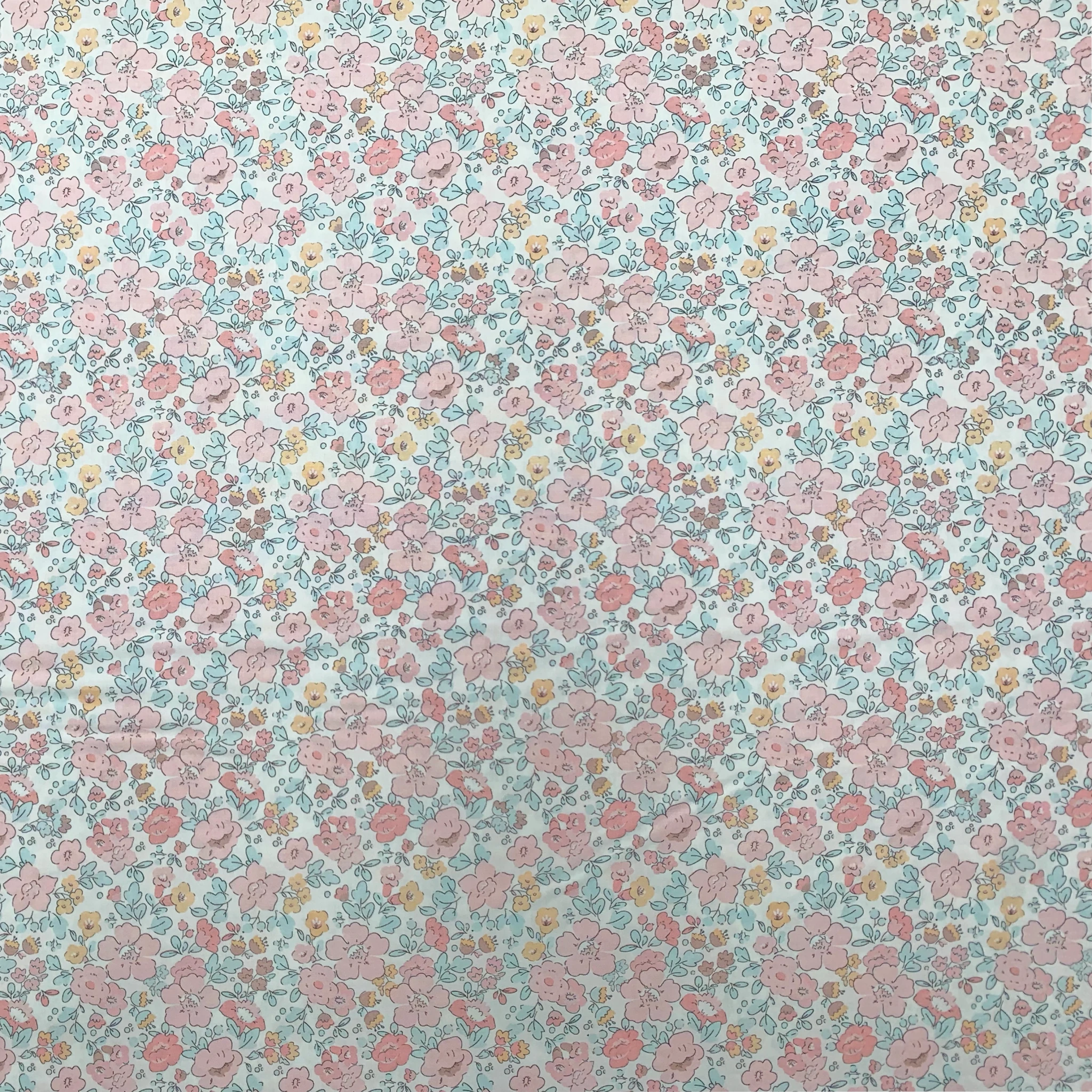
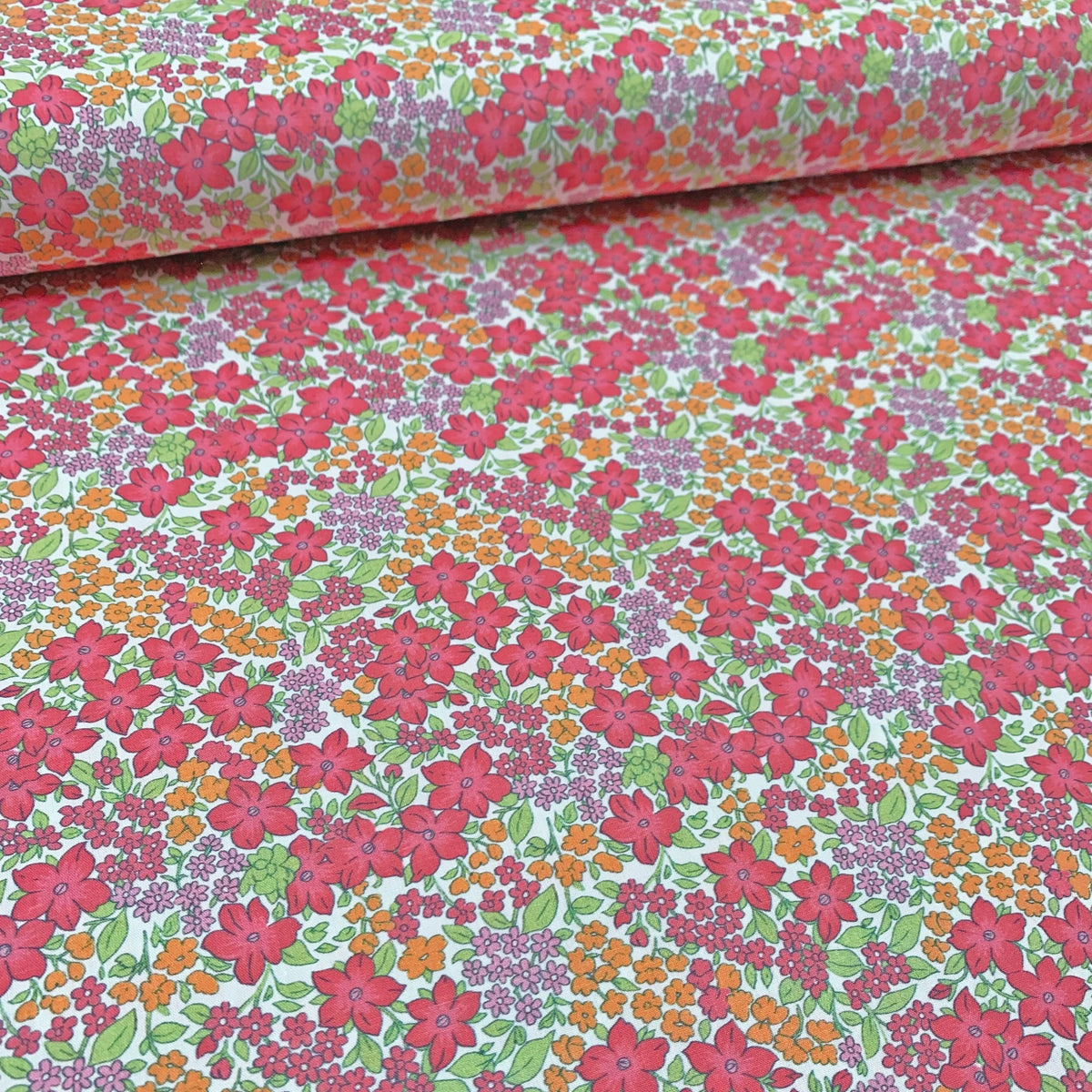
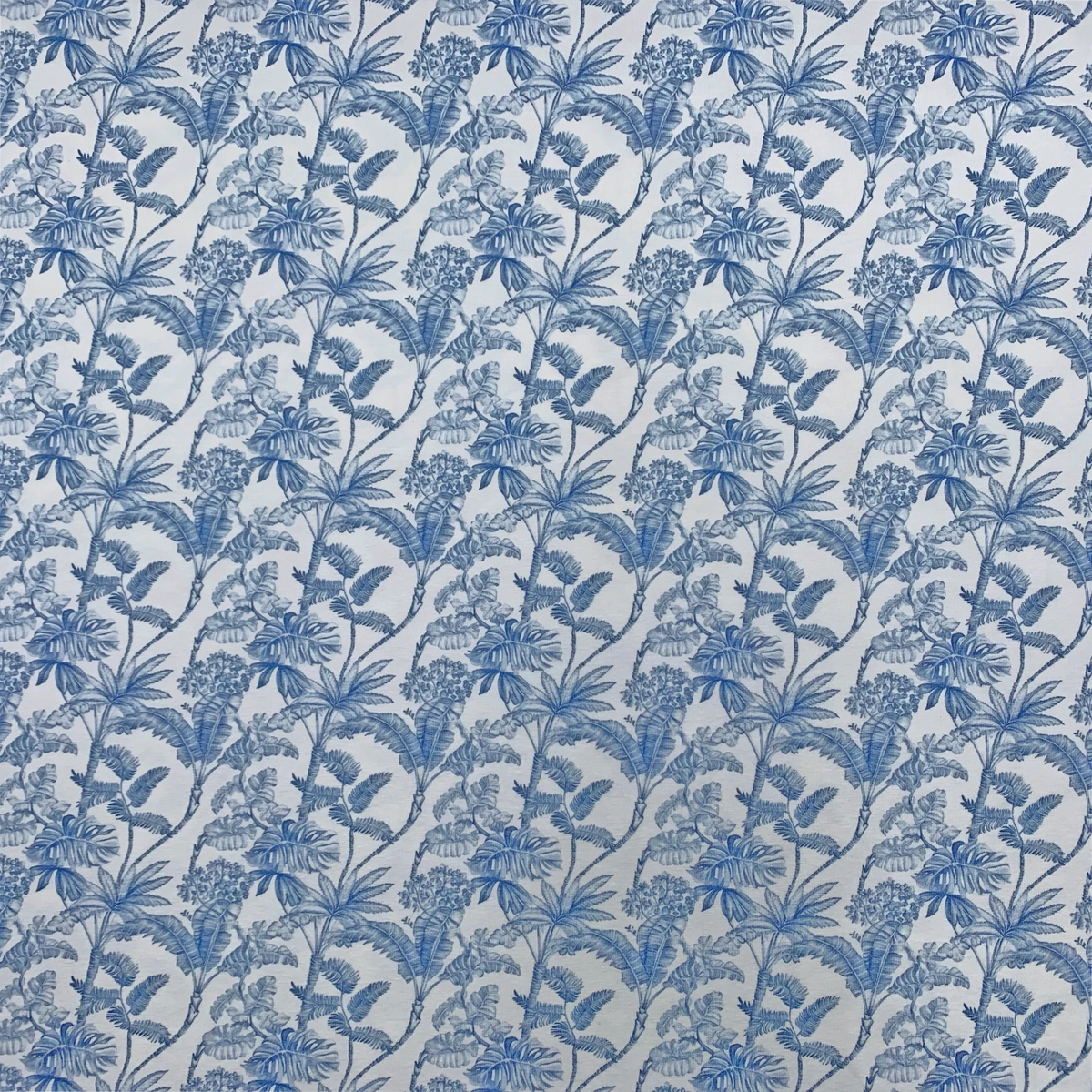
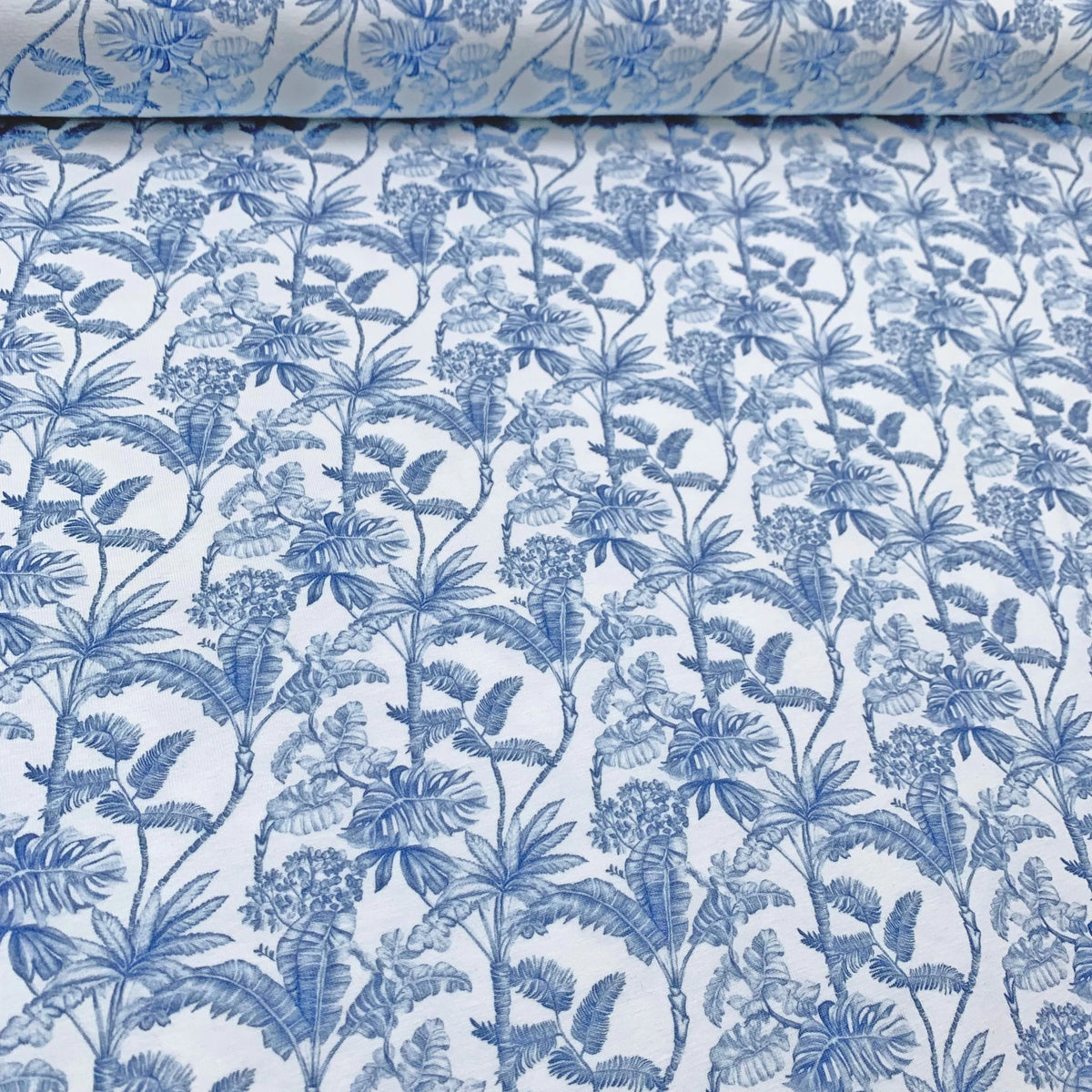
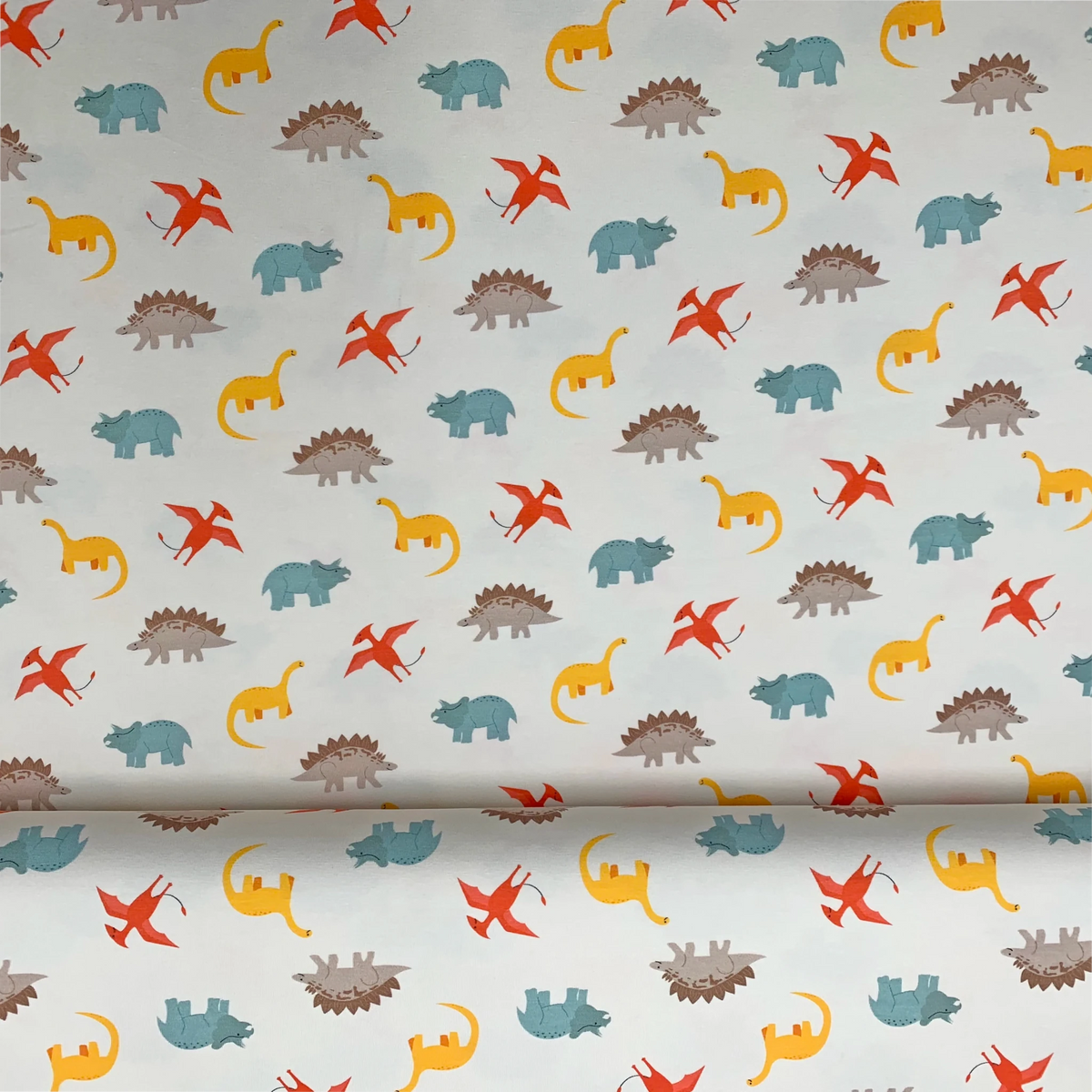
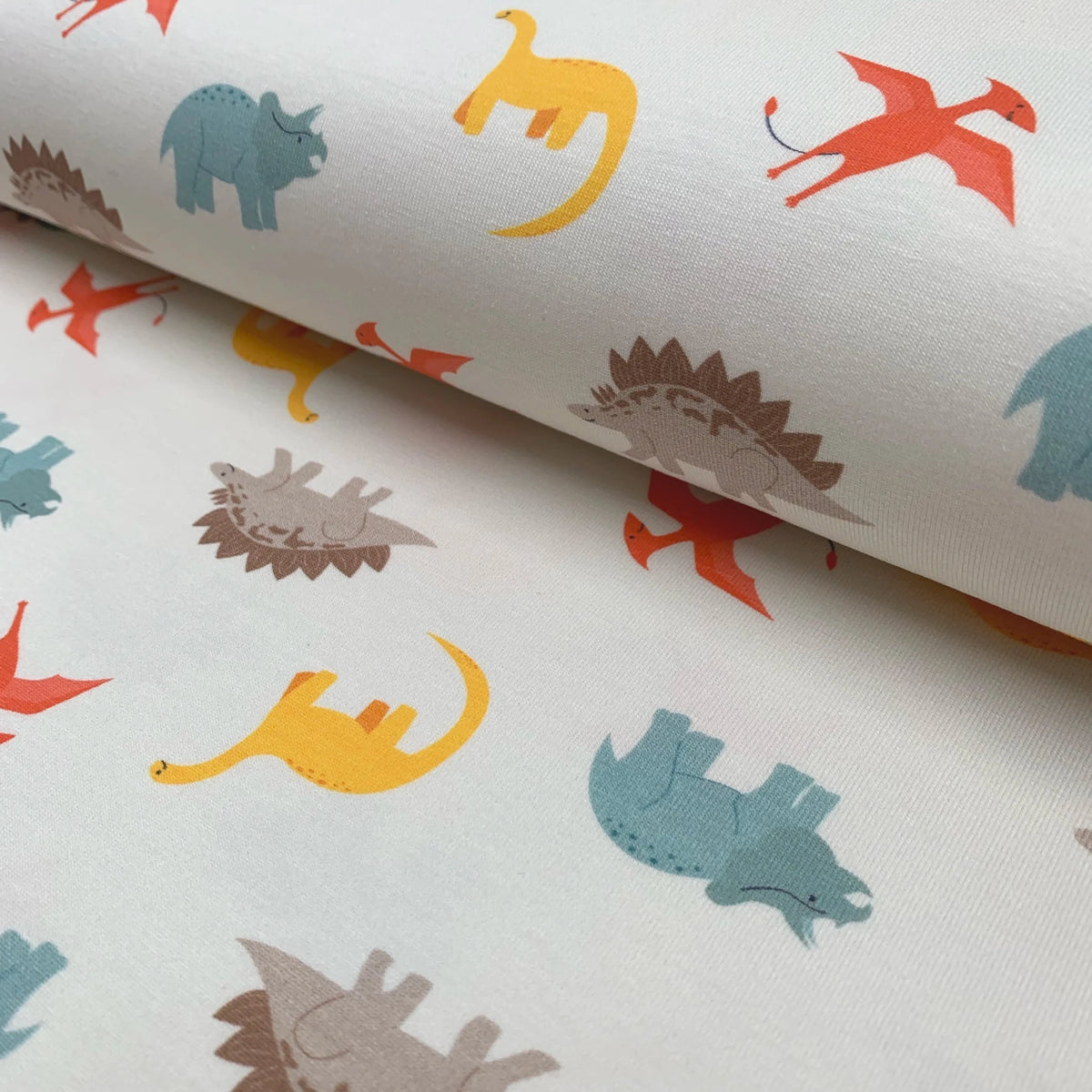
Oeko-Tex fabrics are certified textiles bearing a quality label that guarantees the absence of substances harmful to health and the environment. This label assures consumers that they are purchasing fabrics free from toxic products, suitable for direct contact with the skin, especially for clothing, household linen and accessories, providing safety and comfort every day. These fabrics can be used to make garments in fleece, jersey, knitwear or knitted fabric, ideal for creating breathable garments that are safe for the skin, particularly for babies and children.
Oeko-Tex Standard is based on a rigorous manufacturing process, with in-depth tests carried out by independent certification bodies such as IFTH, the Austrian ÖTI Institute, the German Hohenstein Institute and Testex. This Oeko-Tex certification evaluates every textile component, from yarn to finished products, to guarantee a textile that respects environmental and health standards.
What Is the Oeko-Tex Label?
The Oeko-Tex label is an international certification that ensures textile products meet strict criteria regarding harmful substances. It is often compared with the GOTS label, but applies to a wider range of textiles, from household linen to fashion clothing.
The Oeko-Tex Standard 100 guarantees that every textile article is tested and complies with international health standards. The Leather Standard applies to leather textiles and ensures the absence of harmful substances in their manufacturing, while the Made in Green by Oeko-Tex label certifies environmental quality and responsible working conditions.
How Does Oeko-Tex Certification Work?
Oeko-Tex certification is based on a strict assessment of every stage of the manufacturing process. It guarantees a production chain that complies with health standards. It also ensures the absence of harmful substances. Every textile must meet precise criteria.
These criteria concern heavy metals, pesticides, allergenic dyes and solvent residues. An independent certification body awards this certification by carrying out regular audits and in-depth tests on each production batch.
What Are the Oeko-Tex Product Classes?
The Oeko-Tex label distinguishes between four product classes, each corresponding to a different level of skin contact:
-
Class 1: Concerns baby products, subject to the strictest criteria.
-
Class 2: Intended for textiles in direct contact with the skin, such as clothing and household linen.
-
Class 3: Includes textiles without direct contact, such as curtains and upholstery.
-
Class 4: Applies to materials used in furniture and the textile industry.
Which Products Are Covered by Oeko-Tex?
Oeko-Tex certified products cover a wide range of textile articles, including:
- Men’s, women’s and children’s clothing
- Household linen, such as sheets and towels
- Upholstery textiles, curtains and cushions
- Technical fabrics for sportswear and coats
- Leather textiles certified under the Leather Standard
What Is the Difference Between Oeko-Tex and GOTS?
GOTS certification certifies textiles made from organically farmed fibres. Oeko-Tex guarantees the absence of toxic substances, regardless of the origin of the fibres. The distinction between Oeko-Tex and GOTS is important. GOTS applies only to organic natural fibres, whereas Oeko-Tex also applies to synthetic textiles and treated materials.
What Are the Dangers of Harmful Substances?
The textile industry uses products that may pose a danger to human health. Some toxic substances are commonly used in dyeing, finishing and fibre treatment. These substances can cause skin irritation, allergies or respiratory reactions. Thanks to the Oeko-Tex label, these products are tested to guarantee their safety and protect consumers from any health risk, while also being more environmentally friendly.
How Can You Obtain Oeko-Tex Certification?
Manufacturers must follow a rigorous process to obtain Oeko-Tex Standard certification. This certification involves:
-
Regular audits of production chains
-
In-depth tests carried out by independent laboratories
- Strict analysis of the chemicals used
- Continuous monitoring to ensure compliance with standards
Why Choose Oeko-Tex Textiles?
Choosing an Oeko-Tex-certified product guarantees a quality textile without health risks. This trusted label ensures more responsible textile production. It limits toxic substances and complies with environmental standards. Whether for fashion, decoration or furniture, choosing an Oeko-Tex-certified textile guarantees safety, comfort and lasting quality.
They are equally suitable for making shirts, sportswear, bed linen or washable cushions, as well as for personal creations, thanks to their ease of sewing and ironing.
Oeko-Tex Fabrics in Summary
Oeko-Tex fabrics are certified textiles that guarantee the absence of harmful substances and a reduced environmental impact. This label is based on a rigorous certification process, in which every material undergoes strict tests to limit health risks and meet the requirements of the textile industry.
In France and around the world, many certified companies adopt this standard. They offer fabrics that meet strict criteria for water management, manufacturing and ecology. An Oeko-Tex-labelled fabric means that it has undergone tests at every level. These tests cover the source, manufacturing, as well as the inspection of the raw materials and dyes used. Choose your Oeko-Tex fabrics from our wide selection of knitted, fleece, plain cotton or bamboo fabrics for healthy, modern and durable projects.
There are different categories of Oeko-Tex fabrics, adapted to every sector of the textile industry, including fashion, furniture, household linen and baby clothing. Every textile is analysed to ensure that it meets the values of the Oeko-Tex association and is manufactured according to a responsible process.
Certified fabrics offer superior quality. They guarantee an environmentally friendly product free from dangerous chemicals. Whether you are a supplier, designer or consumer, choosing Oeko-Tex fabrics means choosing an eco-responsible textile. This textile is made in accordance with safety and sustainable development standards.