






Table of contents:
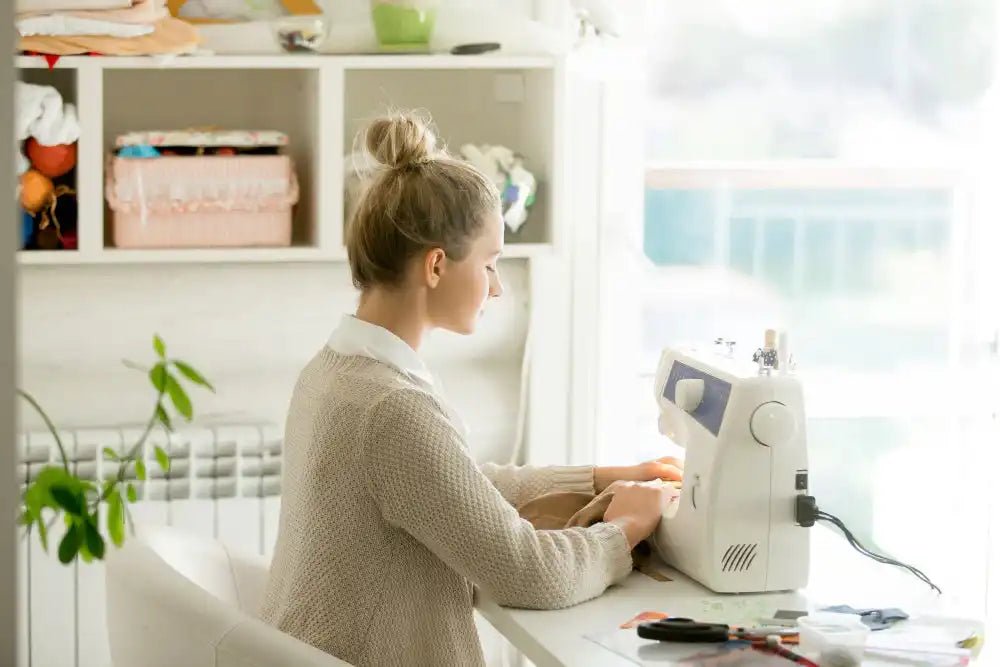
The world of sewing and embroidery has been transformed thanks to the emergence of hybrid machines. These revolutionary devices merge the precision of sewing with the creativity of embroidery, offering enthusiasts and professionals a unique tool to bring their visions to life.
This article explores the many facets of using a sewing and embroidery machine, from its essential features to its creative applications. It guides you to make the most of this versatile technology.
Understanding sewing and embroidery machines
Before embarking on creative textile projects, it is essential to fully understand how a sewing and embroidery machine works. Versatile and innovative, it not only allows you to assemble fabrics but also to add decorative patterns with precision. Here is how to distinguish sewing from embroidery. Let’s explore the main features of these machines and identify the types of textiles suitable for your creations.
Definition and essential features
A sewing and embroidery machine is a multifunction device that combines sewing and embroidery capabilities. It allows you to carry out various creative projects, from simple fabric assembly to creating elaborate decorative patterns.
Unlike standard sewing machines, the sewing-embroidery combo saves you from buying two separate devices. Thanks to the machine that allows sewing and embroidery at the same time, you save money and space while enjoying great artistic freedom for your textile creations.
Difference between sewing and embroidery
Sewing is used to join fabrics with regular stitches, while embroidery creates decorative patterns. These two distinct functions are combined in a sewing and embroidery machine thanks to specific mechanical systems.
Switching from one mode to another varies by brand. Some brands offer models with quick change, while others include a removable embroidery module. The transition is often done in a few simple steps, without complicated tools.

Types of textiles and compatible projects
The sewing and embroidery machine adapts to many fabrics: cotton for clothing, denim for durable creations, silk for delicate embroidery. You just need to adjust the needle and thread tension.
This device is capable of completing various sewing projects such as:
- Personalizing clothing with unique designs or initials via the sewing and embroidery machine.
- Making textile accessories such as cushions or decorative tablecloths with personalized embroidery.
- Making personalized gifts by embroidering original designs on bags, towels, or cuddly toys.
- Creation of embroidered patches to customize jackets, bags, or fashion accessories.
- Production of promotional products with company logos on clothing or advertising items.
From clothing to interior decorations, this machine opens up limitless creativity. You can create personalized projects, from simple everyday items to complex decorative pieces, according to your desires and skill level.
Choosing the ideal sewing and embroidery machine
Faced with the variety of available models, choosing the ideal sewing and embroidery machine can quickly become a headache. Between features, brands, and prices, several criteria must be considered to find the device best suited to your needs. Whether you are a beginner or an experienced sewer, here is how to make an informed choice based on your level, projects, and budget.
Important selection criteria
Several factors determine the choice of a sewing and embroidery machine. The size of the embroidery frame influences the size of the designs and the number of stitches available offers more creativity. Features like automatic embroidery or the quick needle change system make a difference.
|
Comparison of the main features of sewing and embroidery machines by price range |
||
|
Price range |
Included features |
Value for money |
|
Entry-level (€200-500) |
10-50 sewing stitches, 10x10cm embroidery frame, manual functionality, mechanical model |
Ideal for beginners, minimal budget, but limited lifespan |
|
Mid-range (€500-1000) |
100-200 sewing stitches, 15x15cm embroidery frame, LCD screen, USB connectivity, dual drive system |
Good balance between price and versatility for regular creative projects |
|
High-end (€1000-5000) |
300+ stitches, 20x30cm embroidery frame, HD touch screen, Wi-Fi connectivity, integrated embroidery module, automatic tension system |
Long-term investment with professional features |
|
Premium category (€5000+) |
Cutting-edge technology (e.g., 3D embroidery system), compatibility with design software, premium accessories included |
Suitable for professionals or demanding enthusiasts |
Digital technologies change the game. The new embroidery machine models feature a USB port that allows them to connect to a computer. Some Wi-Fi compatible models allow direct downloading of patterns. The integration of touch screens in current models modernizes the experience, turning sewing into a high-tech activity.
Comparison of major brands
Juki, Elna, and Janome dominate the niche and each brand has its specialty. Juki shines for its robustness, Elna impresses with its precision, and Janome surprises with its innovations.
Innovation is what separates these giants. Indeed, while Juki offers high-end models with integrated embroidery, Janome perfects its embroidery module and Elna innovates with its drive systems. These technical advances shape the daily life of the modern creator.
Options according to your level and budget
If you are a beginner in sewing and embroidery, you will have no trouble finding the beginner sewing machine that perfectly suits your needs. On the market, you will easily find high-quality models at perfectly affordable prices.
Enthusiasts opt for sturdy machines and bet on models over €1000 that offer extreme precision. Janome offers advanced functions for complex embroidery while Elna provides a wide choice of high-performance sewing machines designed for the most demanding users. Investing in these machines means buying creative freedom in the long term.

Essential accessories for your machine
To fully benefit from your sewing and embroidery machine, it is essential to equip yourself with the right accessories. From basic materials to more specific tools like embroidery hoops, suitable threads, or design software, each element plays a key role in the success of your projects. Discover the essentials to start under the best conditions and exploit your machine’s full potential.
Basic equipment to get started
Sewing and embroidery machines come with important accessories. The device is generally accompanied by practical items like needles, bobbins, and especially a sewing machine presser foot, essential for guiding the fabric and ensuring even stitches. The kit also includes needles suited for various fabrics and several bobbins for the lower thread.
Plan a budget to buy other accessories you might need to enhance your creations. Indeed, you should also get stabilizers for embroidery, special threads, precise scissors, and additional frames.
Embroidery hoops and frames
Embroidery frames vary in size. Small formats (10x10cm) are suitable for details and large formats (20x30cm) allow wide designs. The choice will depend on your project and the capabilities of your sewing and embroidery machine.
Frame compatibility depends on the brands. So, don’t forget to check the reference before buying. Universal options exist but sometimes require adjustments.
Specialized threads and software
Choose threads suited to the project. Polyester shines for its strength and cotton provides a matte finish. Your designs improve in quality with specialty threads.
Embroidery software makes motif creation easier. They connect easily to your sewing and embroidery machine via a USB key. Free or paid, they are designed to simplify every step of the design.

Maintenance and optimization of your machine
To ensure performance and longevity for your sewing and embroidery machine, regular maintenance is essential. Like any precision equipment, it requires simple but crucial actions to prevent breakdowns and preserve its working quality. We guide you step by step through routine maintenance and offer practical solutions to common problems, to optimize the daily use of your machine.
Regular maintenance recommended
Regularly clean your sewing and embroidery machine to avoid problems. When cleaning, use a soft brush or cloth to remove dust and thread residues. Then lubricate the mechanical parts with special oil. Never forget to unplug the device before starting.
Here are some problems you may encounter with a poorly maintained sewing and embroidery machine:
- Irregular stitches despite adjustments
- Needles breaking frequently
- Threads tangling or breaking often
- Unusual noises during operation
- Irregular thread tension despite adjustments
- Missed or irregular stitches
- Machine not responding to commands
To clean the bobbin of your sewing and embroidery machine, use a soft brush or a dry cloth, making sure to remove all lint and residues. Then apply a drop of special oil on the moving parts.
You might be tempted to use harsh chemicals to save time, but don’t. In fact, the components of these products can quickly damage the device. To avoid accidents, always unplug the device before cleaning.
Solutions to common problems
If the machine threads break often, fix the problem by checking the thread path, the needle, and the tension. In case of irregular stitches, clean the tension discs and the bobbin case. For tension problems, simply reset to the standard settings.
A bad needle can damage fabrics and threads, and incorrect threading causes knots. Check the quality of the thread and regularly change the needles for optimal results.
For perfect finishes, opt for the best French thread, known for its quality and exceptional strength.
A sewing and embroidery machine is your best ally for unique creations, combining practicality and precision. Choose the budget according to your needs, whether it's a Juki, a Janome, or an Elna. On Verotex, you will have a wide choice of models designed by the most reputable brands.

Leave a comment
All comments are moderated before being published.
This site is protected by hCaptcha and the hCaptcha Privacy Policy and Terms of Service apply.