
















Table of contents:
Introduction
Sewing machine tutorial: whether you are a complete novice or seeking improvement, this guide is made for you. Thanks to our detailed tutorials, you will discover how to use a sewing machine in a simple, progressive, and effective way. In a few clear steps, you will learn to tame your machine, understand how it works, and create your first projects without stress.
In this article, we directly address your needs: how to start without making mistakes, what essential settings are, how to avoid common errors, and above all, how to gain confidence. Whether you are looking for a beginner sewing guide, solutions to your blocks, or a step-by-step method, you will find here all the useful answers to learn to sew calmly.
We offer you real support with machine sewing techniques, practical lists, an explanatory chart, links to quality resources, and even visual aids. Follow this sewing machine tutorial from start to finish, and turn your creative ideas into successful projects.
Why follow a sewing machine tutorial?
Starting sewing without guidance can be intimidating. A well-designed sewing machine tutorial guides you step by step, reduces mistakes, and helps you gain confidence from your very first stitches.
Learning to sew step by step without stress
With a good beginner's sewing guide, you progress at your own pace. Each step is clearly explained, allowing you to acquire the basics without frustration.
Avoiding beginner mistakes
A sewing machine tutorial helps you identify and quickly fix them, thus avoiding wasting time or damaging your projects.
Gaining autonomy with your sewing machine
Learning to master your machine means gaining autonomy and progressing without relying on external help.
What are the basics for using a sewing machine?
Before you start sewing, it is essential to understand the general operation of your machine. This will allow you to get the most out of it.
Parts of a sewing machine
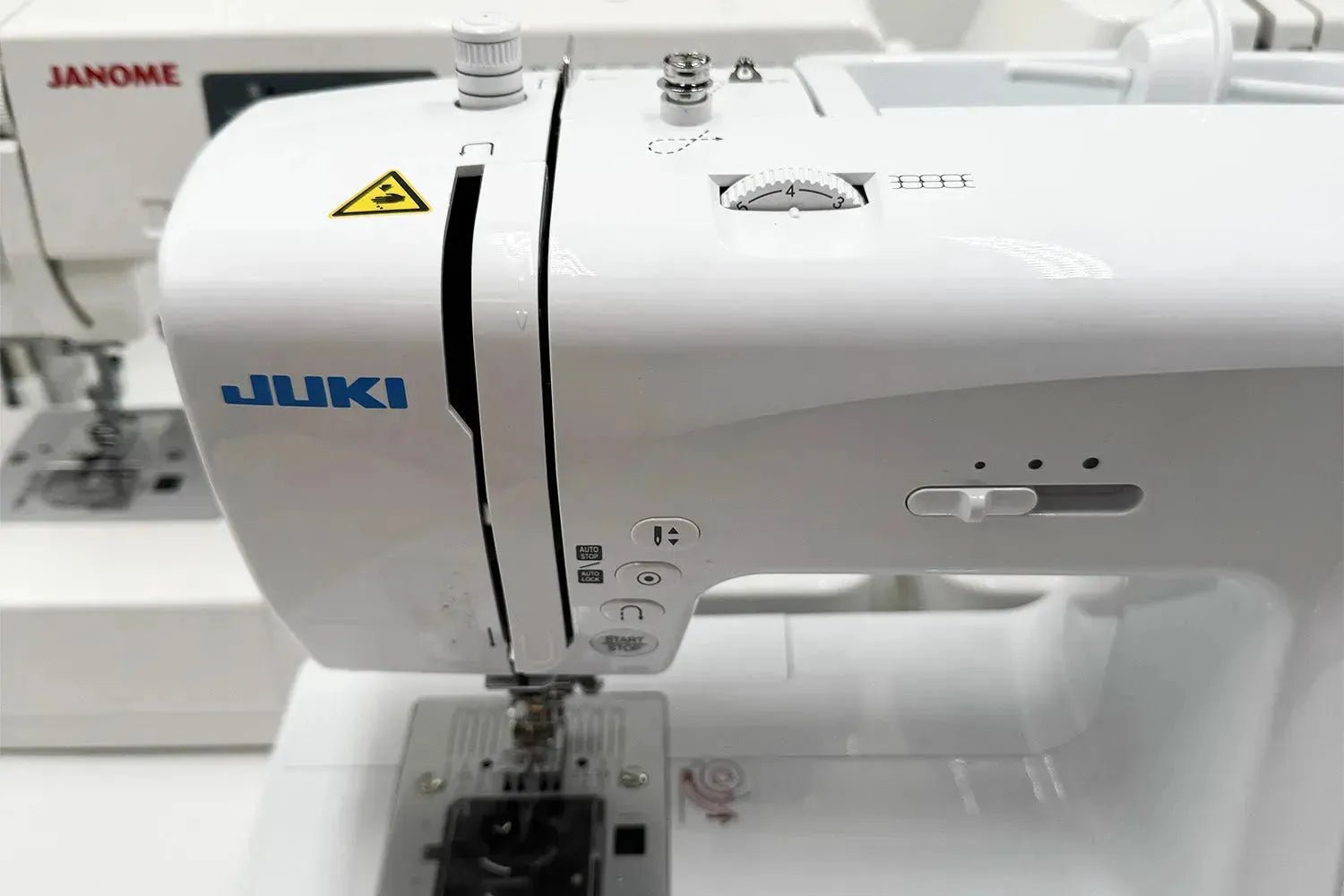
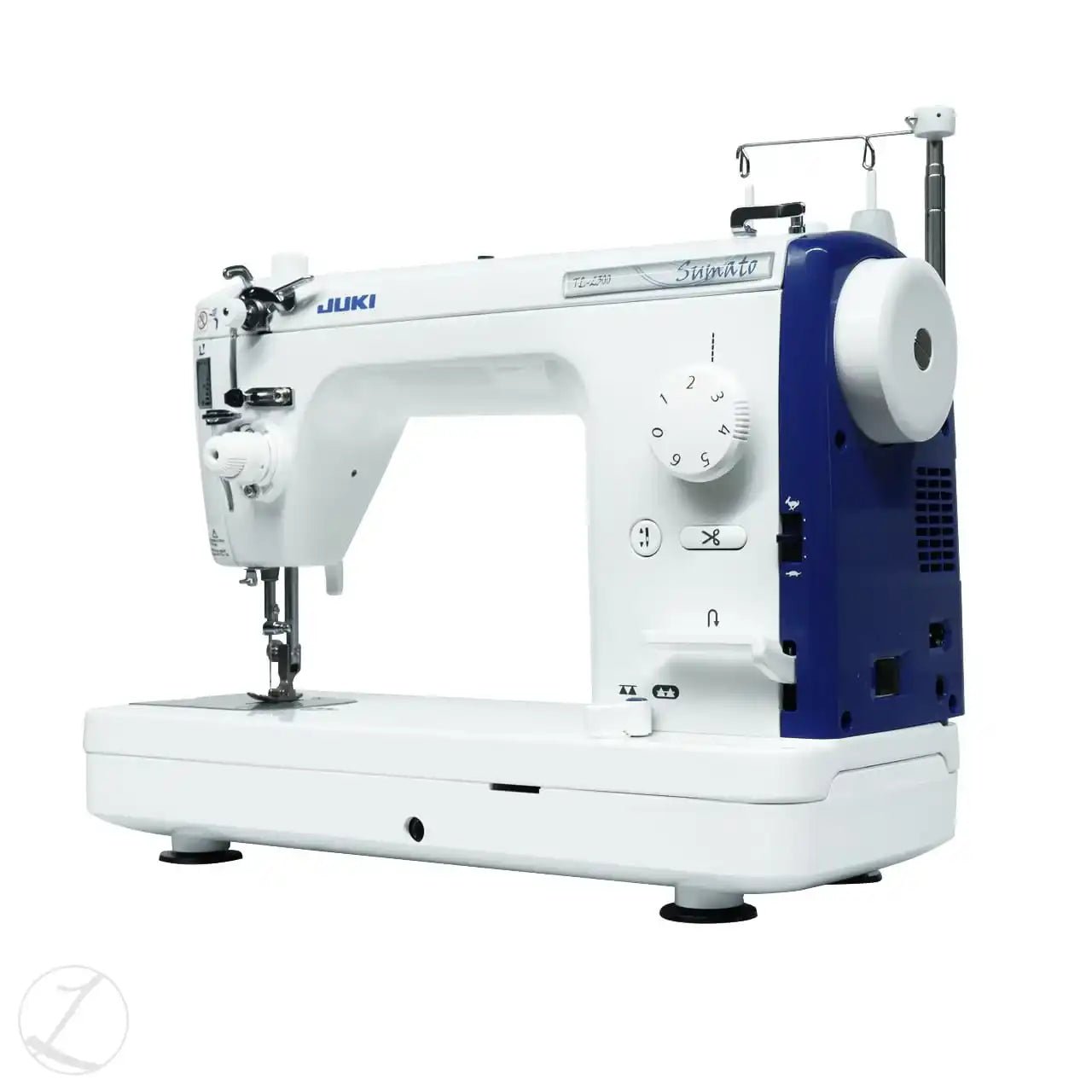
Spool, bobbin, needle, presser foot, handwheel: all these elements are at the heart of your machine.

The role of the thread, bobbin, and presser foot
The upper thread goes through the needle, the bobbin supplies the lower thread, and the presser foot holds the fabric. Proper threading ensures successful sewing.
Table: Basic functions of a sewing machine
| Element | Main function |
|---|---|
| Duckling | Feeds the bobbin thread |
| Thread tension | Regulates stitch quality |
| Presser foot | Holds the fabric during sewing |
| Needle threader | Makes threading easier |
| Stitch selector | Choose the stitch type |
How to get started properly with your sewing machine?
These first steps lay the foundation for smooth and successful sewing.
Prepare the bobbin and thread the needle
Insert the bobbin into its case, pass the thread through the upper guides, then through the needle.

Choose the right settings (tension, stitch type, speed)
Choose a straight stitch, a length of 2.5 to 3 mm, moderate speed, and balanced tension.
Make your first straight stitches
First essential steps
- Place the fabric flat
- Lower the presser foot
- Hold the fabric without pulling
- Sew slowly and steadily
What are the common problems and how to fix them?
A good sewing machine tutorial anticipates common problems and helps you solve them.
Thread breaking, jamming, irregular stitches
Often related to incorrect threading or too tight tension.
Fabric not feeding or wrinkling
Check the feed dog, presser foot adjustment, and use a stabilizer if needed.
Broken or improperly fitted needle
Troubleshooting tips
- Check the condition of the needle
- Match the needle to the fabric
- Clean the residue under the plate
- Using quality thread
Bonus for sewing machine tutorial: our free resources
Want to go further? Here are our exclusive resources.
Step-by-step explanatory videos
Videos for each key step of the tutorial, ideal for visual beginners.
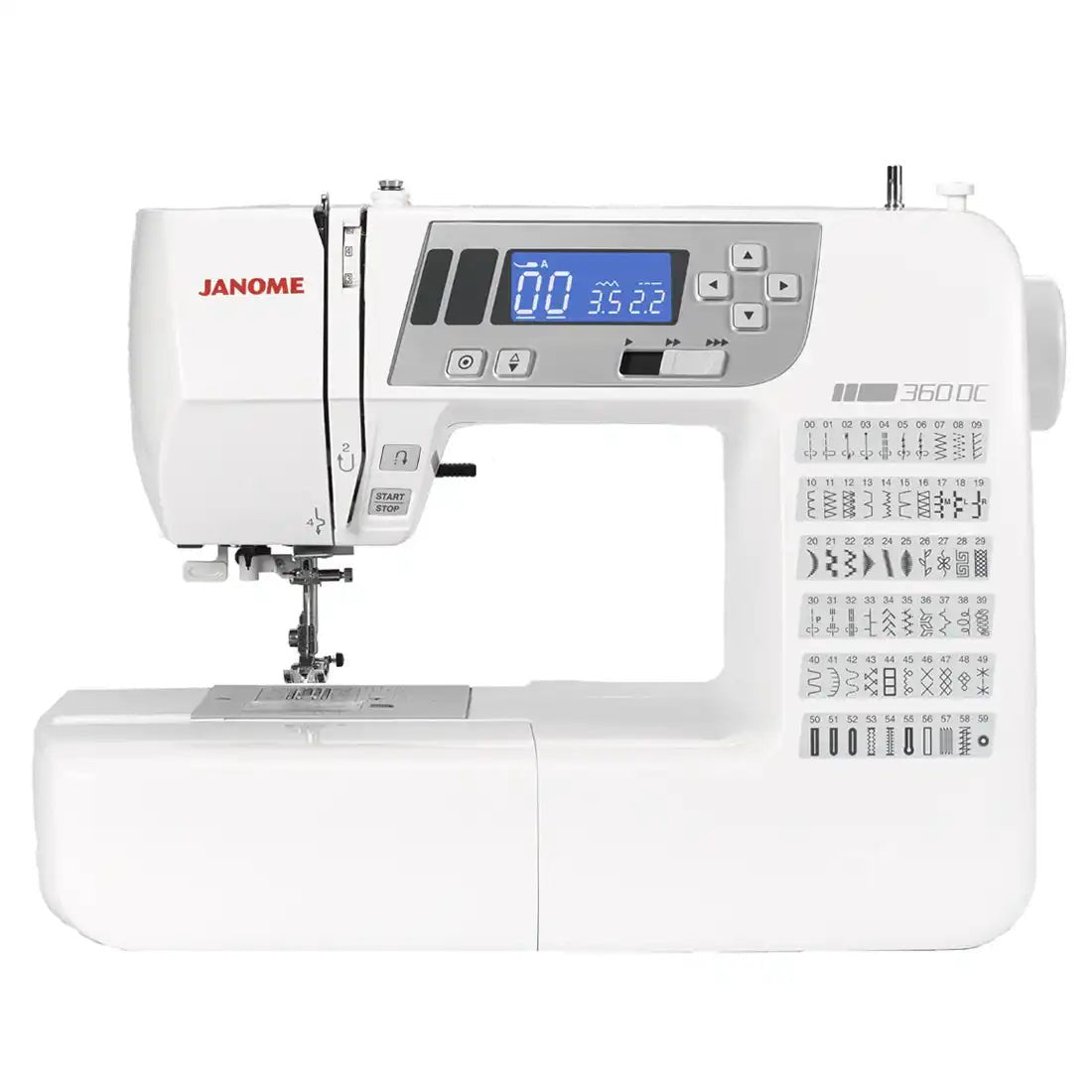
Tutorials by brand (Juki, Janome, Elna)
Specific guides for each type of machine for a personalized experience.
FAQ on the sewing machine tutorial
What is the best machine to start with a tutorial?
Simple models like the Janome 1522BL or the Juki HZL-80H are perfect.
Do you need to be good at DIY to use a sewing machine?
Not at all. Modern machines are designed for intuitive handling.
How long does it take to master the basics of sewing?
A few hours are enough with a clear sewing machine tutorial.
Where can I find free tutorials to learn sewing?
On our website in the blog and tutorials section.
Does this tutorial adapt to all sewing machine brands?
Yes, it is suitable for most home sewing machines.
Conclusion
Thanks to this sewing machine tutorial, you now have all the basics to start sewing with confidence. From threading the needle to making your first stitches, including troubleshooting common issues, each step has been designed to guide you clearly and educationally. Following a structured beginner sewing guide helps you avoid common pitfalls, progress quickly, and build confidence with your machine. Whether you use a Juki, Janome, or Elna model, these tips apply to all home machines. Don’t wait any longer to get started: grab your fabric, set up your machine, and sew your first creation today.

Leave a comment
All comments are moderated before being published.
This site is protected by hCaptcha and the hCaptcha Privacy Policy and Terms of Service apply.