



























Table of Contents:
Explore the essential world of the sewing machine bobbin with our informative guide. Discover the crucial role of the bobbin in the sewing process, how it works, and learn how to handle it properly for flawless results.

What is a bobbin?
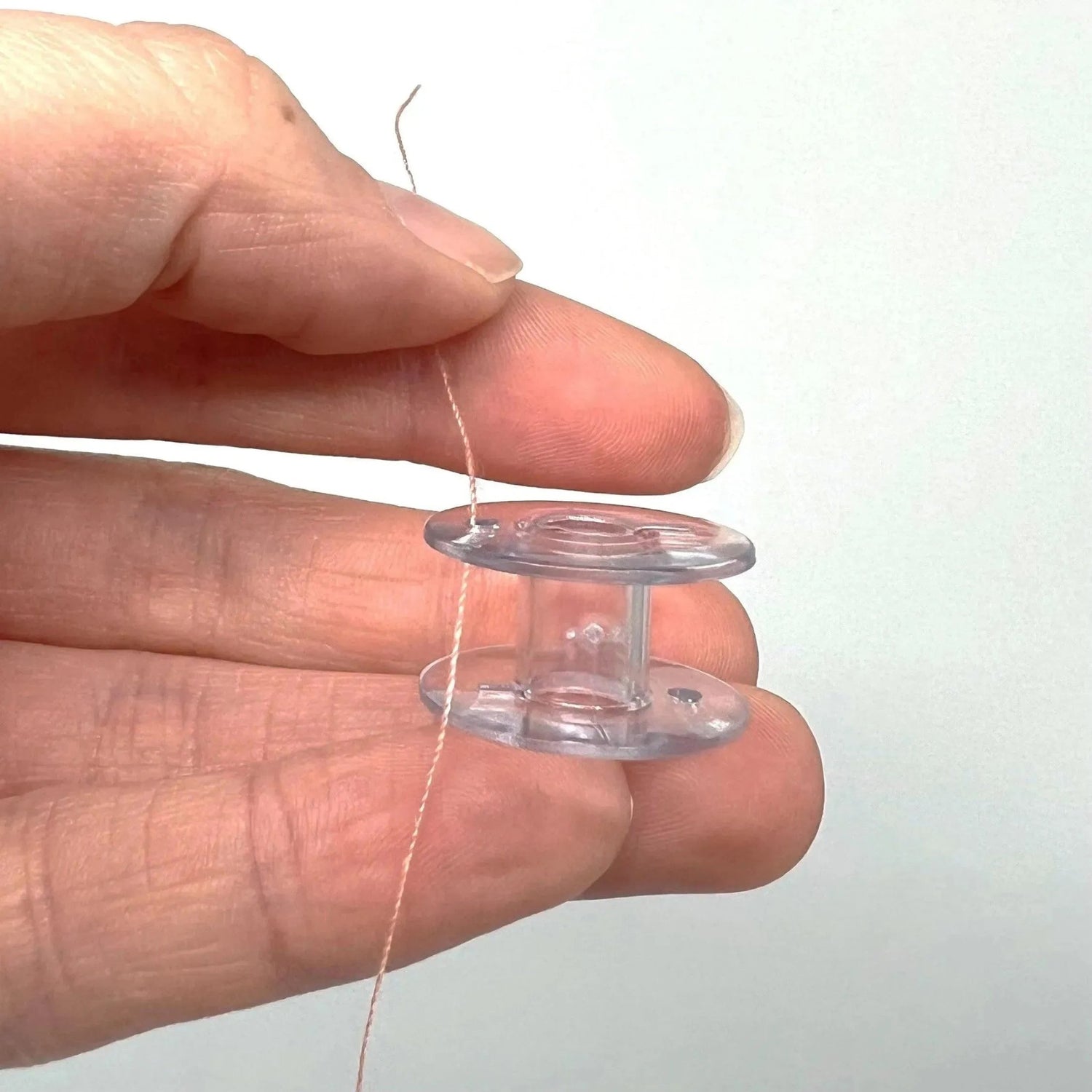
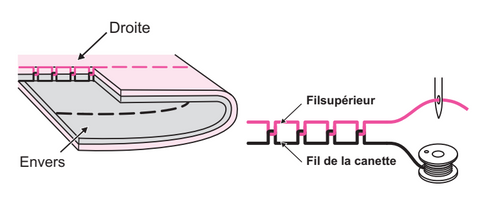
A bobbin is a small spool that fits into the lower case of the sewing machine. It is usually made of metal or plastic and is used to hold the lower thread. When the bobbin is properly inserted and loaded with thread, it forms a lower loop that interlocks with the upper thread coming from the top spool, creating a strong and even stitch.
What is the purpose of a bobbin?
The bobbin is an essential component in the operation of a sewing machine. It plays a key role in forming your stitches by supplying the lower thread that interlocks with the upper thread from the sewing machine’s spool to create strong and consistent seams.
Inserted into a suitable case beneath the needle plate, usually near the feed dogs, the bobbin allows smooth and steady thread feeding. It is often made of metal or transparent plastic, with a slot that guides the thread during insertion. This system is crucial to prevent any risk of jamming, uneven tension, or poorly formed stitches.
It is important to check the bobbin’s compatibility with your machine: each model requires a specific bobbin, and using a different type can impair proper functioning. For this, refer to the page of your user guide or the photos of the recommended model.
In practice, the bobbin rotates in its housing during sewing, synchronized with the movement of the needle and feed dogs. The spool holder feeds the upper thread, while the bobbin manages the lower thread; together, they create the loop that forms each stitch, whether straight, decorative, or reinforced.
When preparing a bobbin, it is essential to unwind the thread evenly and without excessive tension. Having a second pre-wound bobbin will save you time during your projects. Feel free to prepare several in advance, especially if you work with different colors or types of thread for a specific project.
Before each sewing session, remove the bobbin from its holder, check that it is properly threaded and spins freely. A well-placed bobbin ensures clean stitching and a neat finish.
In summary, the bobbin is a small part of the machine, but it plays a major role in the quality and reliability of your stitches. Learning to understand it, insert it correctly, and take care of it lays the solid foundation for all your machine creations!
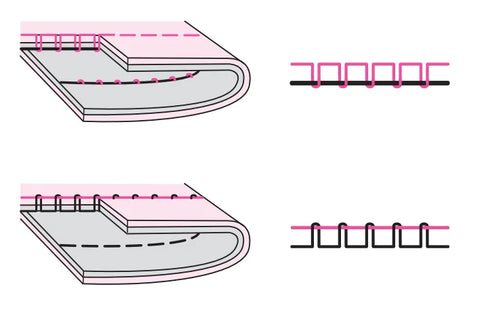
How to install a bobbin?
To install the bobbin, start by placing the bobbin into the bobbin case, usually located under the needle. This area is accessible by removing the removable tray if your machine has one. Make sure the machine needle is in the highest position by gently turning the handwheel, then insert the bobbin in the indicated direction of rotation. Pass the thread through the eye, then guide the thread through the needle plate, pulling it up to the presser foot.
Be sure to use the needle threader if needed to make threading easier. A properly installed bobbin ensures good upper and lower thread tension and will save you many headaches. Incorrect placement can cause a bobbin problem, such as loose thread or skipped stitches.
How to fill a bobbin?
To fill a bobbin, you will need a bobbin winder, built into the top of the machine, as well as your spool of thread.
Start by placing the spool of thread on the spool pin, then thread the thread following the path to the bobbin winder. Wrap the thread through the small hole in the bobbin, then place the bobbin on its spindle. Turn it to the right to lock it in place. Then press the pedal or use the designated button to start winding. Once the bobbin is full, cut the thread end, then proceed to install it.
This simple but essential operation ensures a smooth thread ready for use. To help you further, an instructional video is often available on YouTube or through the manufacturer’s resources. A good tip is to always keep a metal bobbin or a plastic bobbin handy for your tests.
Why is the bobbin important?
The bobbin plays a central role in every sewing project. It is responsible for feeding the lower thread, but also for maintaining the correct balance between tensions. A tension problem can occur if the bobbin is poorly inserted, if the spool thread is too loose, or if the bobbin is misaligned. This can directly affect the consistency of stitches, especially if the upper thread tension is not properly adjusted.
A well-adjusted tension between the top and bottom of the machine ensures a perfect stitch every time. This harmony between the thread through the eye, the needle plate, the needle bar, and the presser foot is essential for the success of your projects.
What types of bobbins exist?
There are several types of bobbins, each suited to a machine model. Plastic bobbins are lightweight, translucent, and allow you to see the remaining thread. Metal bobbins are heavier and often used in industrial machines.
It is important to choose the right bobbin compatible with your machine. A bobbin for your machine is always indicated in the manual or on the manufacturer’s specifications. A wrong choice can damage the mechanism, harm the needle plate, or jam the presser foot.
How to adjust bobbin tension?
The tension adjustment is often overlooked but is crucial for smooth sewing. If the thread tension is too tight or too loose, stitches can become uneven or break. A properly adjusted tension ensures good operation and neat stitching.
This adjustment is especially important when you change fabric type, thread, or switch from a decorative stitch to a straight stitch.
How to avoid bobbin problems?
To avoid bobbin problems, it is essential to follow a few simple rules. Use a bobbin compatible with your machine, insert it correctly into its slot to avoid a mispositioned spool, respect the direction of rotation, and maintain balanced tension between the two threads. If you notice loose thread, unusual noise, or that the stitch is not forming properly, consider cleaning the machine.
A dirty bobbin case can block the thread flow, just like a thick or poor-quality black thread. If in doubt, consult your manual or contact the brand’s technical support.

Leave a comment
This site is protected by hCaptcha and the hCaptcha Privacy Policy and Terms of Service apply.