





Table of Contents:
Dive into the world of jeans origin fabric with our comprehensive exploration of its origin, distinctive characteristics, and current trends. Learn how this iconic textile has evolved over time and get inspired to incorporate jeans into your creative projects.
What is jeans fabric?
Jeans is an iconic fabric that has stood the test of time and trends, becoming a staple in our wardrobes. Whether you are a fan of casual style or a fashion enthusiast, it is hard to deny the cultural impact and fascinating history behind this fabric. Are you familiar with its captivating story?

The history of jeans
The word "Jeans" itself has interesting origins as it comes from a cotton twill fabric called “Fustian from Genoa”; often used to make durable work clothes. In the United States, workers called their work clothes “Jeans,” named after the city of Genoa, where the fabric was originally woven.
At the time, the Republic of Genoa was known for exporting this textile, which was sought after throughout Europe. Genoese sailors were particularly known for wearing clothes made from origin jeans, as this material was durable and strong. The sails of Genoese ships were also made from this fabric. As sailors traveled and traded, jeans began to spread to other regions, gaining popularity and becoming synonymous with quality and longevity.
It is thanks to this reputation and the spread of jeans through trade that Levi Strauss, a German immigrant, chose this fabric to create his famous denim pants in late 19th century California. Levi Strauss’s pants, initially intended for manual laborers, quickly won over a wider audience, turning origin jeans into a must-have garment thanks to their quality and durability.

Thus, although the term "jeans" originates in Italy, it is thanks to Levi Strauss’s ingenuity and the growing popularity of jeans in the United States that this garment gained worldwide fame and its place in fashion history. Today, jeans remain a symbol of style, versatility, and durability, continuing the legacy of their past while remaining an essential piece in our modern wardrobes.
Now that you know the fascinating history of jeans, you are surely curious to discover the secrets of its manufacturing. Dive into the details and explore the artisanal techniques as well as modern processes that transform these raw materials into an iconic fabric. Get ready to be amazed by the innovations and key steps that contribute to the creation of origin jeans you know and love.
The making of jeans
The making of jeans is a process that combines both traditional artisanal techniques and modern technological advances to produce the durable, versatile, and timeless fabric we all appreciate.
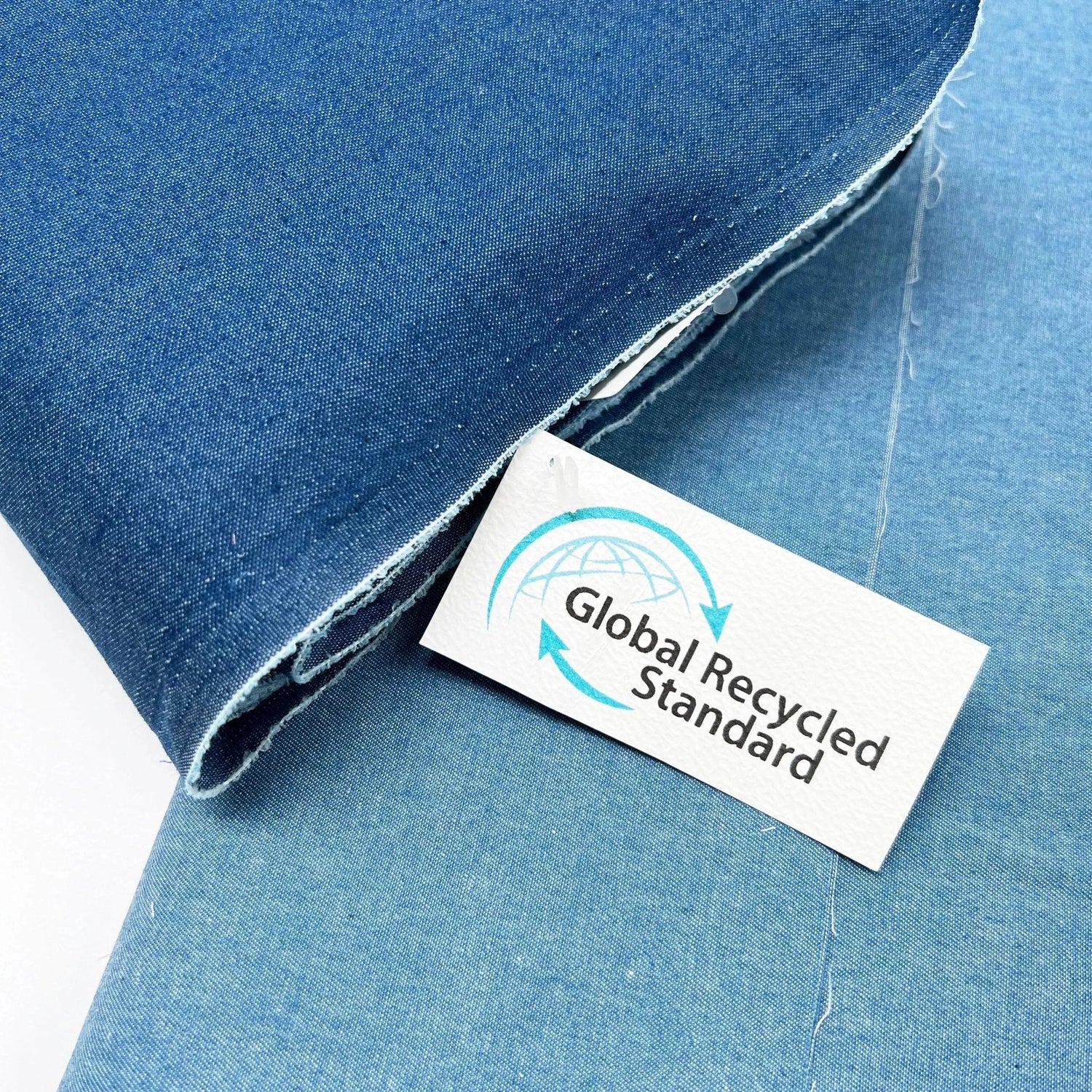
The jeans we offer are recycled, so they are labeled "Global Recycled Standard".

Denim is mainly made from cotton yarns, chosen for their strength and durability.
Spinning
Cotton fibers are carefully spun to form yarns. These yarns are then twisted together to create warp and weft threads, which are the fundamental elements of jeans fabric.

Weaving
Weaving is a crucial step where warp and weft threads are interlaced to form the fabric. Jeans are generally woven using a technique called "twill weave," which creates a distinctive diagonal texture, known as the Z diagonal effect, characteristic of jeans. To work this sturdy fabric precisely, many workshops opt to rent Juki sewing machines, thus ensuring professional quality and great reliability during production.

Dyeing
Once the fabric is woven, it is dyed to give it its iconic blue color. Indigo dye, widely used, is applied through successive dye baths. The fabric is then aired to allow the color to fully develop.

Finishing
After dyeing, jeans undergo various finishing processes to give them the desired final look. Washing, brushing, aging, and treatment processes can be used to create effects such as faded jeans, aged jeans, or raw jeans. To ensure strong and neat seams throughout these steps, the use of a Juki overlocker is often preferred by textile professionals.

Once the jeans are made, they are ready to be used in making iconic garments such as jeans, jackets, and shirts.
How to sew with jeans fabric?
Jeans fabric is versatile and sturdy, offering many creative possibilities in sewing. Whether you want to make pants, a skirt, a jacket, or even accessories, sewing with jeans fabric can seem intimidating at first. But don’t worry, in this practical guide, we will provide you with tips and tricks to help you succeed in your sewing projects using jeans fabric. Discover specific techniques, necessary tools, as well as advice for finishing and caring for your jeans creations.
Choosing the jeans fabric
Choose the ideal type of jeans fabric that perfectly matches your sewing project. Consider the weight of the jeans fabric depending on the type of garment or accessory you want to make.
Classic jeans fabric is a must-have choice for many sewing projects. Whether you prefer stretch or non-stretch, you benefit from exceptional versatility. You can create an impressive variety of garments and accessories, such as pants, jackets, overalls, skirts, dresses, bustiers, shorts, cushions, bags, and even poufs.
Also explore the endless possibilities of fine jeans fabric, whether stretch or not, for making summer clothes and trendy accessories such as shirts, dresses, skirts, flowy pants, shorts, light jackets, bags, cushions, fanny packs, and even tablecloths.

Choosing accessories
Use a suitable needle, such as a jeans needle or a good quality universal needle. We recommend sewing with Schmetz 130/705 90/14 or 100/16 needles for thicker fabrics.


Use a suitable presser foot for sewing jeans fabric, such as a denim presser foot or a walking foot. Juki machines, known for their robustness and precision, greatly facilitate this type of sewing. Don’t hesitate to lengthen your stitch length if you use reinforced stitches, like zigzag or triple stitch, to ensure seam strength.
Jeans care
Specific care instructions for our jeans to preserve their durability are detailed on the site. Origin jeans can be washed at a maximum of 30°C, dry cleaned, tumble dried, and can also be ironed at a maximum of 110°C but do not use bleach on this fabric. Avoid overloading your washing machine and turn the jeans inside out before washing to prevent excessive wear.

Sewing with jeans fabric can be a real pleasure once you master the appropriate techniques and tips. So, get your sewing machine out and start creative projects with jeans fabric!
We offer several simple tutorials on our blog if you are new to sewing, also find us on Facebook, Instagram and TikTok!


Leave a comment
This site is protected by hCaptcha and the hCaptcha Privacy Policy and Terms of Service apply.