























Table of Contents:
Corner sewing is an essential technique for achieving neat and precise finishes, particularly when making pieces for clothing, accessories, or household linens. Poorly executed sewing can result in blurry corners and misaligned seams.
In this article, discover how to sew a corner in a few simple steps and avoid common mistakes.
Why is it important to master corner sewing?
Corner sewing is used for:
- Square hems on tablecloths or napkins.
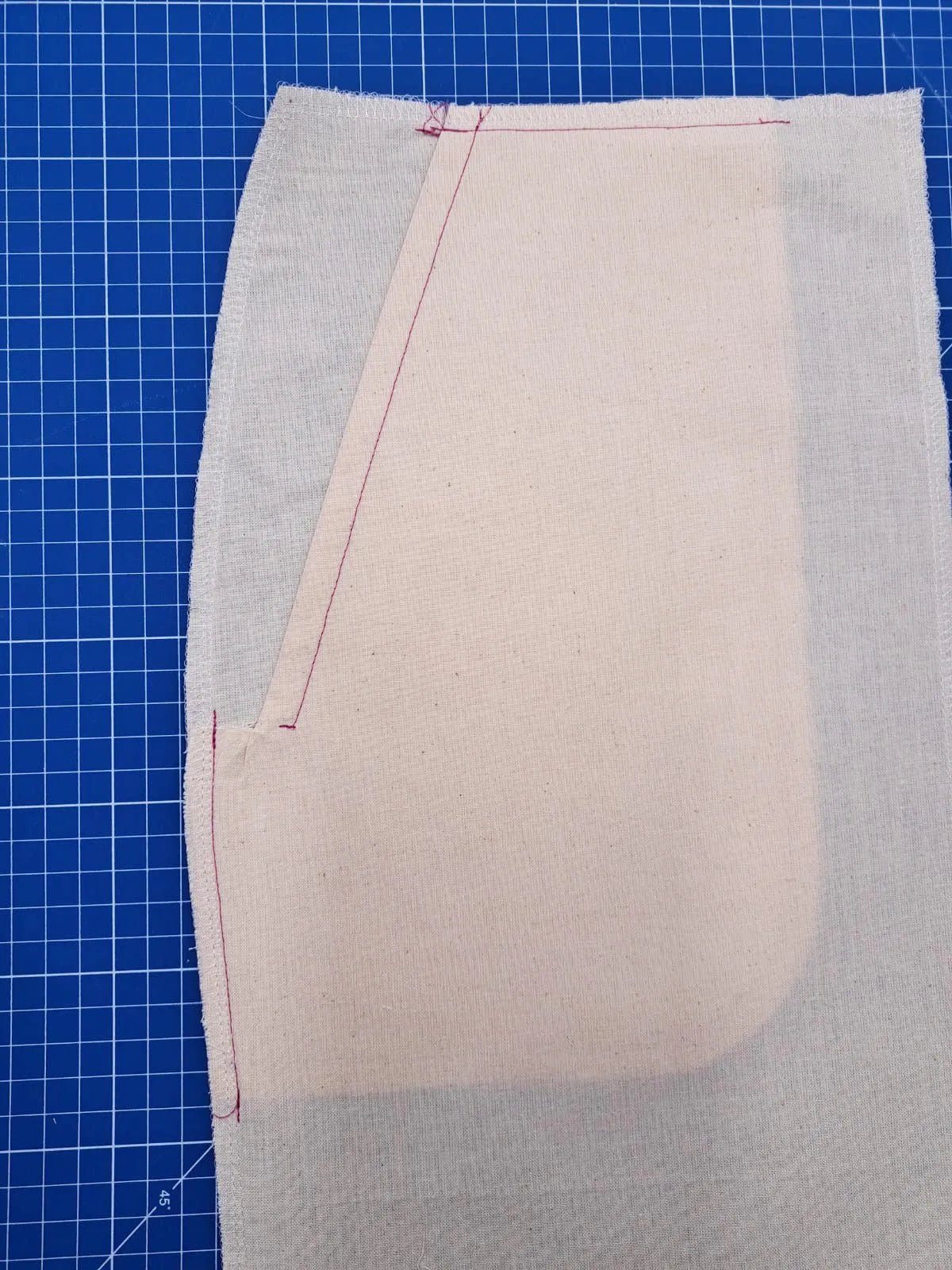
- The corners of pockets or yokes.
- Structured seams on garments, particularly at collars and cuffs.
If it is poorly executed, the corners may be rounded, offset, or misaligned, which detracts from the project's appearance.
How do you prepare the seam before sewing a corner?
Before you begin:
- Mark the seam lines using chalk or an erasable marker.
- Check that the fabric is positioned correctly and that it will not slip, especially if it is floral printed fabric, whose patterns must remain properly aligned.
- Use a standard presser foot or a special presser foot if your fabric is very thin or thick.
Accurate marking helps ensure precise stitching and perfect alignment of the pieces.
How do you sew up to the corner?

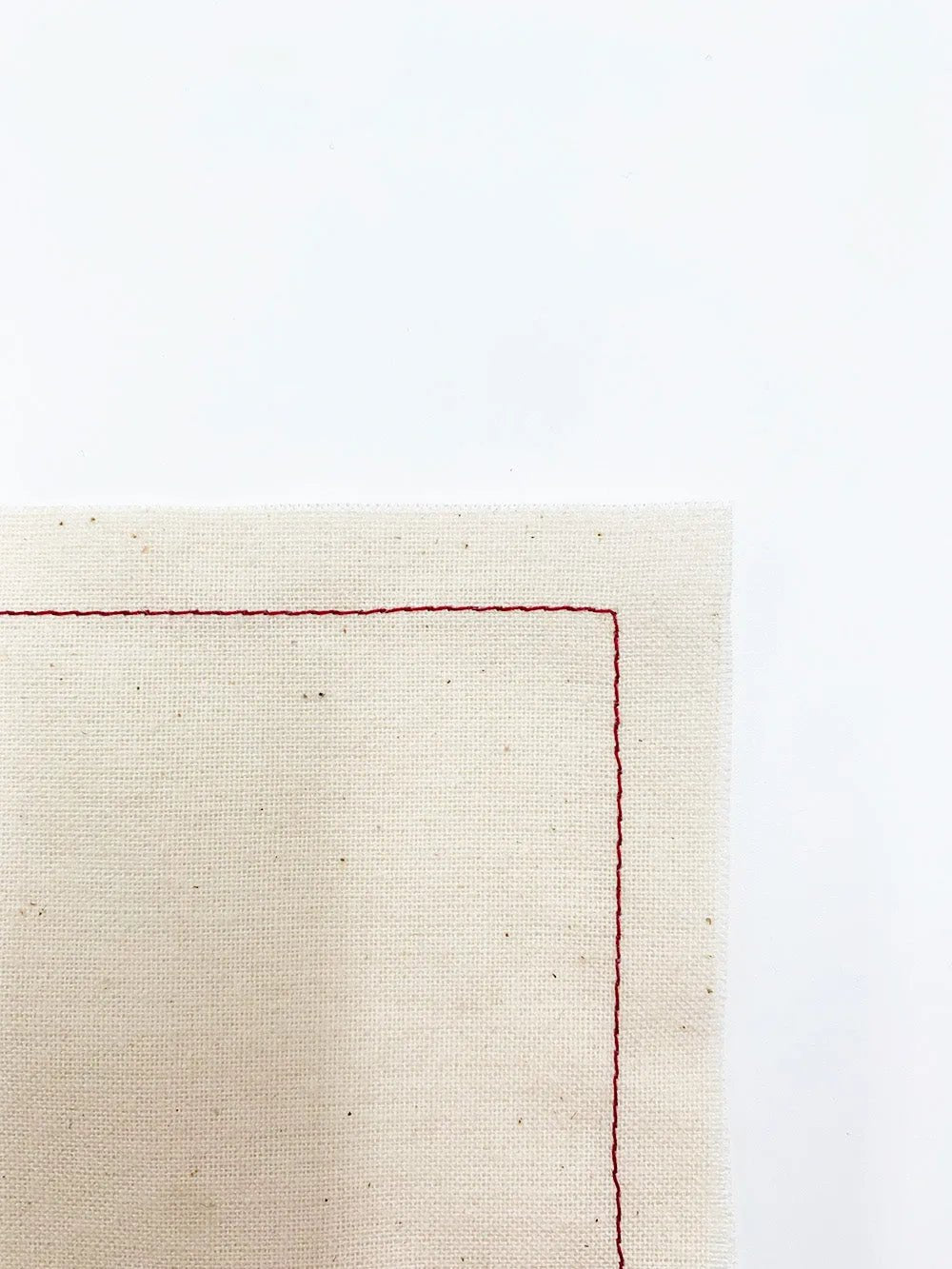
- Sew in a straight line until approximately 1 cm from the corner edge.
- Stop sewing and lower the needle into the fabric by turning the handwheel manually.
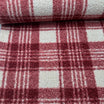
This step is particularly important when working with tartan fabric, as it helps maintain the alignment of the checks when changing direction. Lowering the needle prevents the fabric from moving and allows you to change direction without skipping stitches.
How do you pivot the fabric to change direction?

- Raise the presser foot to free the fabric.
- Pivot the fabric to the desired new direction.
With the needle inserted into the fabric, the pivot is made smoothly without shifting the stitching.
How do you resume sewing after pivoting?

- Lower the presser foot to stabilize the fabric.
- Resume sewing in a straight line to continue in the new direction.
Check that the fabric is properly aligned before continuing to prevent misalignment.

How can you create a neat, well-defined corner?
For a well-defined corner :
- Clip the seam allowances after sewing by cutting away the excess fabric at the corner.
- Carefully turn the fabric inside out and use a pointed tool (such as a stylus or knitting needle) to bring out the corner neatly.
- Press the corner gives a neat, professional finish.
How can you avoid sewing mistakes when making a corner?
- Failing to insert the needle before pivoting → This can result in a poorly defined corner or skipped stitches.
- Sewing too far before pivoting → Risk of creating a rounded corner instead of a right angle.
- Failing to align the fabric correctly after pivoting → The stitching may veer off course.
Conclusion
Corner sewing is easy to master with the right techniques and a little practice.
- Always mark the corner before starting to sew.
- Insert the needle into the fabric before pivoting to maintain alignment.
- Raise the presser foot to pivot without pulling on the fabric.
- Lower the presser foot before resuming sewing to prevent misalignment.
- Clip and press the corner for a flawless finish.
Also discover: How to sew a lovely bandana for your dog!

Leave a comment
This site is protected by hCaptcha and the hCaptcha Privacy Policy and Terms of Service apply.