
























Table of Contents:
The patch pocket is one of the most common finishes in sewing. Both practical and attractive, it suits different clothing styles, such as shirts, jackets, trousers, and aprons. It can be simple, feature a flap for a more structured look, or be rounded for a softer, more elegant finish.
In this article, discover how to make a classic patch pocket, a pocket with a flap, and a rounded pocket , with detailed techniques for an impeccable result.
How do you prepare a simple patch pocket?

Before sewing a patch pocket, it is important to properly prepare its edges to prevent fraying and make sewing easier.
- Overlock all four edges of the pocket for a neat finish.
- Shape the upper corners and hem by folding the fabric over 1 cm on each side, except for the top edge, which can be folded twice for a neater finish.
- Stitch the top hem 1 mm from the edge to hold it in place.
- Press the other edges of the pocket at 1 cm to make it easier to attach to the garment.
How do you attach the pocket to the garment?

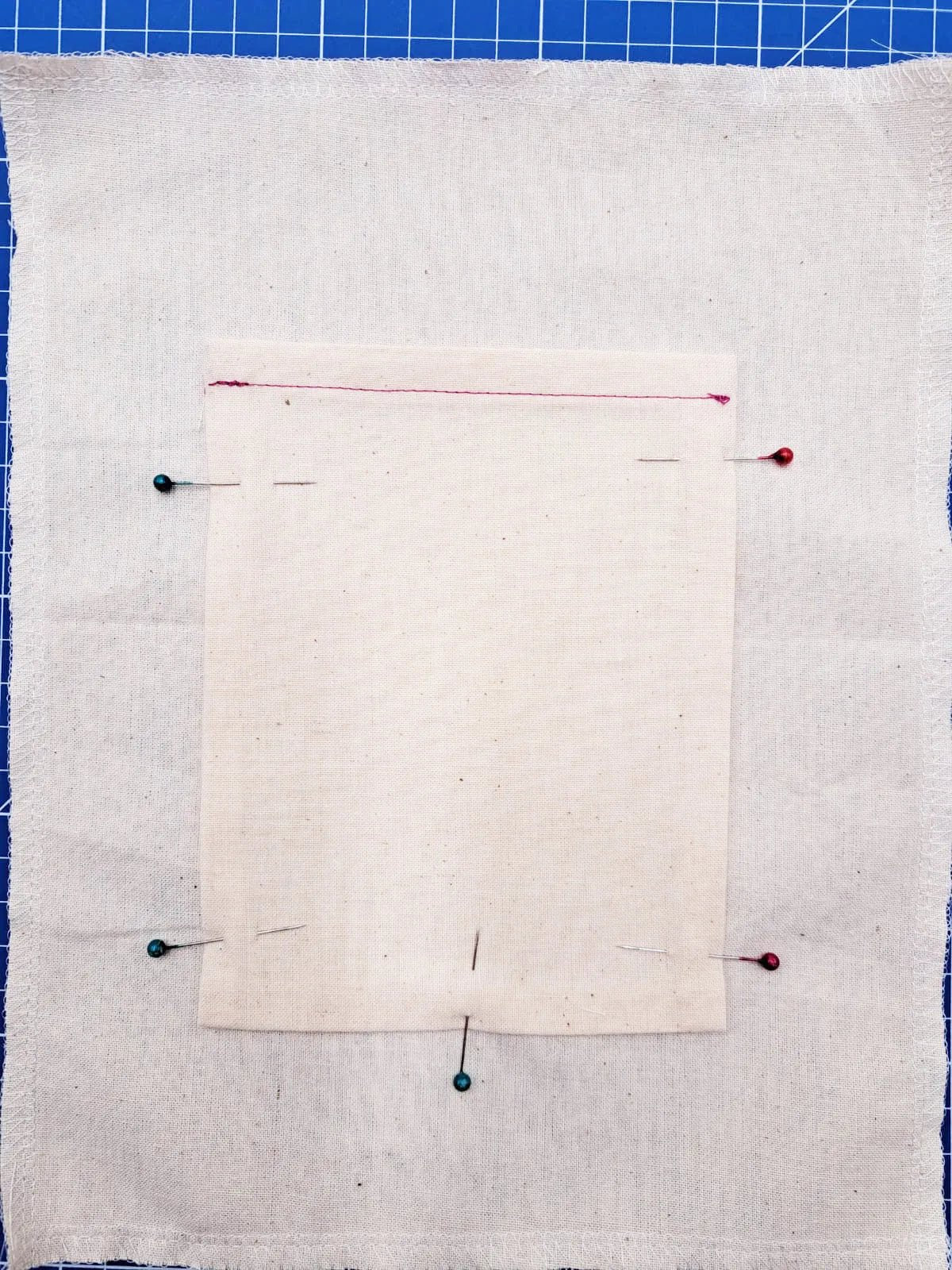
- Place the pocket on the garment , following the pattern markings.
- Pin securely to prevent any shifting during sewing.
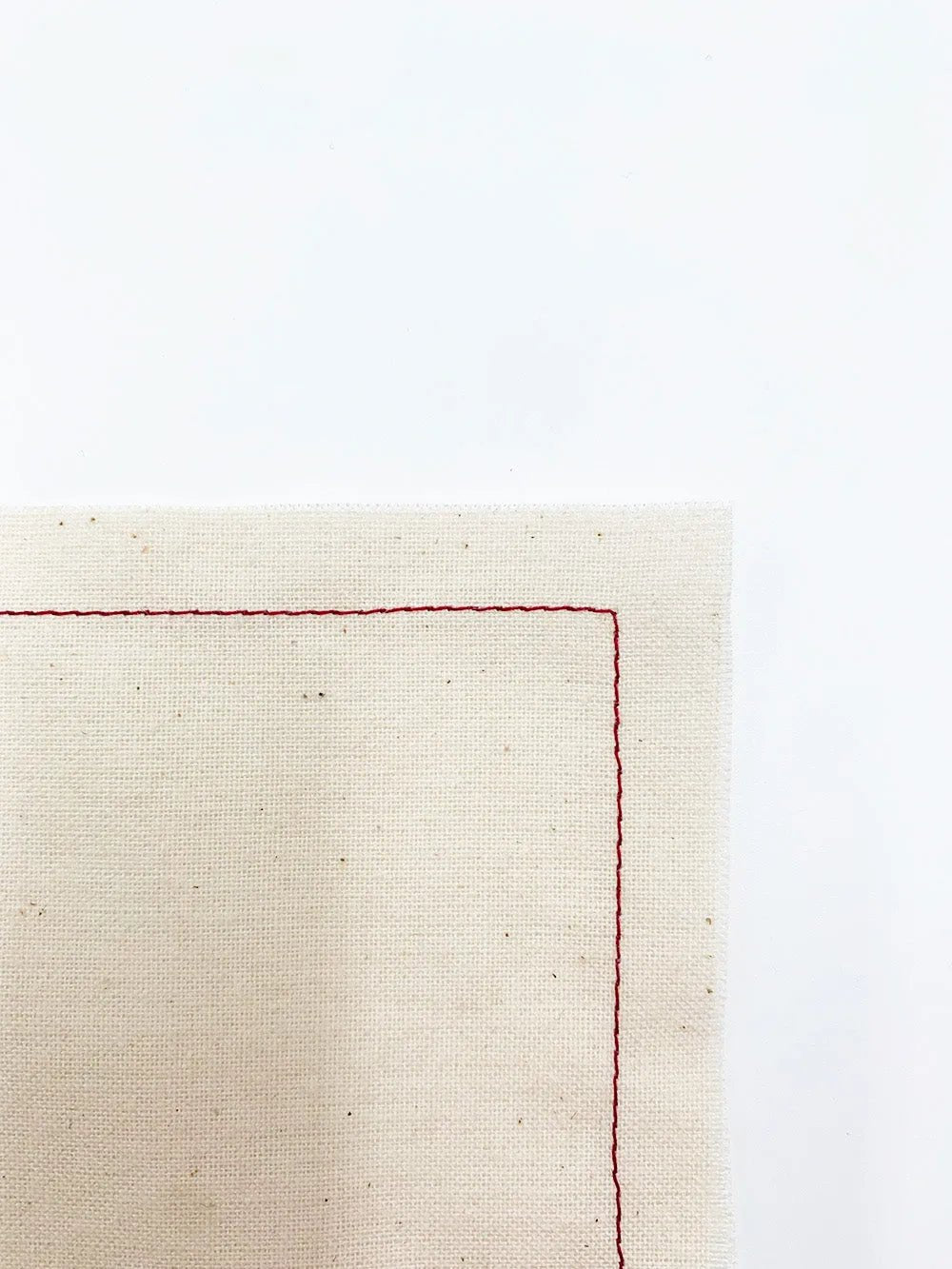
- Stitch 1 mm from the edge along the sides and bottom of the pocket, leaving the top open.
- Reinforce the upper pieces with a triangular stitch for better strength.
Tip: For better durability, an additional line of topstitching can be sewn 2 or 3 mm from the edge.
How do you sew a rounded patch pocket?
The rounded patch pocket follows the same principle as a classic patch pocket, but requires special attention to achieve a well-formed curve.
- Overlock the edges of the pocket to prevent them from fraying.
- Form the top hem by folding it at 1 cm and stitching it 1 mm from the edge.
- For rounded sides, use a cardboard template to maintain an even shape.
How do you achieve a perfect curve?


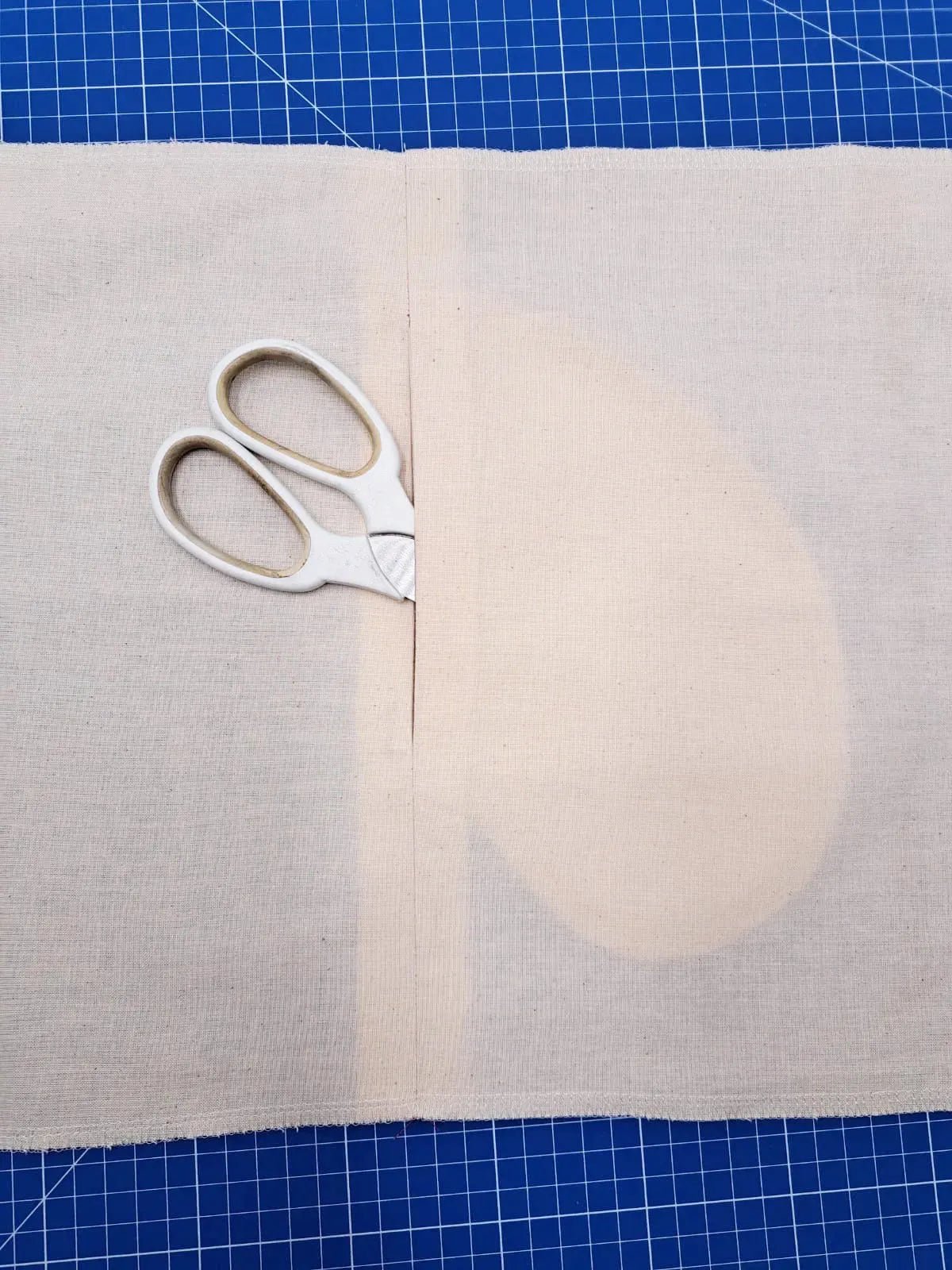
- Baste with large stitches in the seam allowance at the curve.
- Place the template inside the pocket and pull slightly on the basting threads.
- Press to set the curve , adjusting if necessary for perfect symmetry.
Thanks to this technique, the pocket retains a smooth curve without unsightly creases.
How do you attach the rounded pocket to the garment?

- Position the pocket on the garment , properly aligned with the markings.
- Pin all the way around , ensuring that the curve stays in place.
- Stitch 1 mm from the edge along the sides and bottom of the pocket.
As with the simple patch pocket, it is recommended to reinforce the upper pieces to prevent any deformation during use.
Conclusion:
Whether for a simple patch pocket, one with a flap, or one with a rounded edge, certain key steps must be followed for a perfect finish:
- Overlock and press the edges to make sewing easier and prevent fraying.
- Mark the folds and the top hem clearly for a neat finish.
- Use a template or a basting technique for even curves.
- Pin carefully before sewing to prevent shifting.
- Reinforce the key points , particularly the pieces and the flap, to ensure the pocket is sturdy.
With these techniques, your pockets will be sturdy, attractive, and perfectly suited to your sewing projects .

Leave a comment
This site is protected by hCaptcha and the hCaptcha Privacy Policy and Terms of Service apply.