




















Table of contents:
This is an essential question in sewing, both for beginners and more experienced seamstresses. Bias tape allows for neat and durable finishes on necklines, armholes, fabric edges, or decorative projects, but its application can quickly become a source of frustration: puckering bias, uneven stitching, or poorly formed corners.
If you are looking for how to sew bias tape with a sewing machine easily, without complex equipment or techniques reserved for professionals, you are in the right place. In this article, we will see how to apply bias tape with a machine step by step, with a clear and accessible bias sewing technique. Whether you want to sew bias tape easily, even without a special foot, or understand the most common mistakes, you will find concrete solutions here.
The goal is simple: to teach you how to sew bias tape with a sewing machine neatly, achieve even finishes, and gain confidence in all your projects. Necessary materials, step-by-step method, tips for corners, and practical advice: everything is gathered to successfully apply bias tape, even if you are a beginner in sewing.
What is bias tape in sewing and what is it used for?
Before learning how to sew bias tape with a sewing machine, it is essential to understand what bias tape really is and why it is so widely used in sewing. This fabric strip plays a key role in the finishing and durability of projects.
Definition of bias in sewing
Bias tape is a strip of fabric cut at a 45° angle to the grainline. This specific cut gives it great flexibility, ideal for following curves without creating wrinkles. It is available ready-to-use in stores or homemade.
This controlled elasticity explains why applying bias tape with a sewing machine is an essential technique for necklines, armholes, and curved edges.
Why use bias tape instead of a hem?
Bias is not just an aesthetic choice. It offers many functional advantages that explain its success in sewing.
- Clean and durable finish
- Suitable for curved shapes
- Protection of the fabric edge
- Decorative option (contrast, prints)
Unlike a classic hem, bias tape provides a professional finish, especially on fine or difficult fabrics.
What equipment is needed to sew bias tape with a sewing machine?
Being well equipped makes sewing easier and helps avoid mistakes from the start. Fortunately, sewing bias tape easily does not require much specific equipment.
Essential equipment for applying bias tape
Here is the basic equipment needed to successfully apply bias tape with a machine:
- Bias tape (store-bought or homemade)
- A standard sewing machine
- Thread matching the bias tape or fabric
- Fine pins or sewing clips
- An iron
This equipment is more than enough to understand how to sew bias tape with a sewing machine in most projects.
Is a special foot needed to sew bias tape?
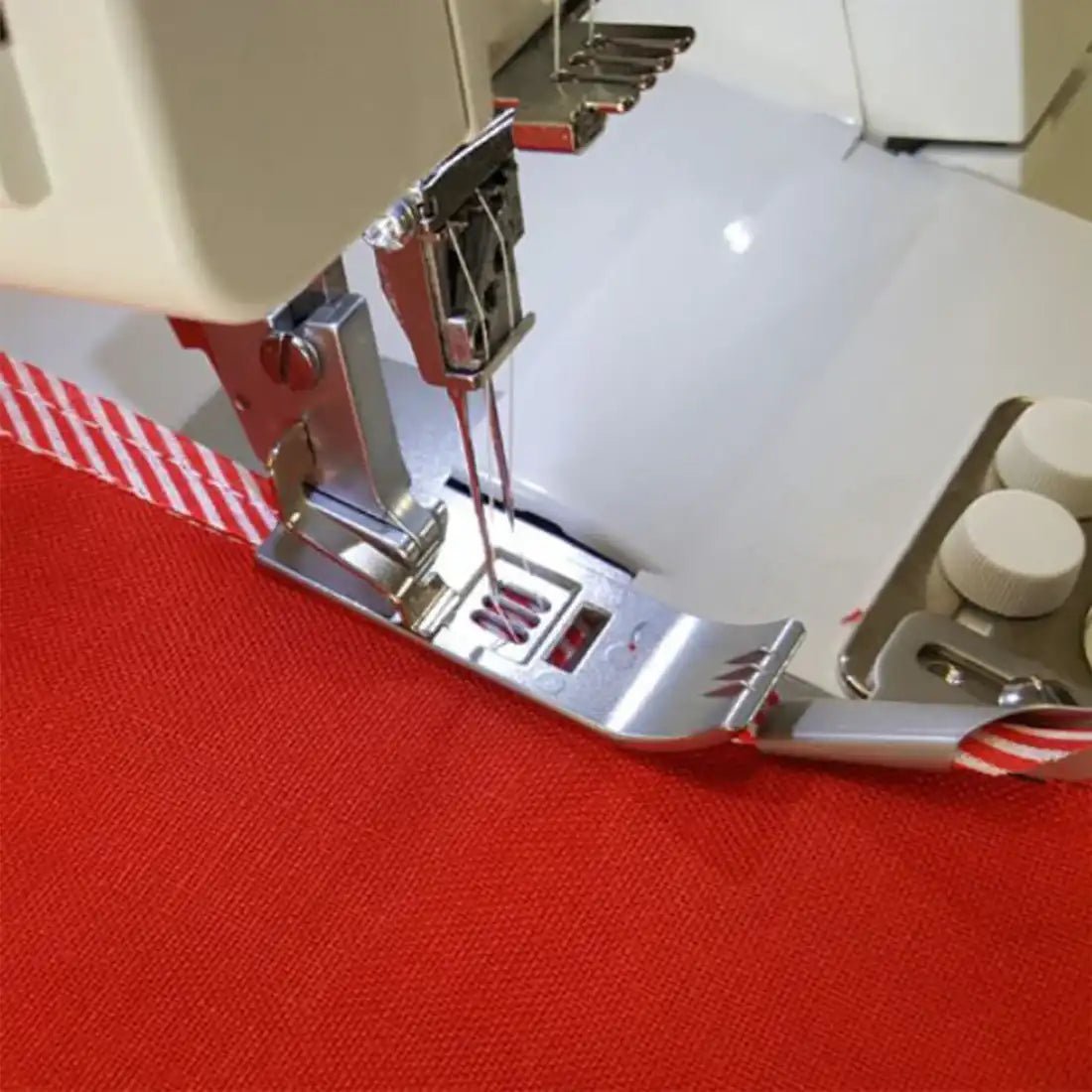
There are specific presser feet for bias tape, but they are not essential. A standard foot already allows for very good results, especially for beginners.
The bias foot can be useful to save time on long strips, but it requires more precision and practice. For beginners, sewing bias tape without a special foot is often more reassuring.

How to sew bias tape with a sewing machine step by step?
This is the heart of the matter. This simple and progressive method helps to understand how to sew bias tape with a sewing machine without stress, even on a first project.
Step 1: prepare and position the bias tape
Before any sewing, the bias tape must be properly prepared. It is recommended to lightly iron it to clearly mark the folds.
Position the bias tape right sides together on the edge of the fabric, aligning the fold of the bias tape with the edge. Pin carefully to prevent it from slipping.

Step 2: sew the bias tape with the machine
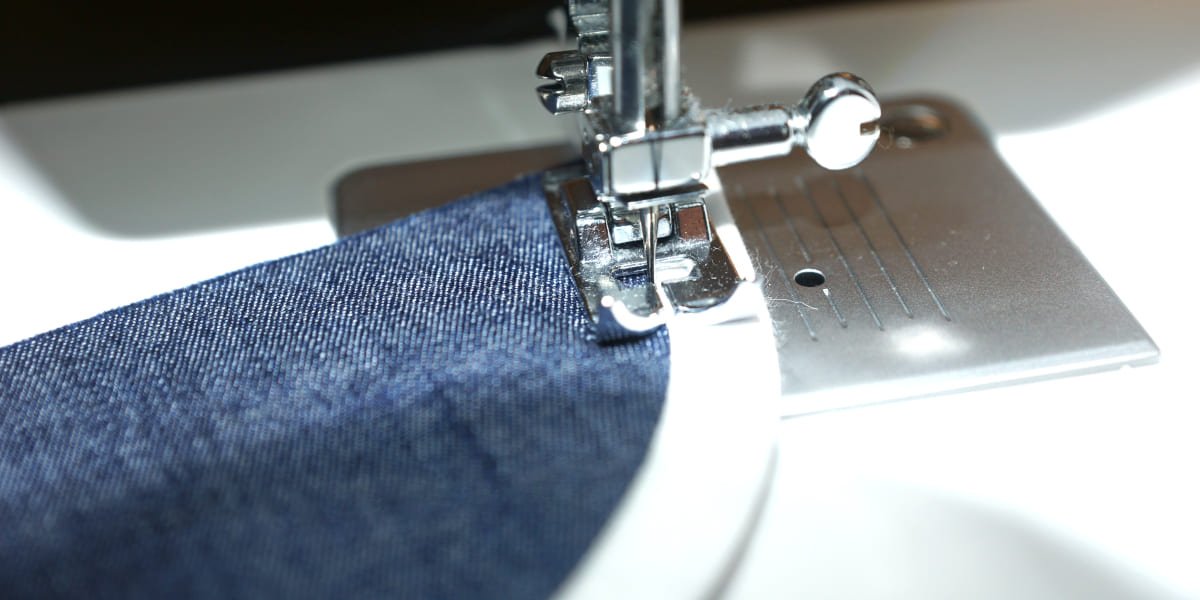
Sew slowly into the fold of the bias tape, without pulling on the fabric. A regular stitch is essential to avoid puckering.
Take your time: precision is more important than speed when learning how to sew bias tape with a sewing machine.
Step 3: fold and neatly topstitch
Fold the bias tape onto the wrong side of the fabric, then carefully iron it. Then topstitch on the right side to permanently secure the bias tape.

Here is a summary table of the key steps:
| Step | Main action | Practical advice |
|---|---|---|
| Preparation | Iron the bias tape | Well-defined pleats |
| Seam 1 | Sew into the fold | Slow speed |
| Seam 2 | Topstitch | Even seam |
How to sew bias tape on corners and curves?
Corners and curves are often feared. Yet, with a few tips, sewing bias tape with a machine becomes much easier.
Sewing bias tape at a right angle without puckering
At a corner, you need to anticipate the fold to avoid bulk. Stop sewing a few millimeters from the edge, fold the bias tape upwards, then downwards to form a sharp corner.
This technique guarantees a clean and symmetrical corner.
Successfully applying bias tape on a curve
On a curve, the bias tape must be guided without being stretched. Work slowly and adjust the bias tape as you go.
- Do not pull on the bias tape
- Reduce sewing speed
- Use more pins
- Press between steps
Common mistakes when sewing a bias tape with a machine
Even when following a method, some mistakes are common. Identifying them helps to progress quickly.
Why does my bias tape pucker?
A puckered bias tape is often the result of fabric stretched during sewing or improperly adjusted thread tension. Slowing down and pressing between each step often solves the problem.
Why is my seam not even?
An irregular seam can come from a lack of stability or approximate guidance. Using visual markers on the machine helps a lot.
Bonus for How to Sew a Bias Tape with a Sewing Machine
This section provides advanced advice to further improve your finishes.
Seamstresses' tips for a perfect finish
Experienced seamstresses apply a few simple rules:
- Always iron before and after sewing
- Test on a fabric scrap
- Adjust the width of the bias to the project
These tips make all the difference in the final result.
When to favor homemade bias?
Homemade bias is ideal when the fabric is thick, stretchy, or when you want perfect harmony. It also allows better control of flexibility.
Conclusion: successfully applying a bias with a machine
Knowing how to sew a bias with a sewing machine is an essential sewing skill. By mastering the tools, key steps, and tips for angles and curves, you achieve clean and durable finishes. With a bit of practice, sewing a bias becomes a natural gesture that immediately enhances your projects, whatever your level.
FAQ on How to sew a bias with a sewing machine
Can you sew a bias without a special foot?
Yes, a standard foot is more than enough, especially for beginners.
Which stitch to use to sew a bias with a machine?
A classic straight stitch, with a medium length, is ideal.
How to prevent the bias from slipping during sewing?
By using fine pins or clips and sewing slowly.
Should the bias always be ironed before sewing it?
Yes, ironing greatly facilitates the application and improves precision.

Leave a comment
This site is protected by hCaptcha and the hCaptcha Privacy Policy and Terms of Service apply.