












Table of Contents:
How to choose your serger is a question many sewists ask when they want to improve their finishes and gain efficiency. Between the available settings, the serger differential, threading comfort, and stitch quality, it’s not always easy to find your way without clear guidelines. Yet, choosing the right machine allows you to sew cleaner, faster, and more consistently.
In this article, we will guide you step by step to choose a serger truly suited to your practice. You will discover what a serger is for, how it differs from a traditional sewing machine, and which criteria are truly decisive when buying. Whether you’re looking for a reliable beginner serger or a more advanced model, the goal is to help you make a coherent, lasting choice adapted to your sewing projects.
With clear explanations, straightforward comparisons, and practical advice, how to choose your serger will become a thoughtful decision that supports your sewing comfort and the quality of your creations.
What is a serger for and why have one?
Before diving into technical criteria, it’s essential to understand the real role of a serger. It doesn’t replace the sewing machine but complements it by providing speed, elasticity, and professional finishes.
Difference between a serger and a sewing machine
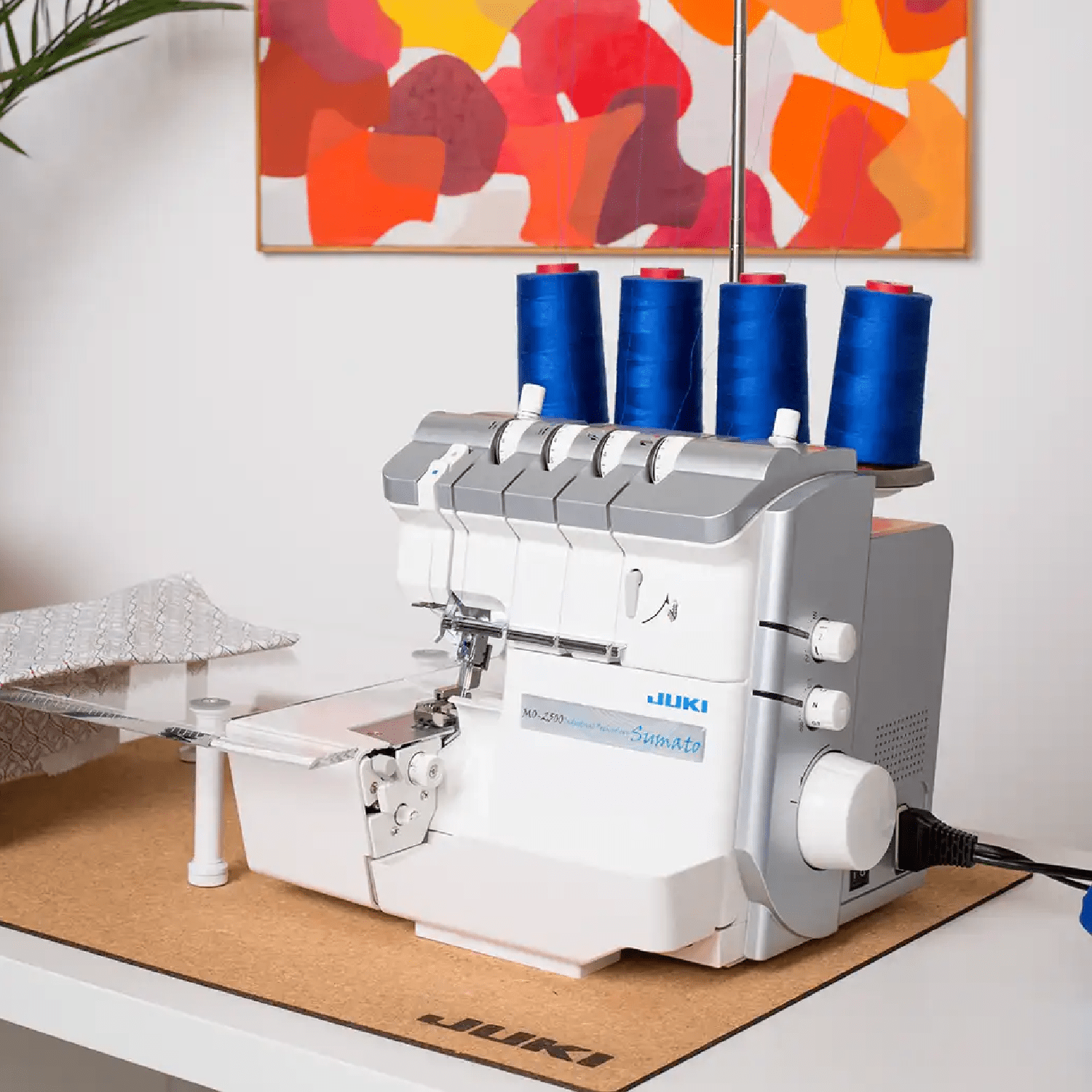
A serger works differently from a traditional sewing machine. It sews, overlocks, and cuts the fabric in one operation, which fundamentally changes how you sew certain projects.
- Cuts the fabric close to the seam
- Overlocks to prevent fraying
- Creates stretch seams
- Delivers a finish close to ready-to-wear
When is a serger really useful
The serger becomes especially useful as soon as you sew garments, jersey, or stretch fabrics. It provides real comfort and a significant time saving.
What essential criteria should you consider when choosing your serger?
To fully understand how to choose your serger, you need to think based on your actual uses. The selection criteria depend on the fabrics you work with, the desired finishes, and the comfort of use you seek.
The thicknesses and types of fabrics that the serger can sew
Not all overlockers respond the same way to thickness and layering. This criterion is fundamental if you sew a variety of garments.
- Thin and soft fabrics (jersey, viscose, lightweight knit)
- Thicker fabrics (sweatshirt fleece, fleece, light denim)
- Multiple layers stacked
- Highly stretchable fabrics
A stable and well-powered machine offers more consistency on thicknesses.
Possible finishes: 2-thread, 3-thread, 4-thread, and rolled hem
The types of finishes an overlocker can produce are a key factor in choosing your overlocker. They determine seam strength, visual appearance, and decorative or technical use.
- 4-thread overlock: strong and stretchable seam, ideal for garment construction
- 3-thread overlock: clean edge finishing without joining, used for edge finishing
- 2-thread overlock: finer and lighter finish, suitable for delicate fabrics
- Rolled hem: very fine decorative hem, perfect for soft and lightweight fabrics
- 2- or 3-thread flatlock: decorative or flat seam stitching, used on jersey or for visible effects
The flatlock stitch is especially appreciated for its decorative or technical finishes, notably in sportswear or knit projects.
The differential feed: essential depending on the fabrics sewn
The differential feed on the overlocker allows adjustment of fabric feeding. It’s essential to avoid puckering or stretching fabrics.
- Stabilizes jersey fabric
- Prevents edge waviness
- Allows handling of soft fabrics
- Offers controlled decorative effects
Manual threading or air threading: what level of comfort are you looking for?
Threading is often a decisive factor in choosing an overlocker. It directly affects the pleasure of use.
- Manual threading: more economical, requires learning
- Air threading: very comfortable and fast
- Impact on how often threads need to be changed
- Important comfort for regular use
Which overlocker to choose based on your sewing level?
The sewing level strongly influences the choice of machine. An overlocker should remain a tool for enjoyment, not a source of frustration.
Choosing an overlocker for beginners
To start, it’s best to choose a simple, reliable, and well-explained machine.
- Accessible adjustments
- Good stability
- Clear threading
- Few unnecessary functions
Overlocker for intermediate or advanced sewists
With experience, certain features become real assets for gaining comfort and precision.
The advantages of an overlocker with air threading
Threading is often one of the most dreaded aspects of a serger. Models equipped with air threading provide real ease of use, especially when sewing regularly or frequently changing threads.
With this system, the thread is automatically drawn into the loopers by an air flow, which greatly simplifies setup and reduces errors. Threading becomes faster, smoother, and much less demanding on a daily basis.
The main advantages of air threading are:
- Significant time savings when threading
- Greatly reduced technical handling
- Fewer threading errors
- Increased comfort for regular or intensive use
💡 Note: Sergers with air threading are generally found in the mid to high-end ranges. This investment is especially worthwhile if manual threading is a barrier for you or if you sew frequently.
What budget should you plan for a reliable serger?
Choosing your serger also involves considering your budget. The price of a serger varies depending on features, durability, feeding quality, and ease of use. Based on the ranges offered by a well-known brand like JUKI, there are three main machine levels, each suited to a specific use.
Entry-level serger
For beginners or occasional sewists, an entry-level serger generally offers the essentials for clean finishes without excessive complexity. These models are perfect for beginner use or simple projects. 
💡 Indicative price range for JUKI: ~€450 to ~€650
In this range, you’ll find models with basic settings, reliable feeding, and essential features without unnecessary options.
- Essential functions: 3- and 4-thread overlock
- Simple adjustments
- Good stability for common fabrics
- Ideal for jersey or lightweight cotton projects
Mid-range serger
The mid-range is generally the most versatile for most sewists. These machines offer more comfort, finer adjustments, better handling of stretch fabrics, and additional options like more stable feeding or a more intuitive threading system. 
💡 Indicative price range for JUKI: ~€700 to ~€1,000
In this category, you’ll find models well balanced between performance, comfort, and durability, suited for regular use.
- Precise adjustable differential feed
- Better cutting quality
- Improved tension and feed
- Wider finishing options
High-end serger
For intensive, professional use or more technical projects, a high-end serger offers the best experience. They are often more robust, quieter, with automatic or semi-automatic threading systems, even cleaner finishing, and better stability on multiple thicknesses. 
💡 Indicative JUKI price range: ~€1,000 and up
Machines in this category are designed for demanding sewers or those who frequently sew a variety of materials.
- Easier threading, sometimes assisted by air
- Advanced settings
- Impeccable stitch hold on thick fabrics
- Increased durability
Tips for evaluating value for money
Before buying, it’s essential to ask yourself these questions to avoid an unsuitable purchase:
- Which fabrics do you sew most often?
- Do you want a machine that’s easy to thread every week?
- How much time do you spend sewing each month?
A real comparison of models on the market (e.g., from JUKI) can guide your purchase:
👉 JUKI sergers
Bonus for How to Choose Your Serger?
This section offers practical advice to avoid common mistakes.
Common mistakes to avoid when buying
- Choosing a machine that is too complex
- Neglecting the differential feed
- Buying without considering the fabrics you sew
Sewers’ tips before getting started
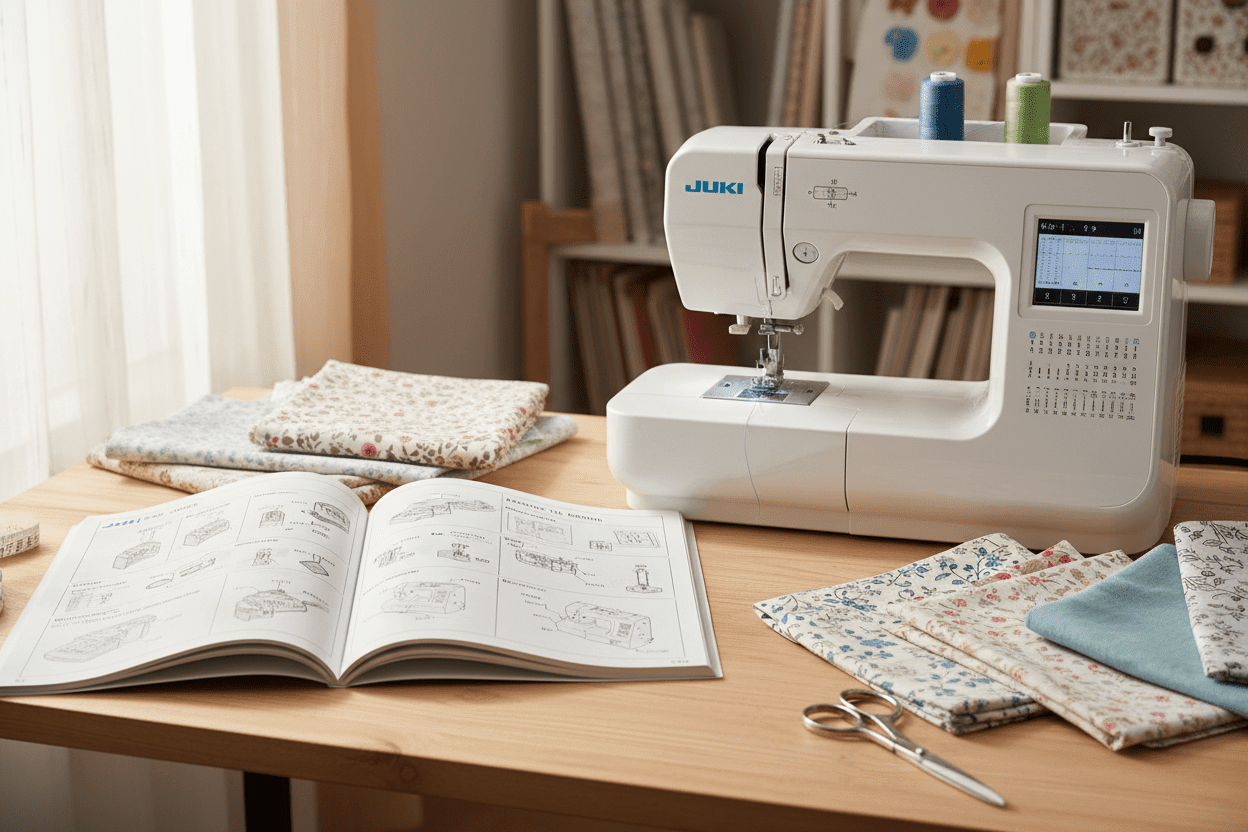
Taking the time to test, read the manual, and practice on scraps greatly facilitates getting started.
Conclusion: choose your serger well to sew with confidence
Knowing how to choose your serger helps you invest in a machine truly suited to your projects and fabrics. By considering essential criteria – finishing, thicknesses, differential feed, and ease of use – it becomes easier to make a consistent and lasting choice. A well-chosen serger improves finishing, comfort, and the overall quality of sewing projects.
FAQ on How to Choose Your Serger?
Is a serger essential when starting out?
No, but it quickly improves the finishing and sewing comfort.
Can you sew without a sewing machine using a serger?
No, the serger complements the sewing machine but does not replace it.
Does a serger replace a coverstitch machine?
No, they are two complementary machines.

Leave a comment
This site is protected by hCaptcha and the hCaptcha Privacy Policy and Terms of Service apply.