













Table of Contents:
Dive into the rich history of tartan with our detailed article, exploring the cultural significance and many uses of this iconic pattern. Discover how to incorporate the tartan pattern into your creations to add a touch of elegance and tradition.
What is tartan?
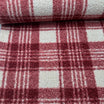
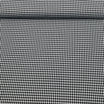
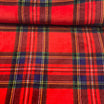
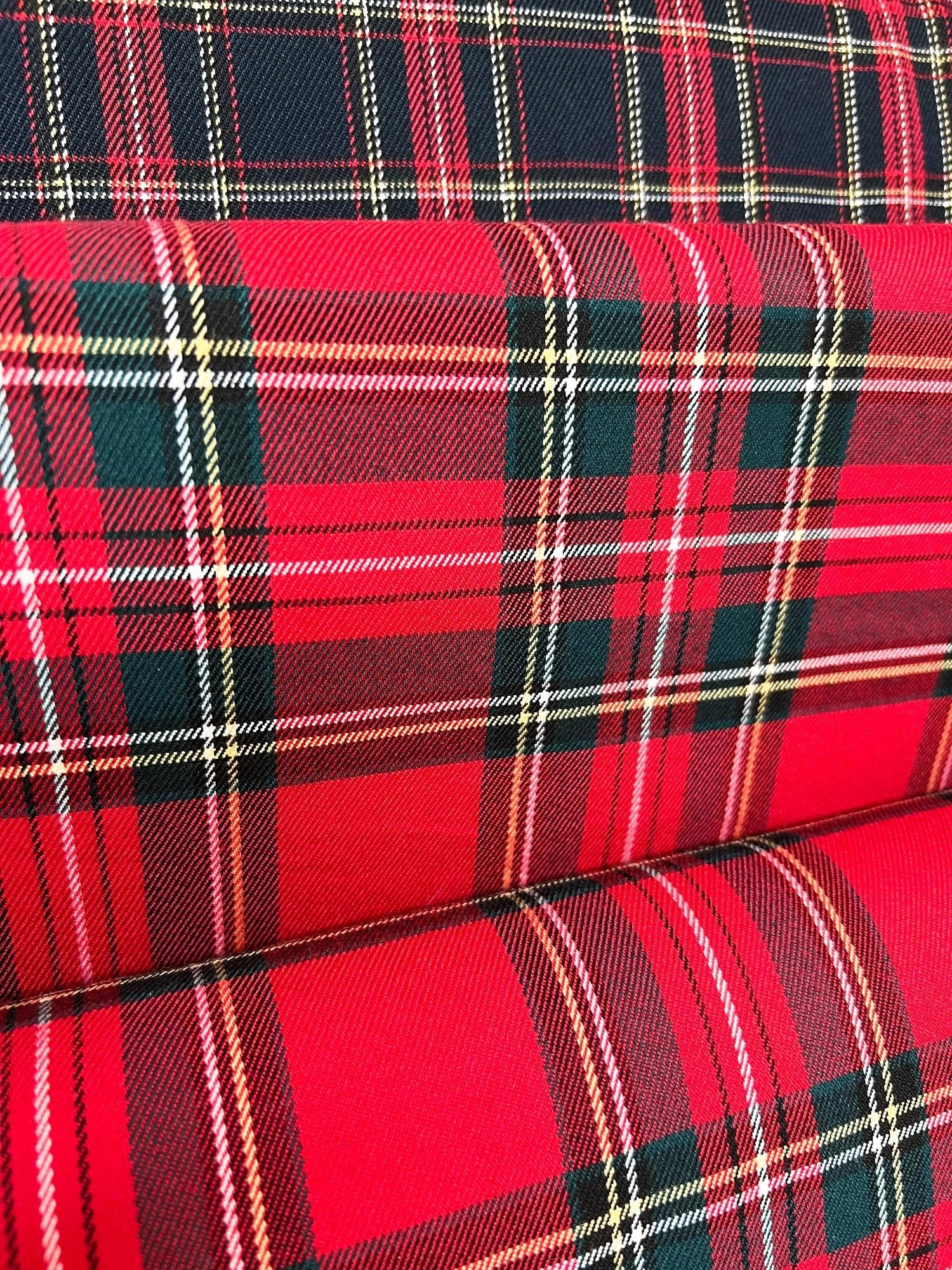
Tartan is a checked fabric pattern often associated with Scotland and its traditional culture. It consists of horizontal and vertical lines that intersect to form a variety of patterns and colors. Traditionally, each Scottish clan had its own distinctive tartan, which made it easy to recognize clan membership.
Today, tartan is widely used in fashion and decoration, bringing a touch of elegance and nostalgia to various products. Whether in clothing, accessories, or even furniture, tartan adds a timeless and authentic note to your style. To create unique projects yourself with this iconic pattern, Juki sewing machines offer professional quality and great precision, ideal for all your projects.

The history of tartan: a journey through the origins and symbols of the checked pattern
Tartan is a distinctive checked pattern with a fascinating history deeply rooted in Scottish culture. Its origins date back centuries, when it was worn by Scottish clans to identify their belonging to a specific family or tribe. Each clan had its own tartan pattern, made up of specific colors woven into a distinct checked structure.
Tartan is closely linked to the history of the Scottish Highlanders, who were known for their courage and pride. Tartan patterns were considered a symbol of identity, loyalty, and belonging to a clan. They were also used to distinguish different Scottish military regiments.
Over time, tartan has evolved and become more widely adopted outside of Scotland. It has become a popular pattern in fashion and interior design, symbolizing both classic style and Scottish heritage. Nowadays, tartan is used in a variety of products such as clothing, accessories, upholstery fabrics, and even stationery products.
Today, tartan continues to be a symbol of Scottish culture and clan pride. It is also appreciated for its versatility as a design pattern, bringing a touch of Scottish charm and tradition to various products and creations. Whether in fashion, interior decoration, or gifts, tartan offers a timeless aesthetic and a connection to a rich cultural heritage.
The making of the tartan pattern: weaving process
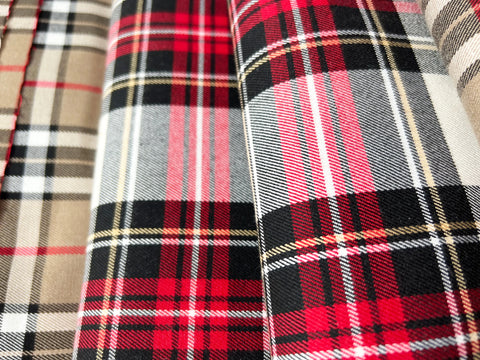
The tartan pattern is generally woven from wool threads, although other materials such as cotton, polyester, or fiber blends can also be used. The choice of material determines the weight, texture, and properties of the final tartan.
The tartan making process begins with the selection of threads in different colors. Each color represents a distinct thread that will be woven to create the squares of the tartan pattern. These threads are then carefully aligned and wound onto bobbins or spindles, ready to be used on a loom.
The loom is prepared by fixing the weft threads and warp threads, which form the base of the weaving. The weft threads are those woven through the warp threads to form the tartan squares. The warp threads, meanwhile, are held taut and vertical on the loom.
The weaver uses a specific crossing system to interlace the weft threads and warp threads, following a precise pattern. It is this crossing technique that creates the characteristic checkered pattern of tartan. Each square is formed by the alternation of weft threads passing over or under the warp threads.
The tartan weaving process requires great precision and attention to detail to achieve a symmetrical and regular pattern. Once the weaving is complete, the tartan is cut and finished according to needs, whether for making clothing, accessories, or home textiles.
The making of tartan is an art that requires time, patience, and technical expertise. It is through this meticulous process that tartan gains its beauty and distinctive appearance, reflecting the history and tradition of Scotland.
Whether for kilts, scarves, jackets, or decorative items, tartan remains a timeless and versatile choice. Its timeless pattern and connection to Scottish culture make it a symbol of authenticity and elegance.
Properties of tartan
Tartan has several properties that make it a unique and appreciated fabric. Easy to assemble and work with, it can be enhanced by neat and durable finishes, notably thanks to the use of a Juki overlocker. By combining these properties, tartan becomes a popular choice for many sewing projects, offering style, durability, and a connection to Scotland’s rich history.
Distinctive checkered pattern
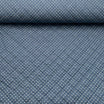
Tartan is famous for its checkered pattern, made up of interwoven horizontal and vertical lines. Each tartan pattern is unique and can be associated with a clan, region, or family in Scotland. This feature makes tartan a recognizable and symbolic fabric.
Durability
Tartan is generally made from natural fibers, such as wool, which give it great durability. It is resistant to wear and can therefore be used to create garments and items that last over time.
Warmth
Due to its composition of wool or other natural fibers, tartan provides excellent thermal insulation. It can retain body heat, making it an ideal choice for winter clothing such as coats, scarves, and blankets.
Comfort
Tartan is soft and pleasant to the touch, offering optimal comfort when worn against the skin. The natural fibers used in its manufacture allow the skin to breathe, preventing the buildup of moisture and sweat.
Versatility
Tartan can be used for a wide variety of sewing projects. It is commonly used to make clothing such as kilts, jackets, skirts, shirts, and accessories like scarves, bow ties, and bags. It is also used in interior decoration to create curtains, cushions, and throws.
Uses of tartan
Tartan offers many creative possibilities, whether for clothing, accessories, or interior decoration elements. Working with this fabric using a Juki machine allows for precise and professional finishes, ideal for enhancing your creations. Let your creativity run free and explore the different ways to incorporate tartan into your sewing projects for a result that is both traditional and trendy.
Traditional Clothing
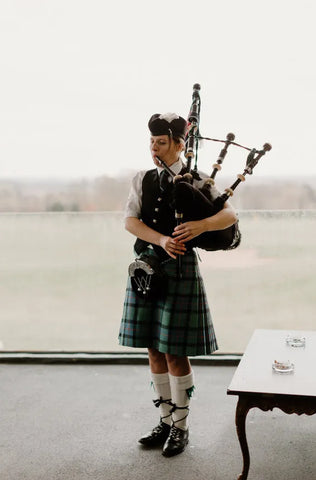
Tartan is often associated with traditional Scottish clothing such as kilts. You can sew a kilt for an authentic and elegant outfit. Additionally, you can use tartan to make jackets, skirts, pants, and shirts with a Scottish touch.
Accessories
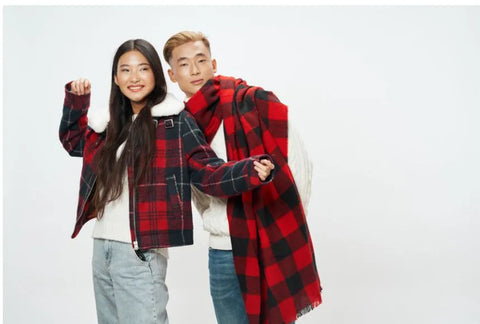
Tartan is perfect for creating unique and stylish accessories. You can sew scarves, shawls, hats, bow ties, ties, and handbags in tartan to add a touch of sophistication to your outfit.
Interior Decoration
Tartan is also ideal for adding a touch of elegance to your interior decoration. You can sew curtains, cushions, throws, and blankets in tartan to create a warm and traditional atmosphere in your home.
Patchwork
The plaid pattern of tartan is perfect for patchwork techniques. You can use pieces of tartan in different colors and patterns to create unique and colorful blankets, cushions, or rugs.
Party Clothing
Tartan can be used to sew original and eye-catching party clothes. For example, you can make evening dresses, cocktail dresses, or festive skirts in tartan for special occasions.
Children's Sewing Projects
Tartan is also suitable for children's sewing projects. You can sew dresses, shirts, shorts, or skirts for children with tartan, creating adorable and unique outfits.
Tartan Care
Caring for tartan is essential to preserve its beauty and durability. By following these care tips, you can maintain the beauty and quality of your tartan for many years. Feel free to consult the manufacturer's specific instructions for additional recommendations based on the type of tartan you have.
Washing
It is recommended to wash tartan by hand or machine, according to the manufacturer's specific instructions. Use cold or lukewarm water and a mild detergent to preserve the colors and quality of the fabric. Avoid rubbing or twisting the tartan during washing to prevent any deformation.
Drying
After washing, it is best to let the tartan air dry rather than putting it in the dryer. Lay it flat or hang it gently to avoid wrinkles and distortions. Avoid direct exposure to sunlight, as this can cause the fabric to fade.
Ironing
If necessary, iron the tartan at a low temperature, making sure to use a damp cloth or a thin fabric between the iron and the fabric to avoid damaging the fibers. Be sure to follow the manufacturer's specific instructions regarding ironing temperature. For a professional finish, you can opt for Juki ironing equipment, known for their reliability and performance in caring for delicate textiles.
Tartan is a versatile and iconic fabric that offers both style and tradition. Whether for clothing, accessories, or decoration, the tartan pattern adds a distinctive and timeless touch to your creations. Its rich history and varied patterns make it a favorite choice among fashion lovers and enthusiasts of Scottish culture. Express your style and your connection to tradition with tartan, a fabric that never goes out of fashion.
We offer you several simple tutorials on our blog if you are new to sewing, also find us on Facebook, Instagram and TikTok!


Leave a comment
This site is protected by hCaptcha and the hCaptcha Privacy Policy and Terms of Service apply.