























Table of Contents:
Discover the comfort and softness of viscose jersey, an ideal choice for your fashion creations. Dive into the features of this fluid fabric and learn how to incorporate it into your sewing projects for a result that is both elegant and comfortable to wear.
What is viscose jersey?
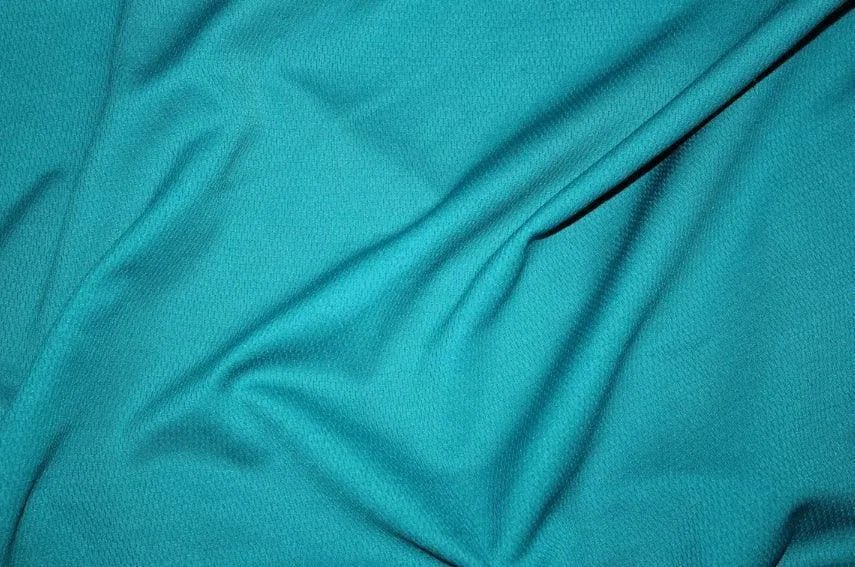
Viscose jersey is a lightweight and silky fabric made from viscose fibers, offering softness, fluidity, and comfort. Thanks to its stretchy knit structure, it fits the body perfectly and allows great freedom of movement. Its breathability and moisture-wicking ability make it an ideal choice for summer clothing, keeping the skin cool and dry. With its wide range of colors, patterns, and finishes, viscose jersey offers versatility to create comfortable and elegant outfits. However, it is important to follow specific care instructions to preserve its softness and quality over time. Viscose jersey is a versatile and pleasant fabric to wear, bringing comfort, fluidity, and elegance to a variety of garments.
The different types of jersey: versatile options for sewing
Viscose jersey is especially appreciated for projects requiring stretch and great freedom of movement. Unlike using cotton poplin, which is a woven fabric, not very stretchy but perfect for blouses, structured tops, or accessories, viscose jersey is better suited for soft, fitted, or draped pieces.
Cotton Jersey
Cotton jersey is lightweight, breathable, and pleasant to the touch. It is often used for making everyday clothing such as t-shirts, dresses, and leggings. Cotton jersey fabric offers good stretch and easily adapts to body movement, making it a popular choice for comfortable and casual wear.
French Terry
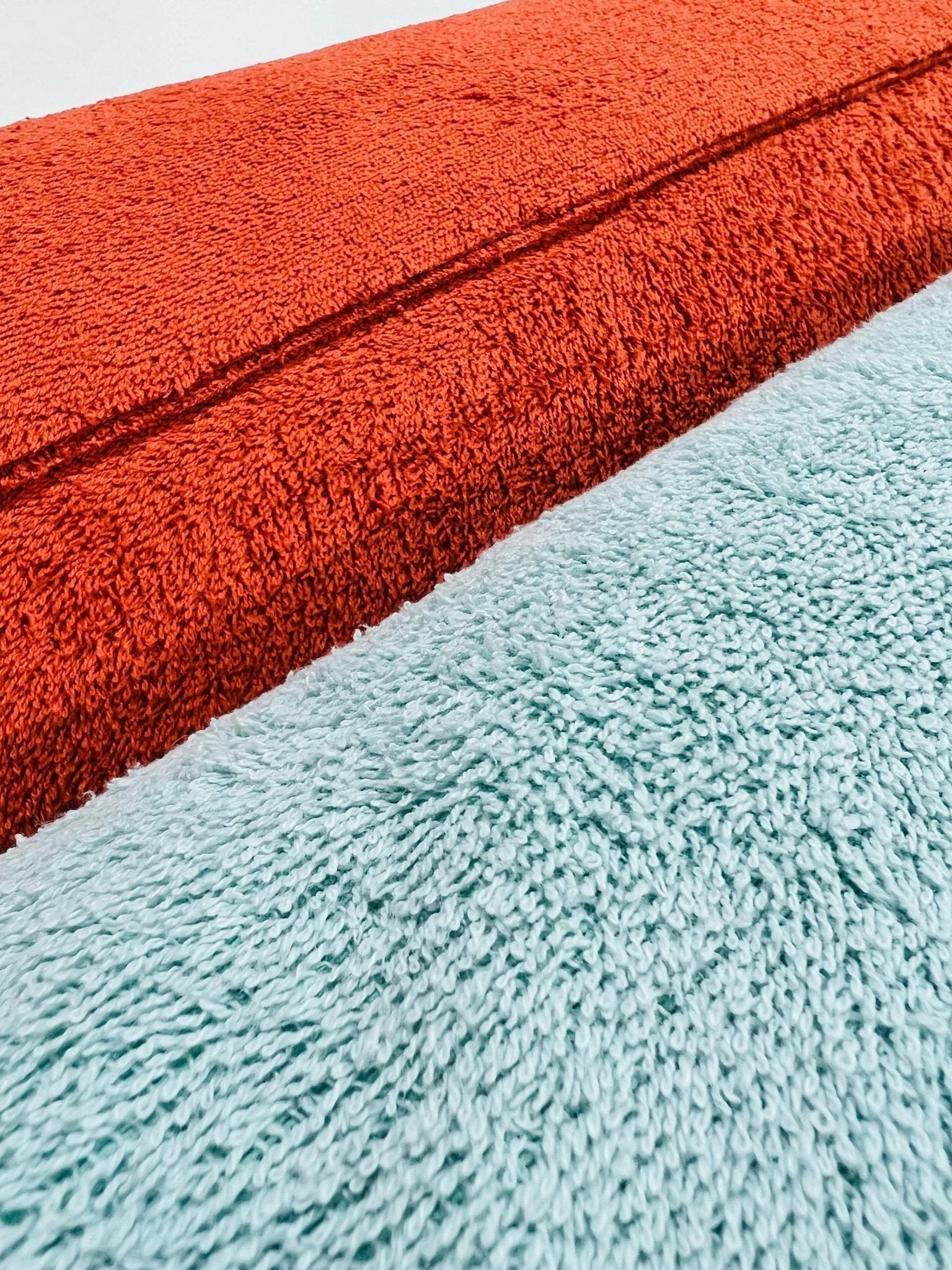
French Terry, on the other hand, has a slightly different texture. It features a smooth outer surface and a looped inner surface, which provides a feeling of warmth and comfort. French Terry is often used for sportswear, hoodies, and outerwear, offering both good thermal insulation and breathability
Polyester jersey
Made from polyester fibers, this fabric offers good elasticity and durability. It is often used in the making of sportswear, swimsuits, and athletic clothing.
Wool jersey
Composed of wool fibers, this fabric offers excellent thermal insulation and natural softness. It is often used for winter clothing, sweaters, and cardigans.
Modal jersey
Made from cellulose fibers derived from wood, modal jersey is soft, lightweight, and breathable. It is appreciated for its ability to absorb moisture and stay cool, making it a popular choice for summer clothing.
Viscose jersey
Also known as rayon, viscose jersey is made from cellulose fibers derived from wood or plants. It offers good fluidity, beautiful drape, and a silky feel on the skin.
Linen jersey
Made from flax fibers, this fabric offers great breathability and a natural texture. It is often used in the making of summer clothing, such as lightweight dresses and shirts.
A story woven with softness: the evolution of viscose jersey
Viscose jersey has a history dating back to the early 20th century, when it was developed as a lightweight and comfortable alternative to wool jersey. Viscose, also known as rayon, is a semi-synthetic fiber derived from wood cellulose. Its manufacturing process involves transforming cellulose into a filamentous material, which is then spun to create viscose yarns.
Over the years, progress has been made in the manufacturing process of viscose jersey, improving its quality and properties. Viscose offers a soft and silky texture, with great breathability and good moisture absorption. Viscose jersey is also known for its stretchability, giving it excellent drape and great ease of movement.
Viscose jersey quickly gained popularity in the fashion industry due to its versatility. It can be used to make a variety of garments, such as dresses, skirts, t-shirts, blouses, and more. Its lightness and drape make it a comfortable choice for casual wear and summer outfits. Additionally, viscose is easy to dye, allowing for a wide range of colors and patterns to suit different tastes and styles.
With its rich history and timeless appeal, viscose jersey remains a popular choice in the fashion industry. It offers not only comfort and elegance but is also environmentally friendly, since viscose is made from renewable raw materials. Whether for casual wear or more sophisticated creations, viscose jersey continues to inspire fashion designers and satisfy lovers of quality fabrics.

The making of viscose jersey: from cellulose to soft and stretchy fabric
Viscose jersey is a soft, flowing, and stretchy fabric, appreciated for its pleasant texture and lightness. Its production relies on a complex process that combines viscose fibers and a specific knitting technique.
First, viscose, a natural fiber derived from plant cellulose, is transformed into viscose yarns. These yarns are then knitted on special circular machines to form the jersey. Jersey knitting is characterized by interlocked looped stitches, which give the fabric its stretch and ability to return to its original shape.
After knitting, the fabric undergoes additional treatments to enhance its properties. It can be washed, dyed, and treated to improve its resistance to shrinking and deformation.
Making viscose jersey requires technical expertise to achieve a high-quality fabric. The choice of fibers, knitting tension, and post-knitting treatments all contribute to the texture, softness, and performance of viscose jersey.
The final result is a versatile and comfortable fabric, ideal for fitted clothing, dresses, skirts, and tops. Whether for casual outfits or more dressy pieces, viscose jersey offers the perfect combination of comfort, drape, and style. Its careful manufacturing process and unique characteristics make it a popular fabric choice in the fashion industry.
The properties of viscose jersey
Viscose jersey is a fabric appreciated for its many advantageous properties. The Viscose jersey is a versatile fabric that combines softness, stretchiness, breathability, and moisture absorption. These properties make it a popular choice for a variety of garments, such as t-shirts, dresses, skirts, and leggings. Whether for a casual outfit or a dressier look, viscose jersey offers both comfort and style.

Softness
Viscose jersey is known for its exceptional softness that provides unmatched comfort. Its soft texture gently caresses the skin, offering a pleasant and soothing sensation. The fabric is soft to the touch, making it perfect for clothing that comes into direct contact with the skin, such as t-shirts, underwear, or pajamas. Its enveloping softness creates a pleasant sensory experience, delivering a feeling of well-being and comfort throughout the day.
Silky
Viscose jersey also has a silky texture that adds a touch of elegance and refinement to garments. Its smooth and shiny appearance gives the fabric a luxurious look, lending it a chic and sophisticated style. The silky surface of viscose jersey allows it to glide gently over the skin, creating a sensation of lightness and fluidity. This feature makes it a popular choice for dressier clothing, such as evening dresses, blouses, or elegant skirts.
Stretchy
Viscose jersey also stands out for its remarkable stretchiness. Thanks to its composition and knitted structure, the fabric can stretch in all directions, offering great elasticity. This stretch property allows viscose jersey to perfectly adapt to body movements, providing optimal freedom of movement. Whether for sportswear, casual wear, or fitted clothing, stretchy viscose jersey offers a comfortable fit and a flattering silhouette.
Breathability
In addition to its softness and stretchiness, viscose jersey is also breathable. It allows good air circulation through the fibers, which helps regulate body temperature and prevents excessive heat buildup. This makes it an ideal choice for clothing worn during warm seasons or for physical activities that generate sweat.
Absorption
Another advantage of viscose jersey is its moisture absorption capacity. It can effectively absorb and wick moisture away from the skin, helping to maintain a feeling of freshness and dryness, even during intense activity periods. This property makes it a popular choice for sportswear and summer clothing.
Easy care
In terms of care, viscose jersey is generally easy to maintain. It can be machine washed with appropriate precautions, such as using a delicate cycle and a mild detergent. It also tends to retain its shape and softness well even after several washes, making it a durable fabric.
Uses of viscose jersey
Viscose jersey offers many creative possibilities in sewing thanks to its versatile properties. Whether for casual wear, nightwear, or accessories, viscose jersey combines softness, fluidity, and stretch for creations that are both comfortable and elegant.
Clothing
In terms of clothing, viscose jersey can be used to make light and flowing dresses, comfortable t-shirts, flattering skirts, and fitted pants. Its softness and flexibility allow viscose jersey garments to fit the body harmoniously, offering optimal comfort.
Nightwear
Viscose jersey is also highly appreciated for making nightwear such as pajamas, nightgowns, and dressing gowns. Its soft and lightweight texture creates a pleasant feeling on the skin, making it an ideal choice for relaxing and resting.
Accessories
Regarding accessories, viscose jersey can be used to make lightweight scarves, hats, headbands, and snoods. Its flexibility allows for creating comfortable accessories that add a stylish touch to an outfit.
Caring for viscose jersey
Caring for viscose jersey is relatively simple, but it requires some precautions to preserve its properties and durability. It is also recommended to follow the specific instructions from the manufacturer found on the care label of the viscose jersey garment. This will ensure proper care and extend the life of your fabric.
Washing
It is recommended to wash viscose jersey by hand or in a machine on a delicate cycle. Use cold or lukewarm water and a mild detergent specially designed for delicate fabrics. Avoid using bleach or products containing bleach, as this can damage the fibers.
Drying
To dry viscose jersey, it is best to lay it flat or hang it gently to avoid deforming it. Avoid twisting or wringing it vigorously, as this can cause permanent creases or alter its shape. Also avoid drying it at high temperatures, as this can cause shrinkage or fabric distortion.
Ironing
If necessary, iron viscose jersey at a low temperature, preferably using the steam function. Be sure to protect the fabric by placing a thin cloth or ironing cloth between the iron and the jersey. Avoid ironing directly on the seams, as this can flatten and distort them.
Viscose jersey is a versatile and popular fabric known for its many qualities. Its softness, silky texture, and stretch make it a comfortable and pleasant choice to wear. Its ability to hug the body's shape offers great freedom of movement, making it ideal for fitted clothing or casual outfits. Additionally, its moisture absorption and breathability make it suitable for warmer climates. With a wide range of colors, patterns, and styles available, viscose jersey offers countless possibilities for creating stylish and trendy garments. Whether for dresses, t-shirts, skirts, or cardigans, viscose jersey is a versatile choice that combines comfort and style.
We offer several simple tutorials on our blog if you are new to sewing, and you can also find us on Facebook, Instagram, and TikTok!

Leave a comment
This site is protected by hCaptcha and the hCaptcha Privacy Policy and Terms of Service apply.