











Table of Contents:
Explore the timeless charm of the gingham pattern with our guide on its iconic use. Discover creative ideas to incorporate this classic pattern into your sewing projects and reveal the elegance of gingham in every creation.
What is gingham?
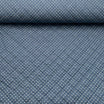
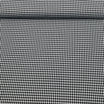
Gingham is a checkered pattern recognizable by its regular lines and retro look. It takes its name from the French city of Vichy, where it was said to have been popularized in the 19th century. Traditionally, gingham consists of checks of the same size and contrasting colors, most often in pastel tones. This pattern is often associated with a vintage aesthetic and recalls summer picnics and light outfits. Today, gingham is used in many fields, from fashion to interior decoration, as well as accessories and creative arts. It brings a touch of freshness, softness, and nostalgia to many creations.
The history of the gingham pattern: from summer picnics to timeless fashion
The gingham pattern is a classic and timeless design that evokes images of summer picnics, vintage dresses, and a retro aesthetic. Its origin dates back to the 19th century, when the pattern was popularized in the city of Vichy in France. Originally, gingham was a lightweight cotton fabric with a regular checkered pattern, usually in soft color combinations like red and white, blue and white, or pink and white.
The gingham pattern has grown in popularity over the years and has become iconic of summer fashion and light clothing. It has been worn by many style icons, including Brigitte Bardot and Audrey Hepburn, which has contributed to its timeless status.
Today, the gingham pattern remains very popular in the fashion industry. It is used in a variety of clothing and accessories, such as dresses, blouses, skirts, swimsuits, and even home decor items. Its association with moments of relaxation, lightness, and conviviality makes it a popular choice for summer outfits and festive events.
Gingham is a timeless pattern that transcends fashion trends. Its rich history and charming aesthetic make it a classic choice for those looking to add a retro and elegant touch to their wardrobe or decor. This pattern is also ideal for creative projects like a dog bandana tutorial, bringing a vintage and stylish note to your handmade accessories. Whether for a sunny day at the park or a special occasion, the gingham pattern continues to capture our imagination and remind us of the simple joys of summer life.

The artisanal making of gingham: from weaving the checks to elegance
The making of gingham is a complex process that gives rise to this iconic checked fabric. It all starts with selecting high-quality threads, usually cotton, which will serve as the base for weaving gingham. The choice of threads is essential to achieve the soft texture and durability needed for this type of fabric.
Once the threads are selected, they are dyed in the specific colors of gingham. Traditional colors include combinations of bright and contrasting colors, such as red and white, blue and white, or pink and white. The dyeing process can be done using natural or synthetic dyes, depending on the manufacturer's preferences.
Once the threads are dyed, the weaving of gingham can begin. The loom is prepared by adjusting the threads according to the desired check pattern. Gingham is woven with a regular check pattern, characterized by alternating colored squares. This involves crossing the weft threads with the warp threads to create the distinct squares of gingham.
After weaving, the fabric undergoes a finishing process to give it its soft texture and smooth appearance. This may involve treatments such as brushing, scraping, or polishing, depending on the desired result. These treatments help soften the fabric fibers, eliminate irregularities, and give it a neat and uniform look.
Once finished, the fabric is ready to be used in making clothing, accessories, or interior decoration. Gingham is often associated with spring and summer creations, bringing a touch of freshness and cheerfulness to every project. It can be used to make dresses, shirts, skirts, tablecloths, curtains, and many other items.
The artisanal production of gingham requires skill and precision to achieve perfect check patterns and harmonious colors. It is thanks to this meticulous process that gingham has become a timeless fabric appreciated worldwide, associated with a retro and nostalgic style.
Discover: the origin of denim fabric, its characteristics, and current trends

Properties of gingham
Gingham is a versatile fabric with several interesting properties. The main properties of gingham are its soft and lightweight texture, breathability, moisture absorption, durability, and timeless check pattern. These characteristics make it a popular choice for a variety of sewing and decoration projects, adding a touch of charm and retro style to every creation.
Softness and lightness
First of all, it is appreciated for its soft and lightweight texture, which makes it pleasant to wear. It is also breathable, allowing air to circulate through the fabric, ensuring a feeling of freshness and comfort, especially during warm seasons.
Absorption
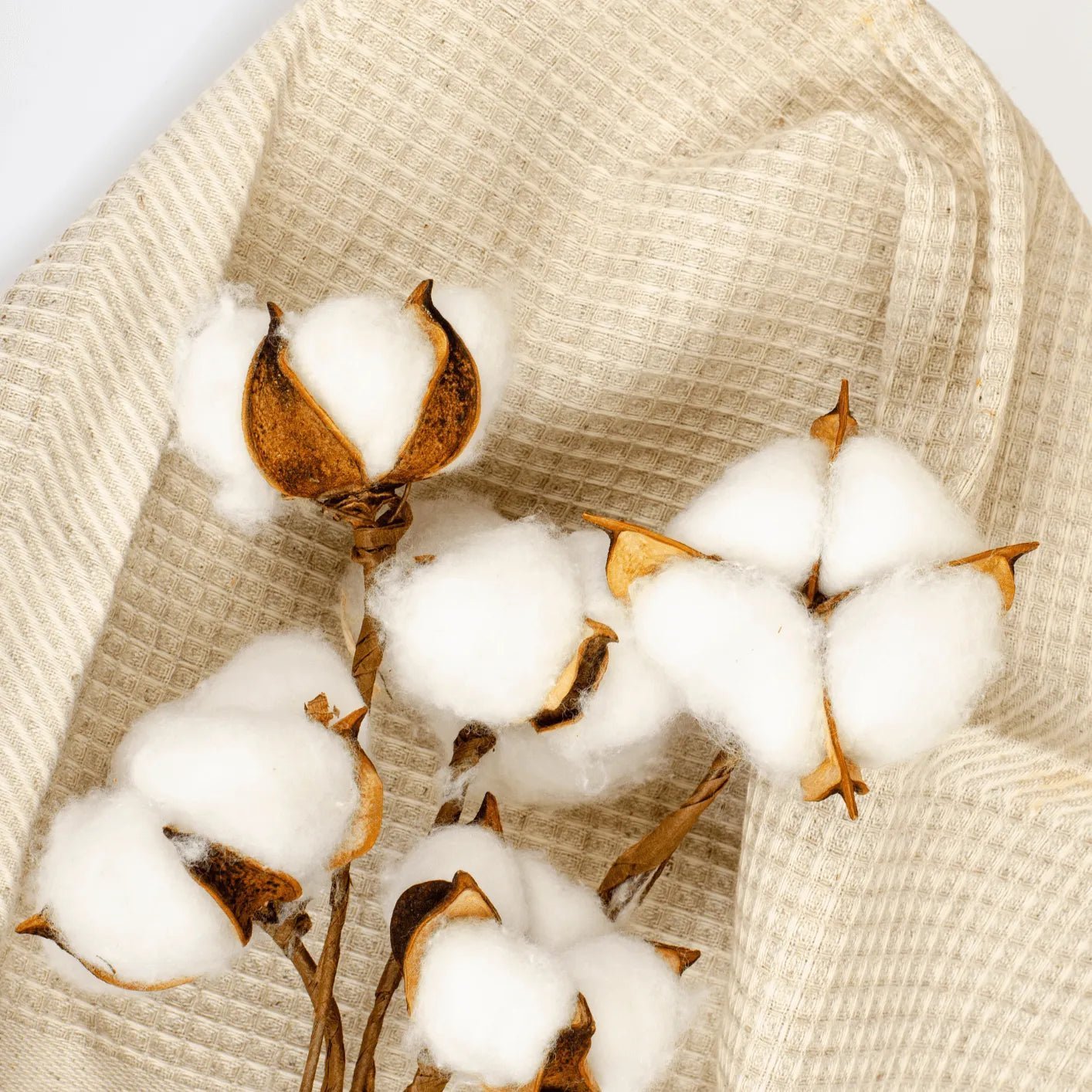
Due to its often cotton composition, gingham is also known for its moisture absorption capacity. It can absorb sweat from the skin, making it an ideal choice for summer clothing or bedding items. Moreover, cotton offers a soft and comfortable feel on the skin, making it popular for clothing intended for people with sensitive skin.
Durability
Gingham also has good resistance to wear and tear, making it a durable fabric. It can withstand regular use without losing its quality and appearance. Additionally, the gingham check pattern is timeless and classic, making it easy to pair with different fashion styles and various decoration projects.
Ease of care
In terms of ease of care, gingham is generally machine washable, which simplifies its maintenance. It can be ironed at a low temperature to remove wrinkles, but it is best to check the manufacturer's specific recommendations before treating it.
Uses of gingham
With gingham, you can sew a variety of items for both fashion and decoration. Feel free to unleash your creativity by experimenting with gingham. You can mix patterns, colors, and textures to create unique and personalized pieces. Whether for elegant clothing, trendy accessories, or interior decoration elements, gingham offers many creative sewing possibilities.

Clothing
Gingham is often used to create dresses, skirts, blouses, shirts, and shorts. It adds a touch of retro charm and is especially suitable for summer and spring clothing. Spaghetti strap dresses, flared skirts, and blouses are popular choices for gingham sewing projects.
Accessories
You can also use gingham to make accessories such as handbags, scarves, headbands, and hair bows. These pieces bring a playful and colorful note to your outfit and are perfect for adding a touch of gingham without overdoing it.
Interior decoration
Gingham can also be used to create a warm atmosphere in your home. You can make cushions, tablecloths, curtains, placemats, and cushion covers in gingham. These items add a rustic and elegant touch to your decor.
Children's projects
Gingham is a popular choice for children's clothing and accessories. You can sew dresses, overalls, pants, bloomers, blankets, and bibs in gingham for little ones. The bright colors and checkered patterns add a cute and cheerful look to children's outfits.
Gingham care
To preserve the beauty and durability of gingham, it is essential to follow proper care practices. By following these care tips, you can keep your gingham in good condition and enjoy its checkered patterns for a long time. However, always be sure to check the manufacturer's specific instructions, as some gingham fabrics may require special care depending on the material or finishes used.
Washing
Gingham can generally be machine washed at a low temperature. It is recommended to choose a delicate cycle to avoid damaging the fibers. Use a mild detergent and avoid using bleach, as it can alter the colors. Separate gingham items from other clothes during washing to prevent any risk of color fading.
Temperature
It is best to wash gingham at a cool or lukewarm temperature to minimize shrinkage or distortion. Always check the specific manufacturer’s instructions on the care label for precise washing recommendations.
Drying
It is recommended to air dry gingham items rather than using a tumble dryer, as this can cause excessive shrinkage or damage to delicate fibers. Lay the gingham clothes or accessories flat or hang them to dry naturally.
Ironing
If necessary, you can iron gingham at a low temperature using an iron set to the "cotton" setting. Place a thin cloth or clean cotton fabric between the iron and the gingham to avoid damage. Avoid ironing directly on the checkered patterns to preserve their appearance.
Storage
When you are not wearing your gingham items, it is best to store them in a cool, dry place away from direct sunlight. Avoid placing them in areas where they could be wrinkled or rubbed against other abrasive surfaces.
Gingham, with its iconic checkered patterns, offers a classic and timeless aesthetic. This versatile fabric can be used to create summer clothing, accessories, and decorative pieces. Lightweight, breathable, and easy to care for, gingham adds a touch of charm and cheerfulness to every project. Whether for a retro or contemporary look, gingham adds an attractive visual dimension to your style. Let your creativity flow and use gingham to add a fresh touch to your creations.
We offer several simple tutorials on our blog if you are new to sewing, also find us on Facebook, Instagram and TikTok!

Leave a comment
This site is protected by hCaptcha and the hCaptcha Privacy Policy and Terms of Service apply.