





Table of Contents:
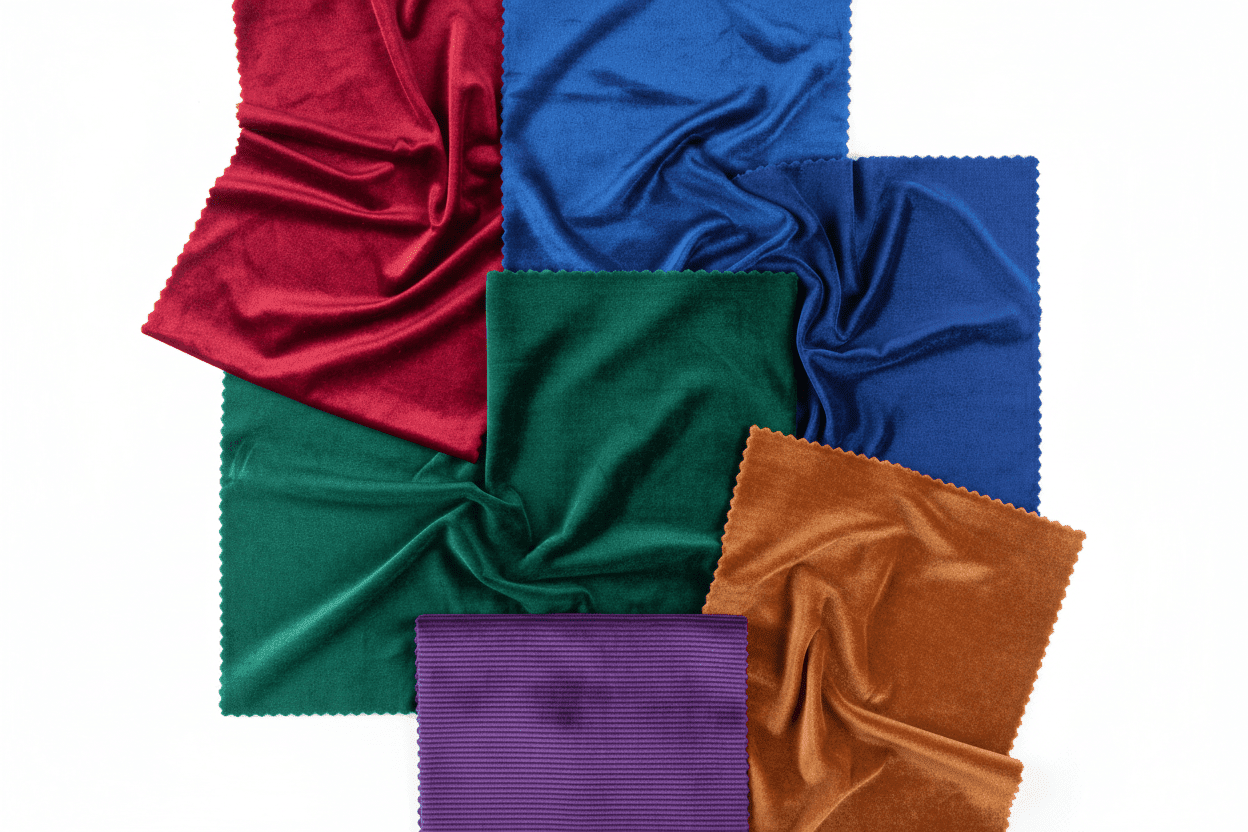
What are the different types of velvet? Velvet is an essential fabric in sewing, appreciated for its soft touch and elegant appearance. However, there are several variants, each with very different characteristics depending on its use.
Some velvets are thick and durable, others more flexible or decorative. It is therefore essential to know them well to choose the fabric suited to your project and achieve an optimal finish.
In this article, you will discover the different types of velvet, their specificities, and their uses in sewing.
What is velvet?

Velvet is a fabric characterized by a soft surface called “pile,” which gives it its unique look.
Its characteristics:
- soft touch
- matte or shiny appearance
- pile more or less long
- fabric more or less thick
Depending on its composition and structure, velvet can be used for both clothing and decoration. By choosing velvet suited to your project, like those available at Verotex, you will achieve a cleaner and more durable result.
Why choose the right type of velvet?
Each type of velvet has a specific use.
It allows you to:
- adapt the fabric to the project
- make sewing easier
- get an aesthetic finish
- avoid mistakes
A good choice of velvet greatly improves the final result, especially on structured pieces or garments.
What are the different types of velvet?
There are several types of velvet, each suited to a particular use in sewing.
Smooth velvet

What is it for?
Smooth velvet has a uniform and soft surface.
Use:
- elegant clothing
- decoration
- accessories
Characteristics
- regular appearance
- silky touch
- chic finish
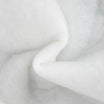
Terry velvet

What is it for?
Terry velvet is a soft and absorbent fabric.
Use:
- baby clothes
- household linen
- accessories
Characteristics
- very soft
- absorbent
- comfortable
Tip: ideal for comfort projects.
Corduroy

What is it for?
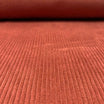
Corduroy is recognizable by its raised ribs.
Use:
- pants
- jackets
- skirts
Characteristics
- thick fabric
- durable
- easy to sew
Tip: align the ribs carefully when cutting.
Pinwale velvet

What is it for?
Pinwale velvet is a fine version of corduroy velvet.
Use:
- lightweight clothing
- shirts
- children's clothing
Characteristics
- fine ribs
- more flexible
- lighter
Tip: perfect for delicate projects.
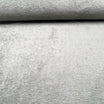
Crushed velvet

What is it used for?
Crushed velvet has a shiny and flattened appearance.
Use:
- costumes
- decoration
- clothing
Characteristics
- very shiny
- flexible
- sometimes stretchable
Tip: handle with care to avoid marks.
Velboa

What is it for?
Velboa is a very soft synthetic velvet.
Use:
- plush toys
- costumes
- accessories
Characteristics
- very soft
- lightweight
- easy to sew
Tip: ideal for creative projects.
Table: types of velvet and uses
| Type of velvet | Usage |
|---|---|
| Smooth velvet | clothing, decor |
| Terry velvet | linen, baby |
| Corduroy velvet | clothing |
| Pinwale velvet | lightweight clothing |
| Crushed velvet | decoration |
| Velboa | accessories |
This table helps better understand the different types of velvet.
How to choose your velvet?
Here are the criteria to consider:
- type of project
- fabric thickness
- ease of sewing
- desired finish
Choosing the right velvet makes it easier to work with.
Which fabrics to pair with velvet?

Velvet can be combined with many materials, but it is important to pay attention to the balance between fabrics to achieve a harmonious look.
The key point to consider is the weight of the fabric. A thick velvet, such as corduroy, will not easily pair with a very light and fluid material like muslin. This difference in structure can unbalance the garment and complicate sewing.
Conversely, it is recommended to combine velvet with fabrics that have a similar weight. This helps achieve a more uniform result that is easier to work with. For example, materials like thick cotton, denim, or certain canvases offered at Verotex pair very well with velvet.
For cozier or winter projects, velvet can also be lined with soft materials like sherpa. This combination is especially interesting for jackets, coats, or accessories, as it provides both warmth and comfort.
What equipment to use to sew velvet?
Sewing velvet requires some adjustments in equipment to achieve a clean and durable result.
- Prefer a polyester thread, more resistant and suitable for the thickness of velvet
- Avoid cotton thread, often too fragile for this type of fabric
- Use a size 90 needle, preferably new, as velvet can wear it out quickly
- Be careful when cutting: velvet has a nap direction that must be respected to maintain a uniform finish
A reliable machine like a Juki makes it easier to work with this type of fabric, especially to achieve even seams despite the thickness.
Conclusion
Understanding the different types of velvet makes it easier to choose the right fabric for your sewing project. Each velvet has its own characteristics, whether in terms of thickness, texture, or use.
Corduroy velvet is ideal for easy-to-sew and durable garments, while smooth velvet or crushed velvet are better suited for elegant pieces. For cozier projects, such as accessories or children's clothing, materials like terry velvet or velboa are particularly interesting.
It is also important to consider the nap direction and fabric choice to achieve a consistent finish. By using suitable fabrics, like those offered at Verotex, and appropriate equipment, you can work with velvet more easily and get a clean result.
FAQ on the different types of velvet
Which velvet is the easiest to sew?
Corduroy velvet is the easiest.
Which velvet for a garment?
Smooth or corduroy velvet is ideal.
Is velvet difficult to sew?
Yes, but with the right techniques, it remains accessible.
Which velvet for a creative project?
Velboa is perfect.

Leave a comment
This site is protected by hCaptcha and the hCaptcha Privacy Policy and Terms of Service apply.