























Table of Contents:
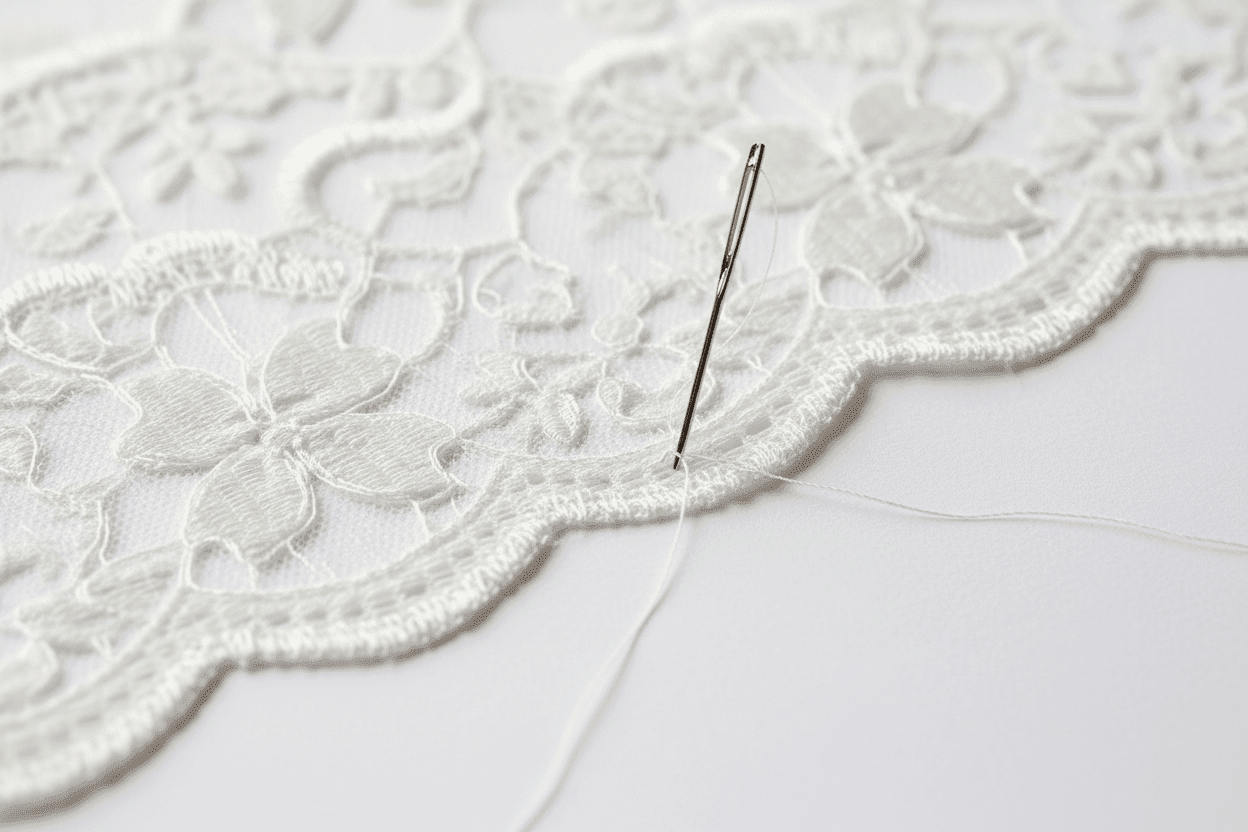
Sewing lace is a delicate step in sewing, whether by sewing machine or by hand. This refined and openwork fabric requires precision and adapted techniques to achieve a clean and elegant finish.
Depending on the type of lace—guipure lace, stretch lace, or fine lace—the sewing method may vary. It is therefore important to choose your materials carefully and adapt your techniques.
In this guide, discover how to sew lace, the different existing types, and essential tips to succeed in your sewing projects.
Guide summary
Lace is a delicate fabric that requires special attention when sewing.
It is often used for elegant clothing or decorative details. Its openwork nature requires specific techniques to avoid damaging the fabric.
With the right tools and a bit of precision, it is possible to achieve a very professional result.

What is lace?
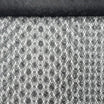
Lace is an openwork fabric, composed of often very fine decorative patterns.
It can be made by hand or machine and comes in several styles. It is widely used for elegant clothing such as dresses, tops, or accessories.
Lace is appreciated for its delicate and refined appearance.

Bobbin lace
Bobbin lace is a traditional lace made by hand.
It is very fine and detailed, making it a precious fabric. It is often used for high-end pieces or decorative elements.
Its sewing requires a lot of precision and delicacy.

Guipure
Guipure is a thicker lace without a tulle background.
It consists of connected motifs, giving it a structured look. It is easier to sew than very fine lace.
It is ideal for elegant garments with texture.

Stretch lace
Stretch lace contains elastane, making it stretchy.
It is perfect for fitted garments like lingerie or bodycon dresses.
Its sewing requires suitable stitches to maintain the fabric's elasticity.

Machine-made or industrial lace
Machine-made lace is produced by machine and is more affordable.
It is often used for everyday sewing projects. It comes in many patterns and styles.
It is generally easier to work with than handmade lace.
Why choose lace?
Lace brings an elegant and refined touch to all creations.
It adds transparency, detail, and style to a garment or accessory.
It is an ideal fabric for sophisticated projects.
What to do with lace?
Lace can be used in many sewing projects.
It is perfect for making dresses, tops, skirts, lingerie, or accessories. It can also be used as a detail on a garment to add a decorative touch.
It suits many styles, from the most classic to the most modern.
Should lace be sewn by hand or machine?
Lace can be sewn by hand or machine, depending on the project.
The sewing machine allows for faster and more consistent work. Hand sewing is recommended for delicate finishes or precise details.
The choice depends on the type of lace and the desired result.
Which stitches should be favored for sewing lace?
The stitch must be adapted to the fineness of the fabric.
A straight stitch is generally sufficient for non-stretch laces. For stretch laces, a stretch stitch is recommended.
It is important to properly adjust the tension to avoid damaging the fabric.
Lace: finesse and elegance for refined creations
Sewing lace allows you to create delicate, elegant, and charming pieces. At Verotex, we offer a selection of quality laces suited to all your sewing projects: dresses, tops, lingerie, or decorative details. Well chosen, lace provides a refined and professional look, ideal for enhancing your creations.
Whether you work with fine, stretch, or guipure lace, you will find suitable fabrics and accessories at Verotex to sew with precision and ease. With the right tools and a bit of technique, you will achieve neat and elegant finishes, perfect for unique pieces.
Conclusion
Sewing lace requires precision but is accessible with the right tools and techniques.
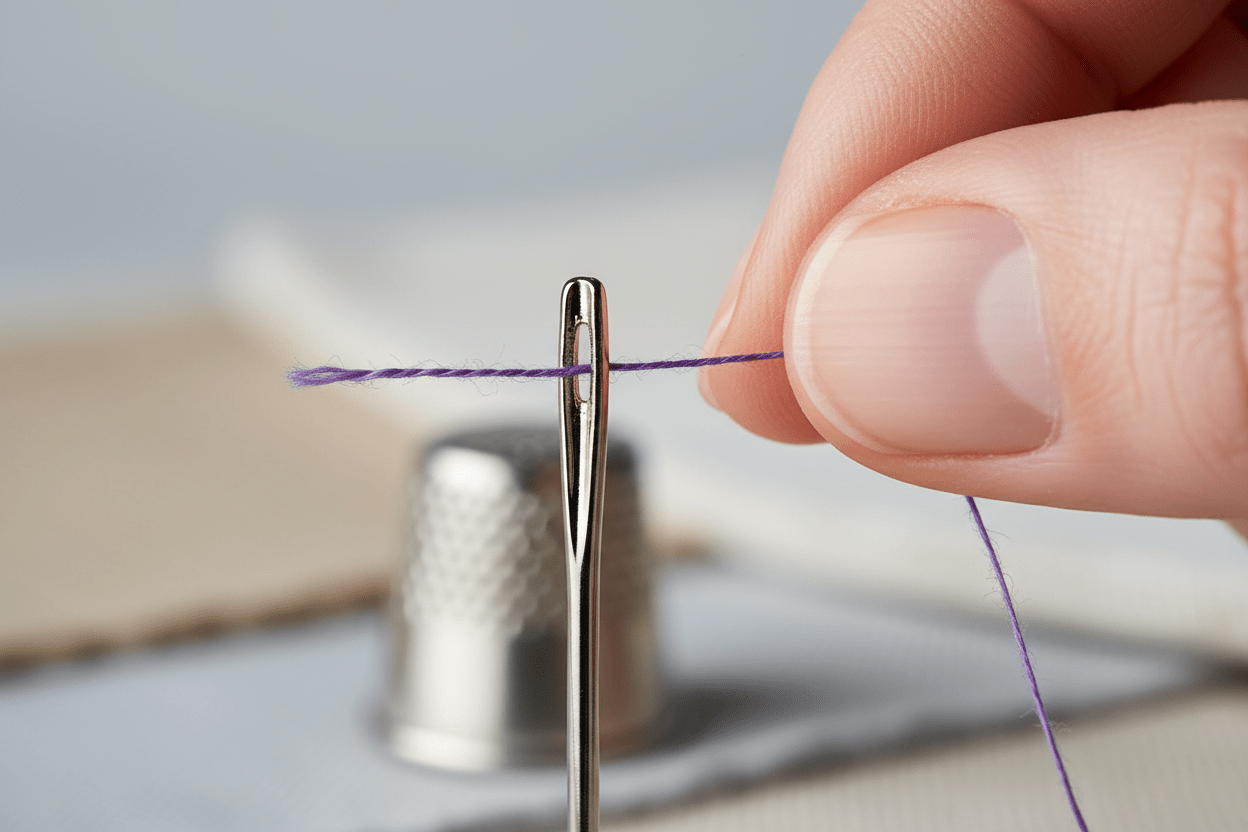
By choosing a fine needle, suitable thread, and working delicately, you can create elegant and refined pieces.
With a bit of practice, lace will become a real asset in your sewing projects.
FAQ - Everything you need to know about lace
Is lace difficult to sew?
Yes, because it is fine and delicate.
Which needle to use?
A fine needle (60-70).
Can lace be sewn by machine?
Yes, with the right settings.
Which finish should you choose?
English seam or a bias.
What can you do with lace?
Elegant clothing and accessories.

Leave a comment
This site is protected by hCaptcha and the hCaptcha Privacy Policy and Terms of Service apply.