















Table of Contents:
The ideal tutorial for beginners! This article explains the basics of using a sewing machine. You will learn how to use a sewing machine step by step: installing bobbins, adjusting thread tension, and sewing straight seams with clear explanations and practical tips.
Find out how to prevent threads from breaking or solve common problems, so you can sew your first projects with confidence, such as repairing a hem or making a simple bag. We will cover everything from preparing the machine to making your first stitch, including choosing the thread and needles.
How to use a sewing machine?
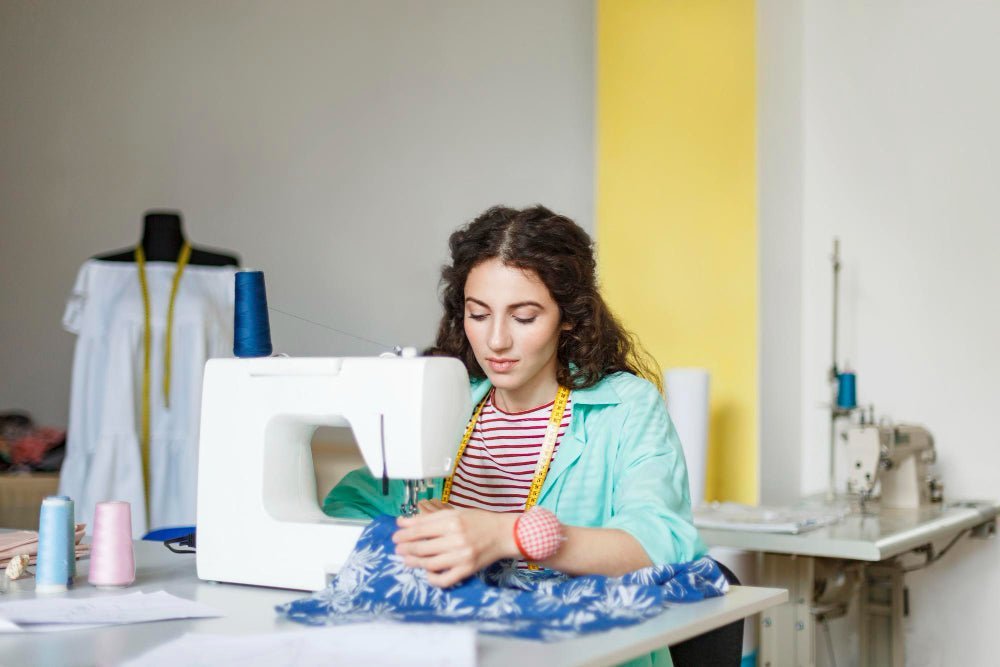
Learning to sew starts with a simple question: how do you use a sewing machine? Whether you are a beginner or want to improve your skills, understanding how its components work and properly preparing your equipment before the first stitch is essential. We will guide you step by step to transform this tool into a true creative ally.
Discovering the essential components
Understanding the basic components of your sewing machine is a reassuring first step. Locate the switch, spool pin, thread guide, and presser foot. These key components make the threading and sewing process easier. For beginners, it is essential to know how to use a sewing machine correctly in order to quickly master the basics and avoid common mistakes.
Do not let the stitch selection buttons intimidate you. At first, focus on the straight stitch and zigzag stitch. These two options are already enough to complete many simple projects.
The take-up lever and the bobbin deserve special attention. Learning to handle them correctly helps prevent initial frustration. A good visual understanding of the components will guide you more easily through the technical steps.
Preparation before the first stitch
Before threading your machine, place it on a stable surface. The needle should be on your left for optimal use. Do not plug in the machine yet to avoid accidents. These first steps explain how to use a sewing machine correctly, from positioning the needle to filling the bobbin, to ensure precise, trouble-free stitching.
Insert the needle, ensuring it is positioned correctly: the flat side facing the back and the groove facing the thread. Tighten the screw securely for a firm hold. This simple but crucial step ensures precise stitching and is an essential foundation for anyone who wants to start sewing without making mistakes.
To wind the bobbin, follow the guides indicated on the machine. Once it is full, place it in its case, making sure to pass the thread through the notch. Pull it gently to the left for proper operation.

Sew safely: the basics to master
Start with a test fabric such as a piece of cotton. Place it under the presser foot and lower it using the lever, then hold the thread ends to prevent tangles.
Press the foot pedal gently to control the speed. Never force the fabric: the machine feeds it forward using the feed dogs. This automatic mechanism simplifies the work.
At the end of a seam, use the reverse stitch to reinforce the ends. This prevents the thread from coming undone. Cut the remaining threads, leaving a small allowance for the next seams.
Choosing your first sewing project
Beginners should choose pressure-free projects. A square cushion or a lightweight fabric tote bag are perfect for getting used to the machine. These simple projects quickly build confidence and provide a better understanding of how to use a sewing machine by applying the basic techniques directly.
If you are wondering which sewing machine to choose for a beginner, opt for a simple model with the essential stitches to support these first exercises.
Avoid thick fabrics such as denim at first. Thin, stable fabrics such as cotton offer better gliding and reduce technical difficulties. Gradually, you can explore other materials.
A straight hem on a curtain or garment is an excellent first step. It familiarizes you with guiding the fabric and controlling the foot pedal. Every successful seam is a victory to celebrate.
How to choose the right sewing machine?
A beginner-friendly machine combines simplicity and durability. Prioritize models with a straight stitch, a zigzag stitch, and an automatic buttonhole. These basic functions are more than enough for getting started and allow you to quickly learn how to use a sewing machine without getting lost in complex settings.
To progress further, it is essential to understand each sewing machine setting, as this ensures better control over thread tension, stitch length, and the quality of the finish.
Brands such as Juki and Janome offer lightweight, sturdy machines. With a budget of between 200 and 300 euros, you will find models with warranties (2-5 years) and a solid chassis.
Choose a model with an automatic needle threader. This feature saves time and reduces frustration. Also check for a free arm to make hems and circular projects easier.
The benefits of sewing for beginners
Sewing stimulates creativity by allowing you to customize your clothes. Imagine unique pieces tailored to your body shape, far removed from ready-to-wear standards. It is a rare and rewarding freedom.
This hobby also brings a sense of accomplishment. Watching a project take shape with your own hands inspires incomparable pride, and this sense of well-being gradually grows with each successful piece of sewing.
From an ethical perspective, sewing reduces dependence on fast fashion. By choosing your fabrics, you support more responsible consumption. It is a step towards a sustainable and meaningful wardrobe.

Verotex offers a private introduction to sewing machines course. Contact us if you would like to register.
Machine maintenance: tips for long-lasting use
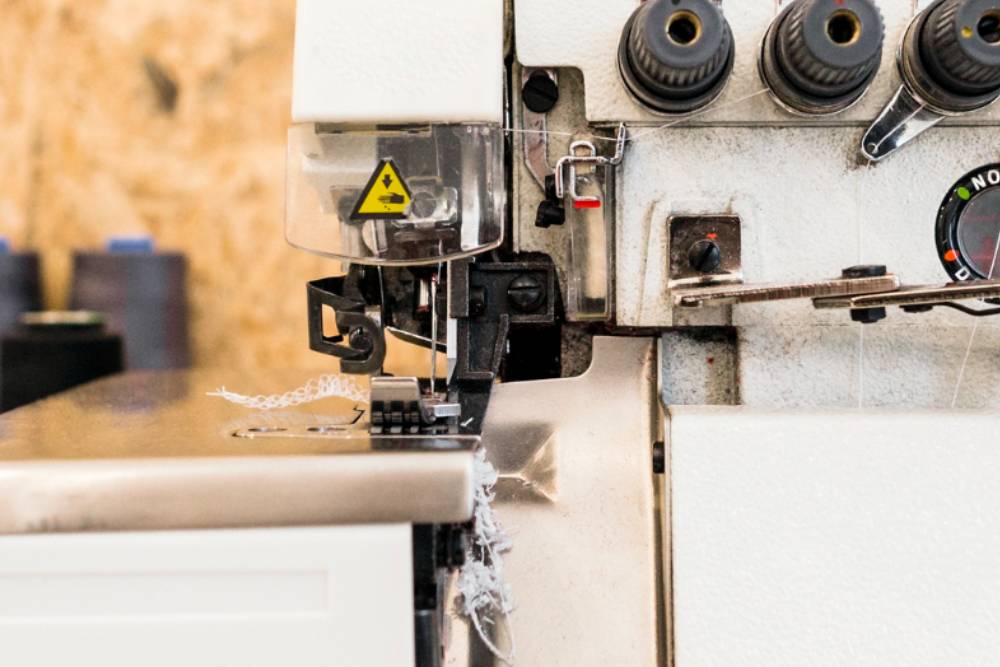
Regular cleaning extends the life of your machine. After each session, remove jammed threads and fabric residue around the bobbin. A soft brush is ideal for this task. These maintenance steps are essential for learning how to use a sewing machine correctly and ensuring smooth operation every time you use it.
Change the needle every 8 to 10 hours of sewing. A worn needle can damage the fabric or break unexpectedly. Store spare needles in a safe place, out of children's reach.
Protect your machine from dust with a cover. If your model allows it, have it serviced annually by a professional. This preventive maintenance prevents unexpected breakdowns.
Discovering your sewing machine: the essential components to know
Before making your first stitches, it is important to understand how to use a sewing machine by discovering its essential components. Each part plays a specific role in ensuring comfort and precision.
From the needle to the foot pedal, including essential accessories, we will help you identify the basic equipment and better understand your machine so you can start your creative projects with complete peace of mind.
The main parts of your machine
Have you just purchased a sewing machine, but are still unsure how it works? Identifying the basic components will give you confidence. Understanding how to use a sewing machine correctly helps avoid needle-positioning or threading errors, which cause most sewing problems.
The switch is the first control to master. The handwheel, on the right side of the machine, should always be turned towards you to avoid damaging the mechanisms. The spool pin and thread guide guide the upper thread. Follow the arrows marked on the machine for smooth threading.
The stitch selectors offer various settings, but start with the straight stitch. The presser foot lever holds the fabric in place: raise it to insert the fabric, and lower it to sew. Beneath the needle, the needle plate conceals the feed dogs, the teeth that move the fabric automatically. Finally, the bobbin compartment houses the lower thread. So make sure it is properly engaged.
The essential equipment for getting started
To get started, equip yourself with the following tools:
- Quality thread: Polyester thread is more resistant to knots and breakage.
- Suitable bobbins: Check the reference in your machine’s manual.
- Spare needles: A size 80/12 is suitable for lightweight fabrics.
- Sewing scissors: Use them only for fabric.
- A seam ripper: Essential for correcting mistakes.
- Fabric scraps: Practise before sewing a final project.
For your first project, choose a cotton cushion or a lightweight towel. If you need motivation, remember that expert sewists all started with these basics.

Preparation: get your machine started in 4 key steps
Before starting your first creations, it is essential to know how to use a sewing machine by preparing it correctly. From installing the needle and inserting the bobbin to threading the upper thread and making the final adjustments, every step matters. Here are the 4 key actions for getting your machine started and sewing confidently from the outset.
Step 1: install the needle and prepare the bobbin
Insert the needle, making sure the flat side of the shank faces the back of the machine. Tighten the screw securely after pushing the needle all the way in. Incorrect installation can cause thread breakage, uneven stitches, or even damage the machine.
Also make sure that the needle is changed regularly, ideally every two projects or if you notice skipped stitches. For good results, it is also essential to know which needle to use for each fabric, as the right choice prevents tears and ensures neater stitching.
To fill the bobbin, place the spool on the spool pin and guide the thread through the bobbin-winder tensioner. Wind a few turns manually onto the empty bobbin, then activate the mechanism. The machine automatically stops filling the bobbin when it is full. Never force it if the thread resists, as this could break the mechanism. Also remember to check that the thread winds evenly without crossing over itself to prevent knots.
Step 2: threading the upper thread, a skill to master
Make sure the take-up lever is in the raised position by turning the handwheel toward you. Follow the arrows or numbers marked on the machine for threading. Here are the steps to follow:
- Place the spool on the spool pin.
- Follow the thread guide.
- Bring it down through the tension slot.
- Bring it back up toward the take-up lever.
- Bring it back down toward the needle.
- Pass the thread through the eye of the needle (from front to back).
Use the automatic needle threader if your machine has one. Simply pressing the mechanism is enough to insert the thread into the eye without effort. This tool is particularly useful for beginners or people who have difficulty seeing the eye of the needle.
Step 3: inserting the bobbin and bringing up the lower thread
Slide the full bobbin into its compartment under the needle plate and leave 10 cm of thread extending to make it easier to bring up. Hold the upper thread with one hand, then slowly turn the handwheel toward you to lower the needle. A slight click indicates that the lower thread has been caught.
Gently pull on the loop emerging from the eye to bring up the bobbin thread, then move both threads toward the back of the machine. If the thread resists, check that the bobbin is correctly inserted into its case, which is often marked with an indicator showing the threading direction.
Step 4: plugging in the machine and making the final adjustments
Plug in the machine and its foot pedal, then select a straight stitch for your first seams. Set the stitch length to 2.5 mm for standard fabrics such as cotton or poplin, and to 3-3.5 mm for thick fabrics such as canvas or denim. Make sure the presser foot is raised before inserting the fabric.
Next, place a piece of test fabric under the presser foot, then lower it. Test a seam before starting your project. If the thread is too loose, adjust the tension. Never force the fabric, as the feed dogs should move it naturally. A quick test helps avoid unpleasant surprises in your finished project.

Your first stitches: making a simple seam step by step
When learning how to use a sewing machine, there is nothing better than starting with a simple seam. Making your first stitches allows you to test the tension, learn to sew straight, and master the reverse stitch to secure your seams. With a little practice on a scrap of fabric, you will build the solid foundations needed to confidently move on to more creative and precise projects.
Testing on a scrap of fabric
Before starting, always test your settings on a scrap of fabric identical to your project.
Cut two 10x10 cm pieces, place them on top of each other, and position them under the presser foot.
Lower the presser foot lever to hold the fabric in place and check that the upper and lower threads are free toward the back.
This test prevents unpleasant surprises in your final project. 80% of beginners’ mistakes are caused by incorrectly adjusted settings.
Sewing straight: the basic technique
Start with a simple fabric such as cotton. Slide both layers under the presser foot and align the edge with the 1.6 cm guide on the needle plate.
Hold the thread ends and gently press the foot pedal. Let the machine feed the fabric without pushing or pulling it. These practical exercises help you understand how to use a sewing machine effectively and build confidence in guiding the fabric.
Watch the needle and follow the guide using the edge of the fabric. If the line deviates, stop and adjust the position.
Practice several parallel lines to get used to the speed. Your first seams may look like snakes, but that’s normal!
Focus on the rhythm: a steady pace produces uniform stitches. If the thread breaks, loosen the tension using the button next to the bobbin winder. Ideal tension produces neat stitches without puckering the fabric. A tool such as a magnetic sewing guide can help you maintain a straight line.
Starting and stopping your sewing with the reverse stitch
To secure your seam, use the reverse stitch at the beginning and end of the line. Sew 2-3 stitches forward and activate the reverse stitch by pressing the dedicated lever or button, then sew 2-3 stitches over them.
Deactivate the reverse stitch and continue your line. At the end, repeat the process on the last stitches before stopping.
This technique prevents the thread from coming undone and is one of the essential steps to understanding how to use a sewing machine correctly, even for the simplest projects. Without it, your seam is 40% less resistant to wear. The backstitch acts as an invisible anchor that reinforces its strength.
After sewing, raise the needle by turning the handwheel toward you. Lift the presser foot and gently remove the fabric. Cut the excess threads with the built-in thread cutter or precise scissors. The professional tip is to sew an additional backstitch if you have any doubts about the seam's strength.

Beginner seamstress SOS: solutions to the most common problems
Don't panic! Even experienced seamstresses have experienced these frustrating moments. Most problems can be solved in a few minutes. Here is your guide to turning these challenges into concrete progress.
Your sewing machine quick troubleshooting guide
Here is an overview of the five most common problems, along with their likely causes and immediate solutions. Print this table or keep it close at hand near your machine. It will become your go-to reference in case of a breakdown.
Common problem |
Likely causes |
Simple solutions to try |
The upper thread breaks |
Thread tension too high. Incorrect threading. Needle worn or unsuitable. |
Re-thread the entire machine (the most important step!). Lower the upper thread tension. Change the needle. |
The lower thread (bobbin thread) forms loops |
Upper thread tension too low. Bobbin inserted incorrectly. |
Increase the upper thread tension. Remove and correctly reinsert the bobbin. |
The machine skips stitches |
Needle bent, worn, or unsuitable for the fabric. Incorrect threading. |
Replace the needle with a new, suitable one. Re-thread the machine. |
The fabric does not move forward |
Feed dogs lowered. Presser foot pressure too low. Stitch length set to 0. |
Check that the feed dogs are properly raised (the lever is often at the back). Increase the stitch length. |
The needle breaks |
You are pulling on the fabric. Needle unsuitable for the fabric's thickness (e.g., denim). |
Never pull the fabric; guide it. Use a thicker, stronger needle (e.g., a special denim needle). |
You now have the basics for solving these common challenges. With practice, these checks will become second nature. If a problem persists, consult your machine's manual or online tutorials. Sewing forums are full of advice for beginners.
You can also take classes like those offered by Verotex to learn sewing quickly.
From thread to needle: choosing your first project and progressing?
Knowing how to use a sewing machine only makes sense if you quickly put your new skills into practice. Choosing a simple first project helps build confidence and make progress step by step.
From cushion covers to tote bags, some accessible creations are ideal for beginners. With the right advice, you can progress with confidence and turn every sewing project into a new step in your learning journey.
Ideas for easy first projects to get started
Getting started with sewing requires simple but practical projects. Here are ideas based on straight seams and accessible creations:
- A simple cushion cover: Join two pieces of fabric for a quick project. Tip: choose a durable fabric such as linen or thick cotton.
- A canvas bag (tote bag): Perfect for 1 cm seams. Tip: add pockets or fringing to personalise it.
- Make-up remover pads or napkins: ideal for recycling fabric scraps. Option: choose soft fabrics such as organic cotton.
- A pair of trouser hems: a useful project for building confidence. Tip: press the crease with an iron before sewing.
Buy the sewing machine of your dreams! Explore the world of sewing with Verotex and find the ideal machine for your projects.
Tips for making progress with confidence
Perseverance is essential. Here are some tips for moving forward with confidence:
- Regular practice: 10 minutes a day improves dexterity. Consistency matters more than duration.
- Don’t hesitate to unpick your stitches: A seam ripper is a valuable ally. Even experts use this tool to make corrections.
- Start with simple projects: Avoid complex garments at first. A successful project provides motivation for the next ones.
- Sewing machine maintenance: Clean it after every project and oil it once a year. Follow the manual for the areas to lubricate.
Every stitch is a lesson. Sewing is a journey in which mistakes become progress. Congratulations, you have the basics to get started!
The sewing machine holds no more mysteries for you! Anyone can sew with practice and good habits. Don’t be afraid of adjustments or mistakes: every successful stitch is a victory. Practise on simple projects, and your confidence will grow.
Ready to get started? Discover our collection of Verotex sewing machines and find the one that suits you.

Leave a comment
This site is protected by hCaptcha and the hCaptcha Privacy Policy and Terms of Service apply.