





Table of Contents:
Dive into the world of linen, the natural fabric that revolutionizes your lifestyle. Discover the unique qualities of this fiber, its sustainable impact, and find inspiration to incorporate linen into your wardrobe and daily life.
What exactly is linen?
Linen is a natural fiber of plant origin widely appreciated for its versatility and remarkable qualities. Used in various industries, linen is valued for its durability, breathability, and ability to bring a touch of natural elegance to different products. Whether in fashion, household linens, or interior decoration, linen has earned its place by offering a unique blend of style, comfort, and durability. In this blog, we will explore the advantages of linen and the reasons why it has become an essential fabric that revolutionizes our lifestyle.

The fascinating history of linen: from Antiquity to today
Linen is one of the oldest plants cultivated by humans. Its origins date back to around 10,000 BC, where it was grown in Mesopotamia (the region corresponding to present-day Iraq and Syria). The ancient Egyptians were particularly known for their cultivation and use of linen.
Egypt was a major center for linen production and use. The Egyptians used linen to make clothing, sheets, boat sails, ropes, and even mummies wrapped in linen bandages. Linen was considered a precious fiber, symbolizing purity and prosperity.

Over time, linen cultivation spread to Europe. The Romans adopted the use of linen and introduced it to other regions of their empire. Linen became an important crop in countries such as France, Belgium, the Netherlands, and Ireland.
During the Middle Ages and the Renaissance, linen experienced significant growth. Weavers' guilds were formed, and linen became a popular fabric for clothing, sheets, and household accessories. Fine linen cloths were highly sought after, and regions like Flanders and Ireland became renowned for their high-quality linen production.

In the 19th century, industrialization led to the emergence of new textile fibers, such as cotton and nylon, which began to compete with linen. Demand for linen decreased, but it remained a valued fiber for its unique properties.
Today, linen continues to be cultivated and used worldwide. Its popularity has rebounded due to its appeal as a natural, durable, and environmentally friendly fiber. Linen is used in fashion, household linens, interior decoration, and even industrial applications such as composites and building materials. Its rich history and versatility make it a cherished fabric that has stood the test of time.

The linen manufacturing process: From plant to natural fiber
The production of linen involves several steps, from planting the crop to obtaining the fiber used in various applications.
Linen is a plant grown in temperate climate regions. Flax seeds are sown in well-prepared fields, usually in spring. The plant grows and develops for about 100 days before reaching maturity.

After harvesting, flax bundles are spread out on the ground in fields or shallow ponds for a process called retting. This allows natural elements such as rain, dew, and sun to break down the pectins that bind the fibers to the plant stem. Retting can last from a few days to several weeks, depending on environmental conditions. Once retting is complete, the flax stems are gathered and subjected to a process called scutching. This involves passing the stems through machines that expose them to controlled heat to facilitate the separation of fibers from the woody part of the plant.

After scutching, the flax fibers are carefully combed to remove impurities and obtain long, fine fibers. These fibers are then spun to create linen threads, which can be used in textile manufacturing. Linen threads are then used to create linen fabrics. They can be woven on looms to produce textiles such as sheets, curtains, clothing, etc. Alternatively, linen threads can be knitted to create knitted linen items.
Linen fabrics may undergo additional finishing processes, such as dyeing, to achieve the desired characteristics and finishes. This is how linen, from the cultivated plant to the processed fiber, is made for use in a wide range of textile products.

The exceptional properties of linen: elegance, durability, and comfort
Linen, this natural plant-based fiber, is increasingly prized in the world of fashion and interior decoration. The remarkable properties of linen make it an essential fabric for those seeking style, comfort, and durability.
Softness
Thanks to its fine and smooth texture, linen offers a feeling of comfort and well-being to the touch. Whether for elegant clothing or cozy household linens, let yourself be wrapped in the natural delicacy of linen, a pure pleasure for the senses.
Lightness
The naturally breathable structure of linen allows air to circulate freely, offering a sensation of freshness and lightness, ideal for hot days. Whether for summer clothing or household items, choose the natural lightness of linen and enjoy an unparalleled comfort experience.
Breathability
Linen is a naturally breathable fabric, meaning it allows air to flow easily through the fibers. This helps regulate body temperature by allowing heat and moisture to escape, making it an ideal choice for summer clothing or bedding.
Moisture absorption
Linen has the ability to absorb and release moisture quickly. It can absorb up to 20% of its weight in water while maintaining a feeling of freshness and comfort. This property makes it a pleasant fabric to wear in hot and humid weather.
Strength
Linen is a naturally strong and durable fabric. It is stronger than cotton and has great longevity, making it a sustainable investment in your wardrobe or household linens.

Hypoallergenic
Linen is often recommended for people with sensitive skin or allergies because it is hypoallergenic and less irritating to the skin. It is also antibacterial and naturally resistant to mold and dust mites.
Eco-friendly
Linen is a natural, renewable, and biodegradable fiber. Its cultivation requires less water and fewer chemicals than other textile fiber crops. Moreover, all parts of the flax plant can be used, thus reducing waste.
Aesthetic
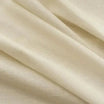
Linen has a natural and elegant look with a slight crumpled effect, giving it a rustic and relaxed charm. It is available in a range of colors and textures, offering many design and artistic expression possibilities.
Easy care
Linen is easy to care for. It can be machine washed and becomes even softer and more supple with each wash. Its crumpled appearance gives it a natural charm, allowing you to enjoy a casual look without having to iron every time. Simplify your daily life with linen, a practical and aesthetic choice.

Uses of linen
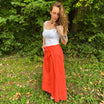
Linen is ideal for making lightweight and comfortable clothing. You can sew summer dresses, blouses, skirts, pants, and shorts in linen for a casual and elegant look. Use linen to create fashion accessories such as handbags, clutches, hats, and belts. Linen adds a natural and refined touch to these accessories. Linen is also suitable for sewing baby items such as bibs, swaddles, lightweight blankets, and soft, breathable clothing. Linen is perfect for making spacious and durable beach bags. You can store your essentials for a sunny day at the beach.
Linen is widely used for making household linens. You can sew sheets, pillowcases, tablecloths, napkins, and curtains in linen for a chic and timeless atmosphere in your home. Transform the look of your cushions by sewing linen covers. Linen covers add texture and elegance to your decor. Sew linen aprons for cooking or gardening. Linen is strong and durable, making it a practical choice for projects requiring good protection.
Feel free to unleash your creativity and experiment with linen in your sewing projects. Its natural beauty and functional qualities make it a fantastic choice for a variety of creations.
Linen is much more than just a fashionable fabric. Its remarkable properties make it a wise choice for those seeking elegance, durability, and comfort. Whether for clothing, household linens, or accessories, linen offers a unique combination of features that make it a versatile and appreciated fabric.
We offer several simple tutorials on our blog if you are new to sewing, and you can also find us on Facebook, Instagram, and TikTok!


Leave a comment
This site is protected by hCaptcha and the hCaptcha Privacy Policy and Terms of Service apply.