













Table of Contents:
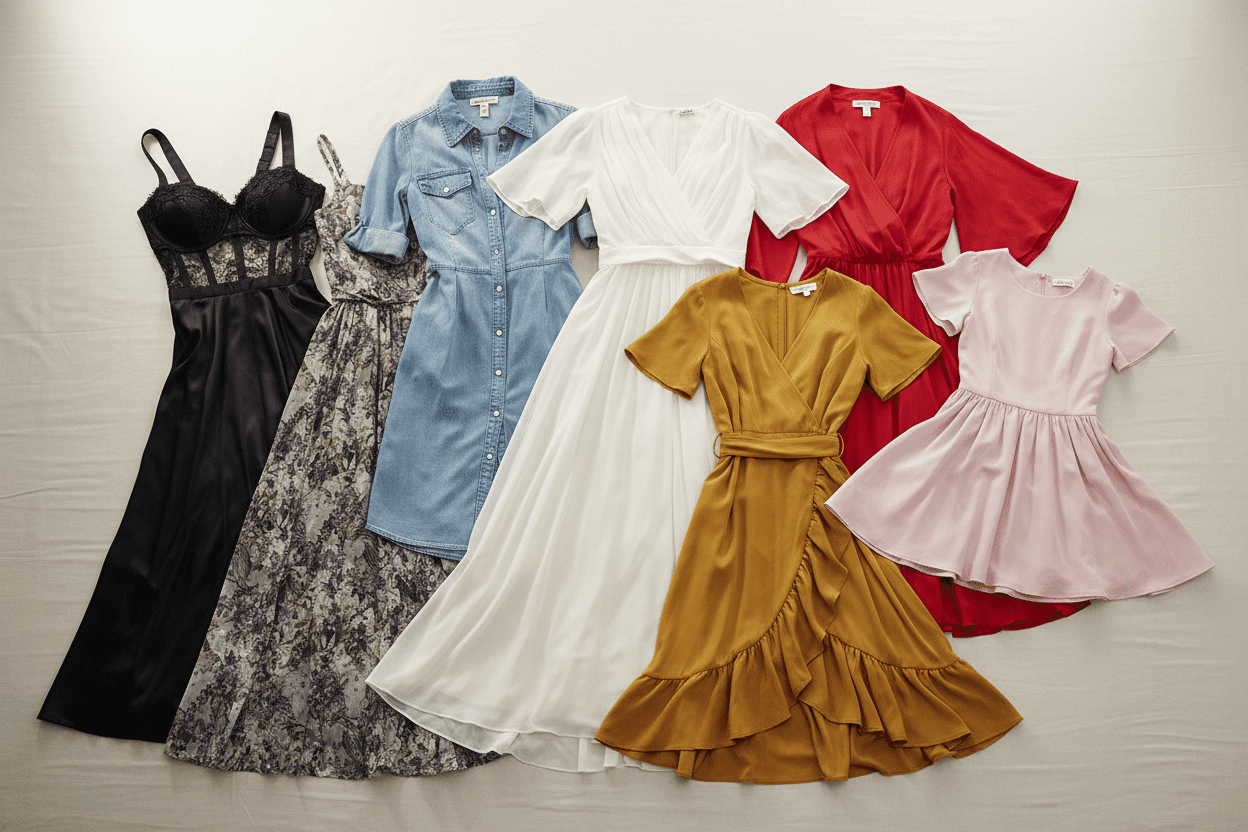
When starting a sewing project, one question always comes up: which fabric to choose to sew a dress?
And that’s an excellent question, because the fabric doesn’t just change the final appearance of the garment: it also affects sewing ease, comfort, drape, volume, and even the pleasure you’ll have wearing the dress once finished.
A dress made from flowing viscose will not have the same look as a dress sewn from structured gabardine. A shirt dress in poplin will keep a nice shape, while a wrap dress in jersey or viscose will follow movements more. In short: the right fabric makes the right dress.
The key takeaway before choosing a fabric for a dress
Before talking about viscose, poplin, jersey, or satin, keep in mind a simple rule: you don’t choose a fabric just because it’s beautiful. You choose it because it fits a specific pattern.
To choose the right fabric for a dress, you need to consider:
- the desired drape;
- the structure of the pattern;
- the season;
- the sewing skill level;
- the pattern recommendations.
A very soft fabric will suit a flowing, wrap, or empire dress better. Conversely, a trapeze dress, skater dress, or bustier dress will often require more structure. Verotex specifically highlights fabric families frequently used for dresses, such as viscose, cotton, linen, satin, or jersey, which matches well with the needs of different dress styles.
What fabric to sew a dress with when you are a beginner?
When starting your first dress, the most important thing is to choose a fabric that is forgiving. Fabrics that are too soft, too slippery, or too stretchy complicate cutting, assembling, and finishing.
Here are the simplest fabrics for a first project:
These are relatively stable fabrics, easy to pin, easy to iron, and pleasant to sew. Verotex also highlights wide collections around dress fabrics and major fabric families, which can be useful for comparing several options before choosing.
The most accessible dress patterns
To start, the most reassuring patterns are often:
- the t-shirt dress;
- the trapeze dress;
- the simple baby-doll dress;
- the straight dress without complex seams.
If you like working from a pattern or a video tutorial, you can also check out Atelier Nouvelle Couture, which notably offers a tutorial around the Robe Juliette, presented as a comfortable and elegant dress made in cotton jersey. It’s a good reference if you want to talk about patterns and concrete making in the article.
Which fabric to choose according to the type of dress?
The dress model strongly influences the choice of fabric. Some dresses require fluid fabrics while others need thicker materials.

T-shirt dress
The t-shirt dress is a comfortable dress inspired by the t-shirt.
Recommended fabrics:
- jersey
- knit
- cotton jersey
Jersey is particularly interesting for this type of dress because it follows movements and provides everyday comfort. If you often use this kind of material, a reliable machine with good settings and consistent stitching can make a real difference. The Juki HZL-DX5 and HZL-DX7 highlight features like automatic thread cutting, automatic needle threading, pivoting, and a wide choice of stitches, which could be relevant to mention in a materials box.

Baby-doll dress
The baby-doll dress has a loose cut with a high waist under the bust.
Recommended fabrics:
- viscose
- crepe
- muslin
These fabrics provide a light and fluid drape. You can also use cotton voile, double gauze , or a lightweight satin to enhance the airy effect of this dress.
If you want a baby-doll dress with more volume and structure, fabrics like cotton, duchess satin, or even ottoman can also work.

Trapeze dress
The trapeze dress is slightly flared towards the bottom and has a simple cut.
Recommended fabrics:
- cotton
- light denim
- gabardine
These fabrics offer good structure. Linen, corduroy, twill, or some crepes can also be suitable depending on the season and desired style.
The trapeze dress generally requires a fabric that holds its shape a bit to maintain its geometric cut.

Wrap dress
The wrap dress is a crossed dress that easily adapts to the silhouette.
Recommended fabrics:
- viscose
- satin
- fluid jersey
Tencel and lightweight cotton are also very good choices for this type of dress, as they maintain a nice movement without weighing down the silhouette.

Skater dress
The skater dress is fitted at the bust and then flares out at the waist.
Recommended fabrics:
- jersey
- thick cotton
- light neoprene
Cotton poplin, cotton satin, or some fine twill fabrics can also be used.
For this model, it is better to avoid fabrics that are too fluid, which may cause the characteristic flared effect of the skater dress to be lost.

Empire dress
The empire dress has a high waist placed just under the bust and a flowing skirt.
Recommended fabrics:
- viscose
- muslin
- cotton voile
These fabrics allow for an elegant and light drape. Crepe, lightweight linen, light satin, and double gauze can also work very well for an empire dress.
This type of dress particularly highlights soft and delicate fabrics that naturally follow the silhouette.

Shirt dress
The shirt dress is inspired by the classic shirt with a straight or slightly fitted cut.
Recommended fabrics:
- poplin
- cotton
- chambray
These structured fabrics help maintain a nice shape. Viscose, linen, lightweight gabardine, or even suede can also be used depending on the season and desired style.
The shirt dress works well with fabrics that keep their shape while remaining pleasant to wear.

Strapless dress
The strapless dress is fitted at the bust and can be structured.
Recommended fabrics:
- satin
- jacquard
- gabardine
These fabrics offer good support. Crepe, twill fabrics, and some thicker satins are also suitable.
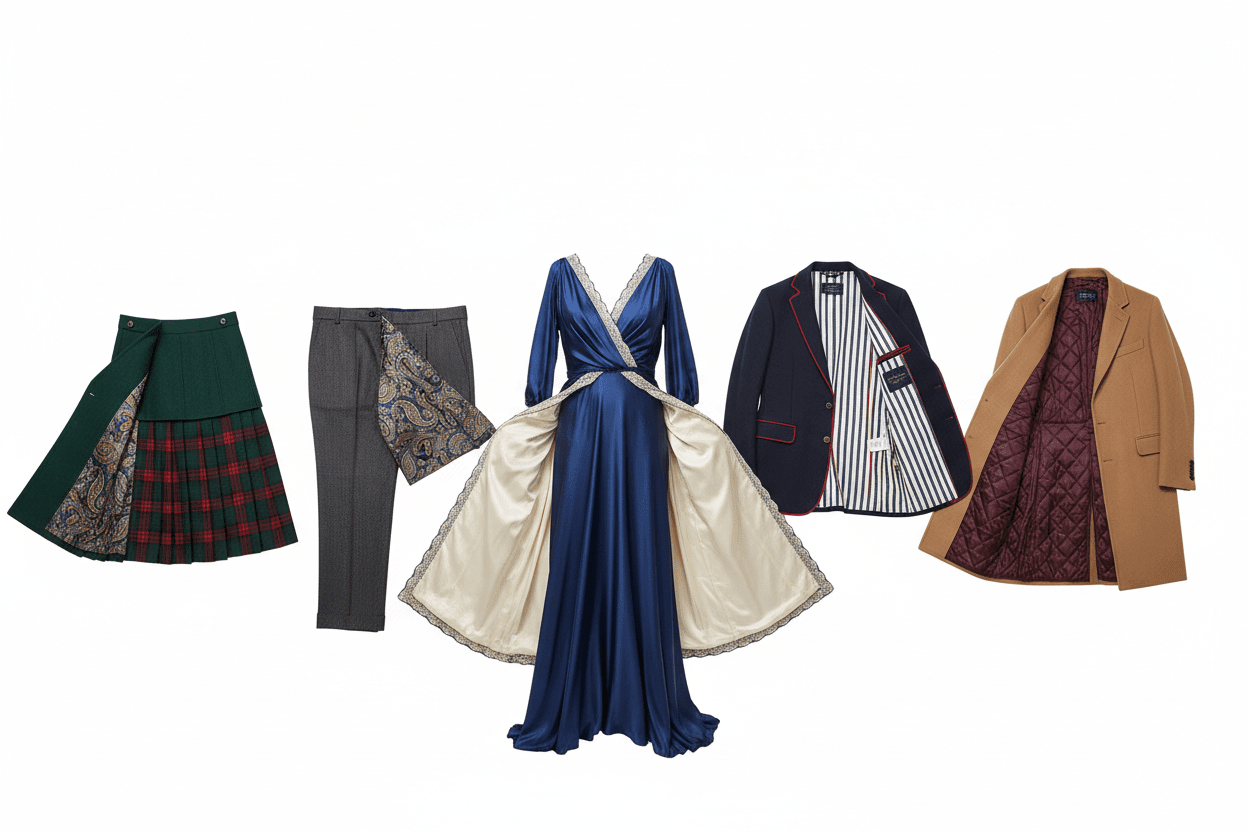
For a successful strapless dress, you should favor fabrics that hold the structure of the top of the dress well. A strapless dress often also requires reinforcements, a suitable lining, and sometimes boning depending on the level of structure desired.

Long or maxi dress
The long dress is often flowing and light.
Recommended fabrics:
- viscose
- muslin
- crepe
These fabrics allow for elegant movement. Light satin, cotton voile, or certain blends of natural fibers are also very suitable for long dresses, especially for an airy look.

Peter Pan collar dress
The Peter Pan collar dress brings a retro chic style and a neat look. Its rounded collar immediately gives a dressed and timeless appearance to the outfit.
Recommended fabrics:
- cotton
- poplin
- embroidered cotton
- viscose
- lace for the collar
Poplin is particularly interesting for giving a nice structure to the collar, while lace allows creating a more romantic effect.

Sweater dress
The sweater dress is ideal for cold seasons. It can be body-hugging, straight, or oversized depending on the desired style.
Recommended fabrics:
- jersey
- knit
- wool
Knit fabrics are the most suitable because they offer flexibility, warmth, and comfort.
The most used fabrics for sewing a dress
Some fabrics are particularly popular in dressmaking.
| Fabric | Use |
|---|---|
| Cotton | summer dresses |
| Viscose | flowing dresses |
| linen | light dresses |
| Satin | elegant dresses |
| Jersey | comfortable dresses |
| Gabardine | structured dresses |
These fabrics cover the majority of sewing projects.
Which fabric to use to sew a summer dress?
Summer dresses should be light and breathable.
The most suitable fabrics are:
- cotton
- linen
- cotton voile
- viscose
- muslin
These materials allow you to create lighter, airier, and more comfortable dresses for hot days. Verotex presents its fabric selection for dresses as suitable for both summer dresses and more formal dresses.
Mistakes to avoid when choosing fabric
Some mistakes can make sewing more difficult.
The most common mistakes:
- choosing a fabric that is too stretchy
- choosing a fabric that is too thick
- not testing the fabric before sewing
- ignoring the pattern instructions
You should also avoid choosing a fabric just because it looks nice, without checking if it really suits the intended dress model.
The same pattern can give very different results depending on the material used.
What equipment can help sew a dress better?
Fabric matters a lot, but so does the equipment.
If you sew clothes regularly, it can be useful to invest in a comfortable machine. Juki highlights the HZL-DX5 and HZL-DX7 as sewing/quilting models with useful comfort features for garment sewing: automatic thread cutter, needle threader, pivot function, and many utility stitches. The DX7 also features technology from the industrial sector and can sew heavier fabrics.
Conclusion
Choosing which fabric to sew a dress with is a crucial step to succeed in your sewing project. The fabric affects sewing ease, comfort, and the garment’s final look. Beginners can favor simple materials like cotton or poplin, while more fluid fabrics like viscose allow for elegant dresses.
By considering the dress style and your sewing level, you can select the right fabrics for dresses and succeed in your creation.
FAQ about What fabric to sew a dress with?
Which fabric is easiest for sewing a dress?
Cotton is the easiest fabric for beginners.
What fabric for a flowing dress?
Viscose, crepe, and muslin are ideal.
Can you sew a dress with jersey?
Yes, but this stretch fabric requires a specific technique.
What fabric for a summer dress?
Cotton, linen, and viscose are the most suitable.
Should fabric be washed before sewing?
Yes, to prevent shrinking after washing.


Leave a comment
This site is protected by hCaptcha and the hCaptcha Privacy Policy and Terms of Service apply.