














Table of Contents:
Which fabrics to choose for a lining? When sewing a garment, the lining is often an invisible but essential detail. It improves comfort, protects the outer fabric, and gives a more professional finish to the piece. A good lining also prevents transparency, hides seams, and makes putting on the garment easier.
But which fabrics to choose for lining depending on the garment you are making? Some materials are better suited for dresses, others for coats or jackets. The choice depends on the weight of the outer fabric, the desired comfort, and the season.
In this comprehensive guide, you will discover which fabrics to choose for lining depending on the type of garment, the most used materials, and mistakes to avoid to achieve a professional result.
Why use lining in sewing?
Before choosing the fabric, it is important to understand the role of lining in a garment. This inner layer improves both the aesthetics and durability of the piece.
Lining notably provides a clean interior that is pleasant to wear.
The benefits of lining
- it hides seams and seam allowances
- it makes the garment more comfortable
- it makes putting on the garment easier
- it protects the outer fabric from wear
- it improves the drape of the garment
Lining is especially useful for wool garments, rough fabrics, or transparent textiles.
The most used fabrics for lining
There are several materials commonly used for linings. Each fabric has specific characteristics that influence the comfort and appearance of the garment.
Among the most popular fibers are silk, viscose, acetate, and polyester.
The most popular lining fabrics
These fabrics are generally chosen because they are light, soft, and slightly slippery, which makes putting on the clothes easier.

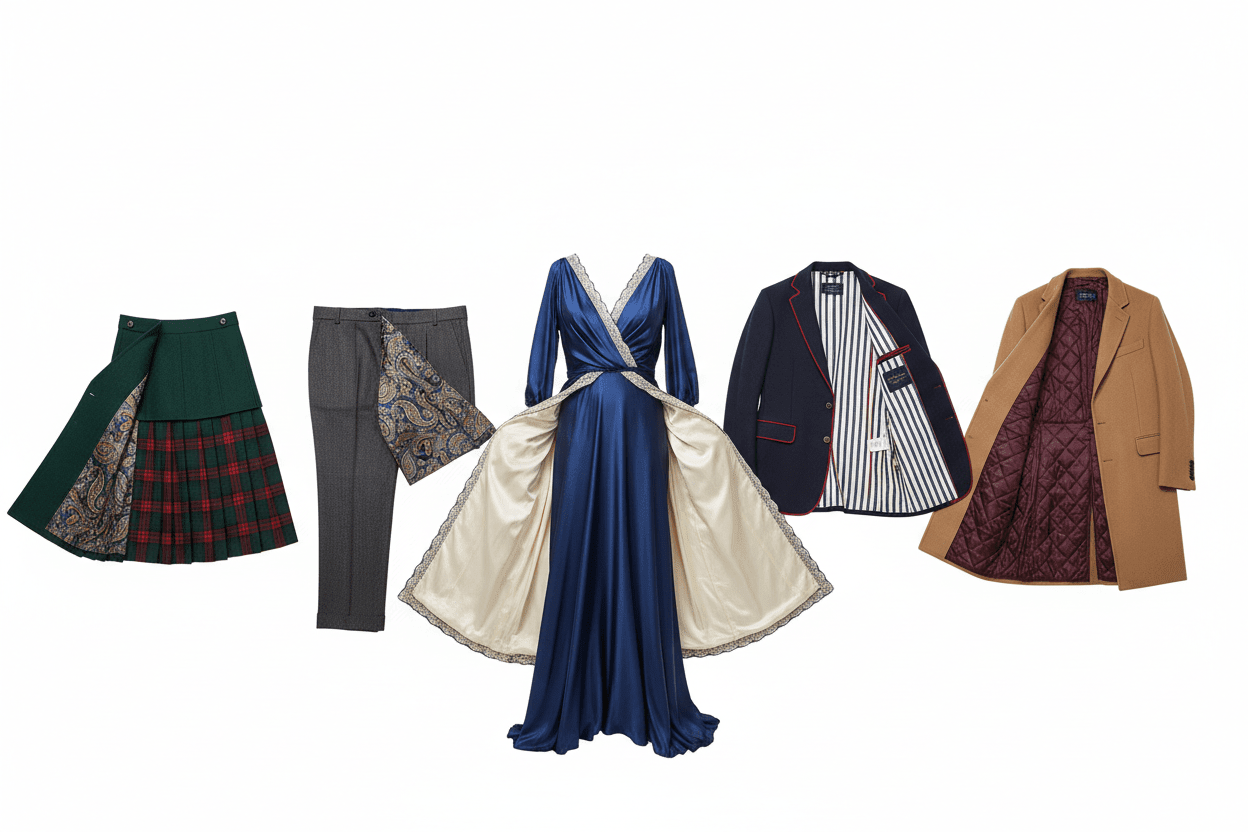
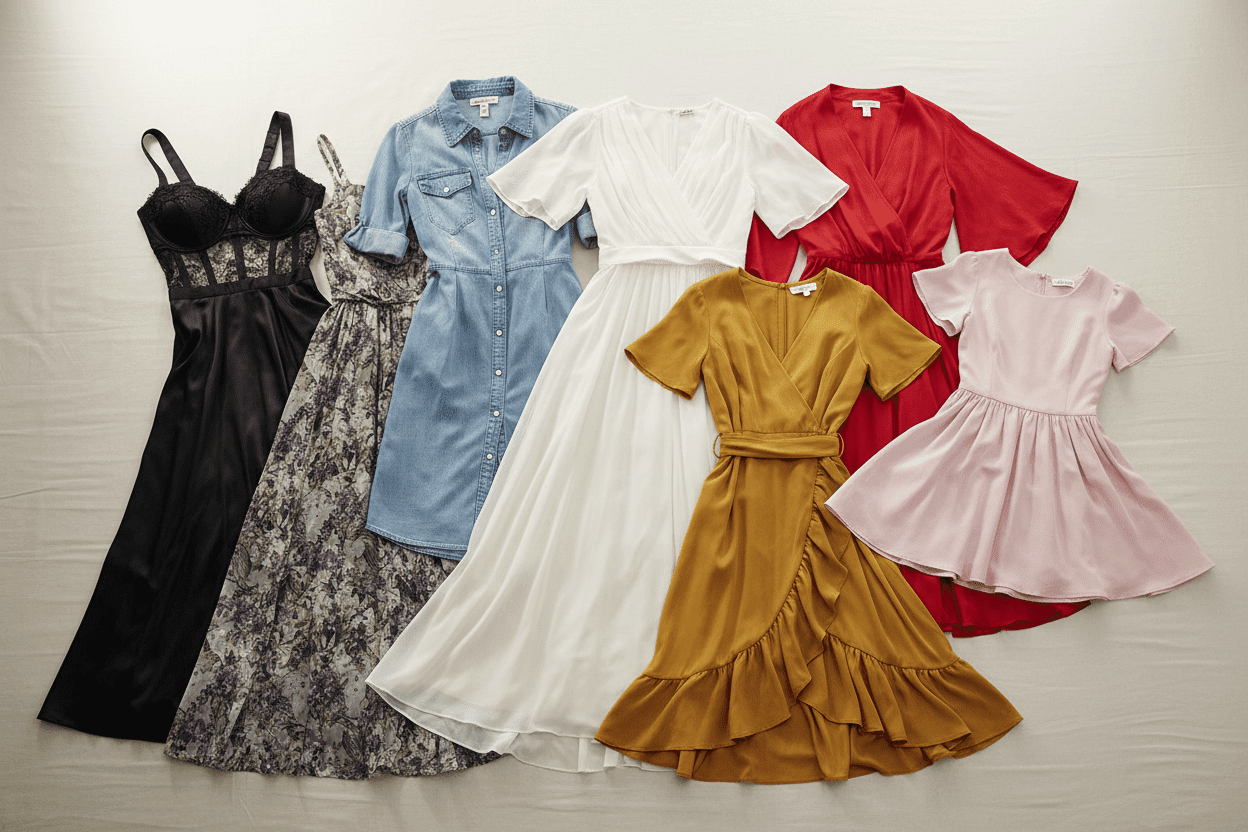
Which fabric for a dress lining?
Dresses are often lined to prevent transparency and improve comfort. The lining fabric must remain lightweight so as not to weigh down the garment.
Recommended fabrics
- viscose
- silk
- satin
- cotton voile
- lightweight polyester
Viscose is particularly appreciated because it is soft, breathable, and comfortable against the skin, making it ideal for dresses.

What fabric for the lining of a jacket or blazer?
Jackets and blazers generally require a smooth lining to make putting on and taking off the garment easier.
Suitable fabrics
- satin
- viscose
- acetate
- polyester
These fabrics offer a smooth and slightly shiny surface that allows the garment to glide easily over the clothes worn underneath.

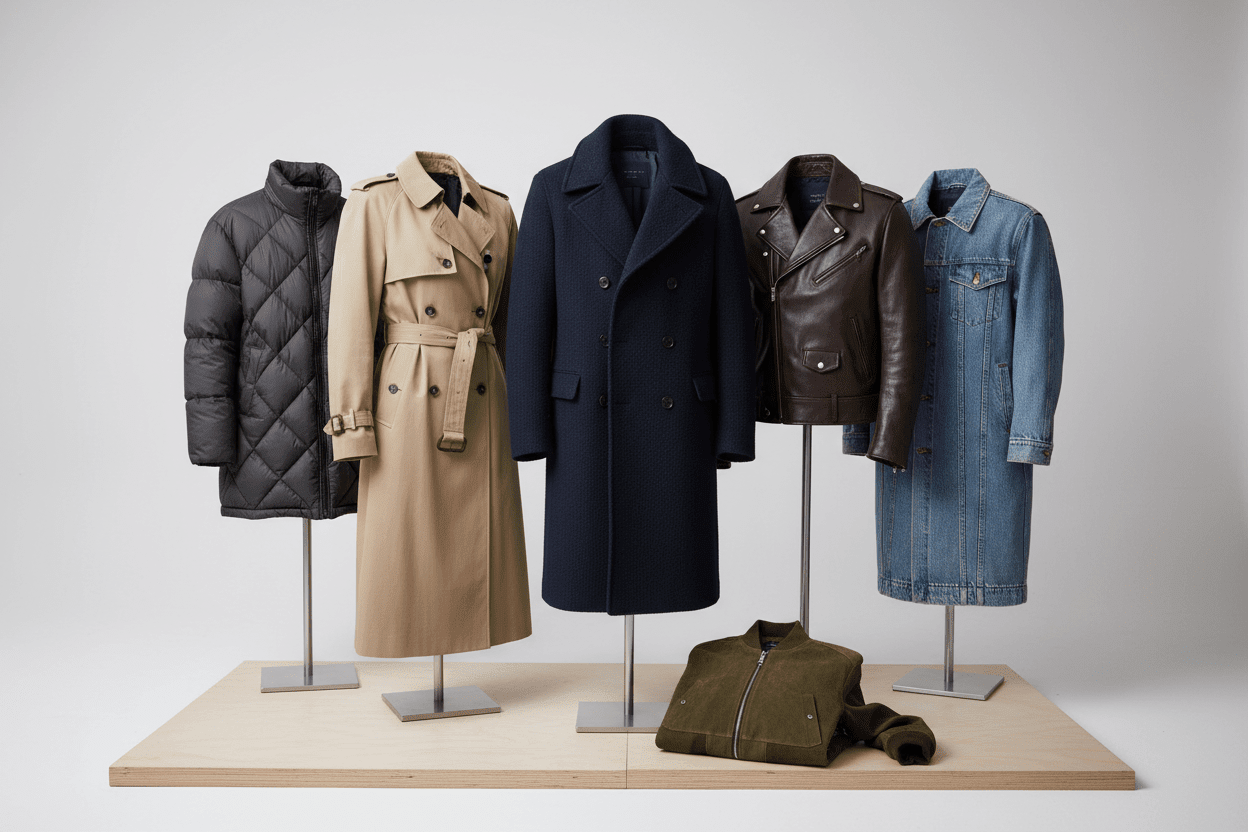
What fabric for the lining of a coat?
Coats often require a thicker lining to provide warmth and comfort.
Recommended fabrics
- quilted lining
- polyester
- thick satin
- thick viscose
- light fleece
For winter coats, insulating linings that provide extra warmth are often preferred.

What fabric for the lining of a skirt or trousers?
Skirts and trousers are sometimes lined to improve comfort and prevent the outer fabric from sticking to the skin.
The most suitable fabrics
- viscose
- satin
- polyester
- fine cotton
These materials allow you to get a comfortable garment while maintaining an elegant silhouette.
Summary table of fabrics by garment
| Garment | Recommended fabrics | Characteristics |
|---|---|---|
| Dress | viscose, satin | light and breathable |
| Jacket | satin, acetate | smooth surface |
| Coat | polyester, quilted lining | warmth |
| Skirt | viscose, fine cotton | comfort |
| Trousers | satin, viscose | slip |
How to care for a lined garment?
A lined garment sometimes requires a bit more careful care than a single-layer garment because it combines two different fabrics: the outer fabric and the lining. It is therefore important to respect the characteristics of each material to preserve the garment’s shape and quality.
Before washing, always check the main fabric’s label. In most cases, it is recommended to choose a gentle wash at low temperature to prevent the lining from deforming or shrinking.
Tips for caring for a lined garment
- prefer a delicate wash at 30 °C
- use a gentle detergent
- avoid spinning too hard
- iron the garment inside out if necessary
- hang the garment to preserve its shape
For more structured pieces like coats or jackets, dry cleaning can sometimes be preferable to preserve the lining and the garment's structure.
Common mistakes when lining a garment
Lining a garment may seem simple, but some mistakes can affect the comfort or final appearance of the piece. A poorly chosen or poorly sewn lining can cause wrinkles, poor drape, or discomfort.
It is therefore important to take the time to choose a suitable fabric and properly prepare the sewing.
The most common mistakes
- choosing a lining heavier than the outer fabric
- using a lining that does not breathe
- forgetting to wash the lining before sewing
- cutting the lining with the same seam allowances as the outer fabric without adjustment
- using a fabric that is too stiff, preventing the garment from moving naturally
A simple sewing rule is to choose a lining lighter and more fluid than the outer fabric. This ensures better comfort and a more harmonious drape.
Quality linings for flawless finishes
To achieve a professional finish, the choice of lining is just as important as the main fabric. At Verotex, we offer a selection of fabrics specially suited for lining: soft and breathable viscose, fluid satin, lightweight polyester, or fine cotton for added comfort. Our linings are chosen for their quality, smoothness, and durability to ensure garments that are pleasant to wear and long-lasting.
Whether you are making a light dress, a structured jacket, or a warm coat, you will find suitable lining fabrics for every project at Verotex. Easy to sew and available in various colors, they pair perfectly with your outer fabrics for a harmonious and neat result.
Conclusion
Knowing which fabrics to choose for a lining is essential to achieve a comfortable and durable garment. Materials like viscose, satin, or acetate are especially appreciated because they offer softness and smoothness.
The choice mainly depends on the garment you are making: dress, jacket, coat, or skirt. By choosing a lining suited to the weight and style of the outer fabric, you can improve the comfort, finish, and durability of your creation.
FAQ on Which fabrics to choose for a lining?
What is the best fabric for a lining?
Viscose is often considered one of the best choices because it is soft, breathable, and comfortable.
Can cotton be used for a lining?
Yes, fine cotton is a good option for summer clothes or children's clothing.
What fabric should be used to line a coat?
Polyester or quilted linings are often used to provide warmth and durability.
Should the lining be lighter than the outer fabric?
Yes, the lining generally needs to be lighter so as not to weigh down the garment.

Leave a comment
This site is protected by hCaptcha and the hCaptcha Privacy Policy and Terms of Service apply.