







Table of Contents:
What is an overlocker used for?
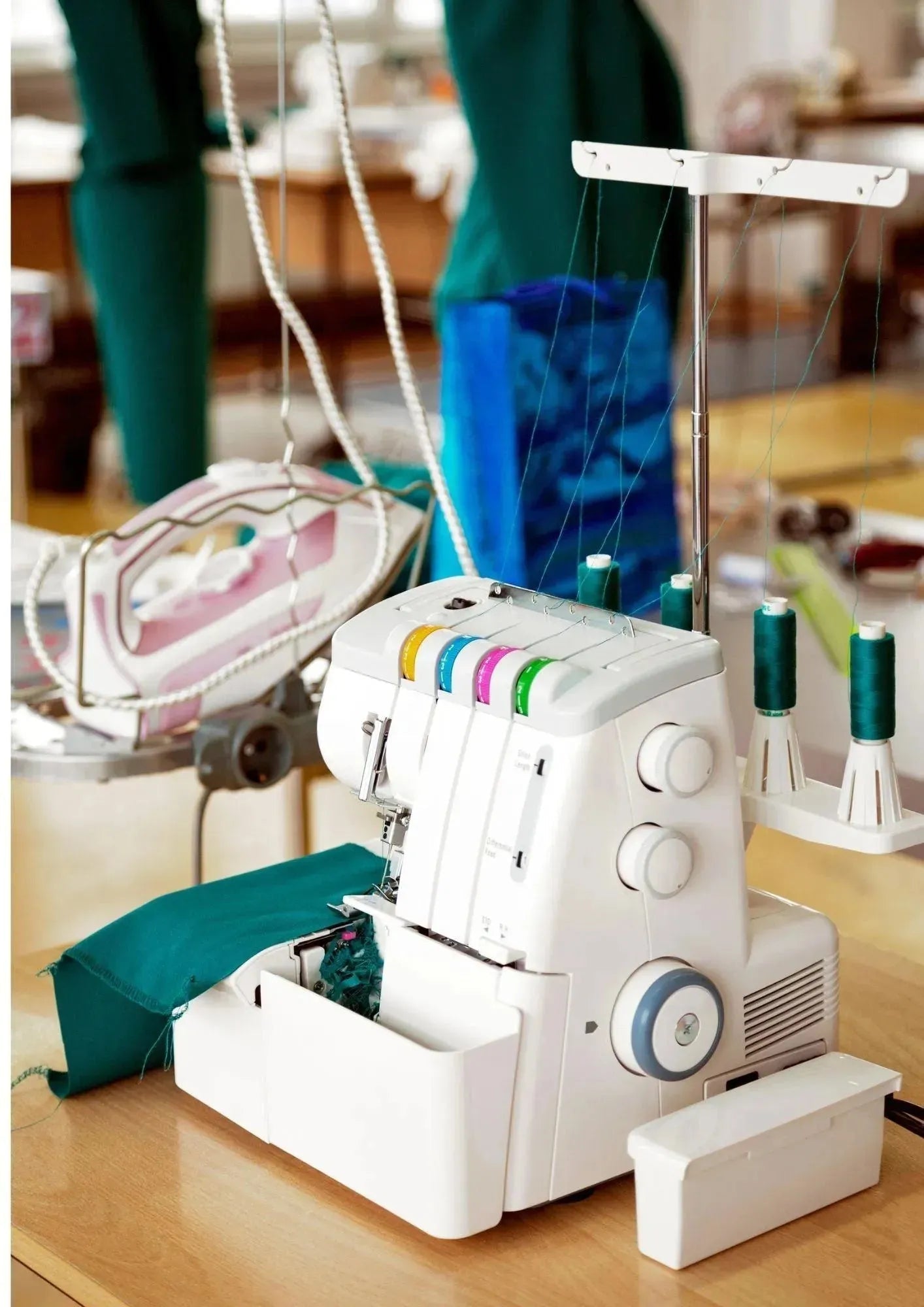
An overlocker (in English, overlock) is an essential machine for achieving neat, professional finishes in sewing. Unlike a classic sewing machine, it allows you to join, cut and overlock fabric easily in a single step. By definition, an overlocker has one or more loopers and an integrated knife to prevent the fabric from fraying. It is ideal for stretch fabrics, knitwear, lycra and lightweight fabrics, offering a 3-thread overlock, a 4-thread overlock and other stitches for a strong assembly. This machine works with spools and cones of thread for multiple threading, allowing perfect tension.
How do you use an overlocker?
Getting started with an overlocker may seem intimidating, but with a good guide and a little practice, it becomes easy to use. Its operation is based on multiple threading, adjusting thread tension and using the differential feed for a perfect result. A good presser foot and the appropriate foot allow you to adjust the fabric without difficulty. Sewing classes or a tutorial can help you learn to sew and master the various stitches: straight stitch, zigzag stitch, chain stitch or rolled hem stitch. The overlocker allows you to create neat hems and perfect finishes, thanks to options such as the upper looper and adjustable differential feed.
What stitches can be made with an overlocker?
An overlocker can create several types of stitches depending on the model and available options. The main ones include:
- Overlock stitch: Ideal for joining and overlocking in a single operation.
- Coverstitch: Used for hemming.
- Flatlock stitch: Creates a decorative effect or a flexible seam.
- Rolled hem stitch: Perfect for lightweight and decorative finishes.
- Narrow hem stitch: Provides a refined finish on lightweight fabrics.
- Neat edge stitch: For clean, durable fabric edges.
- Chain stitch: Provides an elastic, strong seam.
Why invest in an overlocker?
Investing in an overlocker is useful and allows you to purchase a machine that improves the quality of your creations by providing a clean, professional finish. This equipment is ideal for those who want high-quality finishes without wasting too much time. The purchase of a machine depends on your budget and needs: there are affordable entry-level models as well as professional overlockers with advanced options such as a free arm, adjustable differential feed or automatic tension adjustment. It also offers a major advantage, particularly for sewers looking for an elastic, durable finish.

What finishes can be achieved with an overlocker?
An overlocker offers many possibilities for achieving impeccable finishes. It allows you to overlock and neaten fabric edges while cutting away the excess for a clean result. Quality finishes are essential for carefully sewn projects, and an overlocker provides a neat, professional finish, ideal for ready-to-wear garments. It can also create a rolled hem and narrow overlock stitches for an attractive, clean seam. Overall, cutting and joining fabric has never been easier than with an overlocker.
How do you choose an overlocker?
When choosing an overlocker, it is important to consider several criteria:
- Range and model: There are entry-level products for beginners and professional overlockers.
- Options and accessories: Free arm, differential feed, removable knife, automatic thread tension, etc.
- Price and budget: A comparison helps you find a product with the best value for money.
- Reviews and recommendations: Find out about popular models to make the right product choice. You can rely on our expert advice in-store.
- Threading system: Automatic or assisted threading makes operation easier and prevents errors.
When should you use an overlocker?
An overlocker is ideal for technical sewing projects requiring clean, durable finishes. It is particularly suited to stretch fabrics such as knitwear or lycra, as well as for creating pieces requiring a strong, elastic seam. Whether you need to join, overlock or create a decorative stitch, this overlock machine makes sewing more enjoyable and prevents the fabric from fraying. It also provides a clean, neat edge through the combined action of the presser foot, looper and feed dogs.

What is the difference between an overlocker and a coverstitch machine?
This is a common question when you are new to sewing! The overlocker and the coverstitch machine are two different but complementary machines.
The overlocker is used to sew, join and neaten edges in a single step. It cuts the fabric along the edges and passes the thread through the loopers to create a strong, clean seam, often called overlocking. This is ideal for preventing fabrics from fraying, especially stretch materials. It can also create rolled edges for a delicate finish.
The coverstitch machine, on the other hand, does not cut the fabric. It is used to create visible hems, such as those on T-shirts. On the right side, it sews two parallel lines, while a looper thread forms a stitch underneath. This is perfect for an attractive, professional finish.
So, what is each machine used for? The overlocker is used for joining and finishing, while the coverstitch machine is used for clean, elastic hems. There are also combination machines, but they are more technical.
If you are unsure about investing, be aware that the overlocker is often the first purchase after a classic sewing machine, as it saves a great deal of time. For enthusiasts of knitwear garments, a coverstitch machine is a real bonus! Our service can help you choose the right machine according to your needs and creative projects.
How do you use your overlocker?
If you have just bought an overlocker or would like to learn how to use it, you are in the right place. Unlike a classic machine, the overlocker cuts the fabric and creates a perfect overlocked finish in a single pass, thanks to its loops and multiple needles.
It generally uses cone threads, with an upper and lower looper, a right needle and a left needle, allowing it to create different types of stitches such as a narrow overlock, zigzag or overlock stitch. This stitch is ideal for stretch fabrics or fabrics requiring a clean, attractive finish.
To get started, it is important to properly adjust the tension, set the differential feed and manage the feed dog to prevent waves in lightweight fabrics. Each thread is adjusted separately, according to the material and the fabric allowance.
Our service supports you with every question, from threading and adjustments to using the main stitches. Do you want to understand how to use the overlock stitch or how to manage an allowance on the fabric edge?
Find all our tutorials and explanations on the blog to master every function of your machine and easily create professional-quality finishes.
The Overlocker in Brief
An overlocker is an essential machine if you want to work on finishes and ensure a clean, durable overlocked finish. Unlike a classic sewing machine, it uses several threads to form, among other things, a chain stitch, which is ideal for preventing fabrics from fraying.
Its main purpose is to sew and neaten edges in a single movement, while cutting away excess fabric for a clean, professional appearance. Thanks to its looper system, it can create stretch seams, perfect for knitwear or stretch garments.
One of its advantages is the ability to adjust separately the thread tension to suit each fabric and prevent sewing problems. This makes it easier to create precise, harmonious finishes.
If you want to better understand how it works, here is an example: when sewing a straight line on the right side of the fabric, the overlocker creates an identical finish on the wrong side. This rapid thread passage provides enhanced strength.
Whether you are a beginner or experienced, an overlocker can offer considerable time savings and a professional result. Its smooth, fast work area makes it a tool of choice for anyone who wants to take their sewing creations further. Discover in detail how it works and how to use it to transform your creations every day!


Leave a comment
This site is protected by hCaptcha and the hCaptcha Privacy Policy and Terms of Service apply.