






Table of Contents:
When starting out or improving in sewing, it is often difficult to navigate the many presser feet for sewing machines available. Which foot should you use to install a zipper, make a clean hem, or sew delicate fabrics? Understanding the function of presser feet is essential to gain precision, comfort, and sewing quality.
This glossary of essential presser feet for your sewing machine was designed to answer this question precisely. Each presser foot has a specific role: holding the fabric, facilitating its movement, or securing a particular technique. Yet, many sewists use only the standard foot, without taking full advantage of the types of sewing machine feet available to them.
In this article, you will discover a glossary of essential presser feet for your sewing machine presented clearly and practically: descriptions of must-have feet, situations in which to use them, and tips for choosing the right foot for your project. The goal is to help you better understand your sewing machine accessories, avoid common mistakes, and sustainably improve the quality of your creations, whatever your sewing skill level.
What are the presser feet of a sewing machine used for?
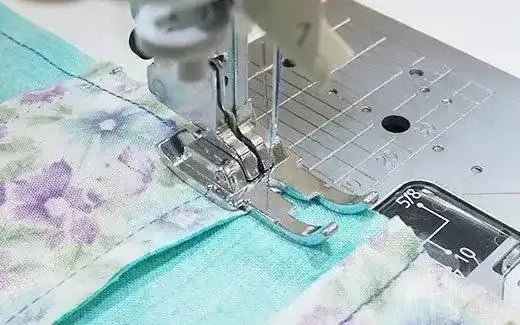
The presser feet play a fundamental role in the operation of a sewing machine. They hold the fabric against the feed dogs and directly influence the quality, consistency, and accuracy of stitches.
The role of the presser foot in sewing quality
The presser foot allows the machine to feed the fabric steadily and evenly. Without the right foot, even a well-adjusted machine can produce uneven stitches.
- Hold the fabric without crushing it
- Ensure smooth feeding
- Stabilize stitch formation
- Secure certain sewing techniques
Why use a foot suited to each technique?
Each sewing technique has specific requirements. Using the wrong foot can cause visible defects and make sewing harder than it should be.
The 10 essential presser feet for your sewing machine (glossary)
This glossary of essential presser feet for your sewing machine gathers the most useful presser feet for everyday use. They cover the essentials, from basic assembly to more technical finishes.
Standard foot

The standard foot is the basic foot supplied with most sewing machines. It allows straight stitching and is also used for zigzag stitches, as well as many utility stitches. Versatile, it is mainly used for general assembly of woven fabrics.
Zipper foot

The zipper foot allows sewing close to the teeth of a regular zipper. Its narrow shape makes it easy to sew straight zippers precisely without distorting the fabric or creating irregularities.
Invisible zipper foot

This foot is specifically designed for installing invisible zippers. It guides the coils so they position correctly in the seam and completely disappear once the zipper is closed.
Teflon foot

The Teflon foot is designed for materials that stick under a regular foot, such as faux leather, thin leather, vinyl, or coated fabrics. Its slippery sole ensures smooth feeding and prevents jerks.
Dual feed foot

The dual feed foot feeds the fabric from both the top and the bottom, which greatly reduces layer shifting. It is especially useful for thick, stretchy, or slippery fabrics, but also for sewing two different types of fabrics together, ensuring even alignment.
Overlock foot

The overlock foot allows you to overcast fabric edges to prevent fraying, mimicking the work of a serger on a sewing machine. It guides the fabric along the edge for a clean and even finish.
Rolled hem foot

The rolled hem foot is used to make very narrow hems, rolled onto themselves. It is especially suitable for lightweight and flowing fabrics like viscose, chiffon, or voile.
Topstitch foot

Topstitching is a visible stitch. The topstitch foot allows you to make even stitches, perfectly parallel to the fabric edge or an existing seam, thanks to its built-in guide.
Bias tape foot

The bias tape foot guides the folded bias tape during sewing. It helps apply the bias tape evenly on necklines, armholes, or straight edges, maintaining a consistent width.
Buttonhole foot

The buttonhole foot allows you to make regular buttonholes sized to the button. It ensures a clean and even finish, essential for buttoned garments.
How to choose the right presser foot for your sewing project?
Choosing the right presser foot mainly depends on the fabric used and the sewing technique. This choice directly affects sewing ease and the final result.
Which presser foot for the fabric used?
Some fabrics require a specific foot to be sewn properly.
- Thin fabrics: standard foot, rolled hem foot
- Thick fabrics: dual feed foot
- Stretch fabrics: dual feed foot
- Slippery fabrics: Teflon foot
Which presser foot for each sewing technique?
| Sewing project | Recommended foot | Main advantage |
|---|---|---|
| Zipper insertion | Zipper foot | Precision |
| Topstitching | Topstitch foot | Consistency |
| Bias tape application | Bias tape foot | Clean finish |
| Thick assembly | Dual feed foot | Even feed |
Universal presser feet vs specific feet: what are the differences?
Not all presser feet serve the same purposes. Understanding this difference helps you use your accessories better without buying unnecessary extras.
Universal presser feet
Universal feet, like the standard foot, cover many common situations. They’re ideal for assembling and simple seams.
Specialized feet: when do they become essential?
Specialized feet provide real comfort as soon as you want to improve the precision, consistency, or finish of a seam.
Common mistakes with sewing machine feet
Even with good accessories, some mistakes can harm the final result. Knowing them helps you avoid them easily.
Using the wrong foot: what risks for sewing?
- Irregular stitches
- Distorted or damaged fabric
- Inaccurate seams
- Wasting time
Properly install and adjust a presser foot
A poorly installed foot can cause problems even if it’s the right one. Checking its attachment and foot pressure is essential.
Bonus for the Glossary of Essential Presser Feet for Your Sewing Machine
This section gathers practical advice to help you make the most of your presser feet.
Sewers’ tips for getting the most out of your presser feet
- Always test on a scrap piece
- Adjust the foot pressure
- Regularly clean the presser feet
Should you invest in a presser foot set?
A set can be useful for discovering new feet, provided you check their compatibility with your machine.
Conclusion: Know your presser feet well to sew better
Mastering the glossary of essential presser feet for your sewing machine helps you gain precision, comfort, and confidence. Each presser foot meets a specific need and makes sewing easier when used correctly. By learning to choose the right foot based on the fabric and technique, you fully unlock your machine’s potential and sustainably improve the quality of your projects.
FAQ on the Glossary of Essential Presser Feet for Your Sewing Machine
Are all presser feet compatible with all machines?
No, compatibility depends on the machine’s attachment system.
Which foot should you use when you’re new to sewing?
The standard foot is enough to get started.
Can you sew without changing the presser foot?
Yes, but changing the presser foot significantly improves the result.

Leave a comment
This site is protected by hCaptcha and the hCaptcha Privacy Policy and Terms of Service apply.