














Table of Contents:
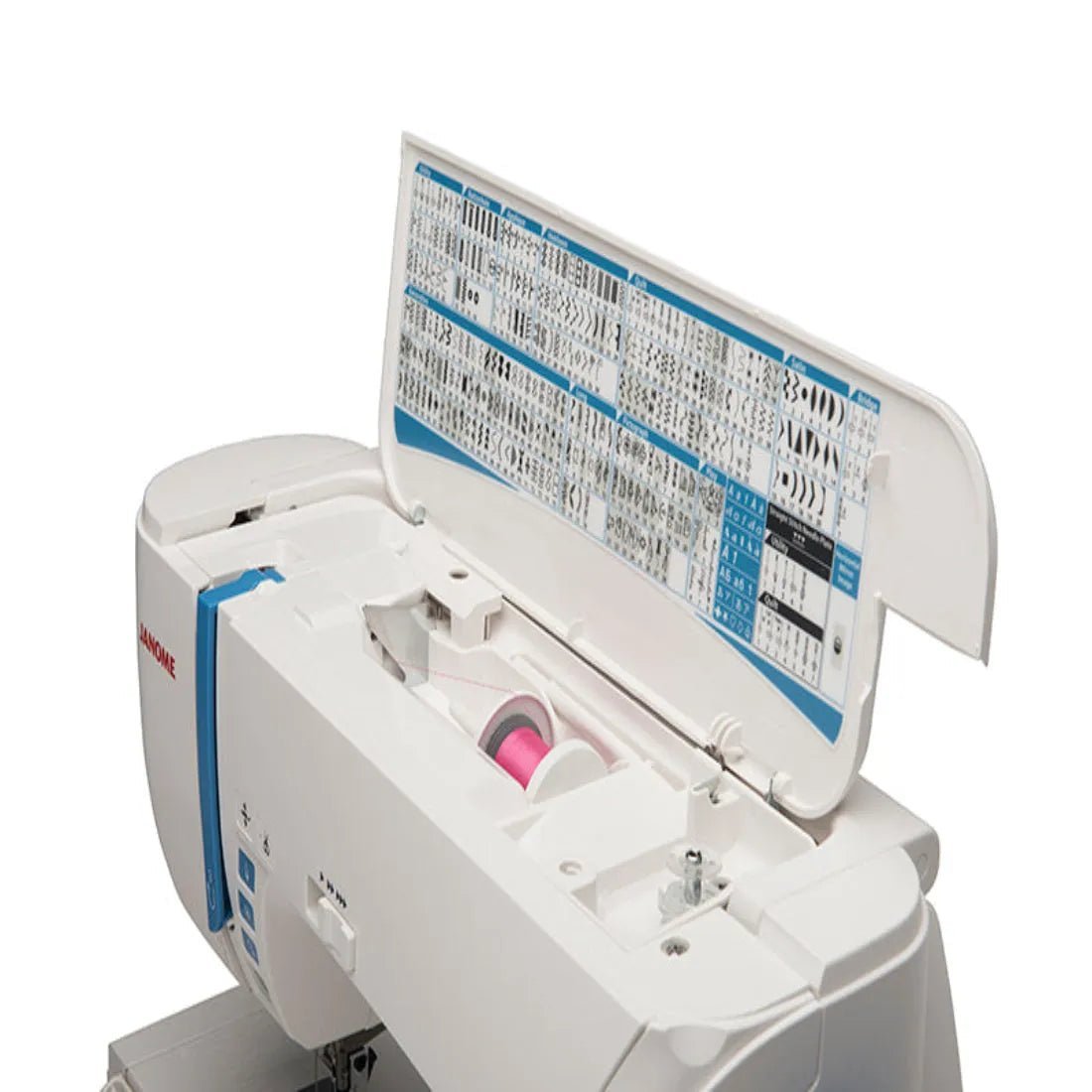
When you are starting out or want to improve your sewing, understanding the common stitches on your sewing machine is an essential step. Each stitch has a specific function: joining, overcasting, decorating, or reinforcing certain areas of a garment.
In this article, we offer a clear and practical glossary of the stitches most commonly found on a domestic sewing machine, to help you choose the right stitch at the right time.
Why is it important to know the common stitches on your sewing machine well?
All sewing machines offer a selection of built-in stitches. Yet many sewists use only the straight stitch, without making full use of their machine's potential.

👉 Mastering the common stitches on your sewing machine means:
- Improve the quality of your finishes
- Increase strength and durability
- Adapt your seams to different fabrics
- Avoid common mistakes (seams breaking, fabrics puckering…)
The straight stitch
The essential basic stitch
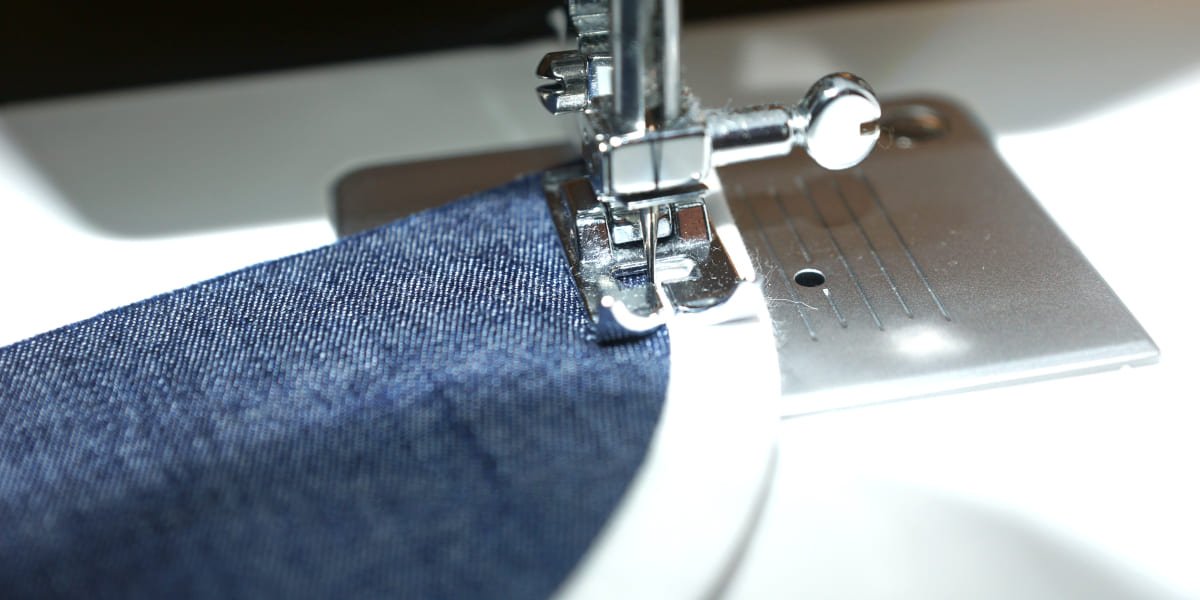
The straight stitch is the most commonly used stitch in sewing.

What is it used for?
- Join two pieces of fabric
- Create straight seams
- Create topstitching
Usage tips:
- Ideal for woven fabrics (cotton, denim, canvas)
- Standard stitch length: 2.5 to 3 mm
- Avoid on stretchy fabrics (the thread may break because the stitch is not elastic)
The zigzag stitch
The ultimate versatile stitch
The zigzag stitch is one of the most useful common stitches on your sewing machine.

What is it used for?
- overcast the fabric edges
- Sew stretchy fabrics
- Attach elastic
- Create appliqués
Usage tips:
- Adjust the width and length according to the use
- The tighter the zigzag, the stronger the seam
The tight zigzag stitch (or satin stitch)
For strong and decorative finishes
The satin stitch is a very dense zigzag.

What is it used for?
- reinforce areas (buttonholes, appliqués)
- decorative finishes
- simple embroidery
Tip:
Use quality thread and slow down the sewing speed for a neat finish.
The stretch stitch (or elastic stitch)
Essential for stretch fabrics
The stretch stitch is designed to follow the fabric's elasticity.

What is it used for?
- sew jersey
- sew fabrics containing elastane
- create strong, stretchable seams
Advantage:
The seam stretches without breaking, unlike the straight stitch.
The triple stitch (or reinforced straight stitch)
For areas subject to tension
This stitch resembles a straight stitch but goes over the same spot three times.
What is it used for?
- trouser hem seams (jeans type jeans)
- crotch
- shoulders
- areas subject to strain
It is one of the common stitches on your sewing machine ideal for reinforcing a garment.
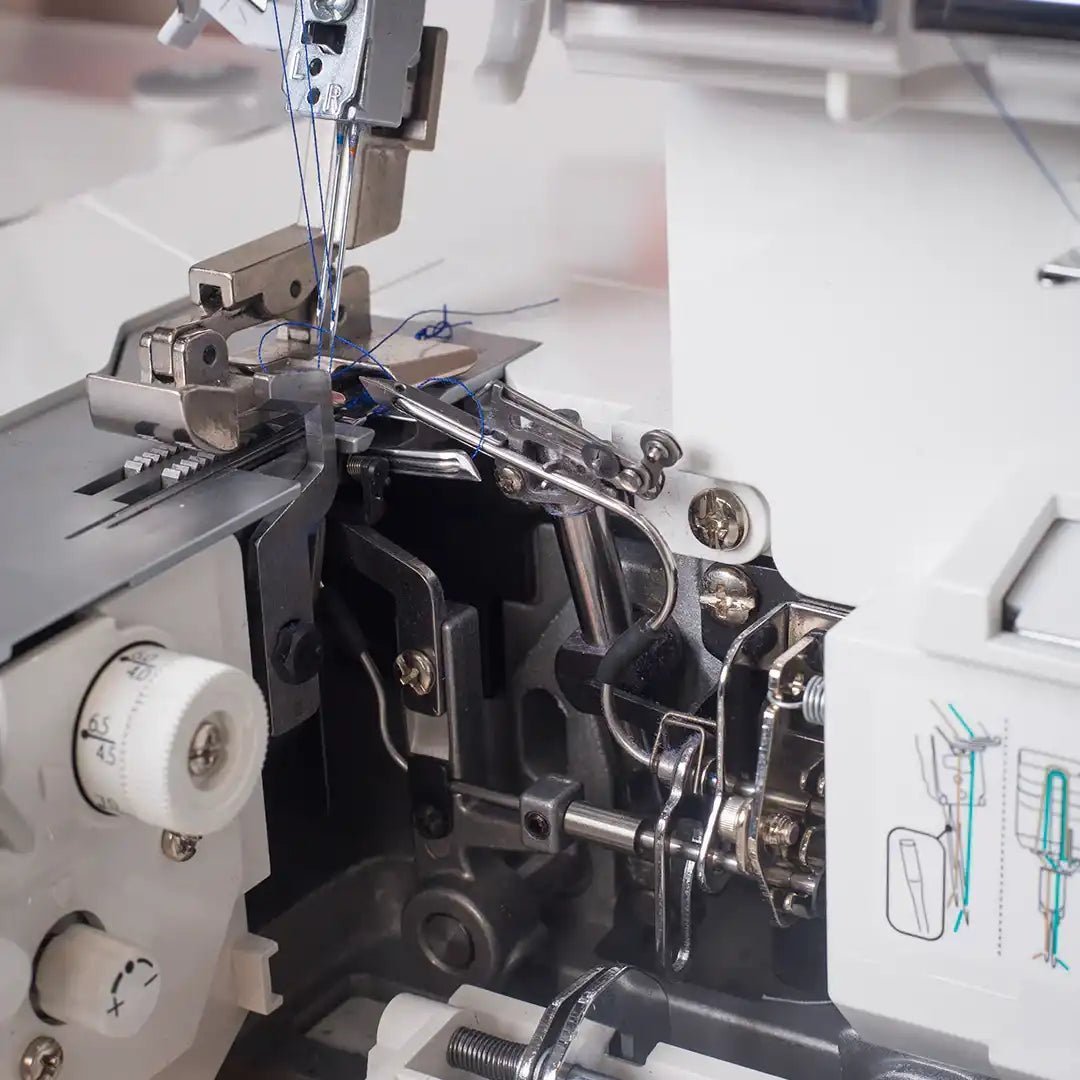
The overlock stitch (or overcasting stitch)
An alternative to an overlocker
Some machines offer an overlock stitch.

What is it used for?
- overcast the fabric edges
- limit fraying
Good to know:
This stitch does not completely replace an overlocker, but it provides a neat finish on a standard sewing machine.
The buttonhole stitch
Automatic or in several steps
The buttonhole stitch is used to create even buttonholes.
What is it used for?
- create strong, neat buttonholes
Tip:
Always test on a fabric scrap before sewing on the garment.
The decorative stitch
To personalize your creations
The decorative stitches vary depending on the machine.
What are they used for?
- decorate a garment
- personalize accessories
- create visible finishes
They are not essential, but they allow you to add a creative touch.
How do you choose among the common stitches on your sewing machine?
Before sewing, ask yourself these questions:
- Is my fabric stretchy?
- Do I need strength or flexibility?
- Is it an invisible or decorative seam?
👉 Choosing the right stitch ensures durable, professional sewing.
Conclusion
Understanding the common stitches on your sewing machine is an essential step toward improving your sewing skills and gaining confidence in your projects. Each stitch has a specific function: joining, reinforcing, overcasting, or decorating. Knowing when and how to use them helps you achieve stronger, neater seams that are better suited to each fabric.
With this illustrated glossary, you now have a clear foundation for choosing the right stitch at the right time, avoiding common mistakes, and making full use of your sewing machine's capabilities. Whether you are a beginner or an experienced sewer, this knowledge will save you time and sustainably improve the quality of your creations.
👉 Feel free to test each stitch on fabric scraps: practice remains the best way to master the common stitches on your sewing machine and develop more precise, comfortable, and professional sewing.

Leave a comment
This site is protected by hCaptcha and the hCaptcha Privacy Policy and Terms of Service apply.