









Table of Contents:
Do you dream of creating unique pieces, but can't find a model that clearly meets your needs for quality and durability? Finding the ideal sewing and embroidery machine can sometimes be a headache, with technical options and tight budgets.
We reveal the essential criteria for finding the rare gem, along with tips for avoiding pricing pitfalls. We will also be delighted to share our favorite picks from the brands (yes, Janome and Elna are in the running!).
Important criteria for finding THE ideal machine
Choosing the ideal sewing and embroidery machine requires careful thought. From defining your needs to planning your budget and assessing value for money, every criterion matters. Are you also wondering which sewing machine to choose for thick fabrics? Should you choose a combination machine or a dedicated embroidery machine? Here are the keys to making the right decision.
Defining your needs before purchase
Are you planning to make reusable wipes or embroider anniversary tablecloths? When choosing a sewing and embroidery machine, intended use determines everything. So, determine how many hours per week you will use this machine. Occasional projects can make do with an entry-level model, unlike intensive use.
The key is matching the features to the fabrics used. Find all types of fabric you need for your embroidery projects in our online store. Denim requires special needles and adjustable tension, unlike silk, which requires a stabilized embroidery hoop. Also consider specific stitches: zigzag is for stretchable hems, while complex motifs are for decoration.
Before rushing into a purchase, carefully examine your actual needs:
- List your typical projects: textile personalization, garment making or home decoration
- Estimate your frequency of use: occasional, weekly or intensive
- Make an inventory of the essential accessories: embroidery hoops, special threads and presser feet
- Plan for how your skills will develop: choose an upgradeable machine with an upgradable embroidery module

Budget and value for money
Allow at least €900 for a versatile sewing and embroidery machine. Mid-range combination models offer the best compromise, unlike professional embroidery machines, which can cost up to €14,000.
Beware of hidden costs associated with purchasing accessories such as specific thread bobbins, pattern design software, and additional hoops, which can increase the total cost. Allow 20% of the initial budget for these accessories. Some packages also include stabilizers and needles. To avoid unpleasant surprises, always remember to check the contents of the offer.
Comparison of combination machines vs embroidery-only machines
Are you hesitating between versatility and specialization? This comparison table will help you decide. For intensive production, it details the suitable models.
|
Combination machines vs specialized embroidery machines |
||
|
Feature |
Combination machines |
Embroidery-only machines |
|
Versatility |
Sewing + embroidery |
Embroidery only |
|
Workspace |
Medium (20x30cm) |
Large (40x50cm) |
|
Target audience |
Creative hobbies |
Professional workshops |
|
Average investment |
900-2500€ |
3000-14,000€ |
Janome machines appeal to beginners with their intuitive interface, while Juki machines satisfy demanding experts. Your choice will mainly depend on the frequency and complexity of your designs.
The features that make the difference
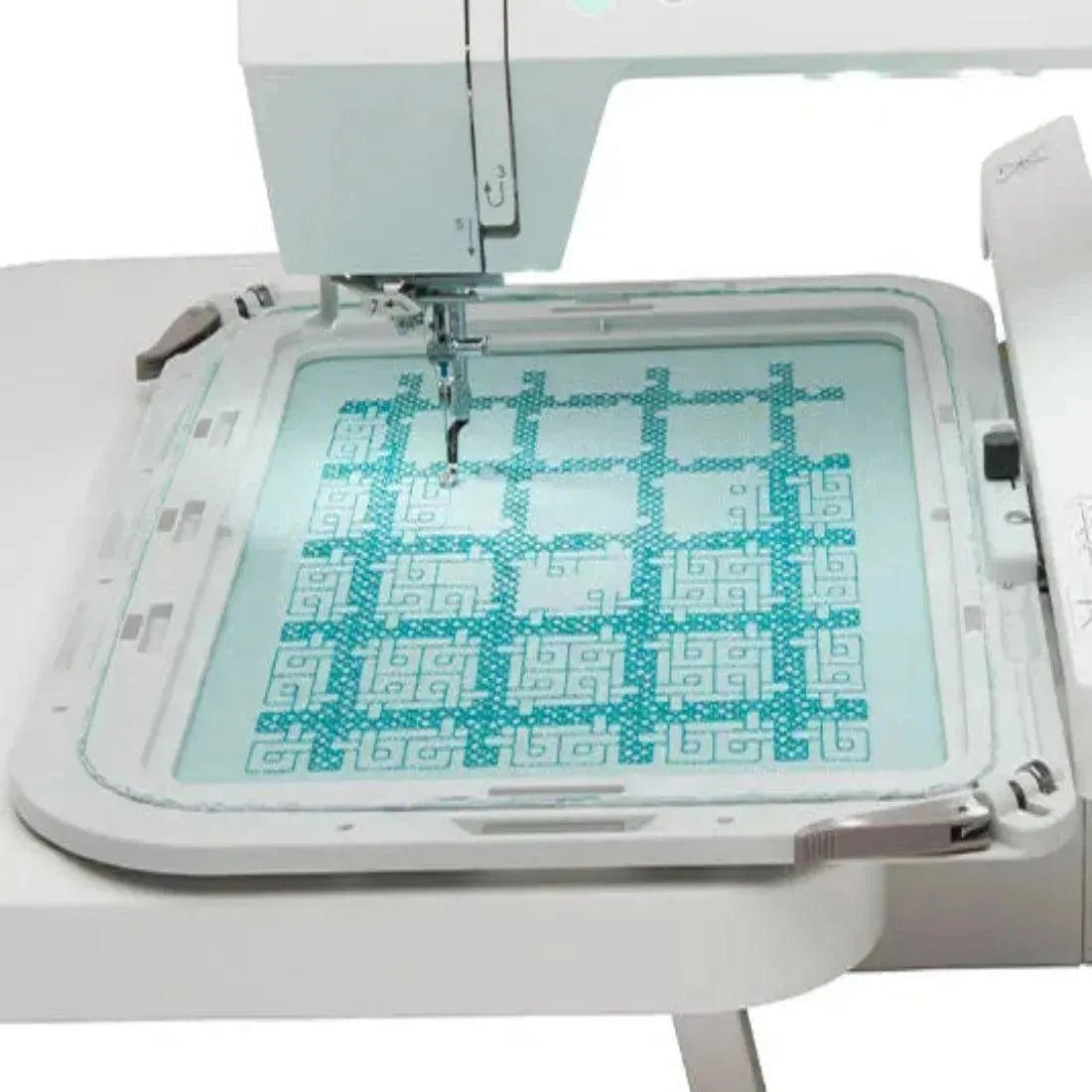
The embroidery hoop size determines your creative possibilities. An embroidery sewing machine equipped with a 30x40 cm hoop allows you to create XXL designs on curtains or tablecloths, while a small circular hoop is ideal for shirt sleeves. However, be aware that larger hoops require more workspace but offer complete freedom.
If you work with large volumes, using an industrial sewing machine can effectively complement your equipment, particularly for fast finishes and repetitive stitching. Automatic threading is a game changer for tired eyes, while the self-threading needle guides the thread in 3 seconds. These innovations are often accompanied by powerful design software for creating custom patterns directly from your tablet.

Overview of the market players
The embroidery sewing machine market is full of innovative brands. Janome has established itself as the leader in versatile models, but other creative alternatives deserve attention. This overview will help you better understand the options available before making your choice.
Janome: leader in versatile machines
Discover the hybrid machines in the Janome Memory Craft range with a 10" touchscreen. Their “mirror embroidery” function transforms the personalization of asymmetrical textiles. Some models even accept vector designs from a smartphone.
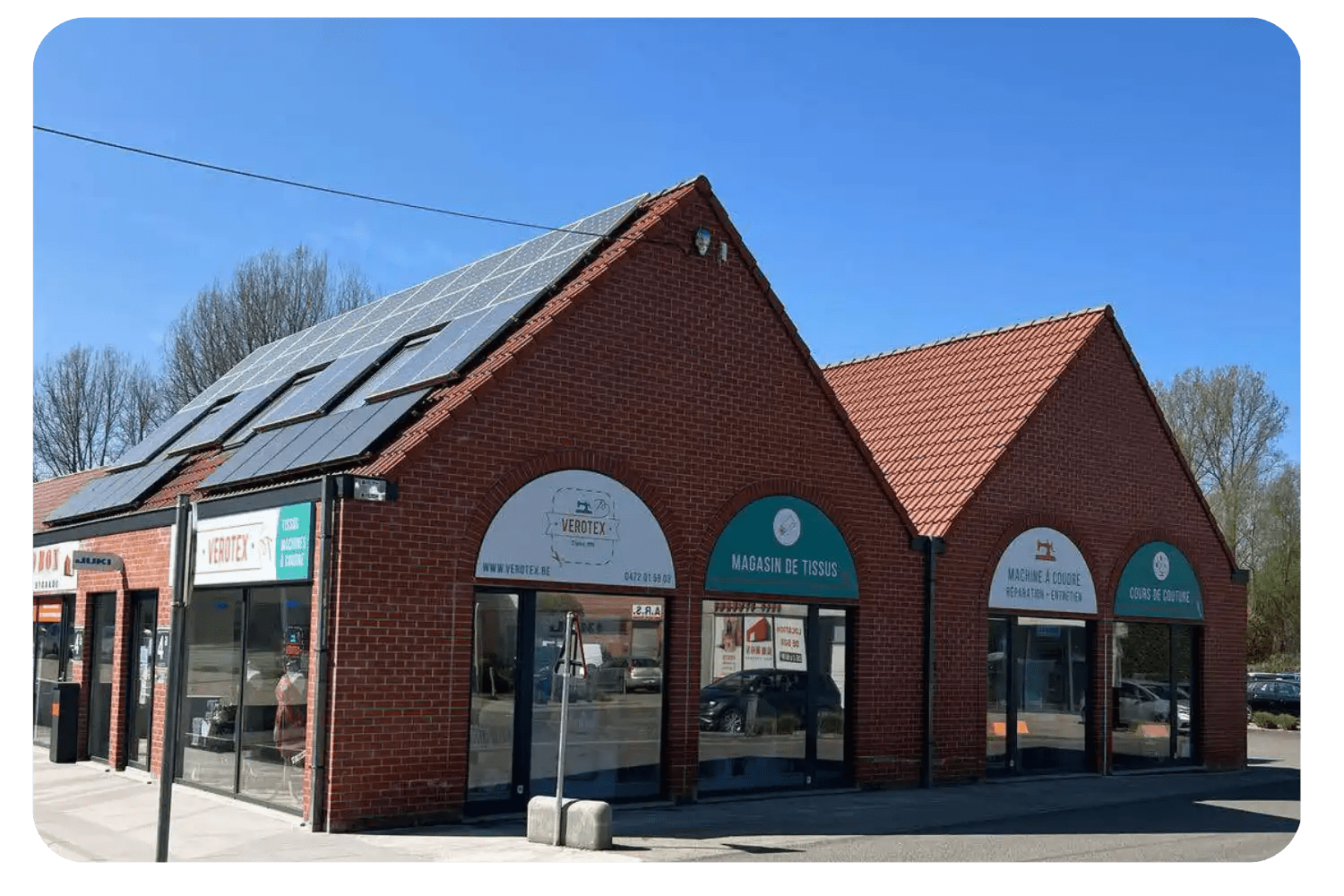
Look out for summer promotions from authorized retailers such as Verotex: bundles with complimentary stabilizers or discounts on professional software. Dedicated software solutions turn your tablet into a mobile creative studio.
Elna: Swiss excellence
In Elna's eXpressive range, you will find durable combination models designed for high-level embroidery and sewing projects. Each embroidery sewing machine in this series stands out for its performance and precision, delivering remarkably crisp stitches.
The white LED lighting perfectly illuminates the work area, and the high-definition LCD touchscreen makes it easy to switch from one option to another. In addition, these machines are often equipped with different types of presser feet to adapt sewing to the specific requirements of each project. Also visit Verotex to discover several Elna embroidery sewing machine models.
Creative alternatives
The high-density embroidery modules from Bernina reach 1,500 stitches/minute without vibration. Their patented clutch system guarantees perfect tension on technical fabrics. Perfect for demanding creators, this brand offers free software updates for 3 years.
Optimizing your machine over the long term
To get the most out of your embroidery sewing machine over the long term, careful setup, regular maintenance, and effective troubleshooting are essential. Also discover the essential accessories to ensure everyday performance and durability.
Initial setup
Tension calibration is essential from the very first uses of an embroidery sewing machine. You should test different settings on fabric scraps similar to those used for your projects, as improperly adjusted tension causes loose stitches or frequent thread breakage.
Choose your needles as you would your shoes. A well-equipped sewing and embroidery machine will use ballpoint needles for jersey and triangular blades for leather. To ensure optimal precision, remember to change them every 8 hours of use.

Daily maintenance
A quick brush after each session extends the life of your sewing and embroidery machine by preventing the mechanisms from becoming clogged. Clean the bobbin case and feed dogs with the brush provided. Lint accumulated on the hook is a real breeding ground for breakdowns.
To properly maintain your sewing and embroidery machine, lubricate the moving parts every 50 hours of use with the oil recommended by the manufacturer. Be careful: excess lubricant attracts dust. One drop is enough on the main shafts. Consult the manual to locate the key lubrication points.
Troubleshooting common problems
Loops under the fabric often indicate a bobbin threaded incorrectly. Check the direction in which the thread is wound and the spring tension. A sharp click when you shake the case indicates the correct adjustment.
Errors when reading designs are generally caused by corrupted files. Always convert your designs to the machine's native format. Restart the device before trying again, as 90% of software bugs are resolved this way.
Essential accessories
Universal stabilizer kits are the Swiss Army knife of embroiderers. Water-soluble for lace, fusible for leather, every textile has its ally. Plan on at least 3 types to cover all your projects.
Invest in additional hoops to save a great deal of time. A 5x7cm format is ideal for small motifs on pockets, while an XXL 30x40cm hoop gives free rein to your creativity on curtains. Some magnetic models can be installed in 2 seconds!
You are now equipped to find the sewing and embroidery machine that will suit your projects. Don't let doubts get in the way of your ideas anymore, because that rare gem exists. You will find what you need in our store, whether it's high-performance machines or the practical accessories that go with them.

Leave a comment
This site is protected by hCaptcha and the hCaptcha Privacy Policy and Terms of Service apply.