







Table of Contents:
Why choose a Juki flatbed sewing machine for professional use?
The Juki flatbed sewing machine is recognized in the sewing world for its reliability and industrial performance. This type of machine is designed to meet the needs of professionals seeking precision, power, and consistency in their sewing work, even the most demanding.
Among the most notable advantages:
- A high sewing speed for intensive production
- A impeccable stitch quality , even on thick or technical fabrics
- A robust and durable construction , ideal for workshops or independent designers

What are the best models of Juki flatbed sewing machines in 2026?
Juki offers several models suited to different uses, from semi-professional domestic sewing to intensive production. Here is a selection of the most popular models in 2025, along with a quick comparison to help you make the right choice.
| Model | Type of drive | Recommended use | Average price |
|---|---|---|---|
| Juki TL-2200QVP Mini | Simple drive |
|
1.772,00 € |
| Juki TL-2300 | Simple drive |
|
1.862,00 € |
Which Juki flatbed sewing machine choose according to your activity?
Whether you are a beginner, professional, specialized artisan, or production workshop, your needs vary. Here is a guide to help you choose the right model of professional Juki sewing machine.
For independent tailors and fashion designers
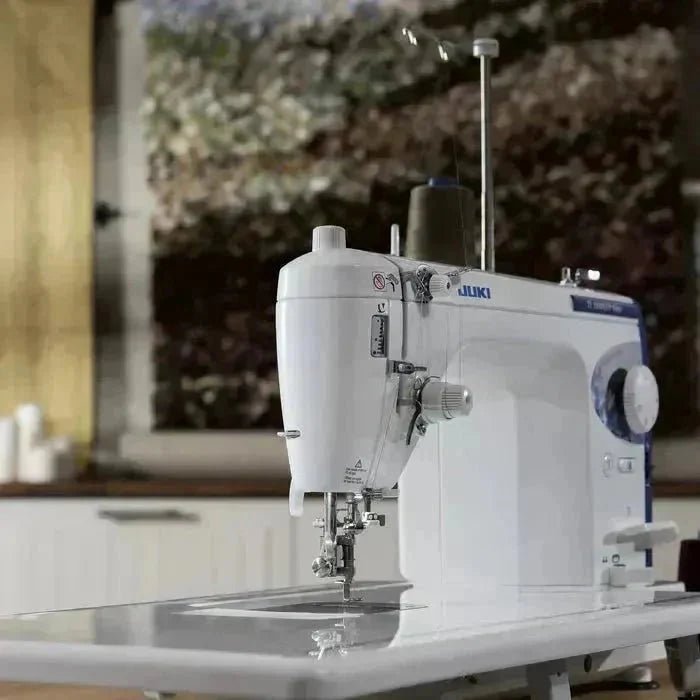
If you create unique pieces or small batches, the Juki TL-2200QVP Mini is perfect. Lightweight, fast, and precise, it allows comfortable work without the constraints of a bulky industrial machine.
For sewing leather and thick fabrics
To sew leather, thick denim, or upholstery fabrics, it is recommended to choose a double-drive plate sewing machine or a model compatible with reinforced needles and a powerful motor like the TL-2300 model.
Selection Criteria to Consider:
- The Type of Drive (Single or Double)
- The Length of the Support Bar For Large Pieces
- The Maximum Speed (1500 Stitches / Minute)
- The Compatibility with Professional Accessories
Sewing Machine Plate Juki vs Other Industrial Brands: Which to Choose?
If you are undecided between renting Juki sewing machines and other brands, it is essential to compare performance, price, and durability. Juki stands out especially for the quality of its components, ease of use, and availability of spare parts.
Advantages of Juki Compared to Brother and Janome
Unlike Brother, often focused on entry-level models, Juki offers a full range of robust industrial machines. Compared to Janome, Juki generally provides higher speed and better adaptability to thick or technical fabrics.
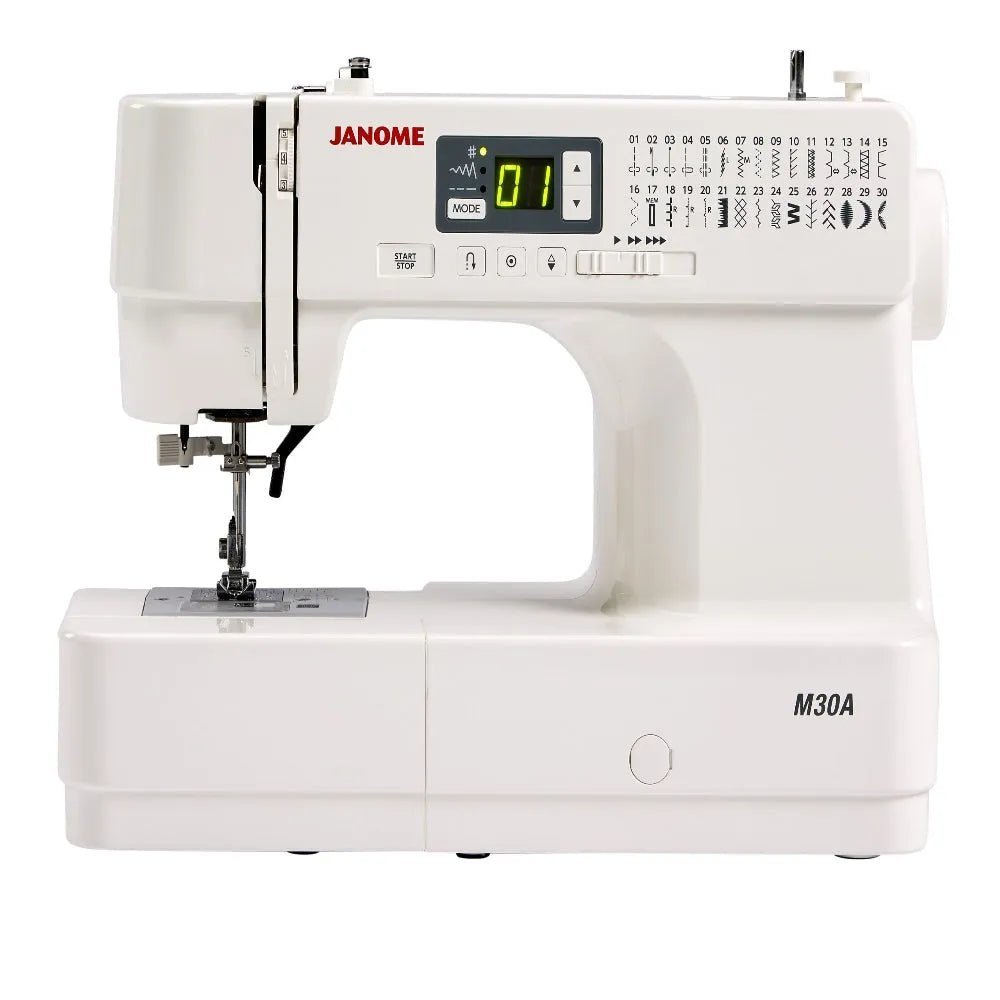
How Does the Juki TL-2300 Compare to the Janome HD9?
Although the Janome HD9 Professional a very good alternative, Juki TL-2300 offer:
- A Smoother Motor for Continuous Sewing
- Better Compatibility with Industrial Presser Feet
- A Slightly More Consistent Stitch Finish
Juki Flatbed Sewing Machine vs Other Industrial Brands: Which to Choose?
If you are undecided between Juki and other brands, it is essential to compare performance, price, and durability. Juki stands out especially for the quality of its components, ease of use, and availability of spare parts.
Regular Cleaning and Oiling
It is recommended to clean the rotary hook after each sewing session and oil the moving parts every 8 hours of work.
Tension Adjustment and Maintenance of the Rotary Hook
Proper adjustment of the thread tension ensures a clean stitch. Remember to regularly check the thread guides, tension discs, and bobbin cleanliness.
Accessories and replacement parts available
The Juki machine models offer a wide range of spare parts easily available online or from authorized dealers.
Bonus for Juki flatbed sewing machine : must-have accessories
To get the most out of your semi-industrial flatbed sewing machine, certain accessories are essential. They improve comfort, precision, and efficiency.
Recommended accessories:
- Special presser foot or walking foot
- Extension table for large projects
- High-capacity aluminum bobbins
- Adjustable LED lamp for better lighting
Some models like the TL-2300 are compatible with specific Juki presser feet, which allow for precise topstitching or reinforced seams.
FAQ on the Juki flatbed sewing machine
What is the difference between a flatbed sewing machine and a regular sewing machine?
The flatbed sewing machine is more powerful, faster, and designed for intensive professional use, with a more robust motor and better stitch quality.
Can you sew leather with a Juki flatbed sewing machine?
Yes, provided you choose a model compatible with thick fabrics, like the TL-2300, and use a suitable presser foot.
Which Juki flatbed sewing machine model is best for beginners?
The TL-2200QVP Mini is ideal for starting professional or semi-professional sewing, offering a good balance between performance and affordability.
Where to buy a reliable Juki flatbed sewing machine?
You can buy these machines on our specialized site verotex
What is the lifespan of a Juki flatbed sewing machine?
With proper maintenance, a Juki machine can last more than 30 years, even with heavy use.


Leave a comment
This site is protected by hCaptcha and the hCaptcha Privacy Policy and Terms of Service apply.