








Table of Contents:
As soon as you tackle jeans or leather, do the needles break or do the stitches become irregular? This is a sign that you need a sewing machine suited to sturdy materials. But which sewing machine to choose for thick fabrics? Choosing a quality model can sometimes feel like a real obstacle course.
In this article, we reveal the essential criteria for taming sturdy materials, with professional tips and our favorite models that pierce through thicknesses without flinching.
Understanding the requirements of thick fabrics
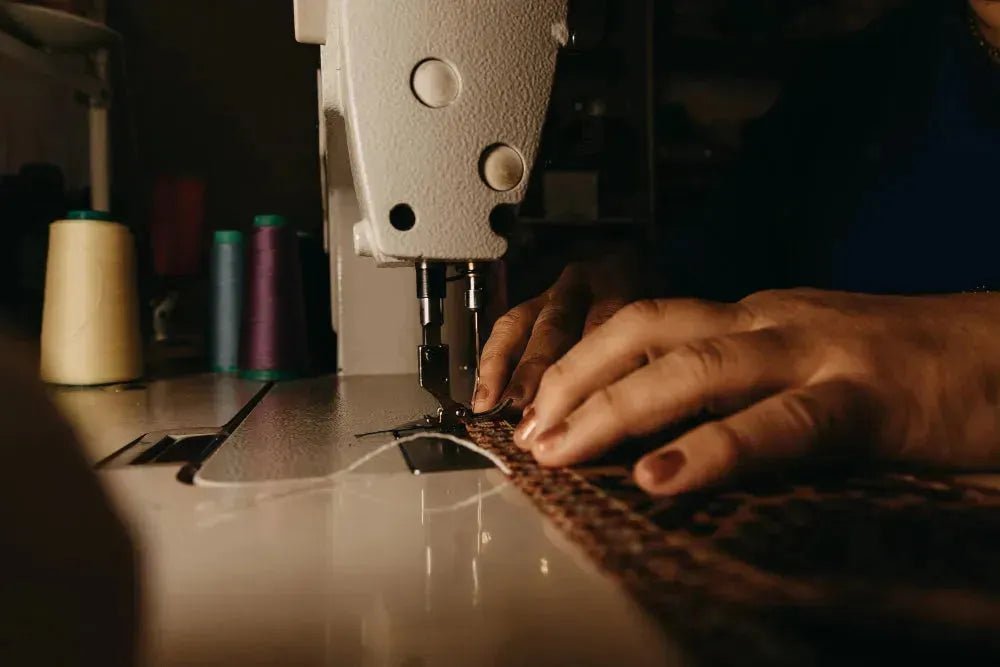
Jeans, leather or canvas cannot be worked like fine cotton, because these materials require a sturdy machine. Standard models struggle to pierce several layers, resulting in skipped stitches or bent needles. With a sewing machine that cannot keep up, you risk ruining your projects before you even begin.
Persisting with unsuitable equipment is a sure way to end up with misshapen hems and a smoking motor. You will recognize the problem by the worrying creaking sounds, the fabrics resisting beneath the presser foot or, worse... the sharp snap of a needle breaking on the third pass.
Are you wondering which sewing machine to choose for thick fabrics? On our store, you will find a wide range of the market's top-performing models, as well as promotions not to be missed.

Important criteria for a good machine
When you wonder which sewing machine to choose for thick fabrics, it is crucial to consider several technical criteria to make the right choice. Essential features, such as motor power and specific settings, will play a key role in the success of your sewing.
We reveal the features to check before any purchase, the settings to master for precise work, as well as common mistakes to avoid to prevent frustration. Discover how to choose and use your machine correctly to achieve flawless results, even on the most hard-wearing fabrics.
Essential technical specifications
Here are the 5 non-negotiable features for piercing challenging materials:
- Powerful motor (at least 60W) to sew through layers of jeans or leather without stalling
- Solid metal frame ensuring stability on extreme thicknesses
- 6-feed-dog system for smooth feeding of technical fabrics
- Reinforced needles JEANS/SPI type (sizes 90-110), break-resistant
- Adjustable presser foot with "high-lift" option for thick topstitching<
The professionals' secret is using sewing machines with feed dogs that grip the fabric like pincers. This is combined with adjustable pressure to adapt to every thickness.
When wondering which sewing machine to choose for thick fabrics, you should also think about the accessories: the Teflon presser foot, perfect for stubborn leather, or specialized needles, available from specialized suppliers such as Verotex. Your local haberdashery probably will not have them in stock.
Key settings for successful seams
Incorrect tension turns your project into a spider web. To avoid this, test on a fabric scrap before you start.
If you are wondering which sewing machine to choose for thick fabrics, know that beyond choosing the model, certain tips make all the difference. To get over thick seams, the professional trick is to slide a cardboard shim under the presser foot. Change the angle of attack by gently pushing the fabric forward while sewing. This prevents unexpected blockages.
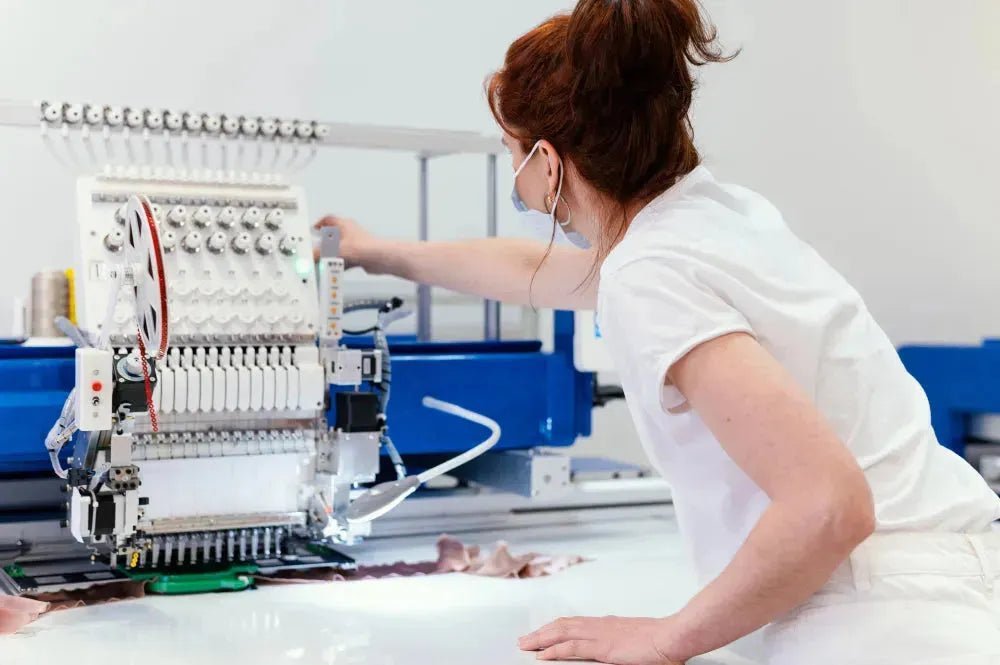
For those who wish to add personalized touches to their creations, using embroidery machines can be an excellent addition, offering possibilities for unique designs on thick fabrics.
Common mistakes to avoid
A blunt needle gives itself away through hesitant stitches or a sharp clicking sound. To avoid this kind of problem, replace it after 8 hours of intensive use.
Never overuse your sewing machine, as this is like running a marathon in sandals. Clean it after every long session and watch for warning signs such as a burning smell, sudden slowdowns, or stitches that inexplicably become tighter.
To ensure the quality of your spare parts, contact a reputable supplier specializing in sewing machines, such as Verotex. This will guarantee reliable products suited to your needs.

Comparison of available technologies
When wondering which sewing machine to choose for thick fabrics, it is essential to understand the differences between the available technologies. Mechanical, electronic or industrial: each type has its advantages. Discover the options that best meet your needs and budget.
Mechanical vs. electronic: pros and cons
Key characteristics of machines according to their technology | ||
Type |
Advantages |
Limitations |
Mechanical |
Robust, |
Manual adjustments |
Electronics |
Stitch precision |
Sensitive components |
Semi-professional |
Lifespan |
Higher budget |
Semi-professional models are worth the investment, as their lifespan can easily reach 10 years with regular maintenance. The initial extra cost pays for itself through repair savings.
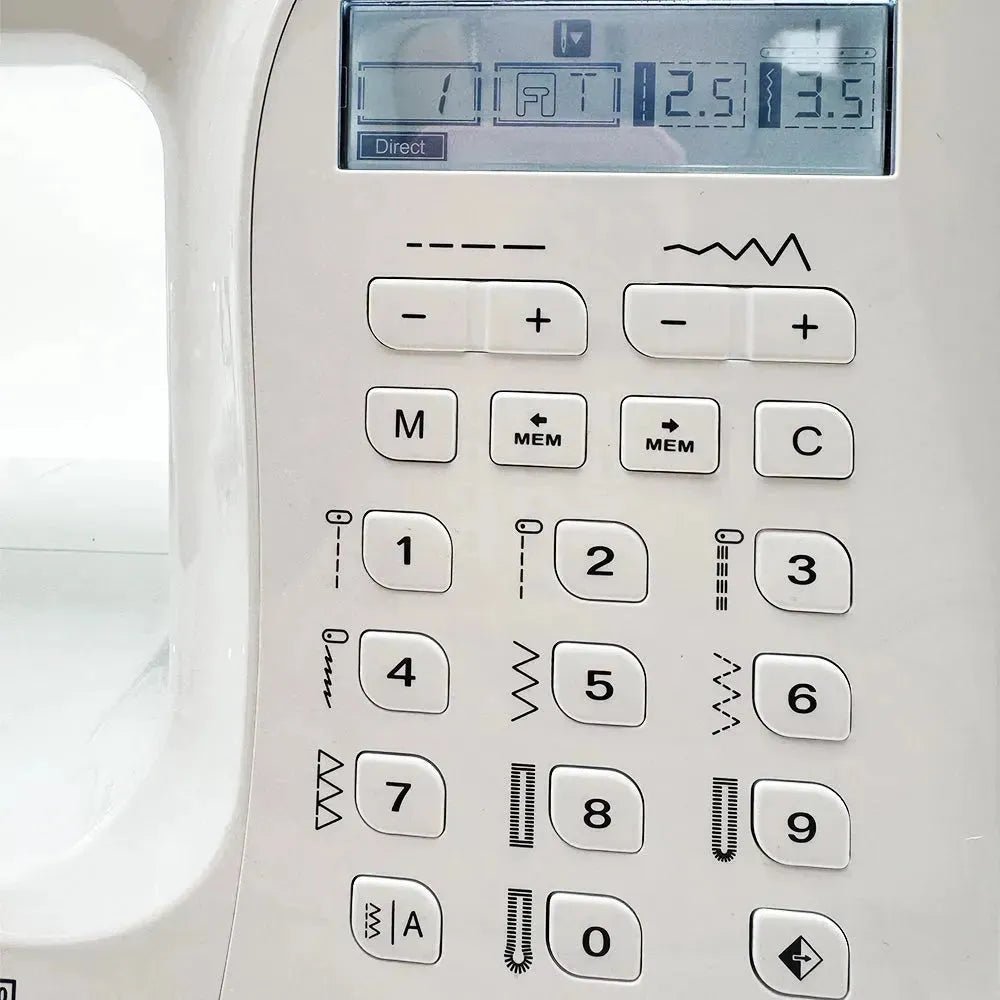
When wondering which sewing machine to choose for thick fabrics, avoid low-end electronic models. Their 200 decorative stitches mainly serve to justify the price. Focus on useful features such as automatic tension.
A closer look at industrial machines
Make the switch as soon as you start working on thick leather or technical fabrics regularly. Professional machines can handle 8 hours of daily sewing without complaint, but require a substantial budget.
It is important to note that some domestic Juki models can rival industrial models. Their professional-style feed system cuts through denim like butter.
Budget-friendly alternatives
As a temporary solution, boost your standard machine with a size 100 needle and nylon thread. Some beginner models can temporarily handle 3 layers of jeans if you reduce the speed.
Buying second-hand can be a great opportunity... or a nightmare. Always test the machine with your thickest fabric before buying and carefully check the metal joints.

Optimize your equipment over the long term
To get the most out of your professional sewing machine and extend its lifespan, regular preventive maintenance is essential. In this section, we guide you through the best practices for keeping your equipment in excellent condition, knowing when to upgrade it and when to consider replacing it, so you can optimize your performance over the long term.
Preventive maintenance
Don't forget to wipe it down after each session and carry out a thorough cleaning every month; your machine will repay you a hundredfold. Focus on the feed dogs and the bobbin case, as these are lint traps that can jam the mechanism.
When you wonder which sewing machine to choose for thick fabrics, also consider ease of maintenance. Whether you choose a high-end model or a sewing machine for beginners, easy access to the internal components remains essential for extending the equipment's lifespan.
Signs that should raise concern include an unusual humming noise at startup, stitches that tighten on their own, or a foot pedal that responds sluggishly. These red flags should be taken seriously.
Upgrading your machine
There's no need to replace the entire machine. A metal parts kit to replace the plastic components works wonders. Check compatibility with your model before ordering.
Leather enthusiasts often add a custom presser foot and a separate bobbin winder. Some Juki models for home use accept these professional upgrades for an almost industrial result.
When should you replace your equipment?
When repairs cost more than a new model or your projects consistently exceed the machine's capabilities, it's time to replace your equipment. New technologies such as brushless motors are sometimes worth considering.
Don't discard the old one just yet, as a well-maintained machine is easy to sell. To make reselling easier, keep all invoices and carefully record the maintenance history.
Are you wondering which sewing machine to choose for thick fabrics? Choose a sturdy model with a powerful motor and suitable needles that will tame thick materials without trembling. Regular maintenance will make all the difference.
Apply these tips to your next project and you will see your denim or leather creations come to life with unprecedented precision. From now on, the secret to professional seams on challenging fabrics is in your hands. If you have any questions or need further advice, you can contact us to help you make the best choice.

Leave a comment
This site is protected by hCaptcha and the hCaptcha Privacy Policy and Terms of Service apply.