
















Table of Contents:
What is terry cloth?
Explore the features and options of terry cloth for your sewing projects. Discover the different varieties and tips for selecting this soft and absorbent material according to your needs.
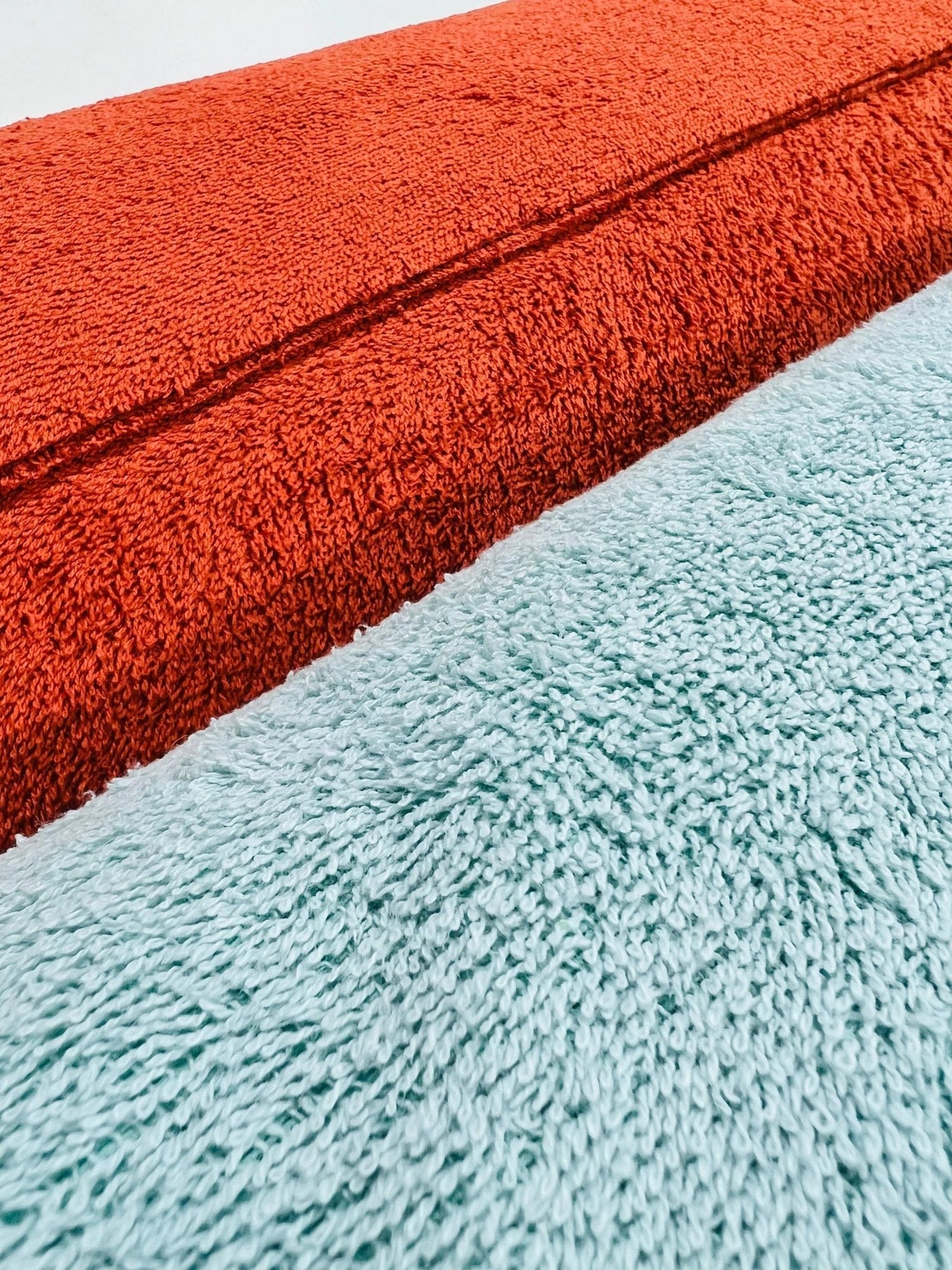
Terry cloth is a versatile material known for its ability to absorb moisture and provide cozy comfort. It consists of intertwined loops of thread that create a soft and absorbent surface. Ideal for bath towels, bathrobes, baby wipes, and much more, terry cloth is valued for its quick-drying ability and its soft feel on the skin. Discover the many benefits of terry cloth and get inspired by its multiple uses in your sewing and decorating projects.
From soft cotton to absorbent terry cloth: the fascinating history of terry fabric
The history of terry cloth dates back to antiquity, with the earliest traces of this material found in ancient Greece and the Roman Empire. At the time, public baths were widespread, and terry cloth was used for its absorbent and soft properties. People would wrap themselves in terry cloth after bathing to dry quickly and feel comfortable.
Over the centuries, the production of terry cloth has evolved. Initially, the fabric was handmade using cotton or linen threads. Artisans wove the threads by creating loops, which gave the fabric its characteristic fluffy appearance. However, this manufacturing method was long and labor-intensive.
In the 19th century, with the advent of the industrial revolution, special machines were developed to produce terry cloth more efficiently. These machines allowed the loops to be woven automatically, speeding up the manufacturing process. This made terry cloth more accessible and allowed its use in a wider variety of products.
Today, terry cloth is widely used in many fields. In the fashion industry, it is used to create sportswear, bathrobes, towels, and beach dresses. In the home sector, it is used for bath sheets, bath mats, kitchen linens, and bedding items. It is also used in the personal care industry, such as makeup remover wipes and baby hygiene products.
Terry cloth is appreciated for its exceptional absorbency, softness, and comfort. It provides a feeling of warmth and coziness while being easy to care for. It can be machine washed and generally withstands wear well. Additionally, its plush texture and loops offer a gentle massage on the skin, making it a popular choice for spa and wellness products.
In conclusion, the history of terry cloth is rich and diverse. From its beginnings in ancient public baths to its widespread use in various fields today, terry cloth continues to offer us comfort and practicality every day. Its technological evolution and adaptation to modern needs make it a valued and essential fabric in many products.

The secrets of terry cloth manufacturing: From thread to soft loops
The production of terry cloth is a complex process that requires specific techniques to achieve its soft and absorbent texture. First, terry cloth is generally made up of two distinct layers: one side with loops and the other with cut threads. It is thanks to this meticulous process that we can enjoy this comfortable and versatile fabric in our daily lives.
The manufacturing process begins with the selection of cotton. Cotton fibers are harvested and spun into threads using spinning machines. These threads are then dyed in different colors, if necessary, to meet market demands.
Next, the cotton threads are woven on special looms to create the terry cloth. The weaving technique used is called "loop weaving," where loops are formed on one side of the fabric. This is done using special warp threads that are lifted at regular intervals during weaving, thus forming loops.
Once the terry cloth is woven, it goes through a finishing process. This can include steps such as brushing or scraping the fabric to release the loops and increase its softness and flexibility. Some manufacturers may also use polishing techniques to achieve a smoother and silkier texture.
After finishing, terry cloth is generally subjected to quality control processes, such as visual inspection and absorption testing, to ensure its quality and performance. Finally, terry cloth is cut into various sizes and shapes to be used in the making of finished products such as bath towels, bathrobes, bath mats, and more.
It should be noted that some variations in the manufacturing process may exist depending on the specific techniques used by each manufacturer. However, the main goal remains the same: to create a soft, absorbent, and high-quality terry cloth.

The wonderful properties of terry cloth: Softness, absorption, and comfort in the spotlight
The unique properties of terry cloth make it an essential choice for many projects. Terry cloth combines qualities that make it ideal for a range of applications in the textile field. Whether for bath items, loungewear, or baby accessories, terry cloth offers the perfect balance of comfort, functionality, and practicality.
Absorption
Its main feature is its exceptional absorption capacity. Thanks to its soft and fluffy fibers, terry cloth can quickly absorb moisture, whether after a shower, swimming, or physical exercise.
Softness
Terry cloth is pleasantly soft to the touch, offering a feeling of comfort and well-being. Its delicate texture pampers the skin and provides a comforting sensation during use.
Quick drying
Terry cloth is also appreciated for its quick-drying ability. After absorbing moisture, it allows for efficient drying, thus avoiding a damp feeling. Additionally, thanks to its looped structure, terry cloth traps a small amount of air between the loops, making it more insulating and helping to retain body heat.
Durability
In terms of durability, terry cloth is known for its strength and ability to withstand regular use and frequent washing. It retains its softness and fluffy appearance even after many washes, making it a reliable and long-lasting choice.
Versatility
Finally, terry cloth also offers excellent adaptability and shaping ability. It can be easily cut and sewn to create a variety of products such as bath towels, bathrobes, baby wipes, blankets, and much more. Its versatility makes it an ideal choice for many sewing and craft projects.

Uses of Terry Cloth
Terry cloth offers many creative sewing possibilities. These ideas are just a starting point—let your creativity run free and imagine other unique projects using terry cloth. Whether for practical items, handmade gifts, or personalized accessories, terry cloth provides a soft, absorbent texture that adds a touch of comfort to your creations.
Bath Towels
Terry cloth bath towels are essential for drying off comfortably after a bath or shower. You can personalize them by adding decorative borders or embroidered patterns for a unique look.
Robes
A terry cloth robe is perfect for relaxing at home. You can create a custom robe using your own pattern and choose the length, style, and details you like.
Reusable Wipes
Terry cloth wipes are an eco-friendly alternative to disposable wipes. They can be used for cleaning the face, hands, or baby’s bottom. You can sew them in different sizes and wash them easily to reuse again and again.
Baby Bibs
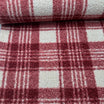
Terry cloth bibs are handy for toddlers' meals. They absorb spills and protect baby’s clothes. Add adjustable fasteners or fun patterns, like a tartan pattern, to make these bibs even more appealing.
Baby Blankets
Terry cloth blankets are soft and comforting for babies. They can be used at home or on the go to keep them warm and wrapped in softness.
Bath Mats
A terry cloth bath mat is both practical and comfortable. You can sew a custom bath mat to fit your bathroom size and choose colors or patterns that match your decor.
Beach Accessories
Beach bags, beach cushions, or terry cloth hats can be fun projects to make for sunny days. Terry cloth is perfect for absorbing moisture and keeping you dry during your beach activities.
And much more... Feel free to innovate!

Caring for terry cloth
Taking care of your terry cloth is essential to maintain its softness, texture, and durability. By following these care tips, you can extend the life of your terry cloth and preserve its absorbent properties and softness over time. Don’t forget to check the manufacturer’s specific instructions for any additional care advice related to your particular terry cloth.
Washing
It is recommended to machine wash terry cloth at a moderate temperature. Use a mild detergent and avoid harsh bleach agents that could damage the fibers. Separate items by color to prevent unwanted discoloration.
Drying
For drying, you can choose air drying or use a tumble dryer on a low setting. Avoid overloading the dryer to allow good air circulation and prevent the fabric from tangling.
Ironing
Generally, terry cloth does not need to be ironed because its fibers have a naturally looped texture that gives it its characteristic look. However, if you want to iron terry cloth, use a low to medium temperature and be sure to iron on the reverse side to avoid flattening the loops.
Terry cloth is a versatile choice for many sewing projects. Its main feature is its soft and absorbent texture, making it ideal for bath and home items. You can sew bath towels, bathrobes, reusable makeup remover pads, cushion covers, bath mats, baby bibs, and much more. Let your imagination run wild and explore the many creative possibilities offered by terry cloth. Thanks to its softness and absorbency, your creations will be both practical and comfortable.
We offer several simple tutorials on our blog if you are new to sewing. You can also find us on Facebook, Instagram, and TikTok!

Leave a comment
This site is protected by hCaptcha and the hCaptcha Privacy Policy and Terms of Service apply.