










Table of Contents:
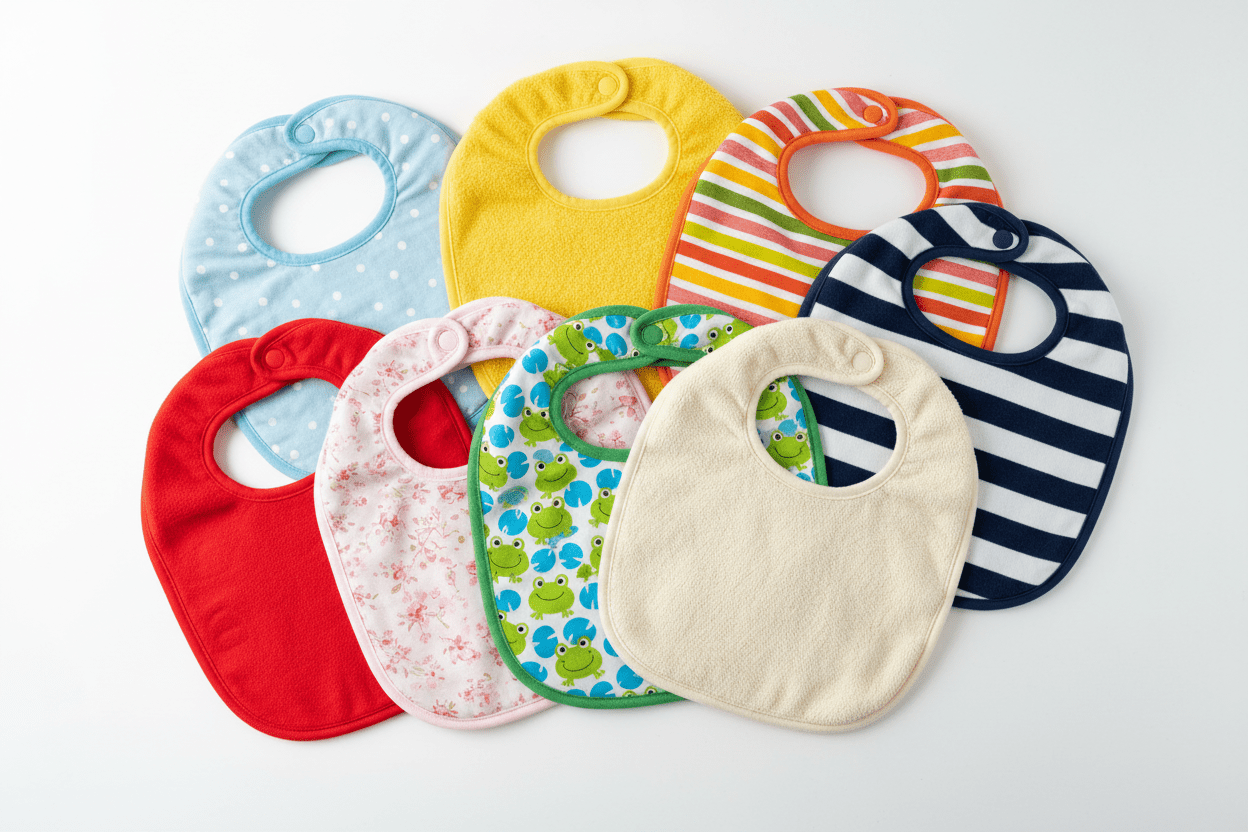
The bib is an essential accessory for babies' meals. It protects clothes while providing comfort and practicality every day. Sewing a bib is a simple and quick sewing project, ideal for beginners as well as more experienced sewers.
The choice of fabric is essential to ensure a comfortable and absorbent bib. The materials used must be soft for babies' sensitive skin and able to absorb liquids effectively.
In this guide, discover the suitable materials for sewing a baby bib, the existing types of bibs, the fabrics to prioritize according to the model, as well as the useful accessories to personalize your creation.
The essentials of the guide
Before sewing a baby bib, it is important to know some essential elements to succeed in your sewing project.
Key points to remember:
- choose a soft and absorbent fabric
- select a fabric suitable for the baby's sensitive skin
- allow for the right dimensions
- use practical accessories for fastening
These elements allow you to make a bib that is comfortable, practical, and durable.

Which materials are suitable for sewing a bib?
Bibs should be made with fabrics capable of absorbing liquids while remaining comfortable for the baby.
The most commonly used materials are:
Cotton is highly appreciated for its softness and ease of care. Terry cloth and bamboo terry offer excellent absorption capacity, while double gauze provides a lightweight and comfortable fabric.

What are the different types of bibs?
There are several types of bibs, each suited to a specific use depending on the baby's age.
The most common models are:
- the classic bib
- the bandana bib
- the apron bib
- the long-sleeve bib
Each type of bib can be made with different fabrics depending on the use and the desired level of absorption.
Which fabrics to choose according to the types of bibs?
The choice of fabric can vary depending on the bib model and the intended use.
Here are some recommendations:
- classic bib: cotton and terry cloth
- bandana bib: cotton or double gauze
- apron bib: thick cotton or cotton canvas
- sleeved bib: cotton and lightweight waterproof fabric
These combinations allow you to get a comfortable bib suited to the baby’s needs.
What measurements to make a baby bib?
The dimensions of a bib can vary depending on the model and the baby’s age.
Common dimensions:
| Type of bib | Approximate dimensions |
|---|---|
| newborn bib | 18 to 22 cm |
| classic bib | 25 to 30 cm |
| apron bib | 30 to 40 cm |
Soft and absorbent fabrics for practical bibs
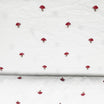
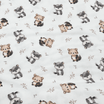
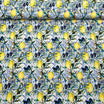
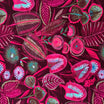
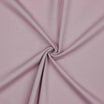
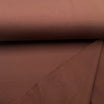
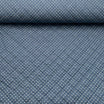
To sew a comfortable and effective bib, choosing the fabric is essential. At Verotex, we offer a selection of fabrics perfectly suited for baby projects: soft and breathable cotton, ultra-absorbent terry cloth, comfortable jersey, or light double gauze . Our materials are chosen for their quality, softness, and absorbency to ensure practical and pleasant bibs for everyday use.
Whether you want to make a classic bib, a bandana, or a sleeved model, you will find a variety of fabrics at Verotex that are easy to sew and suitable for babies’ sensitive skin. Available in many colors and patterns, they allow you to create bibs that are functional, durable, and personalized.
Conclusion
Choosing the right fabric to sew a baby bib is essential to ensure comfort and absorption. Materials like cotton, terry cloth, or bamboo terry allow you to make practical bibs suited to the baby’s needs.
By selecting the right fabric, using the right accessories, and respecting the dimensions, you can easily create a personalized and durable bib.
FAQ - Which fabric to choose to sew a baby bib?
What is the best fabric for a baby bib?
Terry cloth and cotton are often the most recommended fabrics because they are soft and absorbent.
Can double gauze be used for a bib?
Yes, double gauze can be used for a light and comfortable bib.
How much fabric is needed to sew a bib?
You generally need about 25 to 30 cm of fabric to make a baby bib.
Is a bib difficult to sew?
No, it’s a simple sewing project that is very suitable for beginners.

Leave a comment
This site is protected by hCaptcha and the hCaptcha Privacy Policy and Terms of Service apply.