













Which fabrics to use for sewing sheets? Guide to ideal materials
Still hesitating between two fabrics?
Tell us what you’re sewing, who it’s for, and what season it’s for. Our textile experts will reply to you personally on WhatsApp, Tuesday through Saturday, and tell you which fabric really holds up in use.
- Same-day response, Tuesday to Saturday
- Sample sent upon request
- We also tell you how much you need
Suitable fabrics, in stock
Price per metre, fabric width, and stock come from the catalogue and update automatically. The displayed cost is for the fabric length of this project.
Velours
-
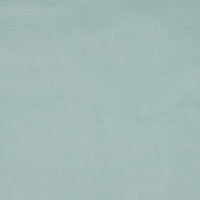 Tissu Velours Milleraies Babycord Menthe
100% Coton · fabric width 140 cm
13,00 €/meter
6,0 m amounts to
78,00 €
Discover
Satin
-
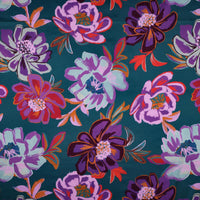 Tissu Satin de Coton Grandes Fleurs Violettes Fond Bleu Canard
100% Coton · fabric width 148 cm
13,50 €/meter
6,0 m amounts to
81,00 €
Discover
Jacquard
-
 Tissu jacquard Patchwork de Noël Classique
48% Coton, 36% Polyester, 16% Polyacrylique · fabric width 140 cm
20,00 €/meter
6,0 m amounts to
120,00 €
Discover

Popeline
-
 Tissu Popeline de Coton Chevaux Fleuris Bleu Marine
100% Coton · fabric width 140 cm
10,00 €/meter
6,0 m amounts to
60,00 €
Discover
-
 Japanese landscape fabric
100% Cotton · fabric width 115 cm
17,00 €/meter
6,0 m amounts to
102,00 €
Discover
-
 Japanese cranes and turtles fabric
100% Cotton · fabric width 115 cm
18,50 €/meter
6,0 m amounts to
111,00 €
Discover
-
 Japanese koi fish fabric
100% Cotton · fabric width 115 cm
Only remains
2 m
18,50 €/meter
6,0 m amounts to
111,00 €
Discover
-
 Blue clematis flower cotton poplin fabric
100% Cotton · fabric width 140 cm
12,00 €/meter
6,0 m amounts to
72,00 €
Discover
-
 Cotton Poplin fabric with hearts on a white background
100% Cotton · fabric width 140 cm
9,00 €/meter
6,0 m amounts to
54,00 €
Discover
-
 Light Blue Striped Fabric with Floral Paisley Embroidery
60% Cotton / 40% Polyester · fabric width 140 cm
Only remains
2 m
14,00 €/meter
6,0 m amounts to
84,00 €
Discover
-
 Blue Striped Fabric with Floral Paisley Embroidery
60% Cotton / 40% Polyester · fabric width 140 cm
14,00 €/meter
6,0 m amounts to
84,00 €
Discover
-
 Cotton Poplin Fabric small pastel buttons
100% Cotton · fabric width 140 cm
9,00 €/meter
6,0 m amounts to
54,00 €
Discover
-
 Cotton Poplin Fabric sewing workshop
100% Cotton · fabric width 140 cm
9,00 €/meter
6,0 m amounts to
54,00 €
Discover
-
 Cotton Poplin Fabric garlands on green background
100% Cotton · fabric width 140 cm
Only remains
2 m
8,00 €/meter
6,0 m amounts to
48,00 €
Discover
-
 Cotton Poplin Fabric blue and green flowers
100% Cotton · fabric width 140 cm
9,00 €/meter
6,0 m amounts to
54,00 €
Discover


Vichy
-
 Pink and Yellow Cotton Gingham Fabric
100% Cotton · fabric width 140 cm
16,00 €/meter
6,0 m amounts to
96,00 €
Discover

Jersey
-
 Exotic flower cotton jersey fabric
95% Cotton / 5% Elastane · fabric width 150 cm
18,00 €/meter
6,0 m amounts to
108,00 €
Discover
-
 Cotton jersey fabric with blue palm trees
100% cotton · fabric width 150 cm
15,00 €/meter
6,0 m amounts to
90,00 €
Discover
-
 Cotton jersey fabric with dinosaurs
94% Cotton / 6% Elastane · fabric width 150 cm
15,00 €/meter
6,0 m amounts to
90,00 €
Discover
-
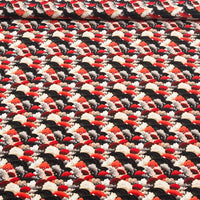 Red Japanese Fan Cotton Jersey Fabric
95% Cotton / 5% Elastane · fabric width 150 cm
18,00 €/meter
6,0 m amounts to
108,00 €
Discover
-
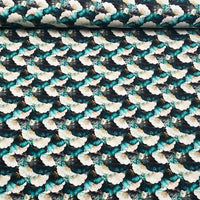 Cotton Jersey Fabric Japanese Fans Aqua Green
95% Cotton / 5% Elastane · fabric width 150 cm
18,00 €/meter
6,0 m amounts to
108,00 €
Discover
-
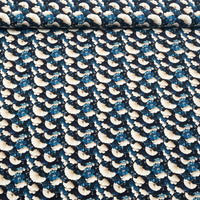 Blue Japanese Fan Cotton Jersey Fabric
95% Cotton / 5% Elastane · fabric width 150 cm
18,00 €/meter
6,0 m amounts to
108,00 €
Discover
-
 Cotton Jersey Fabric retro ochre flowers
95% Cotton / 5% Elastane · fabric width 150 cm
Only remains
1 m
6,00 €/meter
6,0 m amounts to
36,00 €
Discover


Jersey Coton
-
 Cotton rib jersey fabric with animals and feathers
100% cotton · fabric width 140 cm
15,00 €/meter
6,0 m amounts to
90,00 €
Discover

Jeans
-
 Fine Denim Fabric with Cherry Embroidery
100% Cotton · fabric width 145 cm
15,00 €/meter
6,0 m amounts to
90,00 €
Discover
-
 Patchwork Print Denim Fabric
100% Cotton · fabric width 145 cm
16,00 €/meter
6,0 m amounts to
96,00 €
Discover
-
 Dark Blue Striped Denim Fabric
90% Cotton / 8% Polyester / 2% Spandex · fabric width 145 cm
13,00 €/meter
6,0 m amounts to
78,00 €
Discover


Poplin
-
 White Organic Cotton Poplin Fabric
100% Cotton · fabric width 150cm
8,50 €/meter
6,0 m amounts to
51,00 €
Discover
-
 Cotton poplin fabric with faces in flowers
100% Cotton · fabric width 140cm
12,00 €/meter
6,0 m amounts to
72,00 €
Discover
-
 Cotton Poplin War fabric
100% Cotton · fabric width 140cm
6,00 €/meter
6,0 m amounts to
36,00 €
Discover
-
 Cotton Poplin Couture fabric
100% Cotton · fabric width 140cm
Only remains
1 m
12,00 €/meter
6,0 m amounts to
72,00 €
Discover
-
 Cotton Poplin forest animals fabric
100% Cotton · fabric width 140cm
12,00 €/meter
6,0 m amounts to
72,00 €
Discover


French Terry
-
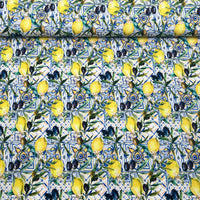 French Terry fabric Lemon
95% Cotton / 5% Elastane · fabric width 148 cm
17,00 €/meter
6,0 m amounts to
102,00 €
Discover
Flannel
-
 Cotton Flannel fabric with black and white checks
100% cotton · fabric width 140cm
13,00 €/meter
6,0 m amounts to
78,00 €
Discover
-
 Cotton Flannel fabric with red and black checks
100% cotton · fabric width 140cm
Only remains
2 m
13,00 €/meter
6,0 m amounts to
78,00 €
Discover
-
 Flannel Fabric raccoons and foxes
100% cotton · fabric width 142/147 cm
Only remains
50 cm
13,00 €/meter
6,0 m amounts to
78,00 €
Discover


Canvas
-
 Cotton Canvas Christmas Gift fabric
100% Cotton · fabric width 140 cm
14,00 €/meter
6,0 m amounts to
84,00 €
Discover
-
 Cotton Canvas Fabric Fuchsia
100% Cotton · fabric width 140 cm
Only remains
2 m
11,00 €/meter
6,0 m amounts to
66,00 €
Discover

Double Gaze
-
 Pastel daisy double gauze fabrics
100% Cotton · fabric width 130 cm
Only remains
50 cm
12,50 €/meter
6,0 m amounts to
75,00 €
Discover
-
 Pink floral double gauze fabric
100% Cotton · fabric width 132 cm
12,00 €/meter
6,0 m amounts to
72,00 €
Discover
-
 Pastel Flower Double Gauze Fabrics
100% Cotton · fabric width 132 cm
12,00 €/meter
6,0 m amounts to
72,00 €
Discover
-
 Pastel dinosaur double gauze fabrics
100% Cotton · fabric width 132 cm
12,00 €/meter
6,0 m amounts to
72,00 €
Sold out, view the product page


Cotton
-
 Crochet Fabric colorful wavy stripes
65% Cotton 35% Acrylic · fabric width 130cm
7,00 €/meter
6,0 m amounts to
42,00 €
Discover

Cotton Pique
-
 Piqué Jersey Fabric colorful cars
97% Cotton / 3% Elastane · fabric width 150cm
13,00 €/meter
6,0 m amounts to
78,00 €
Discover

Sponge
-
 Terry cloth red
90% Cotton / 10% Polyester · fabric width 150cm
12,00 €/meter
6,0 m amounts to
72,00 €
Discover
-
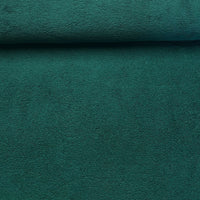 Terry cloth dark green
90% Cotton / 10% Polyester · fabric width 150cm
12,00 €/meter
6,0 m amounts to
72,00 €
Sold out, view the product page
Coton
-
 Eyelet fabric star-shaped flowers
100% Cotton · fabric width 130 cm
Only remains
2 m
16,00 €/meter
6,0 m amounts to
96,00 €
Discover
-
 White eyelet fabric round flowers
100% Cotton · fabric width 130 cm
16,00 €/meter
6,0 m amounts to
96,00 €
Discover
-
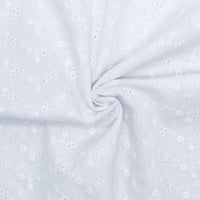 White eyelet fabric small flowers
100% Cotton · fabric width 130 cm
16,00 €/meter
6,0 m amounts to
96,00 €
Discover
-
 Seersucker Fabric blue and pink checks
100% Cotton · fabric width 140 cm
13,00 €/meter
6,0 m amounts to
78,00 €
Discover


We have them 263 in this collection. The first fifty are here.
View the entire collectionWhich fabrics should you use to sew sheets? Choosing the fabric is essential for obtaining comfortable bed linen that is pleasant to use every day. The material directly affects the softness, breathability and durability of the sheets. A good fabric allows you to enjoy more comfortable nights while ensuring good resistance to frequent washing.
Some materials are particularly suitable for bed linen. Fabric cotton for sheets is one of the most popular thanks to its softness and ease of care. Other textiles such as linen and percale are also highly valued for their quality and ability to regulate temperature during the night.
In this article, we will explore which fabrics to use to sew sheets based on the desired comfort, compare the materials most commonly used for bed linen and give you advice on selecting the ideal fabric for your sewing project.
Which fabrics should you use to sew sheets: the most commonly used materials
When wondering which fabrics to use to sew sheets, some materials are particularly popular for making bed linen. They are chosen for their softness, breathability and ease of care.
Here are the fabrics most commonly used to make sheets:
- Cotton: soft, breathable and easy to care for
- Percale cotton: very soft and durable
- linen: natural and very breathable
- Cotton sateen: very soft and slightly shiny
- Cotton-polyester blend: durable and easy to wash
These materials make it possible to create comfortable sheets suitable for everyday use.

Which fabric should you choose for comfortable sheets?
Comfort is one of the most important criteria for bed linen. Sheets are in direct contact with the skin for several hours, so it is essential to choose a pleasant and breathable material.
The most comfortable fabrics for sheets are:
- Cotton: soft and breathable
- Cotton sateen : very smooth and pleasant to the touch
- Cotton percale: cool and lightweight
These materials feel pleasant against the skin and help regulate temperature more effectively during sleep.
Materials for preventing perspiration
When choosing which fabrics to use for sewing sheets, it is important to consider the fabric's breathability. Some materials help regulate temperature more effectively during the night and wick away moisture, which helps limit perspiration.
The most suitable fabrics for preventing perspiration are:
- Linen: highly breathable, it absorbs moisture and helps you stay cool during the night.
- Cotton: natural and comfortable, it allows air to circulate and absorbs perspiration well.
- Cotton percale: lighter and cooler than classic cotton, it is ideal for hot nights.
These materials are particularly recommended for people who tend to feel hot at night or during the summer. By choosing a breathable fabric for sheets, it is possible to significantly improve comfort during sleep.
Cotton, linen or percale: which fabric should you choose for sheets?
Comparing different materials can help you understand which fabric to choose for sheets according to your needs.
| Fabric | Advantages | Disadvantages | Use |
|---|---|---|---|
| Cotton | soft and breathable | can wrinkle | everyday sheets |
| linen | highly breathable | rougher texture | summer sheets |
| Percale | very soft | more expensive | high-end bed linen |
Each material has its own characteristics. Cotton is often recommended for its simplicity and comfort, while linen is ideal for warmer seasons.
Which breathable fabrics are suitable for bed linen?
Fabric breathability is important for ensuring comfortable sleep. Breathable fabric helps wick away moisture more effectively and maintain a pleasant temperature throughout the night.
The most breathable fabrics for bed linen are:
- Linen: highly breathable and ideal for summer
- Cotton: absorbs moisture well
- Cotton percale: cool and lightweight
These materials help improve comfort during sleep and are particularly appreciated in hot climates.
What fabric quantity should you choose to sew your sheets?
When embarking on making bed linen, choosing the right amount of fabric is essential. An incorrect calculation can result in too little fabric or, conversely, unnecessary excess. It is therefore important to measure your bed carefully and allow for the necessary finishing margins.
The fitted sheet

The fitted sheet must perfectly fit the mattress dimensions. To do this, it is essential to take three measurements into account:
- the length
- the width
- the mattress height
The most common sizes are:
- 90 x 190 cm
- 140 x 190 cm
- 160 x 200 cm
- 180 x 200 cm
To calculate the required fabric length, you need to add:
- the mattress height
- approximately 10 cm extra to properly cover the mattress
- approximately 2 cm for hems
Practical tip:
Take your mattress measurements directly with a tape measure before buying your fabric. This helps avoid mistakes and ensures your fitted sheet fits perfectly.
The duvet cover

A duvet cover generally consists of two large rectangles of fabric sewn together. Here again, the amount of fabric required depends on the size of the duvet.
The most common dimensions are:
- 140 x 200 cm
- 220 x 240 cm
- 240 x 260 cm
For the required fabric length:
- allow for twice the size of the duvet
- add a few centimeters for seams and hems
- Unlike a fitted sheet, there is no need to allow for a tuck-in flap at the corners
Tip:
Consider adding an opening with buttons or snaps to make inserting the duvet easier.
Conclusion
Choosing which fabrics to use to sew sheets is essential for creating comfortable, durable bed linen. Materials such as cotton, percale, and linen are particularly appreciated for their softness and breathability.
Cotton remains the most popular fabric for sheets thanks to its ease of care and comfort. Linen, meanwhile, is ideal for warm seasons thanks to its excellent breathability. Percale offers a very soft texture and a more luxurious look.
By taking the time to compare the different materials and their characteristics, it becomes easier to select the ideal fabric for creating comfortable sheets suited to your needs.
FAQ: Which fabrics should you use to sew sheets?
What fabric is most commonly used for sheets?
Cotton is the most commonly used fabric for sheets because it is soft, breathable, and easy to care for.
What fabric is best for very soft sheets?
Percale and cotton sateen are often chosen for their softness and comfort.
What fabric should you choose for summer sheets?
Linen and cotton percale are particularly suitable for summer sheets thanks to their breathability.
Can linen sheets be sewn?
Yes, linen is an excellent fabric for bed linen because it is highly breathable and durable.
