











Which fabrics to use for sewing a suit?
Still hesitating between two fabrics?
Tell us what you’re sewing, who it’s for, and what season it’s for. Our textile experts will reply to you personally on WhatsApp, Tuesday through Saturday, and tell you which fabric really holds up in use.
- Same-day response, Tuesday to Saturday
- Sample sent upon request
- We also tell you how much you need
Suitable fabrics, in stock
Price per metre, fabric width, and stock come from the catalogue and update automatically. The displayed cost is for the fabric length of this project.
Linen
-
 Plain coral linen fabric
100% Linen · fabric width 140cm
Only remains
2 m
17,00 €/meter
3,0 m amounts to
51,00 €
Discover
-
 Plain linen fabric emerald blue
100% Linen · fabric width 140cm
17,00 €/meter
3,0 m amounts to
51,00 €
Discover
-
 Plain linen fabric mint green
100% Linen · fabric width 140cm
17,00 €/meter
3,0 m amounts to
51,00 €
Sold out, view the product page
-
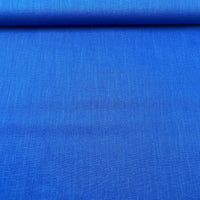 Solid Electric Blue Linen Fabric
100% Linen · fabric width 140cm
17,00 €/meter
3,0 m amounts to
51,00 €
Discover
-
 Solid Blue jeans Linen Fabric
100% Linen · fabric width 140cm
17,00 €/meter
3,0 m amounts to
51,00 €
Discover
-
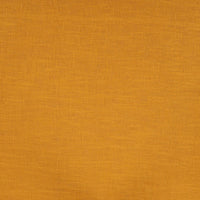 Solid curry linen fabric
100% Linen · fabric width 140cm
17,00 €/meter
3,0 m amounts to
51,00 €
Discover
-
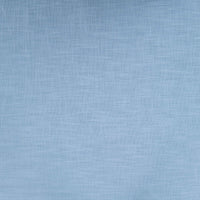 Solid Light Blue Linen Fabric
100% Linen · fabric width 140cm
17,00 €/meter
3,0 m amounts to
51,00 €
Discover
-
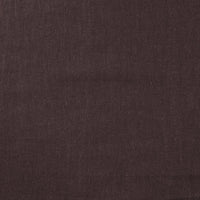 Solid Brown Linen Fabric
100% Linen · fabric width 140cm
17,00 €/meter
3,0 m amounts to
51,00 €
Sold out, view the product page
-
 Solid Apple Green Linen
100% Linen · fabric width 140cm
17,00 €/meter
3,0 m amounts to
51,00 €
Discover
-
 Natural Linen Fabric
100% Linen · fabric width 140cm
17,00 €/meter
3,0 m amounts to
51,00 €
Discover
-
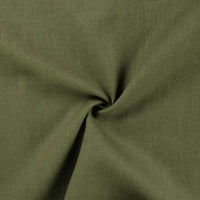 Khaki Linen Fabric
100% Linen · fabric width 140cm
17,00 €/meter
3,0 m amounts to
51,00 €
Sold out, view the product page
-
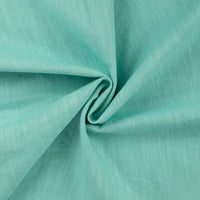 Turquoise Linen Fabric
100% Linen · fabric width 140cm
17,00 €/meter
3,0 m amounts to
51,00 €
Sold out, view the product page
-
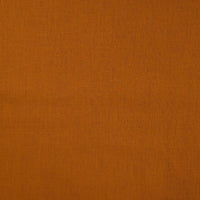 Earth Linen Fabric
100% Linen · fabric width 140cm
Only remains
2 m
17,00 €/meter
3,0 m amounts to
51,00 €
Discover
-
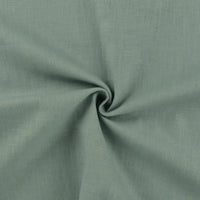 Linen fabric sage
100% Linen · fabric width 140cm
17,00 €/meter
3,0 m amounts to
51,00 €
Sold out, view the product page
-
 Teal blue linen fabric
100% Linen · fabric width 140cm
Only remains
2 m
17,00 €/meter
3,0 m amounts to
51,00 €
Discover
-
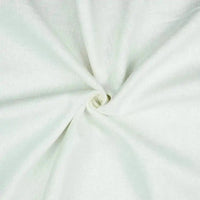 White linen fabric
100% Linen · fabric width 140cm
17,00 €/meter
3,0 m amounts to
51,00 €
Sold out, view the product page
-
 Ecru linen fabric
100% Linen · fabric width 140cm
17,00 €/meter
3,0 m amounts to
51,00 €
Sold out, view the product page
-
 Navy blue linen fabric
100% Linen · fabric width 140cm
Only remains
2 m
17,00 €/meter
3,0 m amounts to
51,00 €
Discover


Tweed
-
 Burgundy wool fabric
100% Polyester · fabric width 140cm
16,00 €/meter
3,0 m amounts to
48,00 €
Discover
-
 Blue wool fabric
100% Polyester · fabric width 140cm
16,00 €/meter
3,0 m amounts to
48,00 €
Discover
-
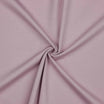
 Pink wool fabric
100% Polyester · fabric width 140cm
16,00 €/meter
3,0 m amounts to
48,00 €
Discover
-
 Beige wool blend fabric
100% Polyester · fabric width 140cm
16,00 €/meter
3,0 m amounts to
48,00 €
Discover
-
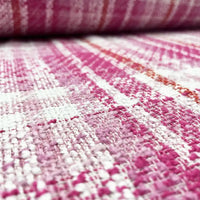 Summer Tweed Fabric Pink Checks
97% Polyester / 3% Lurex · fabric width 150cm
9,00 €/meter
3,0 m amounts to
27,00 €
Discover
-
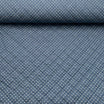
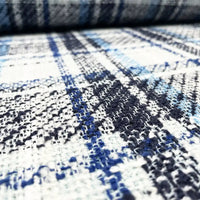 Summer Tweed Fabric Blue and White Checks
97% Polyester / 3% Lurex · fabric width 150cm
9,00 €/meter
3,0 m amounts to
27,00 €
Discover
-
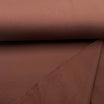
 Striped Earth Wool Fabric
100% Polyester · fabric width 140cm
8,00 €/meter
3,0 m amounts to
24,00 €
Discover
-
 Prince of Wales Coat Fabric
20,00 €/meter
3,0 m amounts to
60,00 €
Discover


Polyester
-
 Emporio Teal Polyester Fabric
100% Polyester
14,00 €/meter
3,0 m amounts to
42,00 €
Discover
-
 Emporio Petrol Polyester Fabric
100% Polyester
10,00 €/meter
3,0 m amounts to
30,00 €
Discover
-
 Emporio Bordeaux Polyester Fabric
100% Polyester
10,00 €/meter
3,0 m amounts to
30,00 €
Discover
-
 Blue emporio polyester fabric
100% Polyester
10,00 €/meter
3,0 m amounts to
30,00 €
Sold out, view the product page
-
 Black emporio polyester fabric
100% Polyester
10,00 €/meter
3,0 m amounts to
30,00 €
Sold out, view the product page


Which fabrics should you use to sew a suit? A suit is an iconic garment of elegance, often worn for professional events or ceremonies. To successfully complete this sewing project, it is essential to choose a suitable fabric to create a comfortable, structured, and elegant garment.
The fabric directly affects the drape, structure, and comfort of the suit. Some fabrics are better suited to formal suits, while others are more suitable for casual or summer suits.
In this guide, you will discover the different pieces of a suit, the most suitable fabrics, the amount of fabric to plan for, and the essential accessories for successfully completing your sewing project.

What are the different pieces of a men's suit?
A men's suit generally consists of several pieces that form an elegant and structured outfit.
The main elements of a suit
- the suit jacket, which provides structure and elegance to the outfit
- the suit trousers, often matched with the jacket
- the waistcoat, sometimes added to complete a three-piece suit
Each piece has specific characteristics and requires a suitable fabric to ensure a good fit and comfort.
 Which fabrics should you use to sew a waistcoat?
A waistcoat adds an extra touch of elegance to an outfit. Worn with a jacket and trousers, it completes a three-piece suit and creates a more sophisticated style. A waistcoat can also be worn alone with a shirt for a more modern and polished look.
When sewing a waistcoat, it is important to choose a fabric that is both comfortable and elegant. Some fabrics are particularly well suited to this garment.
Recommended fabrics for a waistcoat:
Swiss cotton is appreciated for its fineness and softness, making it possible to create a comfortable and elegant waistcoat. Cotton satin adds a subtle sheen that gives the garment a more sophisticated look. Finally, linen is ideal for waistcoats intended for summer outfits thanks to its lightness and breathability.

Which fabrics should you use to sew a suit?
Choosing the fabric is essential for creating an elegant and durable suit. Suits are generally made from fabrics that offer good structure and a beautiful drape.
Recommended fabrics
- wool
- linen
- cotton
- flannel
- velvet
Wool is one of the most widely used fabrics for suits because it is elegant, breathable, and suitable for different seasons. Linen is often preferred for summer suits, while flannel is ideal for winter suits.
How much fabric should you allow for?
The amount of fabric required depends on the suit design, size, and fabric width.
On average, you should allow for:
- 2 to 2.50 m of fabric for trousers
- 2 to 3 m of fabric for a jacket
- 3.5 to 4 m of fabric for a complete suit
It is advisable to allow for a little extra fabric if you wish to add a waistcoat or create certain specific finishes.
Accessories to consider
Sewing a suit requires several accessories to achieve neat, professional finishes.
Essential components
- lining for the jacket
- fusible interfacing
- buttons for the jacket and trousers
- matching thread
- shoulder pads (depending on the design)
These accessories help reinforce the suit’s structure and improve the garment’s comfort.
Elegant fabrics for a made-to-measure suit
To create a successful suit, choosing the fabric is crucial. At Verotex, we offer a selection of fabrics perfectly suited to making elegant, structured garments: refined wool for formal suits, lightweight linen for summer, cotton for a versatile finish, or velvet for a more original style. Our fabrics are selected for their quality, structure, and comfort to guarantee a result worthy of the finest creations.
Whether you want to sew a classic suit, a modern outfit, or an ensemble for a special occasion, you will find a variety of elegant, easy-to-work-with fabrics at Verotex. Available in different colours and textures, they allow you to create a unique suit perfectly suited to your style.
Conclusion
Knowing which fabrics to choose for sewing a suit is essential for creating an elegant and durable garment. Fabrics such as wool, linen, and cotton are particularly suitable because they provide good structure and a beautiful drape.
By choosing a suitable fabric, allowing for the right amount of fabric, and using the appropriate accessories, you can create a comfortable, perfectly fitted suit.
FAQ: Which fabrics should you choose to sew a suit?
What is the best fabric for a suit?
Wool is often considered the ideal fabric for suits because it is elegant, breathable, and durable.
Can you sew a linen suit?
Yes, linen is very popular for summer suits because it is lightweight and breathable.
How much fabric is needed for a complete suit?
You generally need between 3.5 and 4 metres of fabric for a complete suit.
Is a suit difficult to sew?
Sewing a suit requires precision, but with a good pattern and the right fabrics, it is possible to achieve a very attractive result.
