
















Table of Contents:
Which fabrics to sew an apron with? It’s a common question when you want to make a practical, durable, and comfortable apron. Whether for cooking, DIY, or gardening, the choice of apron material directly affects the garment’s durability, comfort, and ease of care.
In sewing, certain textiles are especially recommended, such as cotton fabric for aprons, linen, or some more technical fabrics. The right fabric should be strong enough to protect clothing while remaining easy to sew, especially for beginners.
In this article, we will look at which fabrics to sew an apron with depending on the use, the advantages of different materials, and tips to succeed in your sewing project.
Which fabrics to sew an apron with: the most used materials
When wondering which fabrics to sew an apron with, some materials are particularly popular in sewing. They are chosen for their durability, ease of sewing, and longevity.
Here are the most commonly used fabrics for sewing an apron:
- Thick cotton: easy to sew and very comfortable
- Linen: natural and durable
- Canvas (thick fabric): very robust
- Denim (jean): ideal for sturdy aprons
- Polyester: durable and easy to care for
These fabrics offer a good balance between protection, comfort, and durability. Aprons intended for cooking often favor cotton, while workshop aprons use thicker fabrics like canvas or denim.

Which fabric to choose for a kitchen apron?

For a kitchen apron, it’s important to choose a material that’s easy to wash and able to resist stains and frequent washing. The fabric should also remain comfortable to wear for a long time.
The most suitable fabrics for a kitchen apron are:
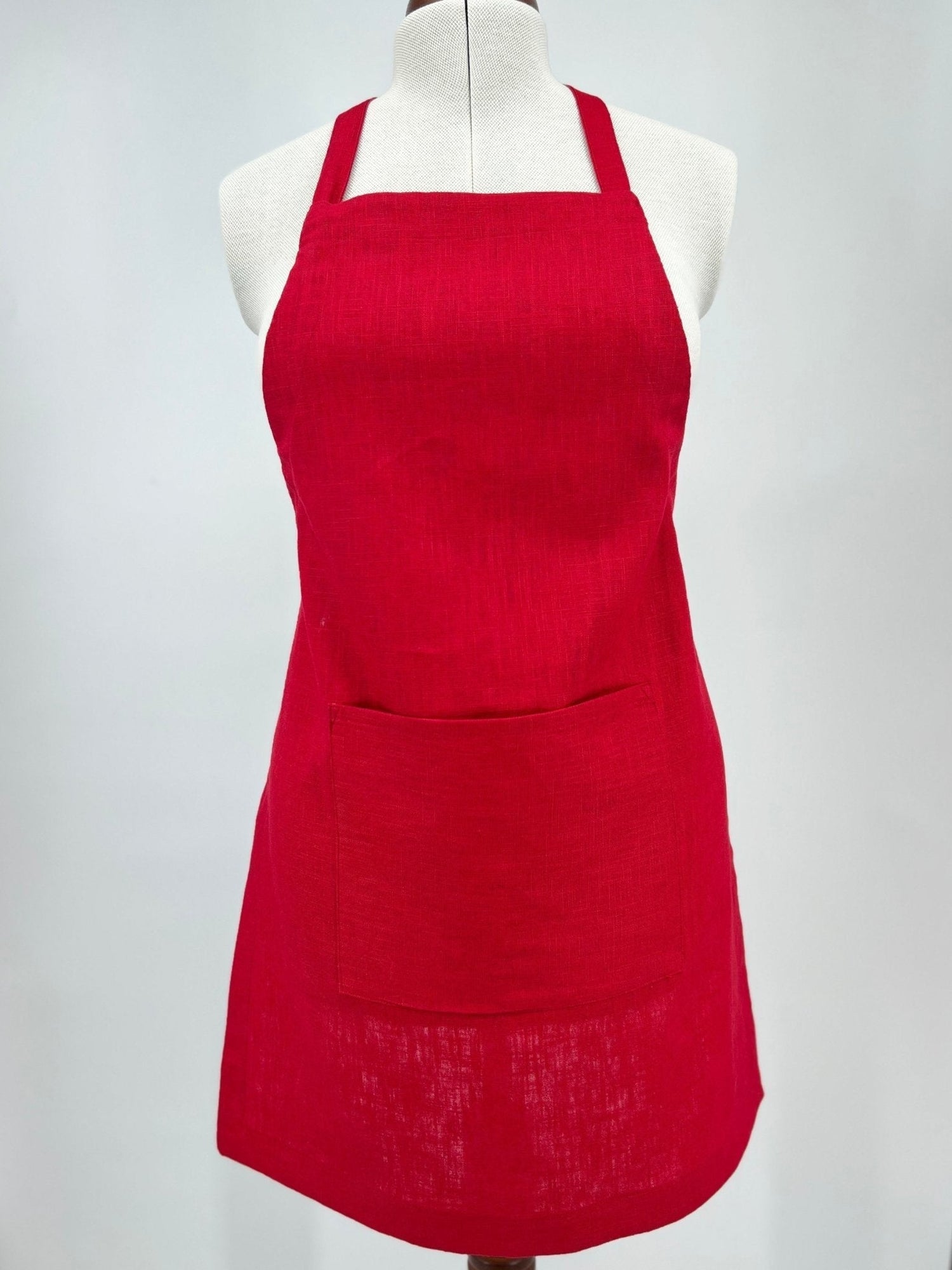
- Cotton: breathable and easy to care for
- Coated cotton: protects against splashes
- Polyester: durable and resistant to washing
Cotton often remains the most popular choice because it’s easy to sew and pleasant to wear. Coated cotton, meanwhile, is especially useful for aprons regularly used in the kitchen.
Cotton, linen, or polyester: which fabric to choose for an apron?
If you’re unsure between several materials, comparing their advantages can help you decide which fabric to choose for an apron.
Here is a comparison table of the most commonly used fabrics:
| Fabric | Advantages | Disadvantages | Use |
|---|---|---|---|
| Cotton | easy to sew, comfortable | can wrinkle | kitchen apron |
| linen | natural and very strong | stiffer | elegant apron |
| Polyester | durable and easy to care for | less breathable | professional apron |
Cotton often remains the best choice for beginner sewing projects. Linen is appreciated for its natural look, while polyester is more used in professional aprons.
Which durable fabrics to sew a long-lasting apron?
If your goal is to make a sturdy apron for DIY or gardening, it’s best to choose thicker and stronger fabrics.
The most durable fabrics for sewing an apron are:
- Denim (jeans): very strong and durable
- Canvas (thick fabric): perfect for work aprons
- Twill cotton: durable and comfortable
These fabrics are often used for workshop or DIY aprons because they offer better protection against friction and wear.
Thick fabrics like canvas or denim are especially suitable for sturdy aprons intended for heavy use.
How much fabric to plan for sewing an apron?
The required fabric length depends on the type of apron you want to make, its length, and added details (pockets, straps, etc.).
Fabric length estimate
-
Classic apron: About 90 cm of fabric with a width of 140 cm
- suitable for a model with a tie to knot at the back or front
-
Japanese apron (crossed at the back): About 1.50 m of fabric
- this model slips on like a dress and requires more material
Important tip
Always plan a little extra fabric if your project includes:
- patch pockets
- long ties
- patterns to match
Add about 20 to 30 cm of margin for extra safety.
Can you mix several fabrics to sew an apron?
Yes, and it’s even an excellent idea! The apron is one of the sewing projects best suited for customization.
Some combination ideas
- Coated cotton body + faux leather pockets: practical and durable
- Linen body + grosgrain ribbon ties: natural and elegant style
- Mix of printed and solid fabrics: perfect for a modern patchwork effect
- Canvas + contrasting details (pockets or bias): very trendy workshop look
Conclusion
Choosing which fabrics to sew an apron mainly depends on the apron’s use and sewing skill level. Materials like cotton, linen, or heavy canvases offer an excellent combination of durability and comfort.
For a kitchen apron, cotton remains one of the most popular fabrics because it is easy to sew and simple to care for. For a work or DIY apron, thicker fabrics like denim or canvas will be more suitable.
By taking the time to compare materials and their characteristics, you can easily determine which fabric to choose for an apron to achieve a result that is practical, durable, and aesthetic.
FAQ about which fabrics to sew an apron
Which fabric to use to sew an apron?
Thick cotton is generally the most recommended fabric because it is easy to sew, strong, and comfortable.
Which fabric to choose for a kitchen apron?
Cotton or coated cotton are the most suitable materials because they withstand frequent washing well.
Is linen a good fabric for an apron?
Yes, linen is a strong and breathable natural fabric, often used for elegant aprons.
Which fabric for a very durable apron?
Fabrics like denim or canvas are ideal for making a durable apron for DIY or work.

Leave a comment
This site is protected by hCaptcha and the hCaptcha Privacy Policy and Terms of Service apply.