











Which fabrics to use for sewing a shirt?
Still hesitating between two fabrics?
Tell us what you’re sewing, who it’s for, and what season it’s for. Our textile experts will reply to you personally on WhatsApp, Tuesday through Saturday, and tell you which fabric really holds up in use.
- Same-day response, Tuesday to Saturday
- Sample sent upon request
- We also tell you how much you need
Suitable fabrics, in stock
Price per metre, fabric width, and stock come from the catalogue and update automatically. The displayed cost is for the fabric length of this project.
3 of these fabrics bear the mention on their product page chemisier
Velours
-
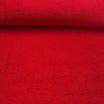
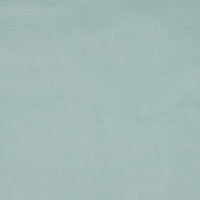 Tissu Velours Milleraies Babycord Menthe
100% Coton · fabric width 140 cm
Its product page confirms this project
13,00 €/meter
2,0 m amounts to
26,00 €
Discover
Satin
-
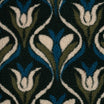
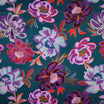
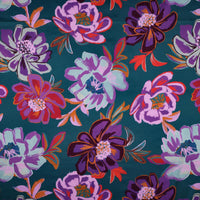 Tissu Satin de Coton Grandes Fleurs Violettes Fond Bleu Canard
100% Coton · fabric width 148 cm
Its product page confirms this project
13,50 €/meter
2,0 m amounts to
27,00 €
Discover
Popeline
-
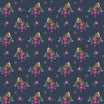
 Tissu Popeline de Coton Chevaux Fleuris Bleu Marine
100% Coton · fabric width 140 cm
Its product page confirms this project
10,00 €/meter
2,0 m amounts to
20,00 €
Discover
-
 Japanese landscape fabric
100% Cotton · fabric width 115 cm
17,00 €/meter
2,0 m amounts to
34,00 €
Discover
-
 Japanese cranes and turtles fabric
100% Cotton · fabric width 115 cm
18,50 €/meter
2,0 m amounts to
37,00 €
Discover
-
 Japanese koi fish fabric
100% Cotton · fabric width 115 cm
Only remains
2 m
18,50 €/meter
2,0 m amounts to
37,00 €
Discover
-
 Blue clematis flower cotton poplin fabric
100% Cotton · fabric width 140 cm
12,00 €/meter
2,0 m amounts to
24,00 €
Discover
-
 Cotton Poplin fabric with hearts on a white background
100% Cotton · fabric width 140 cm
9,00 €/meter
2,0 m amounts to
18,00 €
Discover
-
 Light Blue Striped Fabric with Floral Paisley Embroidery
60% Cotton / 40% Polyester · fabric width 140 cm
Only remains
2 m
14,00 €/meter
2,0 m amounts to
28,00 €
Discover
-
 Blue Striped Fabric with Floral Paisley Embroidery
60% Cotton / 40% Polyester · fabric width 140 cm
14,00 €/meter
2,0 m amounts to
28,00 €
Discover
-
 Cotton Poplin Fabric small pastel buttons
100% Cotton · fabric width 140 cm
9,00 €/meter
2,0 m amounts to
18,00 €
Discover
-
 Cotton Poplin Fabric sewing workshop
100% Cotton · fabric width 140 cm
9,00 €/meter
2,0 m amounts to
18,00 €
Discover
-
 Cotton Poplin Fabric garlands on green background
100% Cotton · fabric width 140 cm
Only remains
2 m
8,00 €/meter
2,0 m amounts to
16,00 €
Discover
-
 Cotton Poplin Fabric blue and green flowers
100% Cotton · fabric width 140 cm
9,00 €/meter
2,0 m amounts to
18,00 €
Discover
-
 Cotton Poplin Fabric mini azure blue flowers
100% Cotton · fabric width 140 cm
9,00 €/meter
2,0 m amounts to
18,00 €
Discover
-
 Cotton Poplin Fabric sky blue flowers
100% Cotton · fabric width 140 cm
9,00 €/meter
2,0 m amounts to
18,00 €
Discover
-
 Cotton Poplin Fabric back to school
100% Cotton · fabric width 140 cm
12,00 €/meter
2,0 m amounts to
24,00 €
Discover
-
 Blue poplin fabric with gold dots
100% Cotton · fabric width 140 cm
Only remains
2 m
5,00 €/meter
2,0 m amounts to
10,00 €
Discover
-
 Striped stretch cotton poplin fabric
70% Cotton - 26% Polyamide - 2% Spandex · fabric width 140 cm
12,00 €/meter
2,0 m amounts to
24,00 €
Sold out, view the product page
-
 Yellow Gingham Seersucker Fabric
100% Cotton · fabric width 140 cm
12,00 €/meter
2,0 m amounts to
24,00 €
Discover


Linen
-
 Plain coral linen fabric
100% Linen · fabric width 140cm
Only remains
2 m
17,00 €/meter
2,0 m amounts to
34,00 €
Discover
-
 Plain linen fabric emerald blue
100% Linen · fabric width 140cm
17,00 €/meter
2,0 m amounts to
34,00 €
Discover
-
 Plain linen fabric mint green
100% Linen · fabric width 140cm
17,00 €/meter
2,0 m amounts to
34,00 €
Sold out, view the product page
-
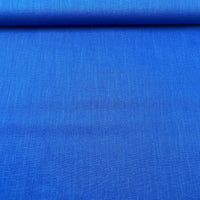 Solid Electric Blue Linen Fabric
100% Linen · fabric width 140cm
17,00 €/meter
2,0 m amounts to
34,00 €
Discover
-
 Solid Blue jeans Linen Fabric
100% Linen · fabric width 140cm
17,00 €/meter
2,0 m amounts to
34,00 €
Discover
-
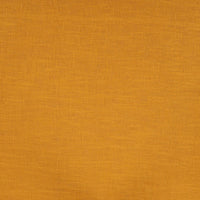 Solid curry linen fabric
100% Linen · fabric width 140cm
17,00 €/meter
2,0 m amounts to
34,00 €
Discover


Poplin
-
 White Organic Cotton Poplin Fabric
100% Cotton · fabric width 150cm
8,50 €/meter
2,0 m amounts to
17,00 €
Discover
-
 Cotton poplin fabric with faces in flowers
100% Cotton · fabric width 140cm
12,00 €/meter
2,0 m amounts to
24,00 €
Discover
-
 Cotton Poplin War fabric
100% Cotton · fabric width 140cm
6,00 €/meter
2,0 m amounts to
12,00 €
Discover
-
 Cotton Poplin Couture fabric
100% Cotton · fabric width 140cm
Only remains
1 m
12,00 €/meter
2,0 m amounts to
24,00 €
Discover
-
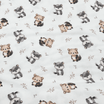
 Cotton Poplin forest animals fabric
100% Cotton · fabric width 140cm
12,00 €/meter
2,0 m amounts to
24,00 €
Discover


Viscose
-
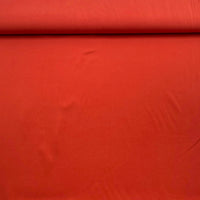 Earth-tone viscose fabric
100% Viscose · fabric width 142cm
8,50 €/meter
2,0 m amounts to
17,00 €
Discover
-
 Pink viscose fabric
100% Viscose · fabric width 142cm
8,50 €/meter
2,0 m amounts to
17,00 €
Discover
-
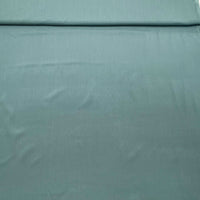 Mint green viscose fabric
100% Viscose · fabric width 142cm
8,50 €/meter
2,0 m amounts to
17,00 €
Sold out, view the product page
-
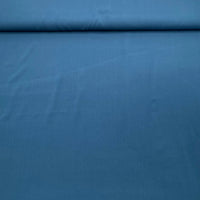 Viscose fabric in jeans blue
100% Viscose · fabric width 142cm
Only remains
2 m
8,50 €/meter
2,0 m amounts to
17,00 €
Discover
Double Gaze
-
 Pastel daisy double gauze fabrics
100% Cotton · fabric width 130 cm
Only remains
50 cm
12,50 €/meter
2,0 m amounts to
25,00 €
Discover
-
 Pink floral double gauze fabric
100% Cotton · fabric width 132 cm
12,00 €/meter
2,0 m amounts to
24,00 €
Discover
-
 Pastel Flower Double Gauze Fabrics
100% Cotton · fabric width 132 cm
12,00 €/meter
2,0 m amounts to
24,00 €
Discover
-
 Pastel dinosaur double gauze fabrics
100% Cotton · fabric width 132 cm
12,00 €/meter
2,0 m amounts to
24,00 €
Sold out, view the product page
-
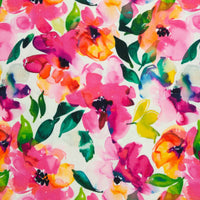 Flat double gauze fabric Watercolor pink flowers
100% Cotton · fabric width 132 cm
18,00 €/meter
2,0 m amounts to
36,00 €
Discover
-
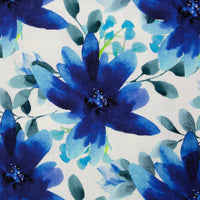 Flat double gauze fabric watercolor blue flowers
100% Cotton · fabric width 132 cm
Only remains
2 m
18,00 €/meter
2,0 m amounts to
36,00 €
Discover


Cotton
-
 Crochet Fabric colorful wavy stripes
65% Cotton 35% Acrylic · fabric width 130cm
7,00 €/meter
2,0 m amounts to
14,00 €
Discover

Coton
-
 Eyelet fabric star-shaped flowers
100% Cotton · fabric width 130 cm
Only remains
2 m
16,00 €/meter
2,0 m amounts to
32,00 €
Discover
-
 White eyelet fabric round flowers
100% Cotton · fabric width 130 cm
16,00 €/meter
2,0 m amounts to
32,00 €
Discover
-
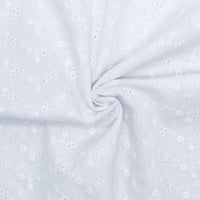 White eyelet fabric small flowers
100% Cotton · fabric width 130 cm
16,00 €/meter
2,0 m amounts to
32,00 €
Discover
-
 Seersucker Fabric blue and pink checks
100% Cotton · fabric width 140 cm
13,00 €/meter
2,0 m amounts to
26,00 €
Discover
-
 English embroidery fabric with blue embroidered flowers
100% Cotton · fabric width 130 cm
16,00 €/meter
2,0 m amounts to
32,00 €
Discover
-
 English embroidery fabric with pink embroidered flowers
100% Cotton · fabric width 130 cm
16,00 €/meter
2,0 m amounts to
32,00 €
Discover
-
 Dolce Vita Seersucker Fabric
100% Cotton · fabric width 140 cm
13,00 €/meter
2,0 m amounts to
26,00 €
Discover
-
 Lobster Quilted Cotton Fabric
100% Cotton · fabric width 140 cm
15,00 €/meter
2,0 m amounts to
30,00 €
Discover


We have them 133 in this collection. The first fifty are here.
View the entire collectionWhich fabrics are suitable for sewing a shirt? A shirt is a timeless garment that can be worn both every day and in more formal settings. The choice of fabric plays an essential role in the final result: it affects the comfort, structure and style of the shirt.
Shirts are generally made from lightweight, breathable fabrics, often cotton-based. Materials such as poplin, oxford and chambray are widely used because they offer a good balance of lightness, durability and elegance.
In this guide, you will discover the most suitable fabrics for sewing a shirt in different styles.
The different types of shirts
Shirts come in many styles, each with its own characteristics and uses. For example, there is the classic shirt, often worn in a professional or formal setting, and the casual shirt, which is more relaxed and suitable for everyday wear. The short-sleeved shirt, with its short sleeves, is ideal for warm seasons. The blouse, generally more fluid and feminine, comes in lightweight, elegant fabrics. Finally, the overshirt is a thicker version of a shirt, often worn as a lightweight jacket during the transitional seasons. Each type of shirt can be made from different fabrics to achieve the desired style and comfort.

Which fabric for a classic shirt?
A classic shirt is often worn in a professional setting or for more formal occasions. It should hold its shape well while remaining comfortable.
Recommended fabrics
- poplin cotton
- oxford
- cotton satin
- cotton twill
- fine jeans
These fabrics offer good structure and produce an elegant, durable shirt.

Which fabric for a casual shirt?
A casual shirt has a more relaxed style and can be worn every day. It is often made from slightly softer fabrics.
Recommended fabrics
- chambray
- washed cotton
- linen
- lightweight jeans
These materials produce a comfortable shirt with a natural, relaxed style.

Which fabric for a short-sleeved shirt?
A short-sleeved shirt is generally worn during warm seasons. It should be made from a lightweight, breathable fabric.
Recommended fabrics
- cotton voile
- linen
- viscose
- lightweight cotton
These fabrics are particularly comfortable to wear in summer because they allow the skin to breathe.

What fabric should you use for a blouse?
A blouse is often more fluid and feminine than a classic shirt. It is generally made from lightweight fabrics that provide a beautiful drape.
Recommended fabrics
- viscose
- silk
- crepe
- satin
These fabrics can be used to create elegant and comfortable blouses.

What fabric should you use for an overshirt?
An overshirt is a thicker shirt that is often worn as a lightweight jacket. It therefore requires a more structured fabric.
Recommended fabrics
- flannel
- denim
- corduroy
- lightweight wool
These fabrics can be used to create a warm and comfortable overshirt, ideal for the transitional season.
Summary table of shirt fabrics
| Shirt type | Recommended fabrics | Features |
|---|---|---|
| Classic shirt | poplin, oxford | elegant |
| Casual shirt | chambray, cotton | casual |
| Short-sleeved shirt | linen, cotton voile | lightweight |
| Blouse | viscose, silk | fluid |
| Overshirt | flannel, velvet | thicker |
Suitable fabrics for sewing the perfect shirt
To make a successful shirt, choosing the right fabric is essential. At Verotex, we offer a wide selection of fabrics ideal for this type of garment: lightweight and elegant cotton poplin, casual chambray, breathable linen for summer, and fluid viscose for refined blouses. Our fabrics are selected for their quality, comfort, and ease of sewing, to guarantee a neat finish that is pleasant to wear every day.
Whether you want to sew a classic shirt, a casual shirt, or a trendy overshirt, you will find a variety of modern, easy-to-work-with fabrics at Verotex. Available in solid or printed versions, they suit all styles and seasons.
Conclusion
Knowing which fabrics to use to sew a shirt is essential for the success of this sewing project. Fabrics such as poplin, chambray, or linen are particularly suitable because they offer comfort and breathability.
The choice mainly depends on the style of shirt you want to make: an elegant classic shirt, a casual shirt for everyday wear, or a warmer overshirt for the transitional season.
FAQ about shirt fabrics
What is the best fabric for a shirt?
Cotton poplin is very popular because it is lightweight, breathable, and easy to sew.
What fabric should you use for a summer shirt?
Linen or cotton voile are ideal because they are lightweight and breathable.
Can you sew a shirt with viscose?
Yes, viscose is perfect for fluid and elegant blouses.
How much fabric is needed to sew a shirt?
On average, you need between 1.50 m and 2 m of fabric, depending on the size and pattern.
