












Table of Contents:
Which fabrics for socks? This is an essential question when you want to sew or choose comfortable socks suited to your use. The fabric choice directly affects breathability, warmth, and garment durability. Understanding which fabric to use for socks therefore helps select a material that is pleasant to wear daily but also suitable for specific situations like sports or winter.
There are different materials for socks, each with specific characteristics. Some natural fibers like cotton or wool offer softness and breathability, while some synthetic fibers improve durability and elasticity. Choosing a fabric for socks accordingly allows for a good balance between comfort, support, and durability.
In this article, we will look at which fabrics for socks are most commonly used, their advantages, and how to choose a breathable fabric for socks or a stretch fabric for socks depending on the intended use.
What is meant by socks in sewing?
Socks are garments designed to protect the feet, improve comfort inside shoes, and maintain good hygiene. In the textile world, they are generally made from stretch fabrics to fit the shape of the foot.
When wondering which fabrics for socks, several criteria must be considered: elasticity, breathability, and fabric durability.
The main types of socks are:
- classic socks for everyday wear
- sports socks
- winter socks
- thin socks for dress shoes
- technical socks for hiking
Understanding these differences helps to choose which fabric to use for socks depending on the purpose.
Which fabric to use for socks?
Choosing the fabric is essential to ensure comfort and durability. Some materials are particularly suitable because they allow for breathable and durable socks.
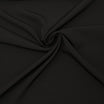
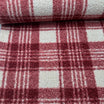
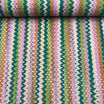
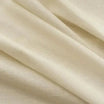
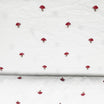
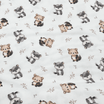
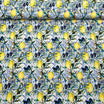
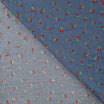
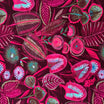
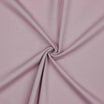
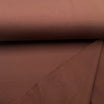
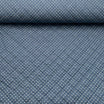
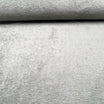
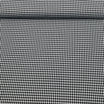
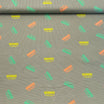
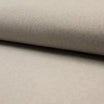
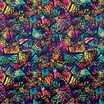
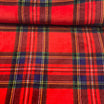
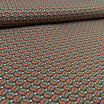
IMAGE (fabric samples for socks)
The most used materials are:
- cotton: breathable and comfortable
- wool: warm and insulating
- bamboo: soft and antibacterial
- polyester: durable
- elastane: provides elasticity
To sew accessories like socks, it is interesting to turn to stretch knit fabrics like jersey with elastane or certain cotton knits available in specialized stores like Verotex.
Which fabrics to choose depending on the use of the socks?
The choice of fabric often depends on the use of the socks. A pair intended for sports will not require the same features as a pair intended for winter.

Fabric for sports socks
Sports socks must be breathable and able to wick away moisture. They must also resist friction.
The most suitable materials are:
- technical polyester
- blended cotton
- breathable synthetic fibers
- elastane
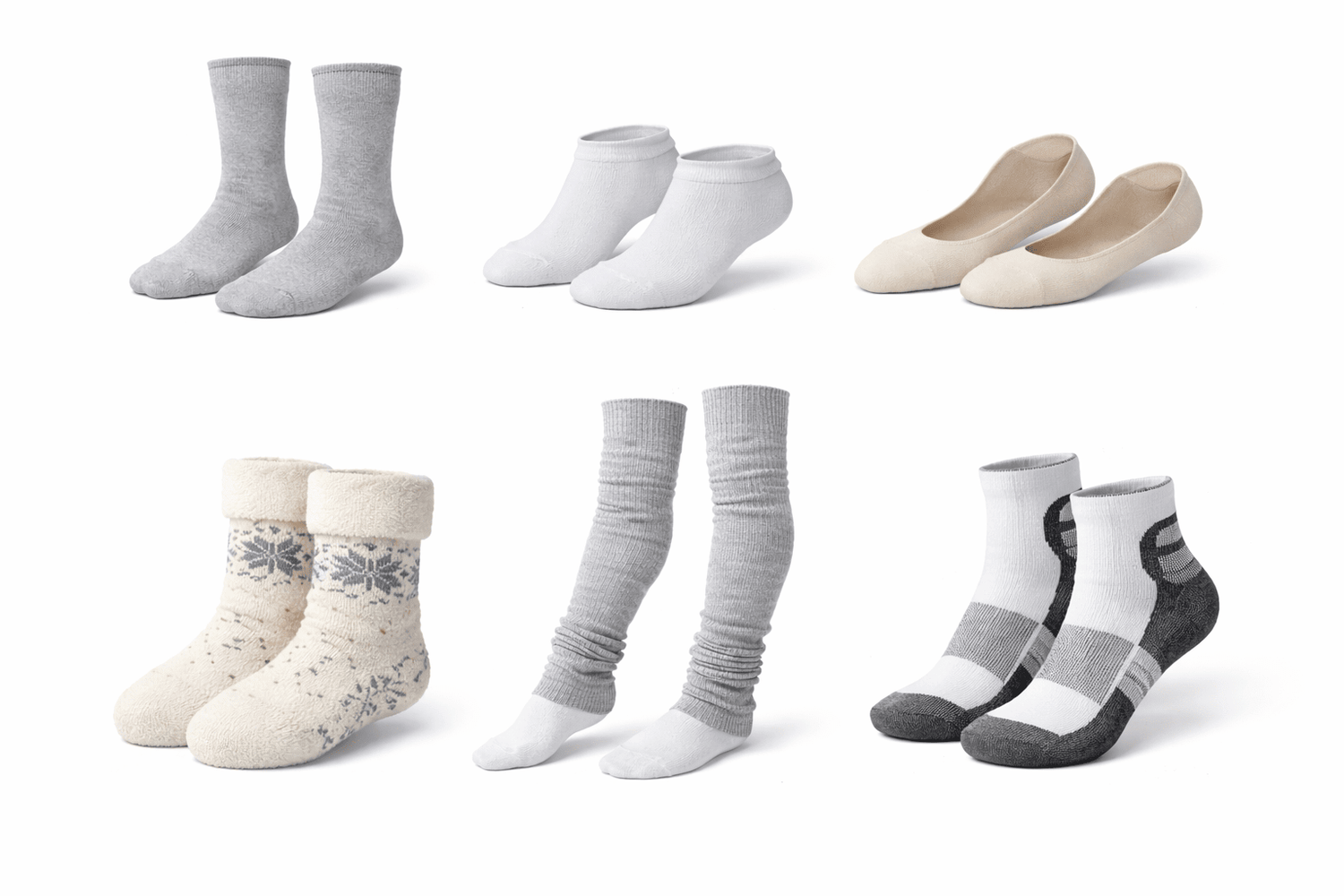
Standard socks

The standard socks are the most common models. They usually reach mid-calf and are suitable for most everyday situations.
Most commonly used fabrics:
- Cotton: soft, breathable, and comfortable for everyday use
- Merino wool: provides warmth and regulates temperature
- Polyamide (nylon): enhances strength and wear resistance
This type of sock offers a good balance between protection, comfort, and support.

Anklet socks
The anklet socks are shorter socks that reach just above the ankle. They are especially popular in summer or with low shoes.
Most suitable fabrics:
- Cotton with elastane: breathable and stretchy
- Polyester: lightweight and durable, often used for sports
- Bamboo: soft and naturally antibacterial
No-show socks are appreciated for their discretion while offering protection against friction.
Invisible socks

Invisible socks are designed to remain completely hidden inside the shoe. They are ideal for low-cut shoes like loafers or ballet flats.
Most commonly used fabrics:
- Fine cotton: lightweight and comfortable
- Synthetic microfiber: very fine and discreet
- Polyamide: improves durability and elasticity
These socks often have a non-slip band at the heel to prevent slipping inside the shoe.

Indoor socks
Indoor socks are specially designed to provide warmth and comfort at home. They are generally made with soft and thick materials.
Most commonly used fabrics:
- Wool: very warm and insulating
- Fleece knit: soft and comfortable
- Acrylic: lightweight and warm
Some versions also feature non-slip soles, making them perfect for walking on tile or hardwood floors.
Leg warmers

Leg warmers are textile accessories that cover the leg without fully wrapping the foot. They were very popular in the 1980s and regularly come back into fashion.
Most suitable fabrics:
- Wool knit: ideal for keeping legs warm
- Cotton knit: breathable and comfortable
- Stretch knit with elastane: provides good support
Leg warmers can be worn over tights, leggings, or even socks.
Which accessories to choose to customize socks?
Even though socks are primarily functional items, it is entirely possible to customize them to add more style or make them unique. A few well-chosen accessories can transform a simple pair into a truly original piece.
The most commonly used accessories
-
Bias tape
Help reinforce and decorate the top of the sock while providing a neat finish. They can also add an interesting contrasting touch. -
Pom-poms
Perfect for a playful or cozy style, especially on indoor or children's socks. -
Ribbons
Used to create small decorative knots or delicate finishes, especially on more fancy designs. -
Embroidery
Ideal for personalizing a pair of socks with initials, patterns, or unique details. -
Iron-on or sewn patches
Add an original touch and allow easy customization of simple socks.
Conclusion
Choosing which fabrics for socks mainly depends on the desired comfort, the season, and the use. Natural fibers like cotton, merino wool, or bamboo offer excellent breathability and great softness. Synthetic fibers, on the other hand, improve durability and elasticity.
For home sewing, a stretch fabric for socks like jersey with elastane is often the best choice. Understanding the characteristics of each material for socks makes it easier to select the textile suited to your needs.
By comparing fibers and their properties, you can easily determine which fabrics for socks to prioritize to achieve comfort, durability, and support.
FAQ about which fabrics for socks
Which fabrics for comfortable socks?
The most comfortable are generally cotton, merino wool, and bamboo thanks to their breathability and softness.
Which fabric to use for sewing socks?
A stretch fabric for socks like cotton jersey with elastane is ideal to ensure elasticity and support.
Are bamboo socks a good option?
Yes, bamboo fibers are very breathable, antibacterial, and particularly soft.
Which fabric to choose for sports socks?
Blends containing polyester, polyamide, and elastane are often used to improve moisture management and durability.
Do wool socks really keep you warm?
Yes, merino wool has excellent thermoregulating properties and helps keep feet warm while avoiding moisture.

Leave a comment
This site is protected by hCaptcha and the hCaptcha Privacy Policy and Terms of Service apply.