








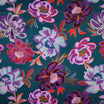


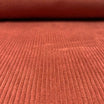


Which fabrics for baby clothes? Guide to ideal materials
Still hesitating between two fabrics?
Tell us what you’re sewing, who it’s for, and what season it’s for. Our textile experts will reply to you personally on WhatsApp, Tuesday through Saturday, and tell you which fabric really holds up in use.
- Same-day response, Tuesday to Saturday
- Sample sent upon request
- We also tell you how much you need
Suitable fabrics, in stock
Price per metre, fabric width, and stock come from the catalogue and update automatically. The displayed cost is for the fabric length of this project.
Double Gauze
-
 Organic double gauze dark mint fabric
100% Cotton · fabric width 132cm
9,00 €/meter
1,5 m amounts to
13,50 €
Sold out, view the product page

Jersey
-
 Safari-colored cotton jersey fabric
95% Cotton / 5% Elastane · fabric width 150 cm
Only remains
2 m
16,00 €/meter
1,5 m amounts to
24,00 €
Discover
-
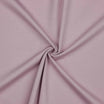
 Dusty Pink Cotton Jersey Fabric
95% Cotton / 5% Elastane · fabric width 150cm
12,50 €/meter
1,5 m amounts to
18,75 €
Sold out, view the product page
-
 Cotton Jersey Fabric Sky Bear Cub
95% Cotton / 5% Elastane · fabric width 140cm
15,50 €/meter
1,5 m amounts to
23,25 €
Sold out, view the product page
-
 Cotton Jersey Fabric retro ochre flowers
95% Cotton / 5% Elastane · fabric width 150 cm
Only remains
1 m
6,00 €/meter
1,5 m amounts to
9,00 €
Discover
-
 Fox and Raccoon Cotton Jersey Fabric
95% Cotton / 5% Elastane · fabric width 150 cm
16,00 €/meter
1,5 m amounts to
24,00 €
Discover
-
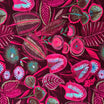
 Exotic flower cotton jersey fabric
95% Cotton / 5% Elastane · fabric width 150 cm
18,00 €/meter
1,5 m amounts to
27,00 €
Discover
-
 Cotton jersey fabric with blue palm trees
100% cotton · fabric width 150 cm
15,00 €/meter
1,5 m amounts to
22,50 €
Discover
-
 Cotton jersey fabric with dinosaurs
94% Cotton / 6% Elastane · fabric width 150 cm
15,00 €/meter
1,5 m amounts to
22,50 €
Discover
-
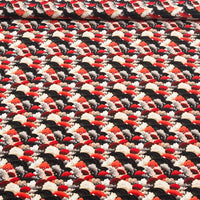 Red Japanese Fan Cotton Jersey Fabric
95% Cotton / 5% Elastane · fabric width 150 cm
18,00 €/meter
1,5 m amounts to
27,00 €
Discover
-
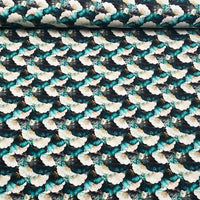 Cotton Jersey Fabric Japanese Fans Aqua Green
95% Cotton / 5% Elastane · fabric width 150 cm
18,00 €/meter
1,5 m amounts to
27,00 €
Discover
-
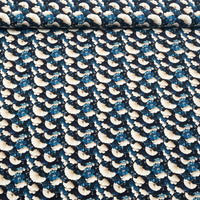 Blue Japanese Fan Cotton Jersey Fabric
95% Cotton / 5% Elastane · fabric width 150 cm
18,00 €/meter
1,5 m amounts to
27,00 €
Discover
-
 Red Floral Garden Cotton Jersey Fabric
95% Cotton / 5% Elastane · fabric width 150 cm
16,00 €/meter
1,5 m amounts to
24,00 €
Discover
-
 Abstract blue and brown cotton jersey fabric
95% Cotton / 5% Elastane · fabric width 150 cm
16,00 €/meter
1,5 m amounts to
24,00 €
Discover
-
 Ochre Cotton Jersey Fabric
95% Cotton / 5% Elastane · fabric width 150cm
12,50 €/meter
1,5 m amounts to
18,75 €
Discover
-
 Petrol Blue Cotton Jersey Fabric
95% Cotton / 5% Elastane · fabric width 150cm
12,50 €/meter
1,5 m amounts to
18,75 €
Discover
-
 Royal Blue Cotton Jersey Fabric
95% Cotton / 5% Elastane · fabric width 150cm
12,50 €/meter
1,5 m amounts to
18,75 €
Discover
-
 Enchanted Winter Fox Jersey Fabric
95% Cotton / 5% Elastane · fabric width 150cm
15,50 €/meter
1,5 m amounts to
23,25 €
Discover


Cotton
-
 Purple Sweat Fabric with Large Bow Pattern
70% Cotton / 30% Polyester · fabric width 150cm
15,00 €/meter
1,5 m amounts to
22,50 €
Discover
-
 Sweat Fabric with Forest Animals and Mushrooms
50% Cotton / 46% Polyester / 4% Elastane · fabric width 150cm
Only remains
1 m
16,00 €/meter
1,5 m amounts to
24,00 €
Discover
-
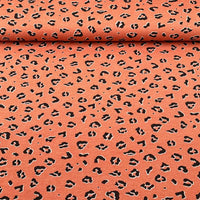 Orange Sweat Fabric with Leopard Relief
50% Cotton / 46% Polyester / 4% Elastane · fabric width 150cm
Only remains
1 m
8,00 €/meter
1,5 m amounts to
12,00 €
Discover
-
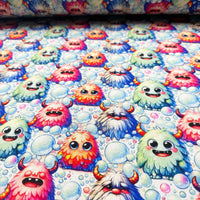 Little Monster Alpine Polar Sweat Fabric
50% Cotton / 46% Polyester / 4% Elastane · fabric width 150cm
18,00 €/meter
1,5 m amounts to
27,00 €
Discover


Poplin
-
 Cotton poplin fabric pine cone
100% Cotton · fabric width 150cm
Only remains
1 m
11,00 €/meter
1,5 m amounts to
16,50 €
Discover
-
 Cotton Poplin Fabric with Peacocks and Flowers Pattern
100% Cotton · fabric width 150cm
10,00 €/meter
1,5 m amounts to
15,00 €
Discover
-
 Cotton Poplin Fabric Birthday
100% Cotton · fabric width 150cm
10,00 €/meter
1,5 m amounts to
15,00 €
Discover


Sweat
-
 Alpine Halloween fleece Sweat fabric
70% polyester / 26% viscose / 4% elastane · fabric width 150 cm
15,00 €/meter
1,5 m amounts to
22,50 €
Discover
-
 Multicolor butterfly fleece Sweat fabric
70% polyester / 26% viscose / 4% elastane · fabric width 150 cm
15,00 €/meter
1,5 m amounts to
22,50 €
Discover


Honeycomb
-
 Khaki Honeycomb Fabric
100% Cotton · fabric width 150cm
11,00 €/meter
1,5 m amounts to
16,50 €
Sold out, view the product page

Cotton Pique
-
 Piqué Jersey Fabric colorful cars
97% Cotton / 3% Elastane · fabric width 150cm
13,00 €/meter
1,5 m amounts to
19,50 €
Discover

Sweatshirt
-
 Dragon Sweat Fabric
50% Cotton / 46% Polyester / 4% Elastane · fabric width 150cm
18,50 €/meter
1,5 m amounts to
27,75 €
Discover

Which fabrics are suitable for baby clothes? Choosing the right fabric is essential to ensure an infant's comfort and safety. Babies' skin is particularly sensitive and requires soft, breathable and natural materials to prevent irritation.
Some materials are particularly suitable for making baby clothes. Cotton fabric for babies is very popular for its softness and ease of care. Other materials such as fleece or merino wool are also appreciated for their breathability and comfort.
In this article, we will discover which fabrics are suitable for baby clothes, compare the most suitable materials and give you advice on selecting the ideal fabric.
The most commonly used fabrics for baby clothes
When wondering which fabrics are suitable for baby clothes, some materials are particularly popular for their softness and comfort.
The most commonly used fabrics are:
- Cotton: Cotton remains the standard. Natural, breathable and easy to care for, it is particularly suitable for everyday clothing such as bodysuits, T-shirts and pyjamas. It also has the advantage of being easy to sew, making it an excellent choice for beginners.
- Organic cotton : Organic cotton is often recommended. It is made without harsh chemicals, thereby reducing the risk of irritation. It is an ideal option for newborns.
- Merino wool: is often used in winter. It has the particularity of keeping you warm while remaining breathable, helping maintain a stable temperature without a damp feeling.
- Cotton jersey : Cotton jersey is an excellent choice. Stretchy and comfortable, it naturally follows the baby's movements while remaining pleasant to wear.
These materials make it possible to create comfortable clothes suited to babies’ everyday lives.

Soft fabrics for caring for sensitive baby skin
Softness is a crucial criterion. Fabric that is too rough or irritating can quickly become uncomfortable.
Materials such as organic cotton, cotton jersey and bamboo are particularly recommended. They provide a pleasant feel against the skin and reduce friction.
It is also recommended to choose certified fabrics, such as those bearing the Oeko-Tex or GOTS labels. These certifications guarantee the absence of harmful substances and provide greater safety for babies.
Breathable fabrics for baby comfort
Baby clothing should be breathable to prevent the child from getting too hot. Natural materials generally allow better air circulation.
The most commonly used breathable fabrics are:
- Cotton: allows air to circulate
- Merino wool: retains heat while remaining breathable
These fabrics help maintain thermal comfort.
Fabrics suited to each season
The choice of fabric also depends on the season. Some fabrics are better suited to summer, while others are more suitable for cold temperatures.
| Fabric | Characteristics | Ideal for | Season |
|---|---|---|---|
| Cotton | Natural, soft, breathable, easy to sew | Bodysuits, T-shirts, pajamas | Summer, transitional season |
| Cotton double gauze | Very soft, lightweight, airy, naturally textured | Sleeping bags, rompers, lightweight blankets | All seasons |
| Cotton jersey | Stretchy, comfortable, follows movements | Bodysuits, pajamas, everyday clothing | All year round |
| Fleece | Thick, warm, soft interior | Sweaters, trousers, winter pajamas | Winter |
| French Terry | Lighter than fleece, supple, breathable | Comfortable outfits, transitional-season clothing | Spring, autumn |
| Merino wool | Thermoregulating, warm yet breathable | Winter clothing, base layers | Winter |
This table helps you better understand which fabric to choose for baby clothing depending on the season.
Conclusion
Choosing which fabrics to use for baby clothing is an important step in ensuring comfort and safety. Materials such as organic cotton, bamboo, and merino wool are particularly suitable because of their softness and breathability.
Cotton remains one of the most commonly used fabrics for baby clothing thanks to its simplicity and comfort. Bamboo offers exceptional softness, while merino wool is ideal for keeping babies warm in winter.
By comparing the different materials and their characteristics, you can easily choose the ideal fabric to make comfortable clothing suited to your baby's needs.
FAQ about which fabrics to use for baby clothing
Which fabric is most commonly used for baby clothing?
Cotton is the most commonly used fabric because it is soft, breathable, and easy to care for.
Which fabric should you choose for very soft baby clothing?
Bamboo and organic cotton are particularly appreciated for their softness.
Can polyester be used for baby clothing?
It is preferable to choose natural fibers, which are more breathable and comfortable.
Which fabric for winter baby clothing?
Merino wool is often used for winter clothing because it is warm and breathable.
