























Table of Contents:
A facing is a piece of fabric added to the wrong side of a garment to provide a beautiful finish at the neckline. This technique creates a clean, structured result while stabilizing the shape of the neckline. It is often made from the same fabric as the garment or from a contrasting material for a decorative effect.
Steps for sewing a neckline facing
1. Fusing the facing
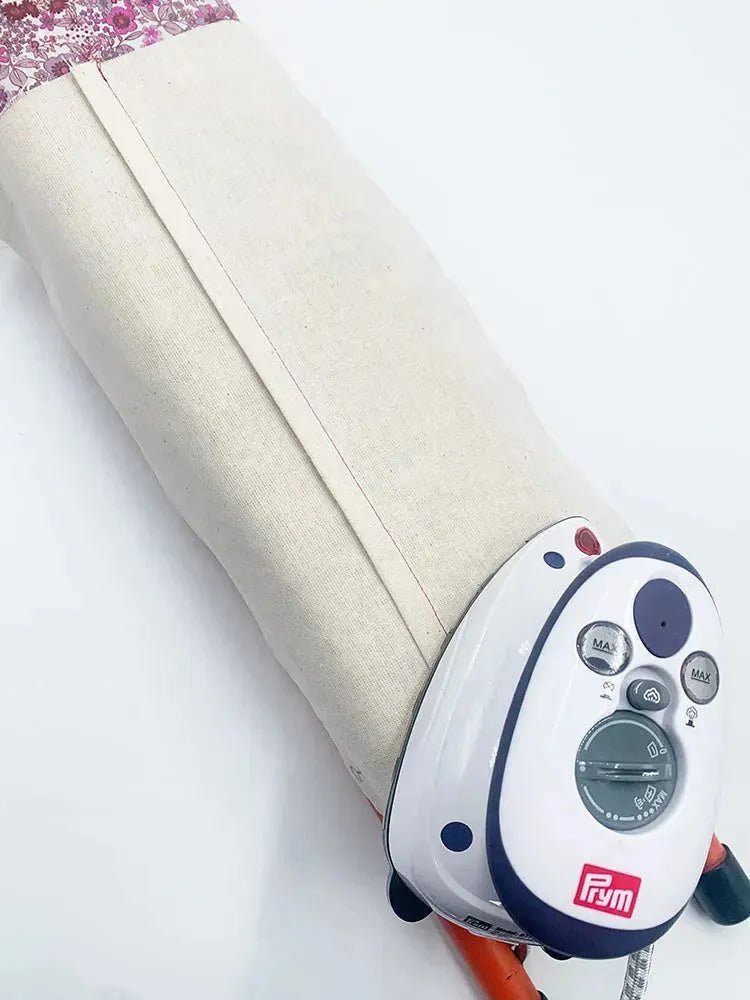
Start by reinforcing your facing by fusing its different parts, both the front and the back. Use interfacing suitable for your fabric to give the neckline more structure. Press carefully for good adhesion.

2. Finishing the edges
Assemble the facing and the rest of the garment separately. Overlock or zigzag-stitch the outer edge of the facing to prevent the fabric from fraying. This step ensures a clean, durable finish.


3. Attaching the facing
Place the facing and neckline right sides together. Make sure the side seams are properly aligned. Pin carefully before sewing.

4. Sewing the neckline
Join the facing and neckline by sewing with a straight stitch set to a length of 2.5 mm. Be sure to start and finish the seam without overlapping for a neater result.

5. Trimming the seam allowances
Trim the excess fabric to approximately 0.5 cm from the seam. This reduces bulk and creates a nice, flat neckline.

6. Clipping and pressing
To soften the curve of the neckline, clip the seam allowance lightly with small snips. Then press, opening the seam well.

7. Turning the facing
Turn the facing to the wrong side of the garment and carefully press it flat.
8. Understitching
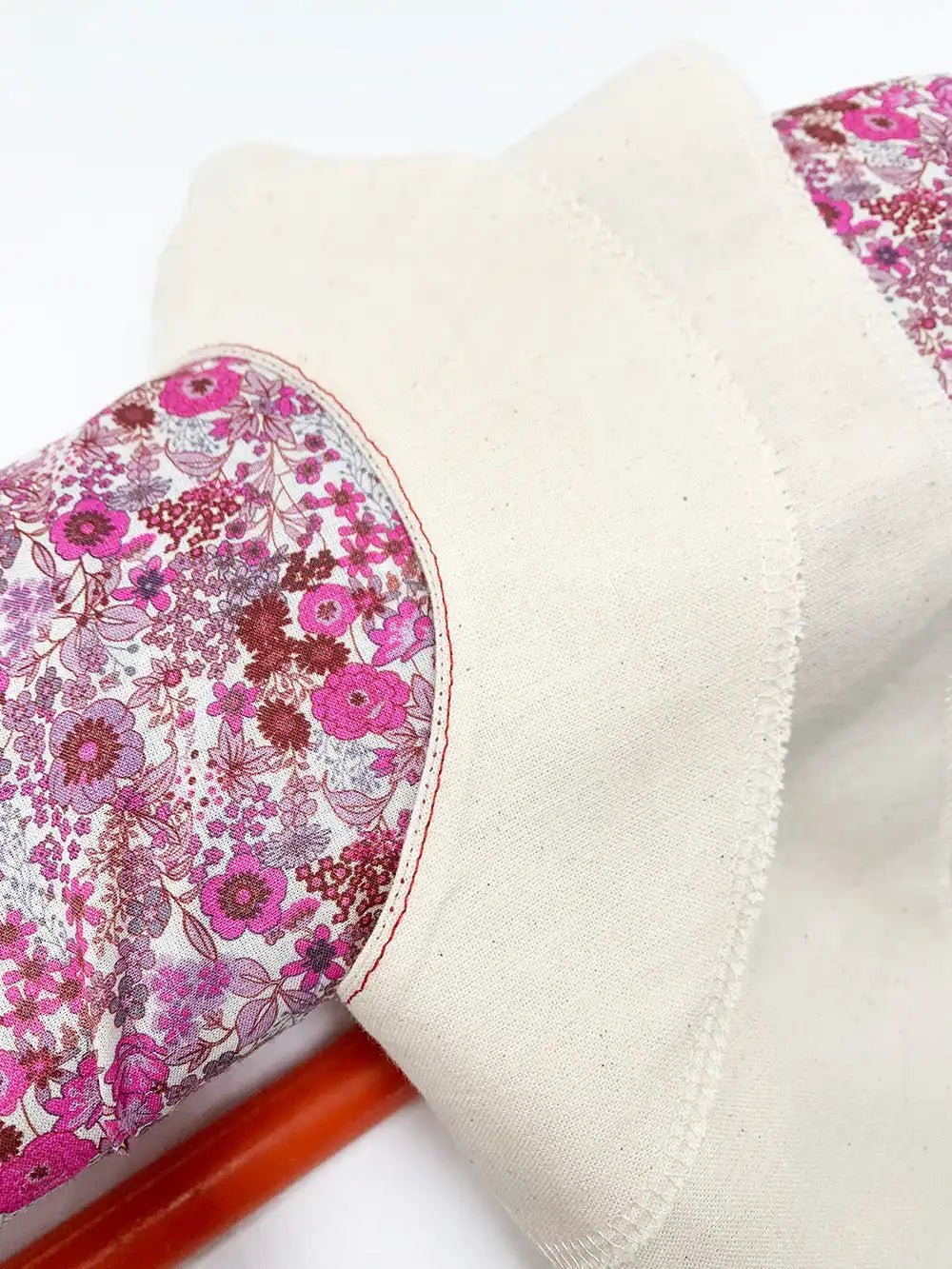
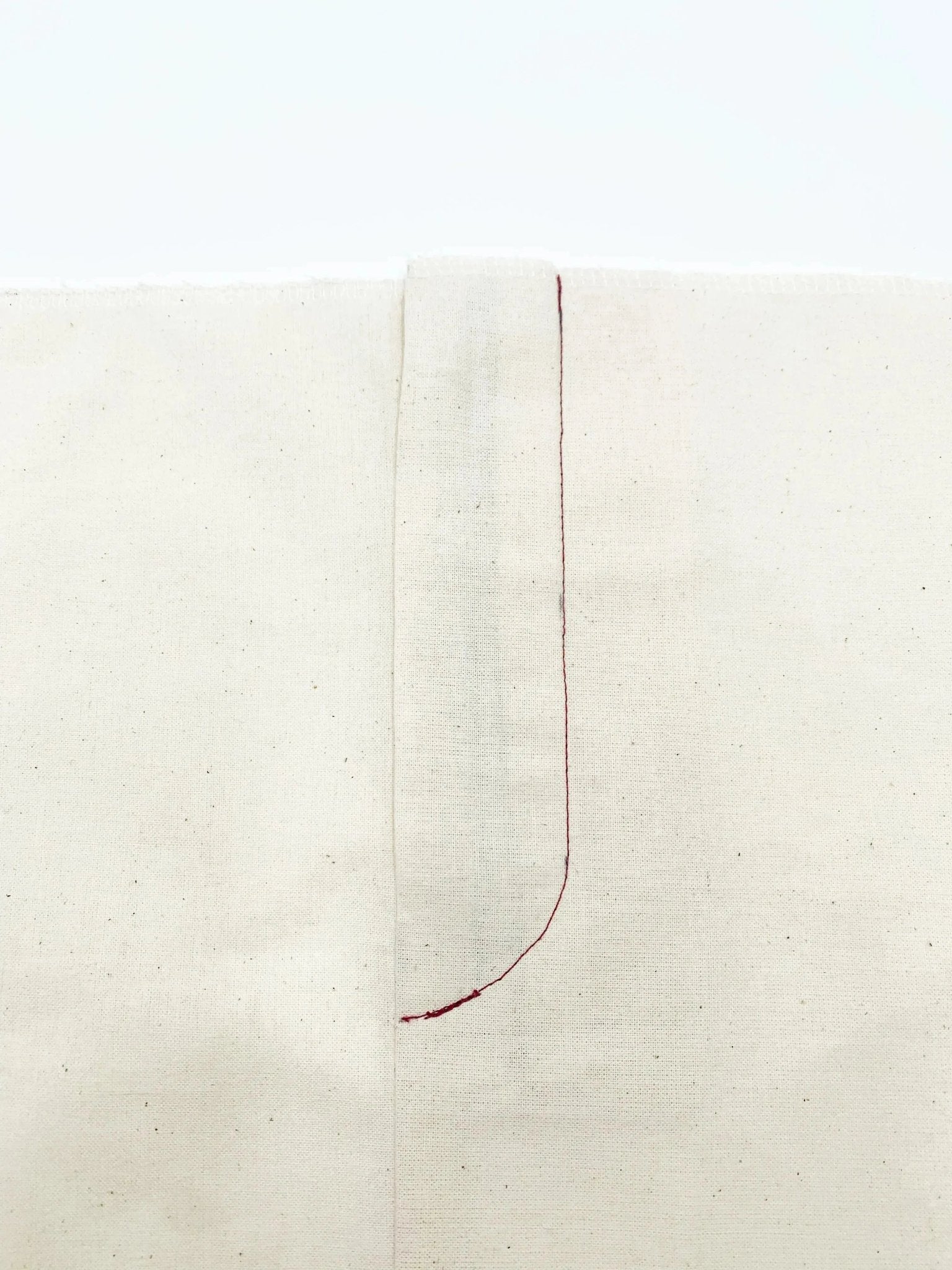
To keep the facing in place and prevent it from showing, understitch it: sew a line on the facing, catching the seam allowance, approximately 2 mm from the edge. This technique secures the lining without the stitching being visible.

9. Final fastening
If necessary, secure the facing to the shoulder seams with a few hand stitches or discreet machine stitching. This ensures that the facing stays in place.

Conclusion
Using a facing offers several advantages:
- A neat finish: The neckline is clean and tidy, with no visible stitching.
- Good support: Interfacing prevents the neckline from losing its shape over time.
- Sewing accessible to all skill levels: This method is simple and adaptable, for both beginners and experienced sewists.
By following these steps, you will achieve a flawless neckline with a professional finish!

Leave a comment
This site is protected by hCaptcha and the hCaptcha Privacy Policy and Terms of Service apply.