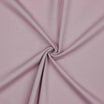
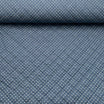
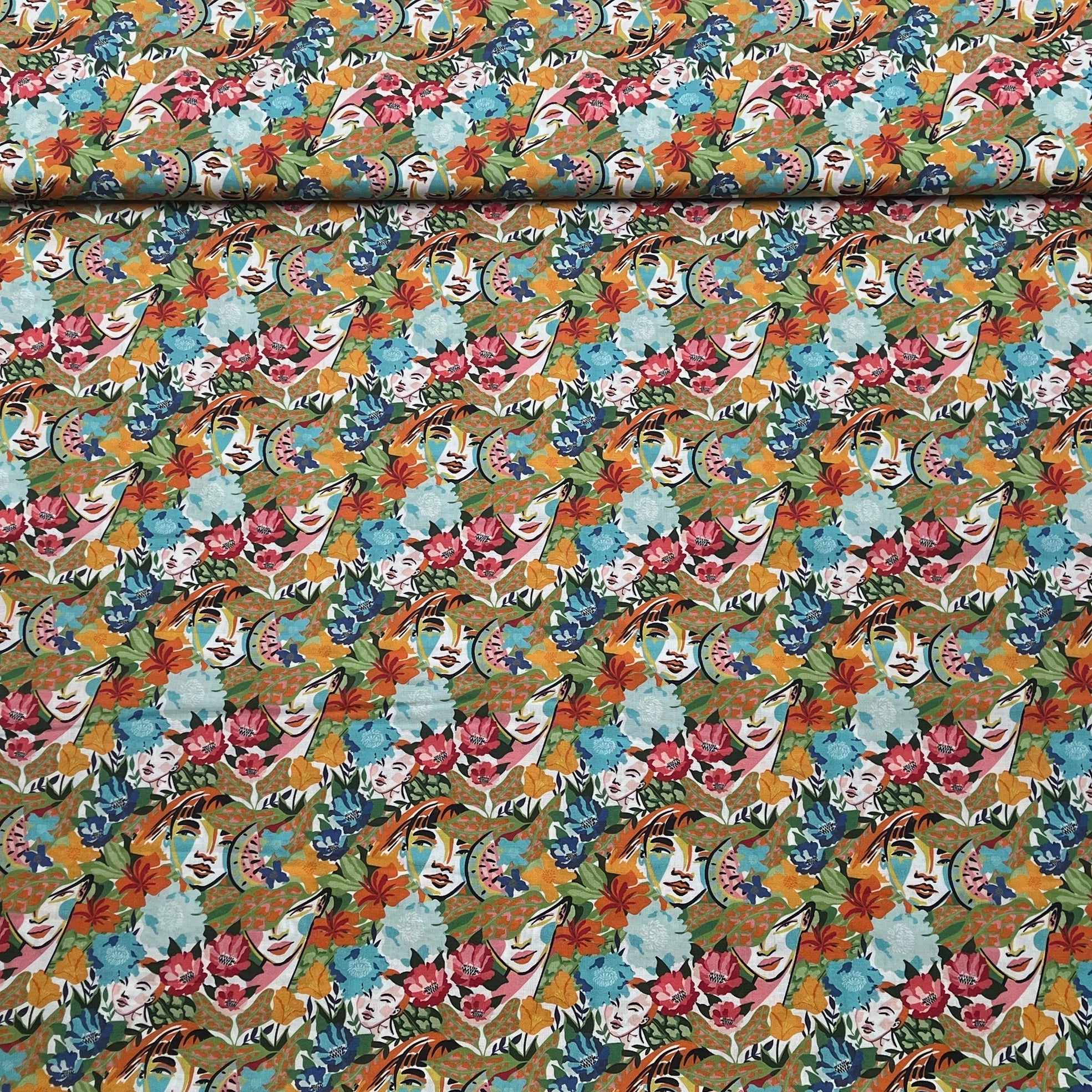
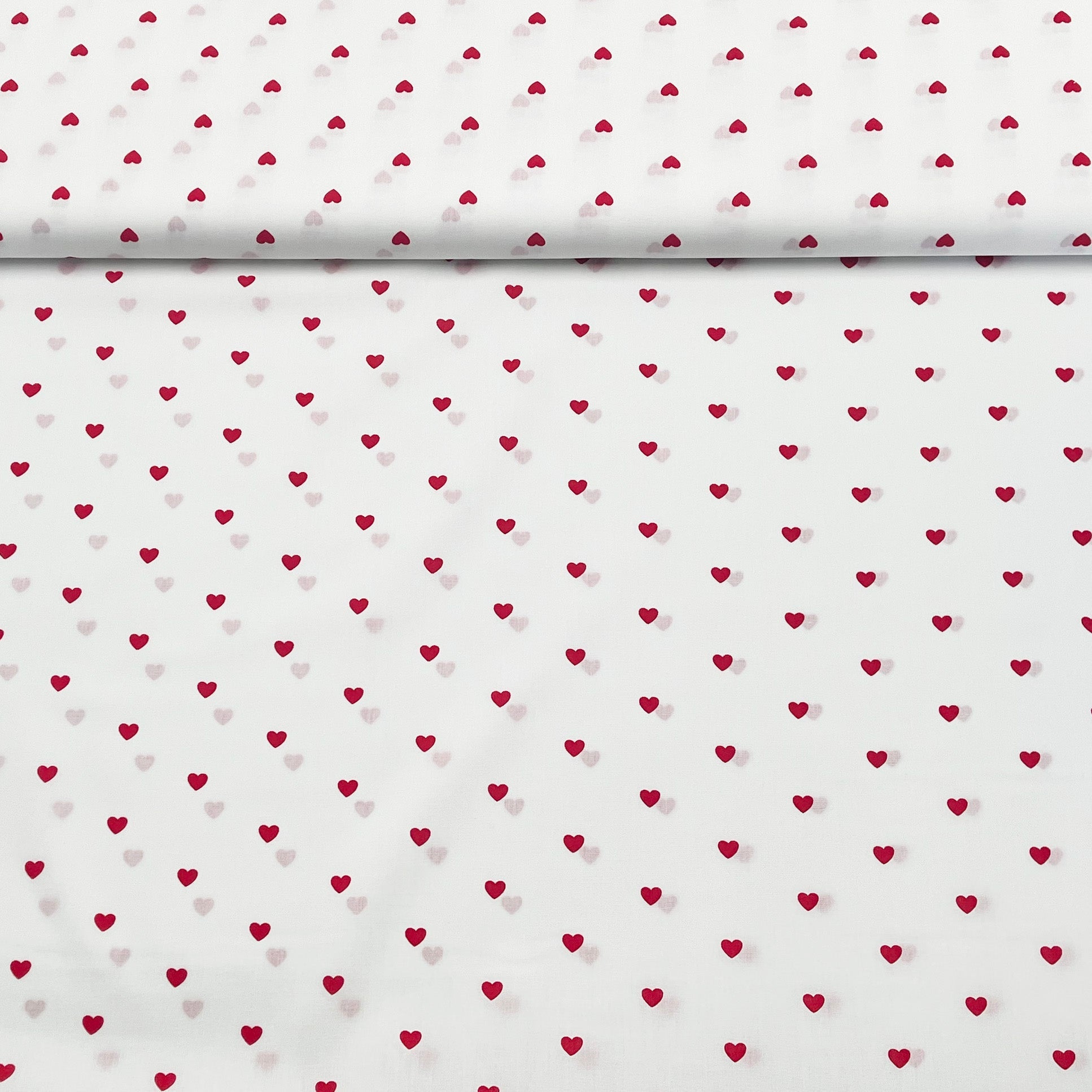
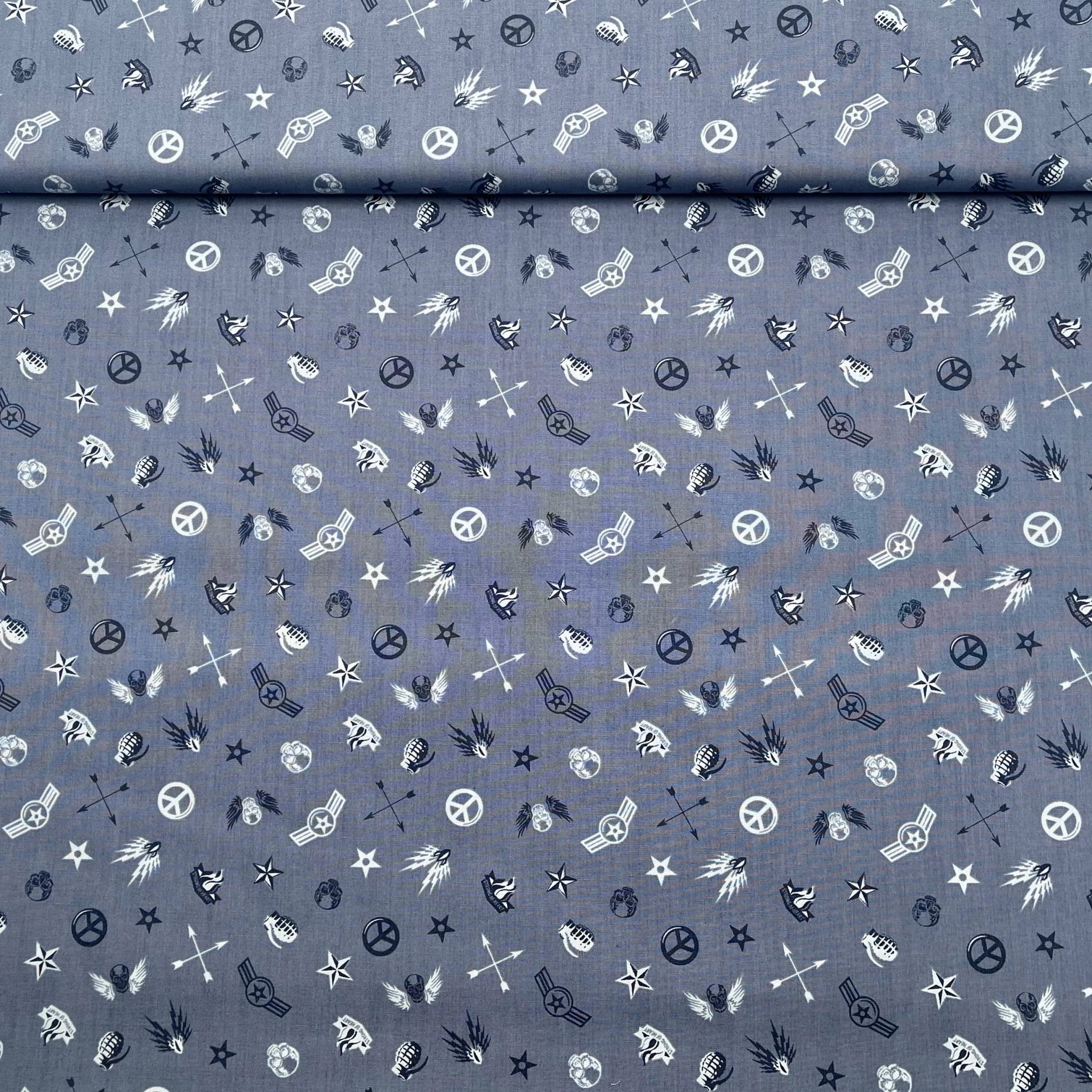
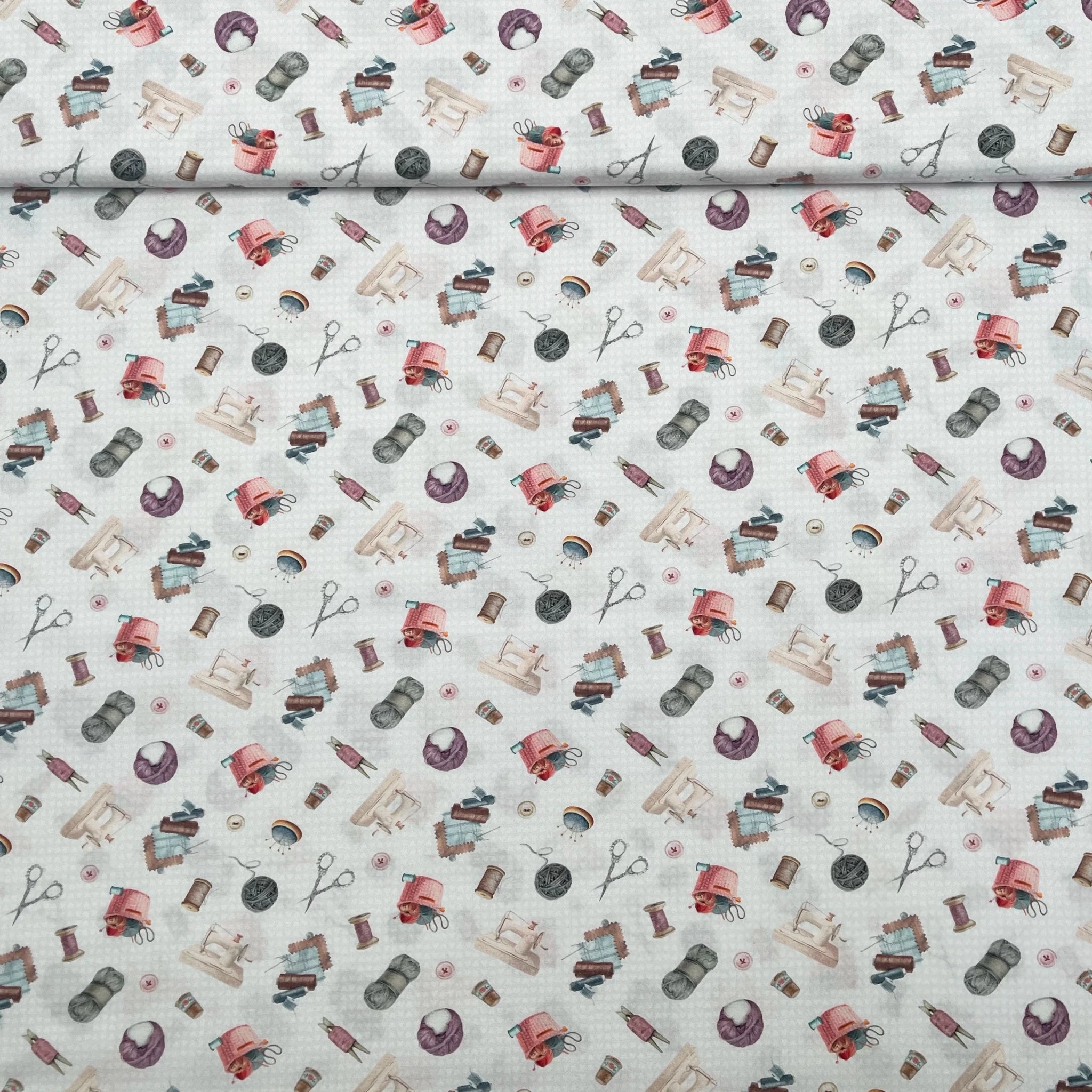
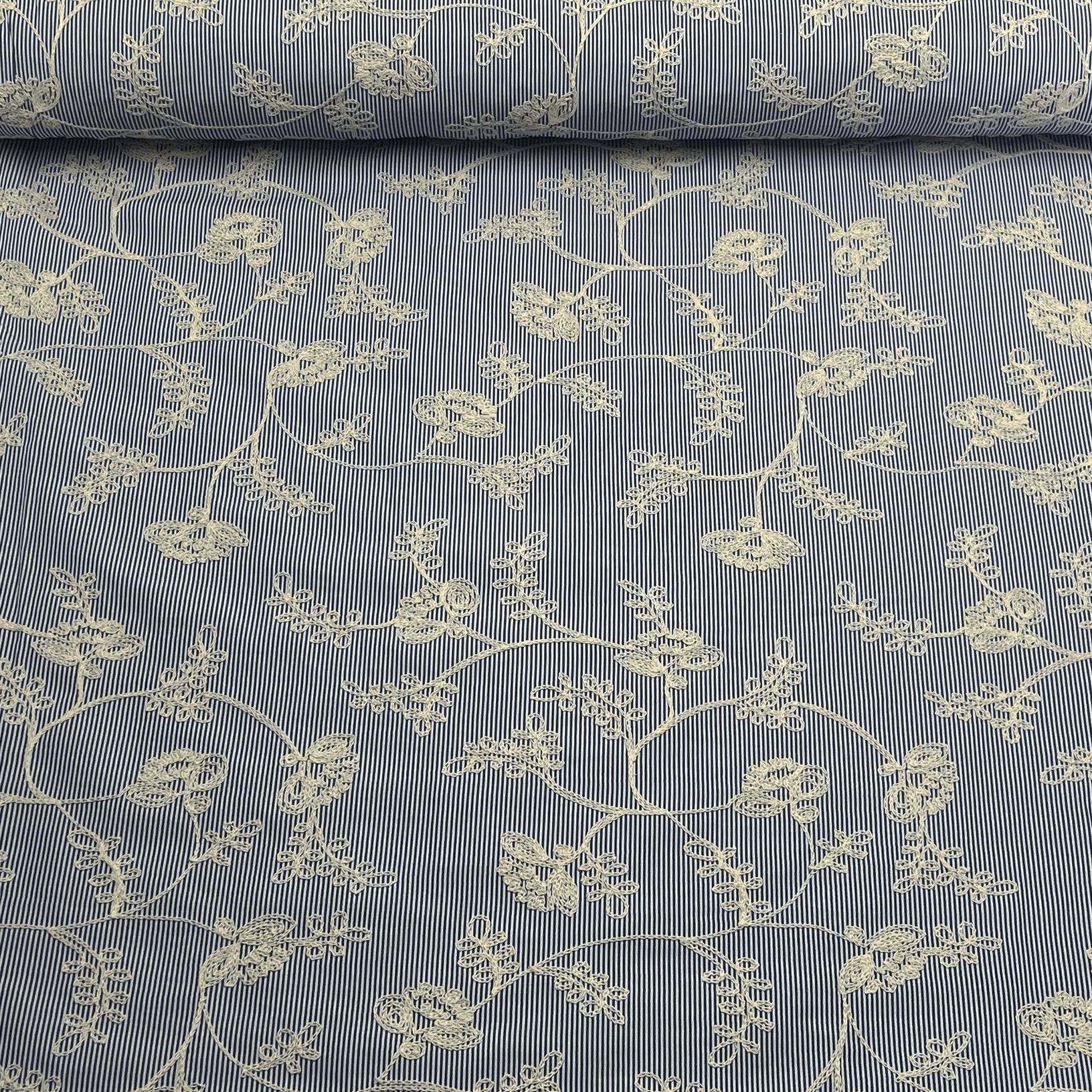
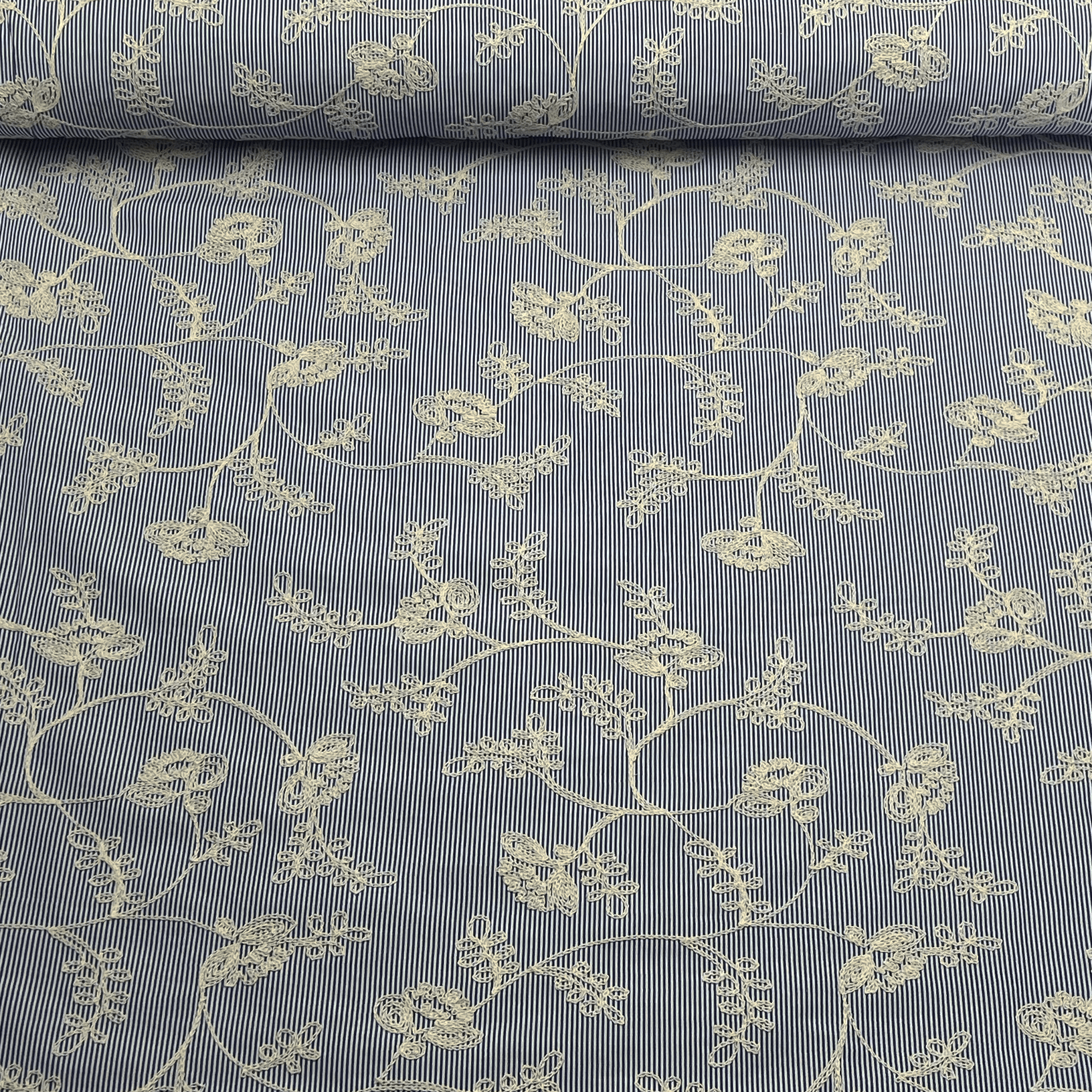
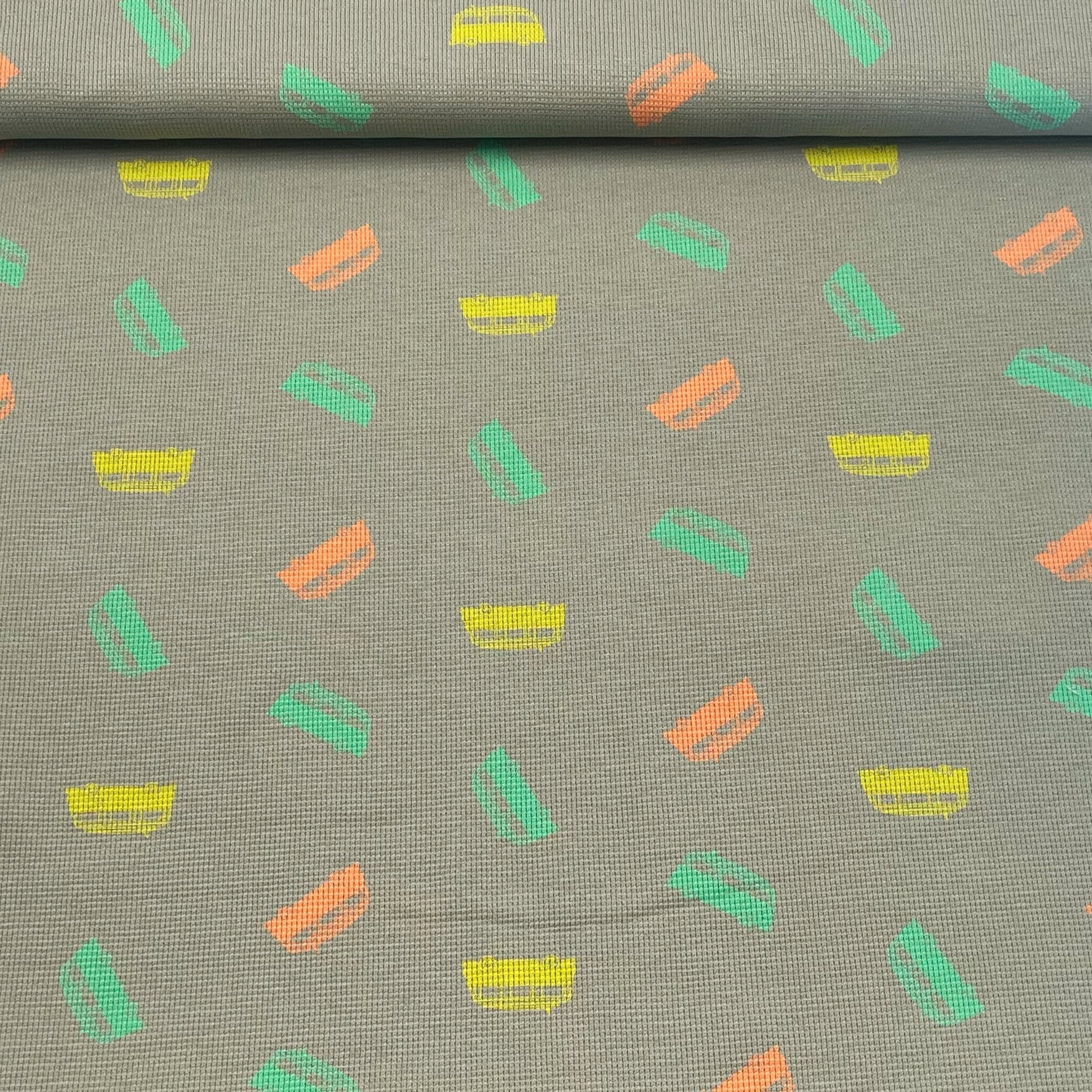
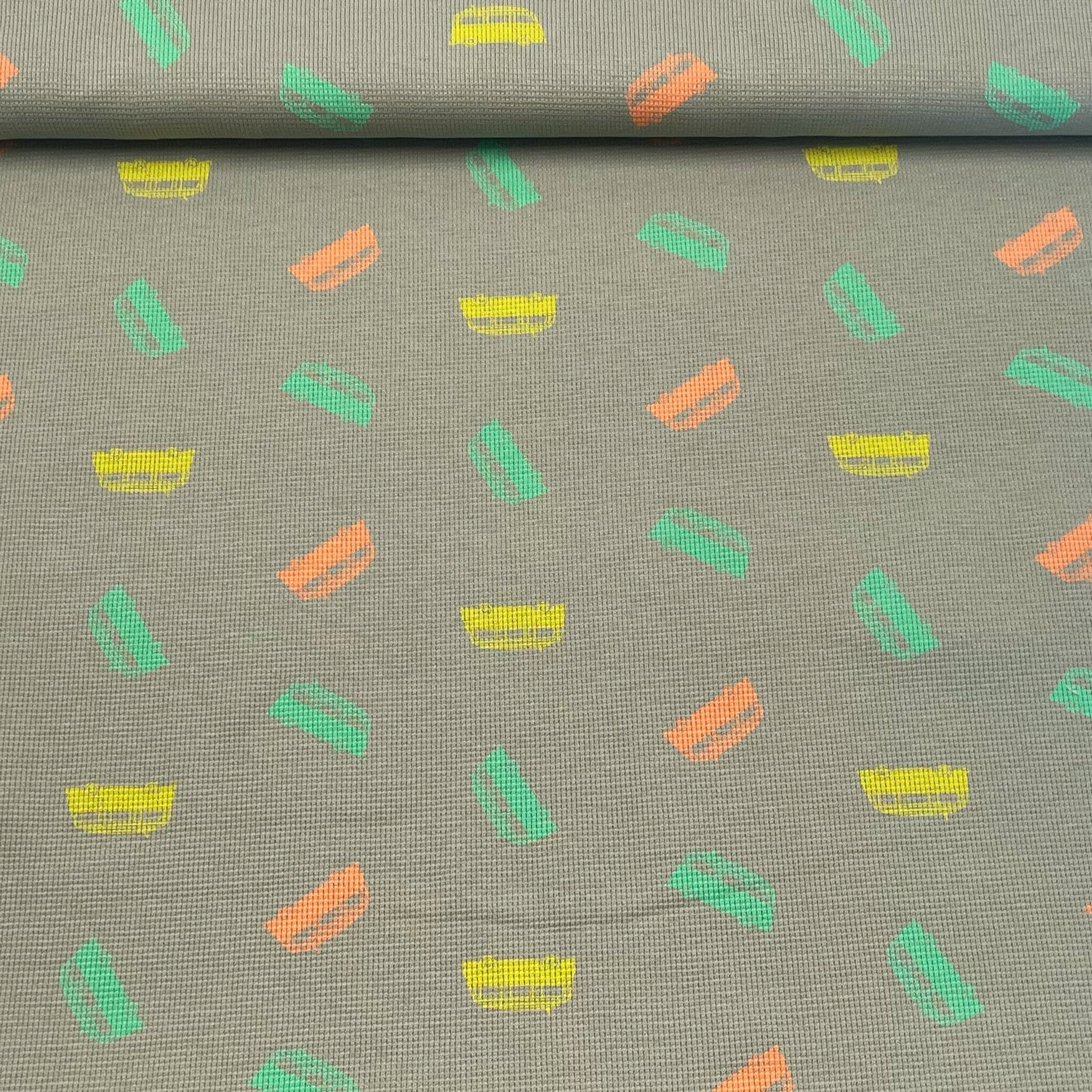
In an era when wearing a mask has become commonplace, choosing suitable fabrics is essential. A good fabric provides comfort, protection and style at the same time. Whether you are passionate about sewing or looking for materials to make your own homemade masks, this article will guide you in selecting the best fabrics for masks.
Choosing the right fabrics for masks
Choosing a fabric is not just about appearance. It also determines the comfort and effectiveness of the mask. Quality fabrics should be breathable, durable and easy to wash. Unsuitable materials can cause irritation or reduce filtration capacity.
For an effective mask, it is recommended to use several layers of fabric. A combination of cotton and polyester, for example, provides the breathability of cotton and the durability of polyester.
Types of fabrics for making a mask
Before making your mask, it is essential to know the types of fabrics used for masks. Each material offers comfort, breathability and protection suited to different needs and everyday uses.
Cotton: comfort and breathability
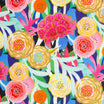
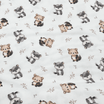
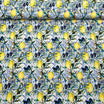
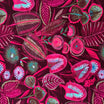
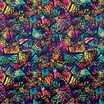
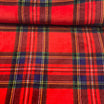
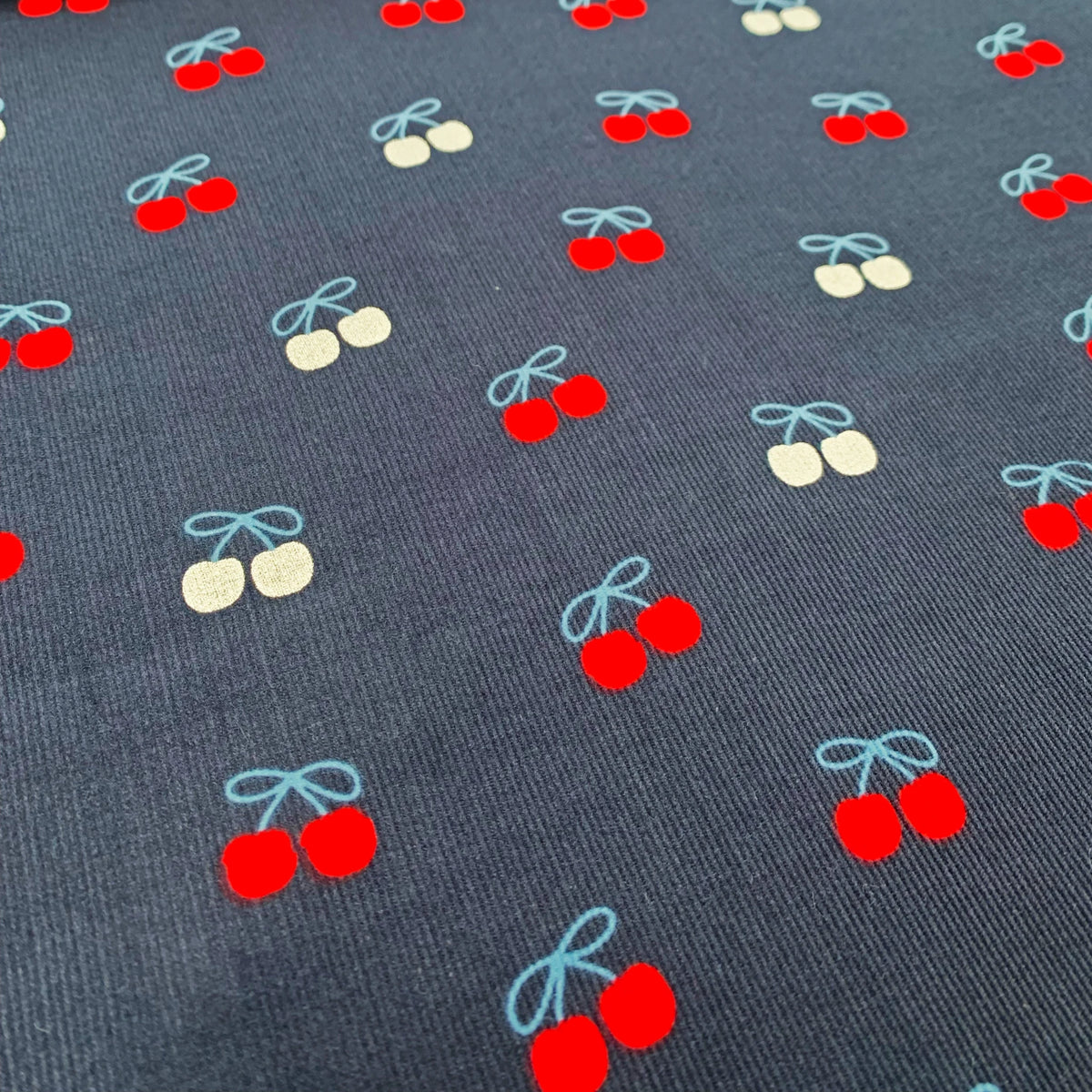
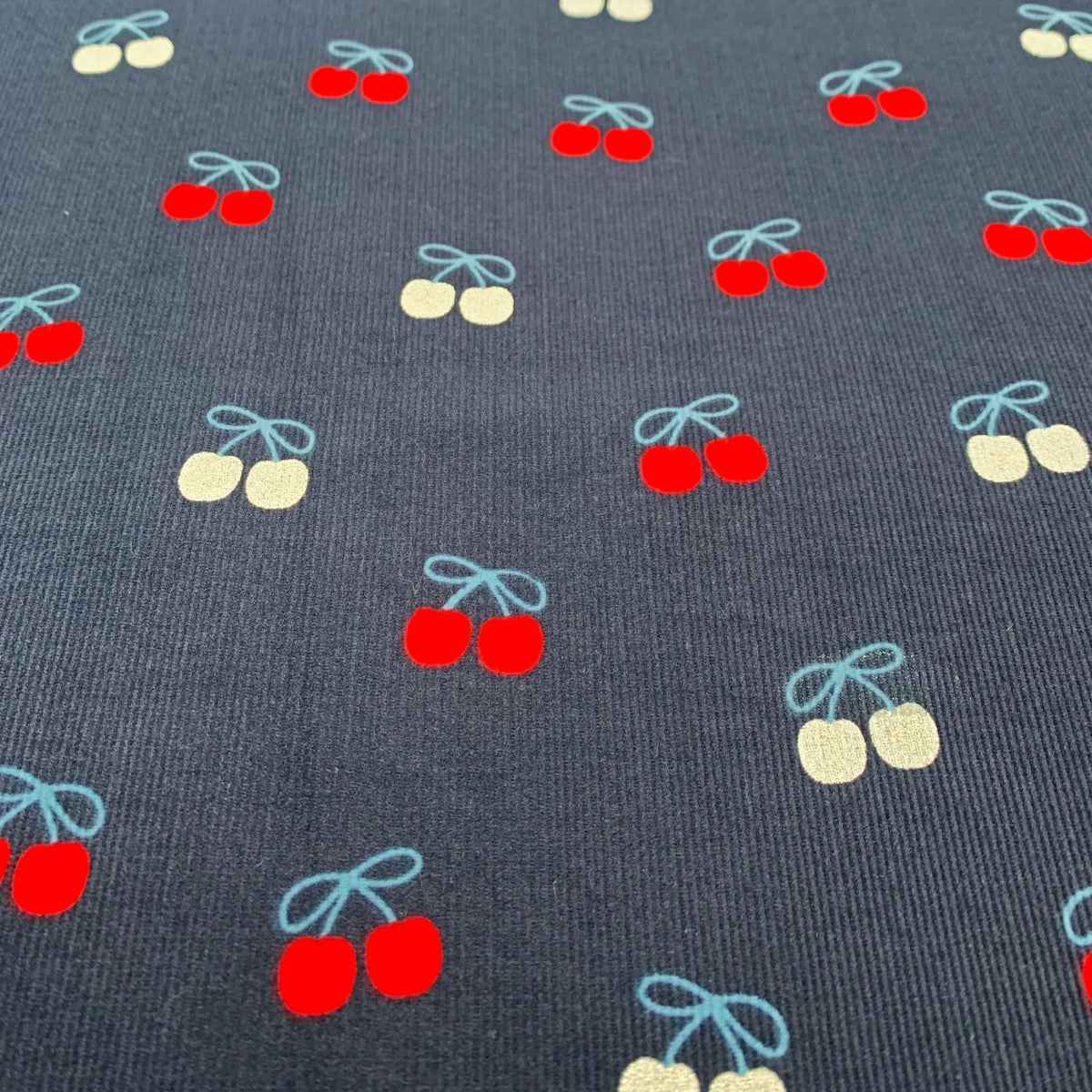
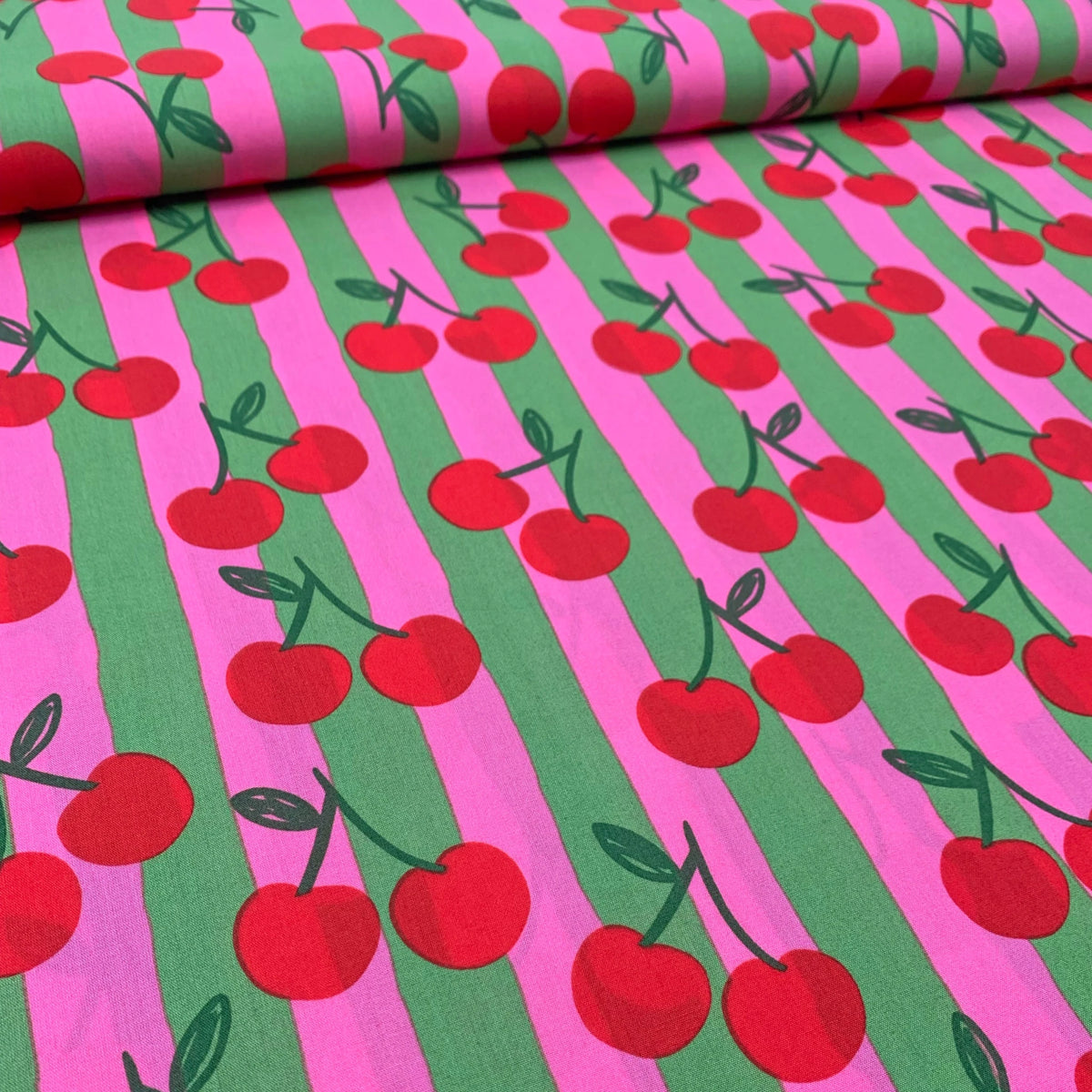
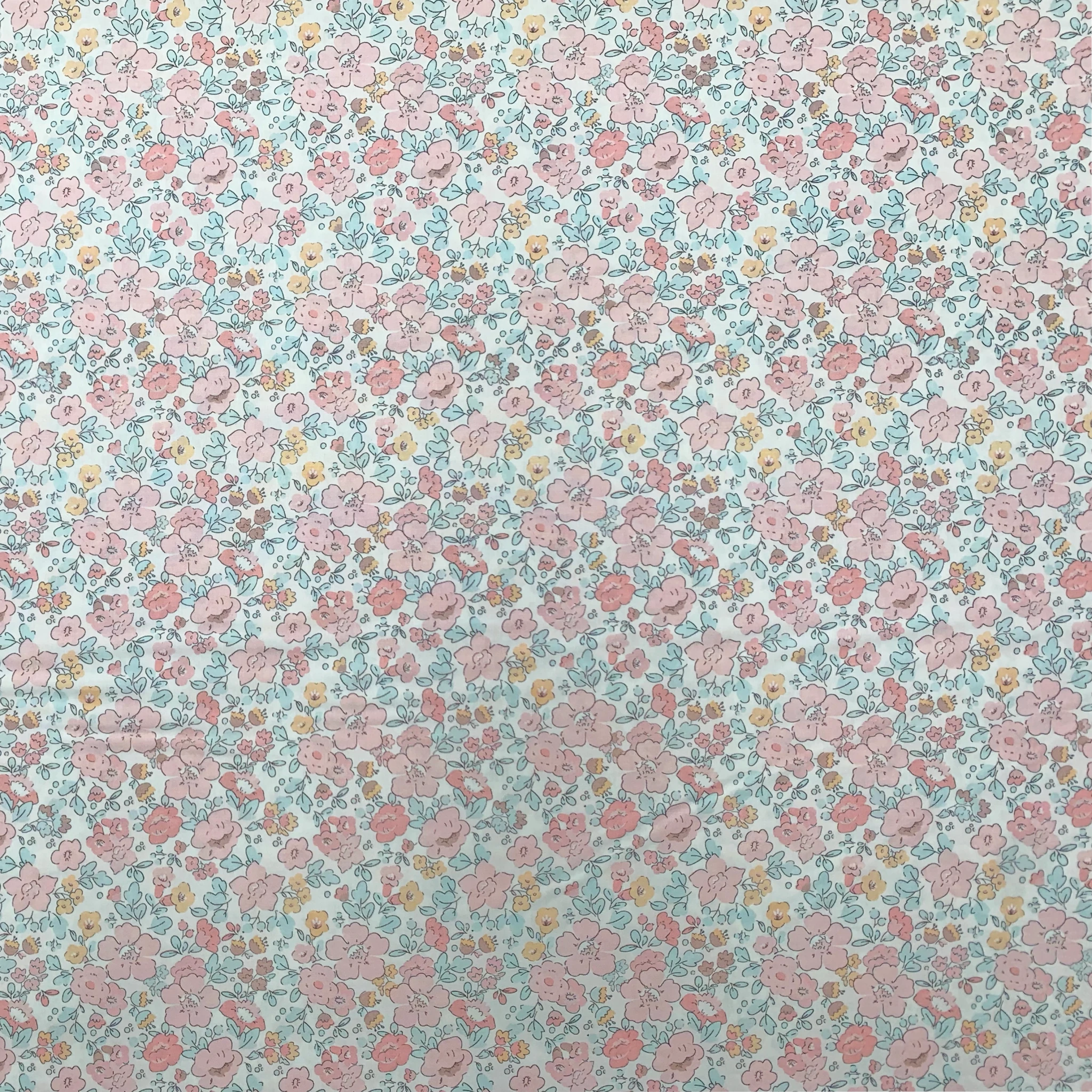
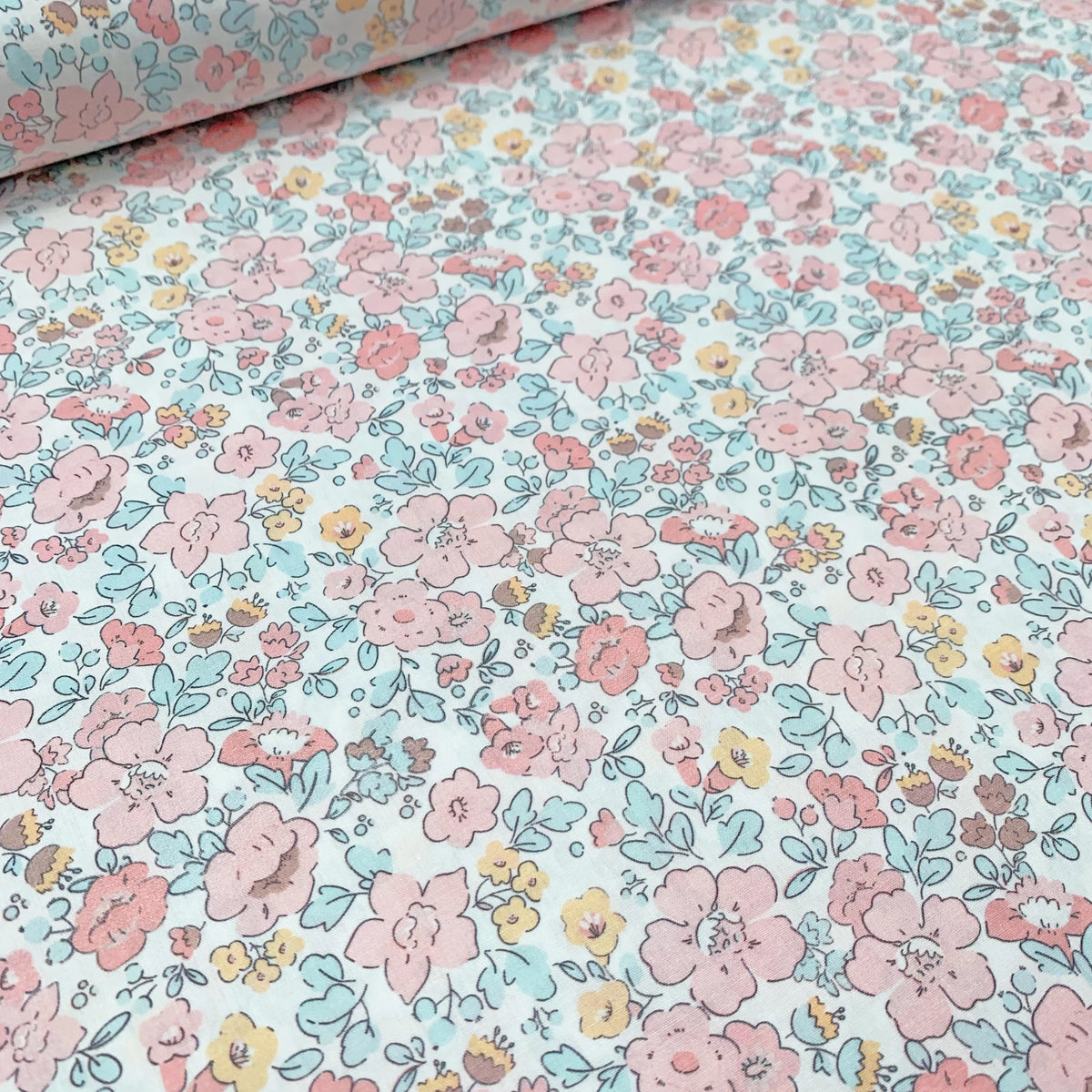
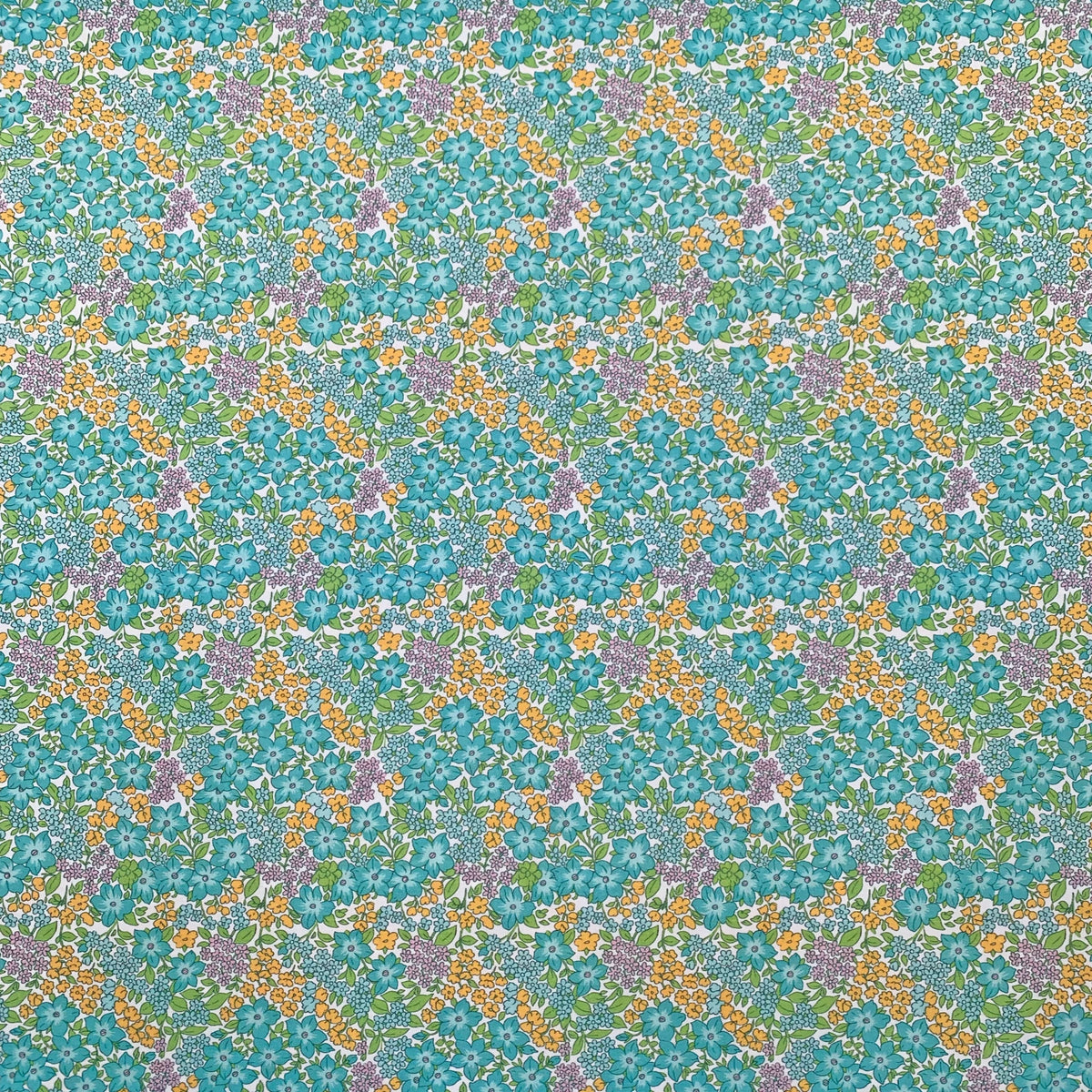
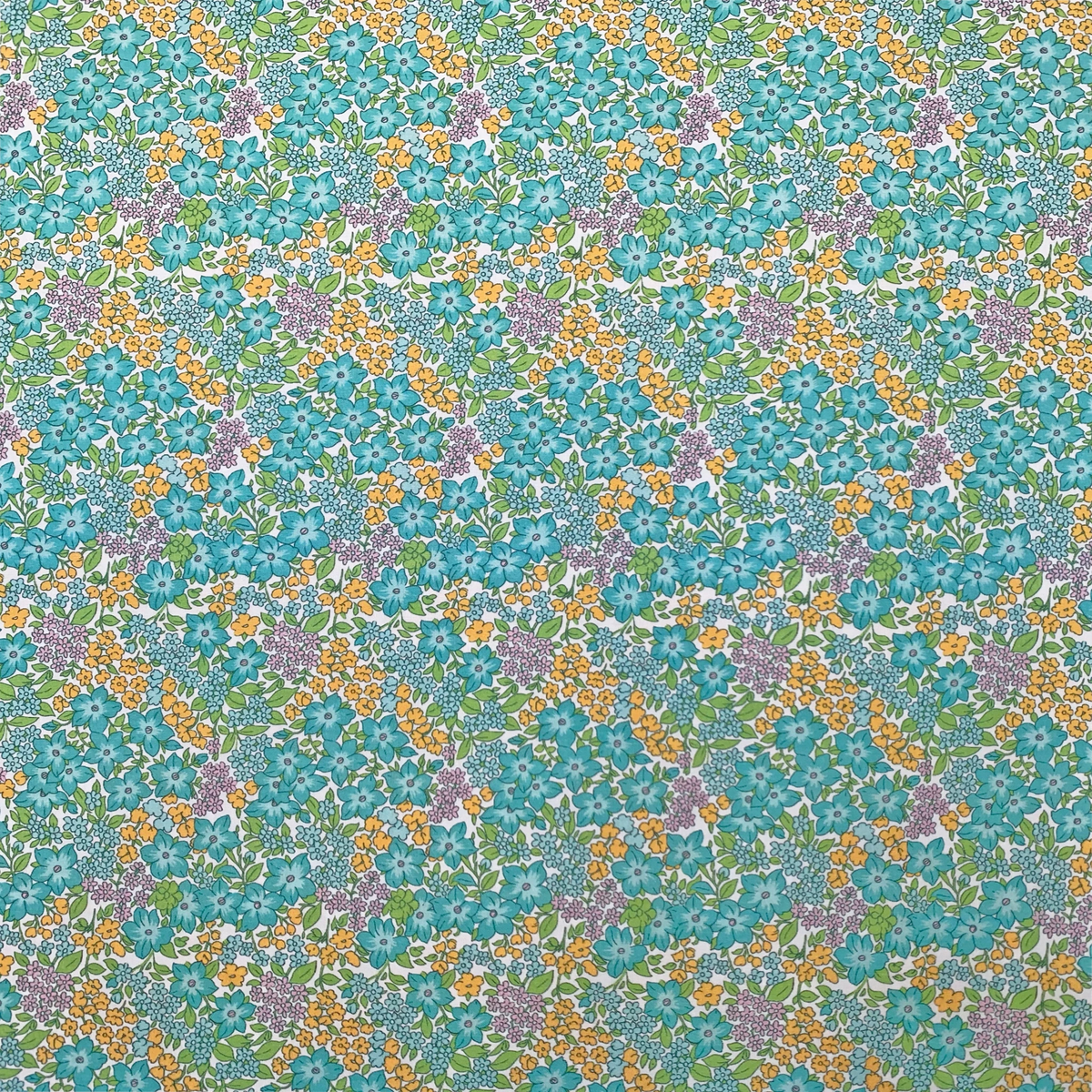
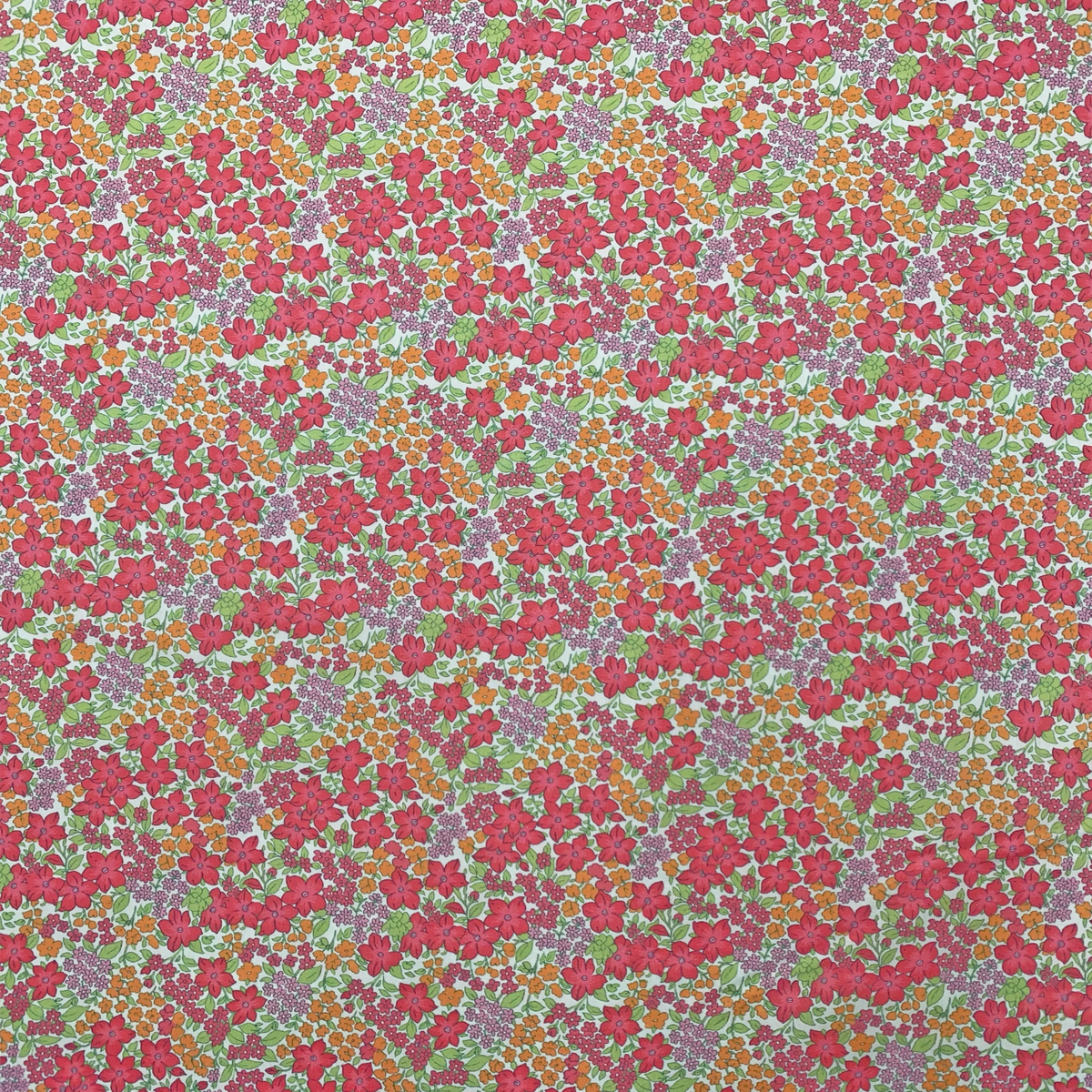
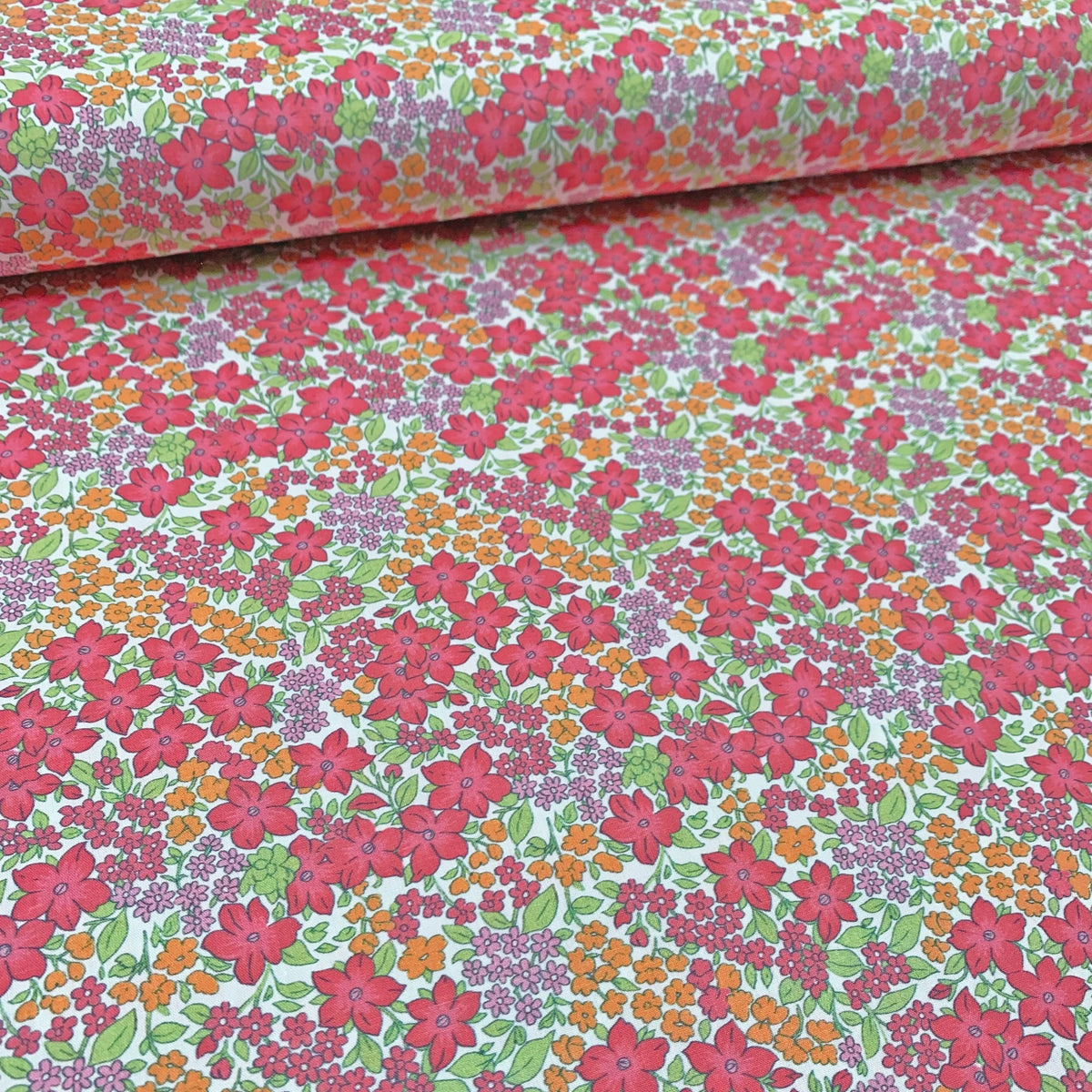
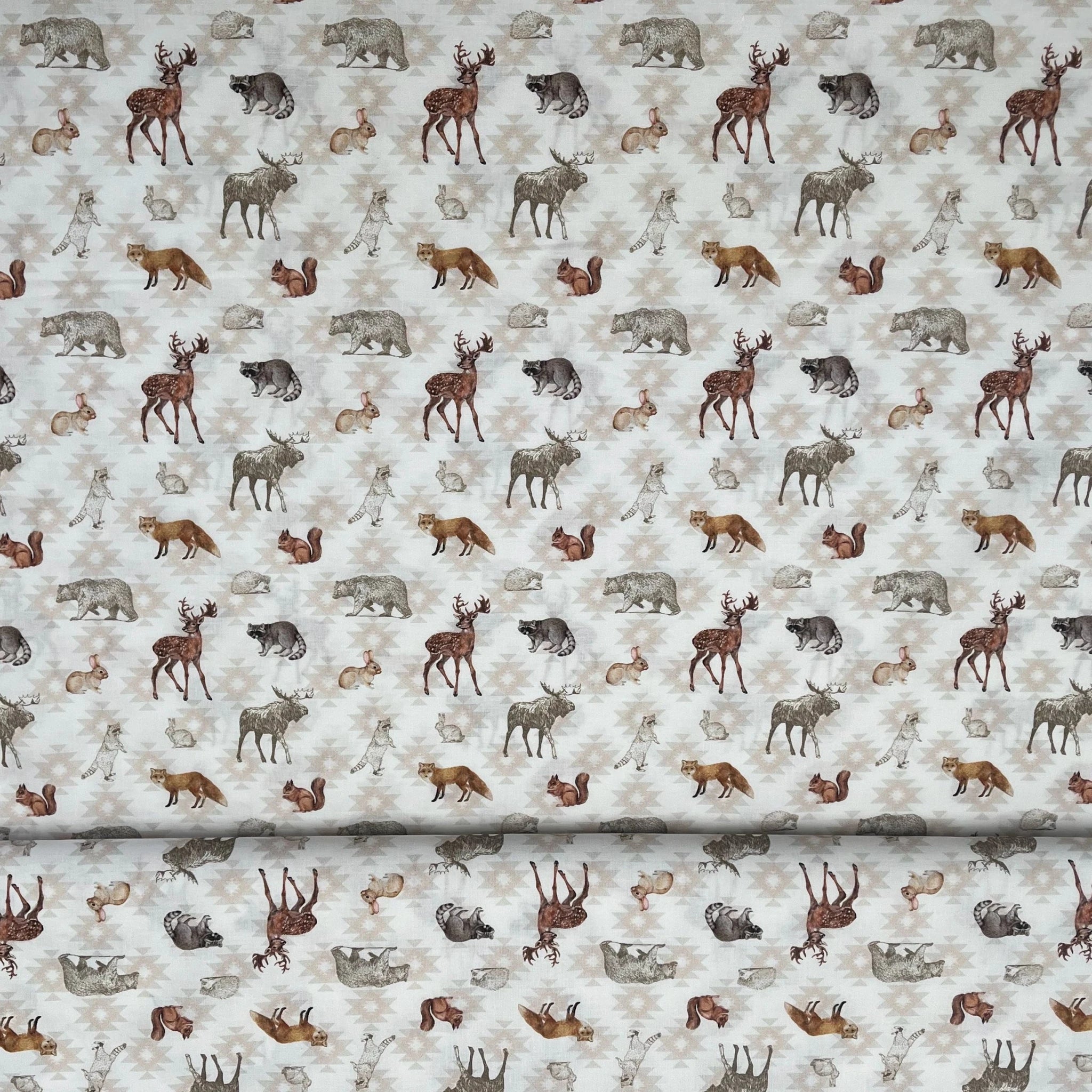
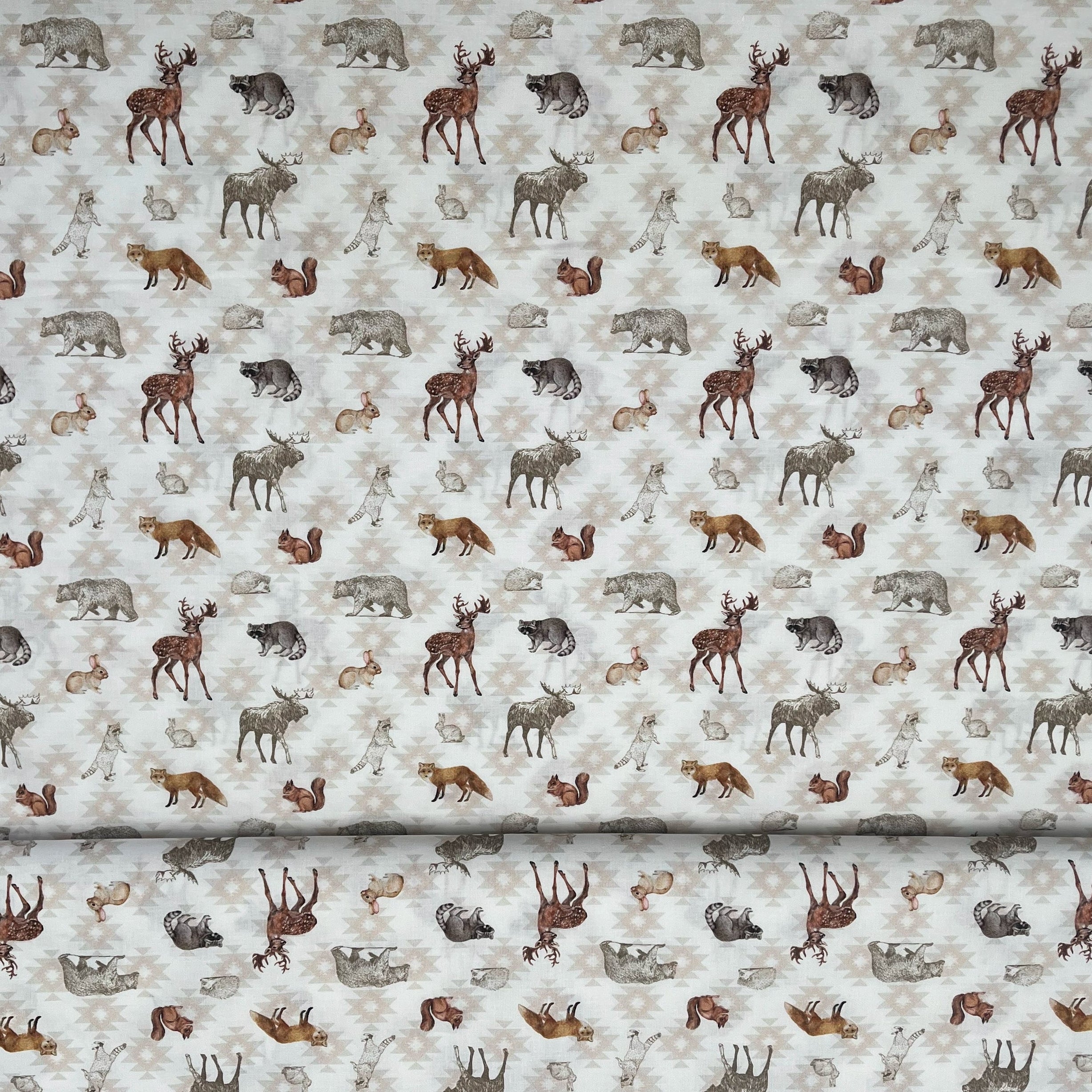
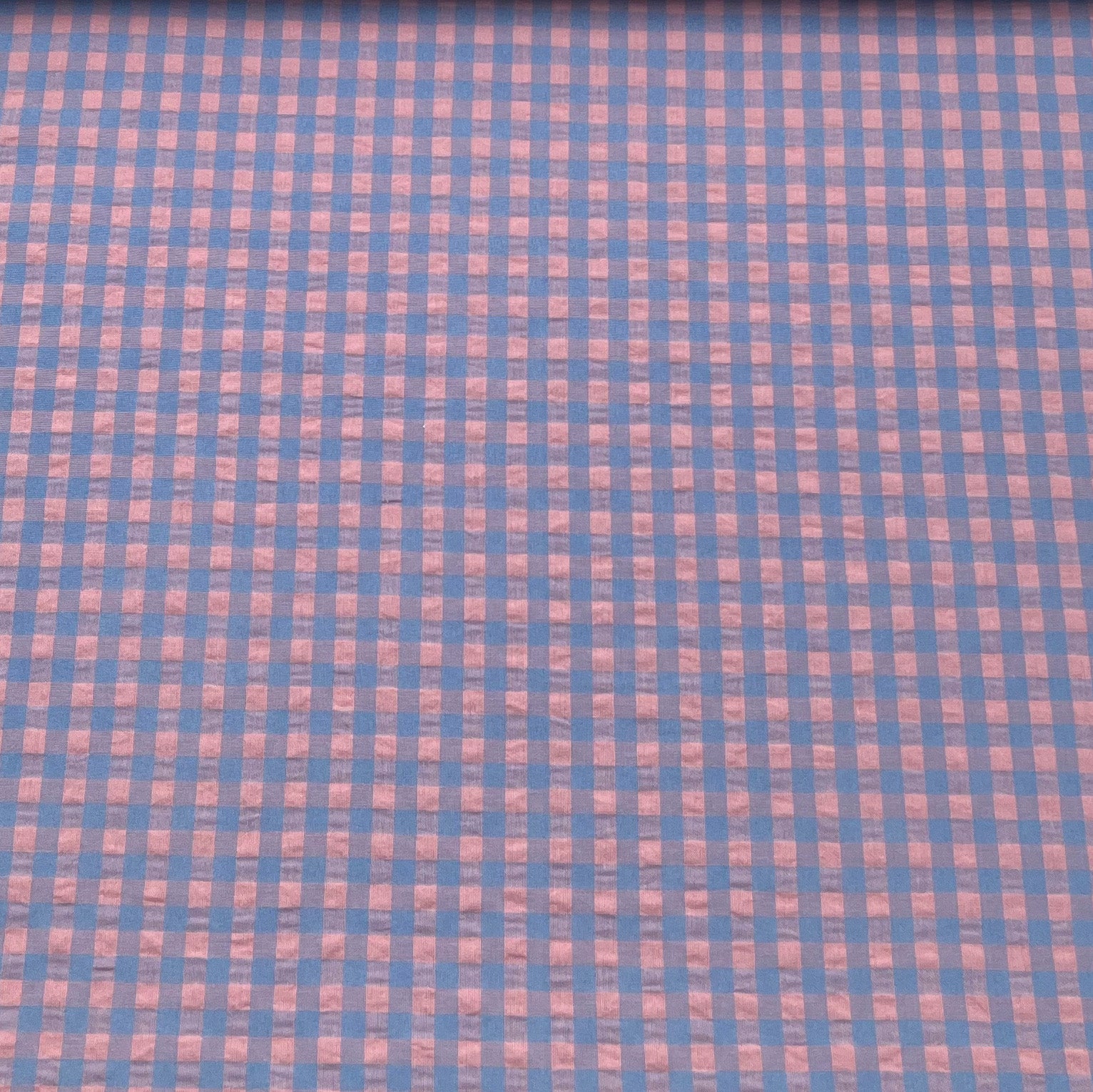
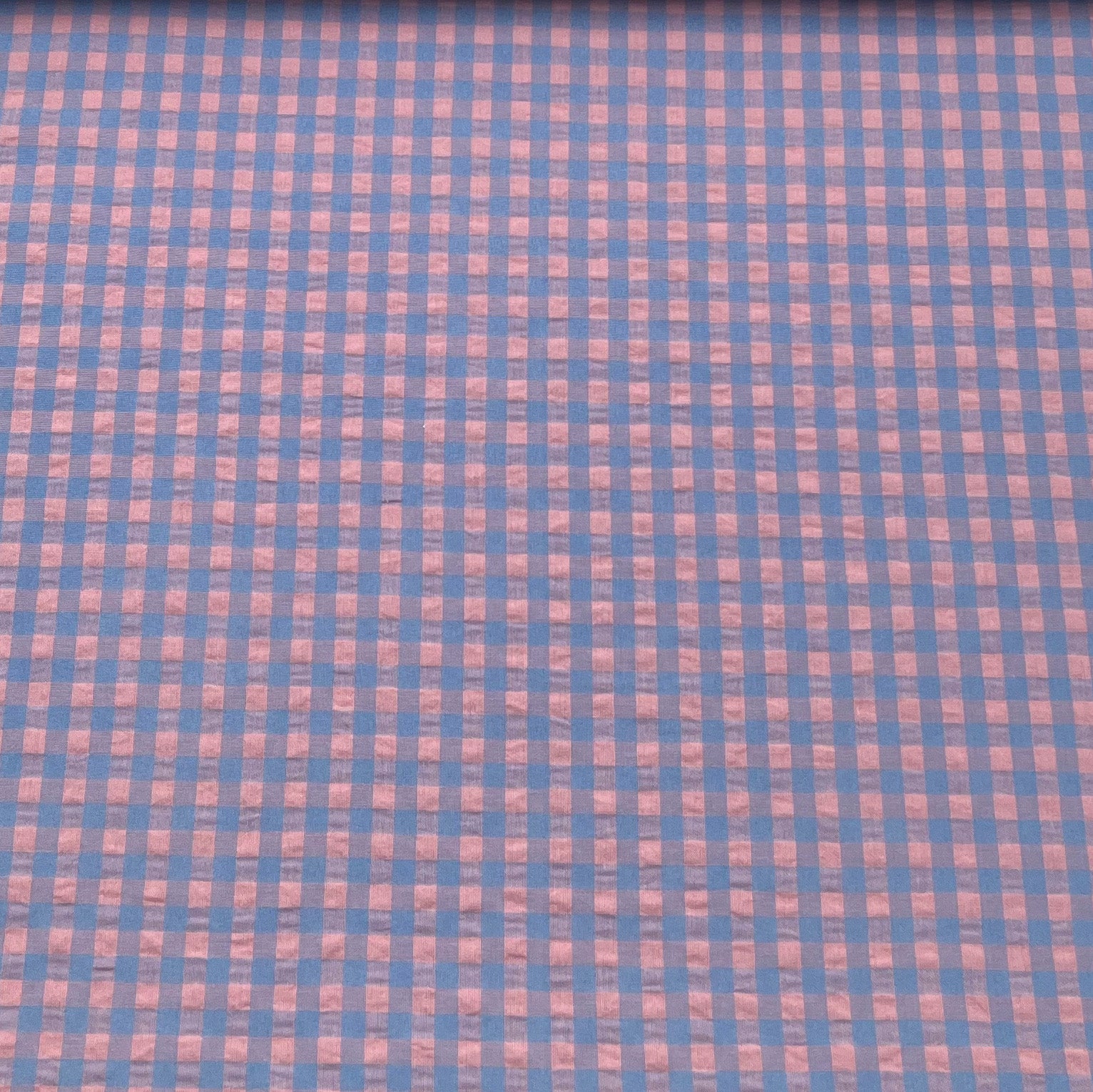
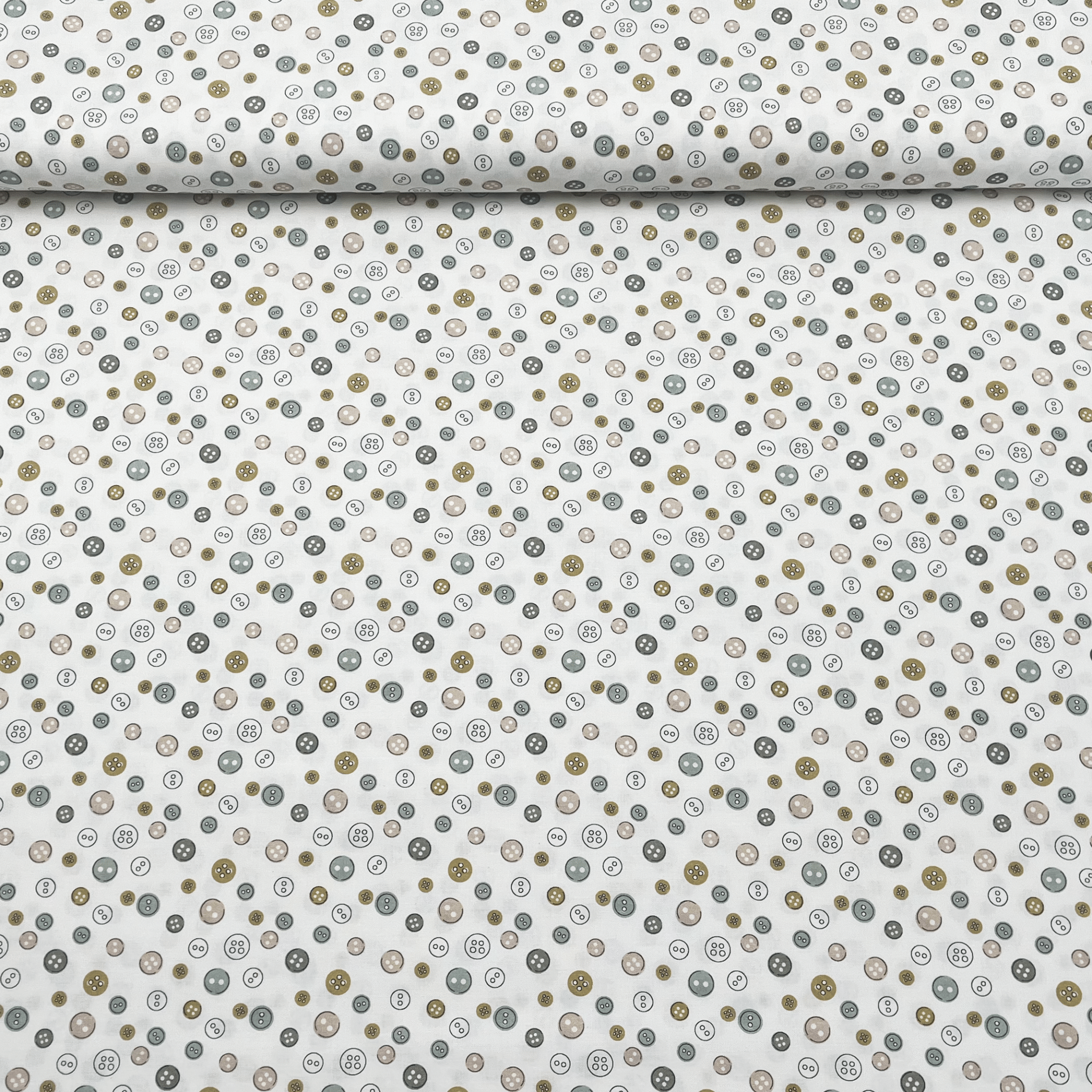
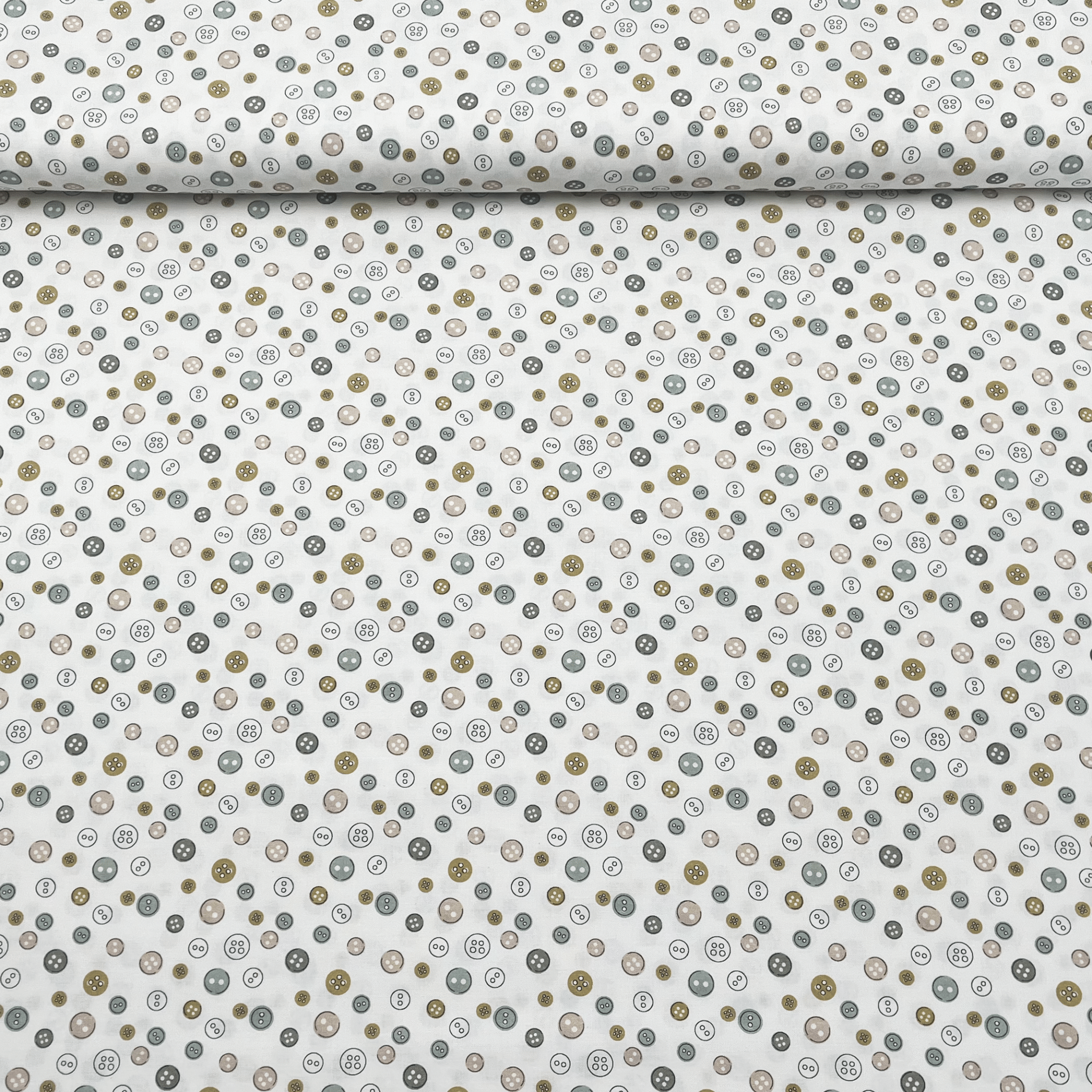
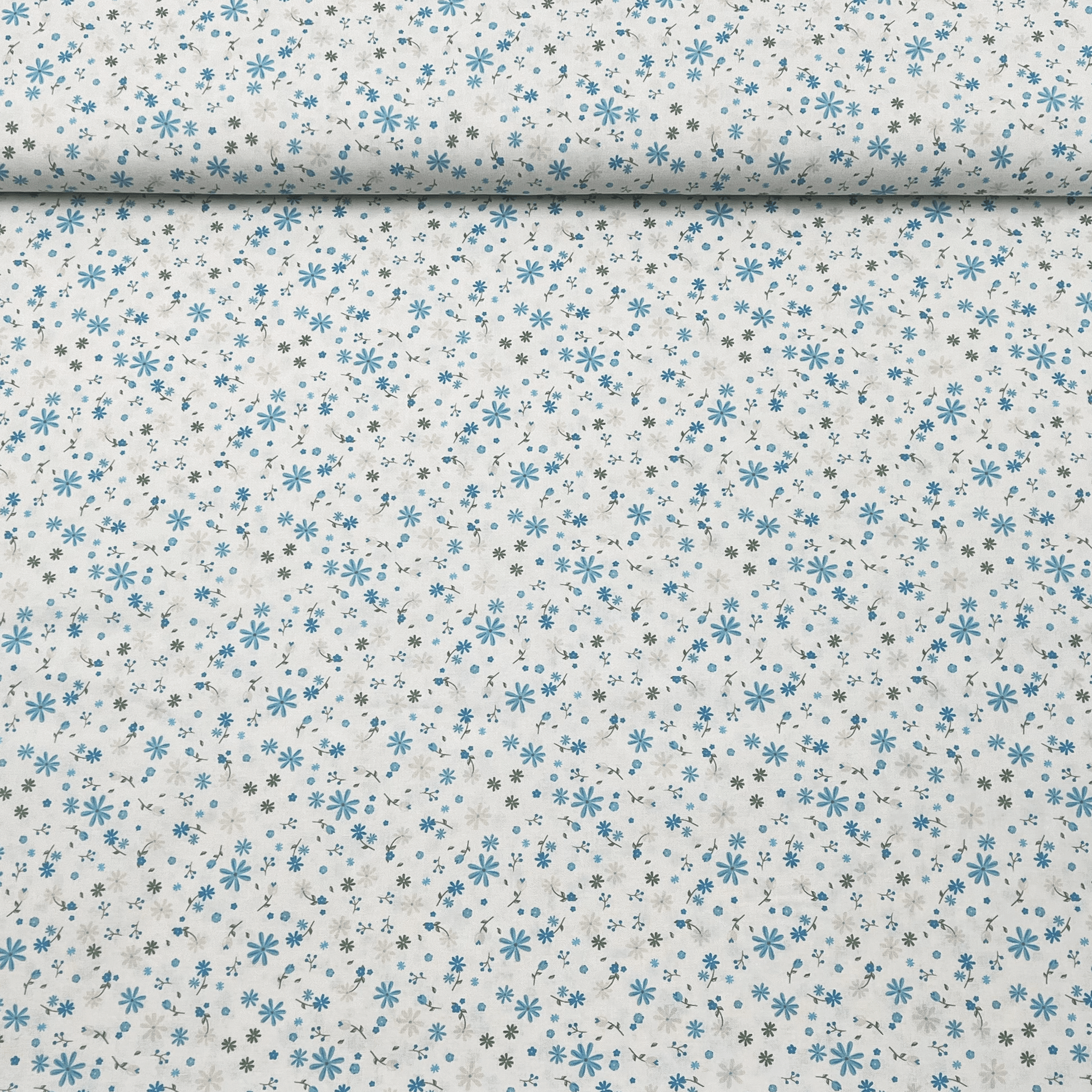
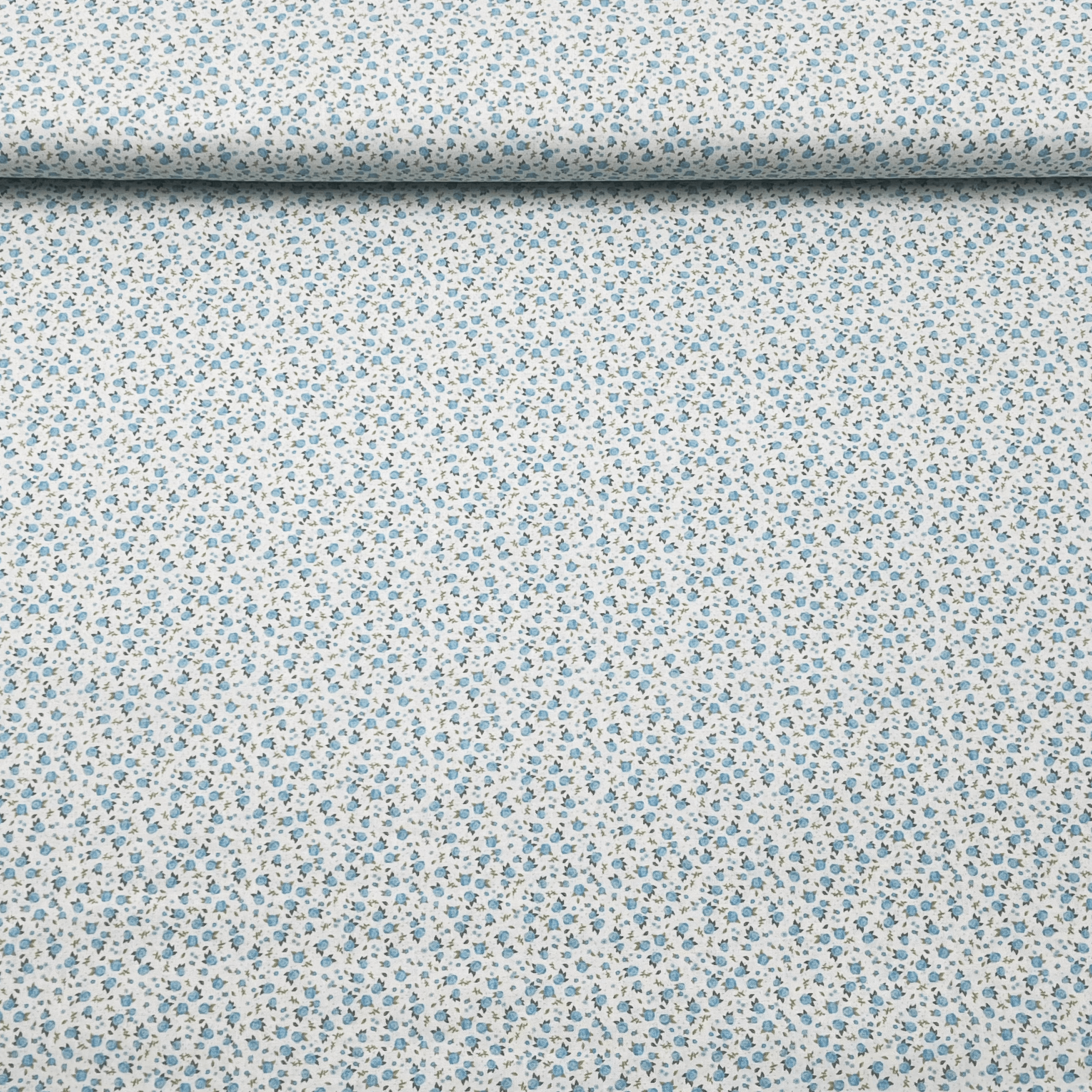
Cotton is the most popular choice for masks. Soft, lightweight and breathable, it is comfortable to wear all day. In addition, it absorbs moisture, which improves comfort during long periods of use. Cotton fabrics are available in a variety of patterns and colors, offering a wide range of stylish options.
Advantages:
- Very comfortable and gentle on the skin
- Breathable, reducing the feeling of breathlessness
- Absorbs moisture and perspiration
- Wide choice of patterns and colors
- Easy to sew and customize
Disadvantages:
- Less effective against fine particles when used alone
- May stretch or shrink when washed
- Wears out more quickly than synthetic fabrics
Polyester: durability and easy care
Polyester is a strong synthetic fabric that withstands frequent washing and wear. It is ideal for masks intended to be used several times without losing their shape or effectiveness. Some polyester-cotton blends combine the best qualities of both materials.
Advantages:
- Very strong and durable
- Does not wrinkle easily
- Dries quickly after washing
- Maintains its shape even after repeated use
- Can be combined with cotton for greater comfort
Disadvantages:
- Less breathable than pure cotton
- Less absorbent and may retain heat
- May cause a sweaty feeling over long periods
- Sometimes less soft against the skin
How to choose the right fabric for a suitable mask?
To select the ideal fabric, several criteria should be considered:
-
Breathability: the mask should allow easy breathing.
-
Durability: choose fabrics that can withstand repeated washing.
-
Safety: several layers or a dense fabric improve filtration.
-
Style: colors and patterns can reflect your personal style.
It is advisable to test different fabrics to find the one that combines comfort and effectiveness.
Tips for making a homemade mask
Making a mask is simple if you follow a few steps:
-
Cut the fabric to dimensions suitable for the face.
-
Layer the fabrics to improve filtration.
-
Sew the edges for a perfect fit.
-
Add elastic bands or ribbons to hold the mask in place.
Feel free to customize your masks with patterns or colors you like. A mask can become a fashion accessory while remaining protective.
Where to find fabrics for masks?
You can find these fabrics in traditional shops, specialized markets or online stores. Among these options, Verotex.be stands out as a trusted destination for sewing enthusiasts and creators of homemade masks. This online shop offers a wide range of fabrics suitable for making masks, combining quality, comfort and safety.
At Verotex.be, you can buy fabric by the metre or in pieces, depending on your needs. The collections include cotton, polyester and blended fabrics, specially selected to provide good breathability and effective filtration. You will also find fabrics in a variety of patterns, allowing you to customize your masks while staying on trend.