












Table of Contents:
Have you always dreamed of creating your own clothes or accessories, but the sewing machine intimidates you? Don’t worry. Starting machine sewing is an exciting and accessible adventure. This article is your guide to taking your first steps. We accompany you step by step in the discovery of the sewing machine: choosing equipment, essential settings, and easy projects to start smoothly.
The fundamental basics of the sewing machine for beginners
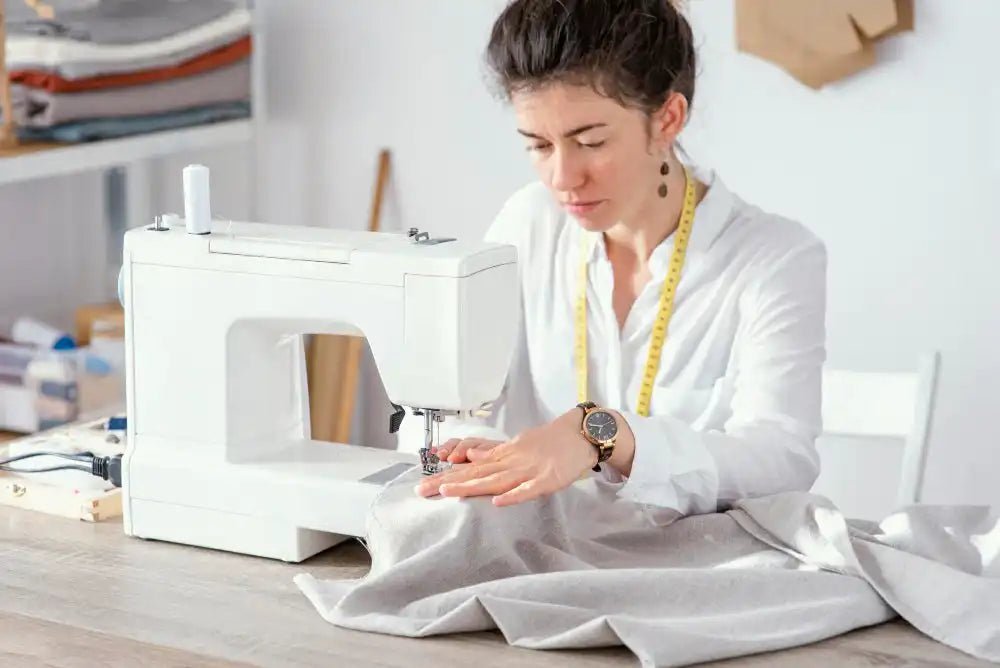
Starting machine sewing can seem intimidating at first, but mastering the fundamental basics is essential to progress with confidence. Understanding your first sewing machine, making the right initial adjustments, and properly preparing your workspace are key steps to succeed in your first projects. Follow these sewing tips to get off to a good start and quickly turn your ideas into real creations.
Understanding your first sewing machine
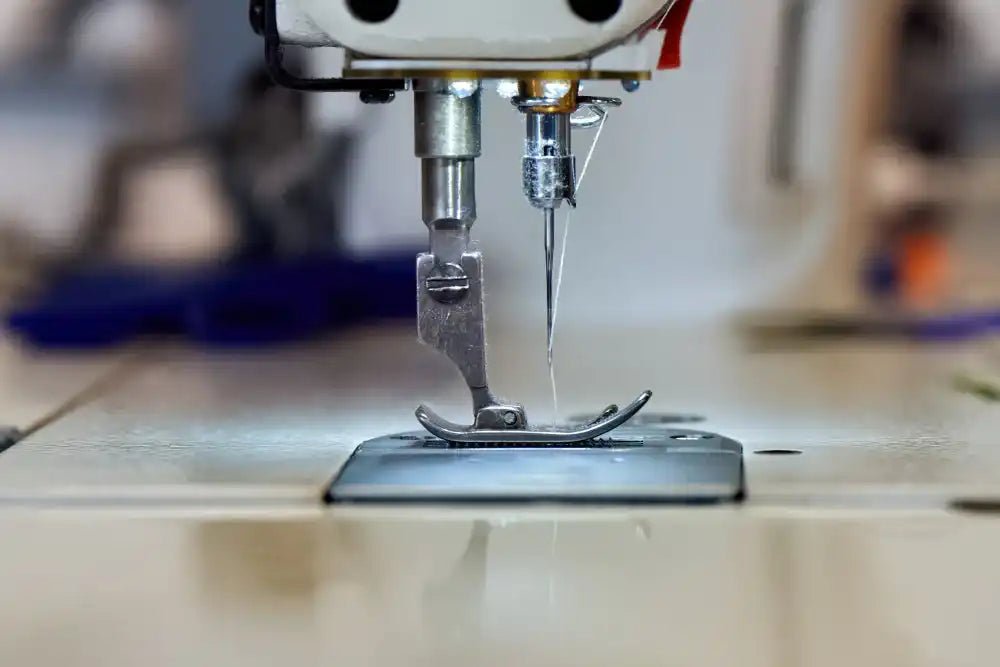
A sewing machine consists of essential parts for effective sewing. The key components include the needle, bobbin, presser foot, needle lever, thread guide, stitch selector button, and thread tension wheel.
The operation is based on a double-thread system. The needle goes down and pierces the fabric, creating a loop caught by the rotary hook. This loop intertwines with the bobbin thread to form strong and regular stitches.
To learn the right sewing basics, nothing beats learning from a professional. If you want to start machine sewing, Verotex offers beginner courses, perfectly suited to learn essential techniques.

The first settings to start well
Basic settings allow for regular stitches. The thread tension adjusts according to fabric thickness and the stitch length varies from 0 to 5 mm to adapt the sewing density. The stitch type is chosen based on the final use of the project.
|
Comparison of basic stitches and their use for beginners |
||
|
Stitch |
Primary use |
Main features |
|
Straight stitch |
Fabric assembly |
Base of most projects, essential for beginners |
|
Zigzag stitch |
Overcasting, appliqués, buttonholes |
Standard width of 5mm, versatile |
|
Satin stitch |
Precise work (appliqués, buttonholes) |
Very tight zigzag with short stitch length |
|
Stitched zigzag stitch |
Overlock without distortion, elastic, reinforcement |
3 stitches on one side and 3 on the other, ideal for fine fabrics |
|
Invisible hem stitch |
Discreet finishes on hems |
Requires a specific presser foot for hemming |
|
Backstitch |
Secure the start and end of seams |
3 backstitches or length/width setting to zero (10 passes) |
Preparation and setup before sewing
Set up your sewing machine in a quiet, well-lit place. Choose a table large enough to accommodate the machine, the fabric laid out, and your cutting tools. Proper lighting prevents eye strain during your work sessions.
To start machine sewing, it’s essential to master sewing machine power, as it determines your machine’s ability to handle different types of fabrics without difficulty. Test your equipment on fabric scraps before starting a project. This familiarizes you with the foot pedal, fabric guidance, and thread tension. These practical exercises build your confidence in using your sewing machine.
How to choose a sewing machine when you’re a beginner?
To start machine sewing under the best conditions, choosing your first machine is essential. Between technical criteria, beginner-friendly models, and the decision to buy new or used, discover all the advice to find the ideal equipment and begin sewing with confidence.
Key criteria for a first machine
Choosing the right sewing machine starts with identifying the essential features for beginning machine sewing. It’s important to find a balance between ease of use and versatility.
- Choose an appropriate budget: between €90 and €450 for a durable machine, with a preference for investing over €300 for better quality.
- Favor an electronic machine for its intuitive functions, such as speed control and built-in alerts.
- Choose a sturdy machine (minimum 6 kg) for increased stability and more precise sewing.
- Select the essential basic stitches (straight stitch, zigzag, automatic buttonhole) rather than getting lost in superfluous decorative stitches.
Mechanical models remain an excellent option for learning the basics and truly starting machine sewing without being overwhelmed by unnecessary features. This allows you to focus on the essentials of machine sewing for beginners.
Recommended models for beginners in sewing
To start, Juki and Elna offer accessible and reliable models. The Elna Sew Fun provides 15 stitch patterns and a good quality-price balance at €260.
The Janome M30A is perfect for beginners with its simple functions and affordable price. The Juki HZL-353ZR is a robust mechanical machine suitable for all fabrics.
New or used purchase: making the right choice
Buying a used machine can be an economical solution, but be careful about the product’s condition. Always check the operation and accessories before buying a used machine.
Test the machine in the presence of the seller and listen carefully to its operation. An unusual noise can indicate a serious mechanical problem even on a quality machine.

Essential equipment to start sewing
To start machine sewing confidently, it’s essential to be well equipped from the start. From the basic kit to easy-to-work fabrics, practical accessories, and good places to shop, discover all the essential equipment to get started and progress stress-free in your first sewing projects.
The beginner sewist’s basic kit
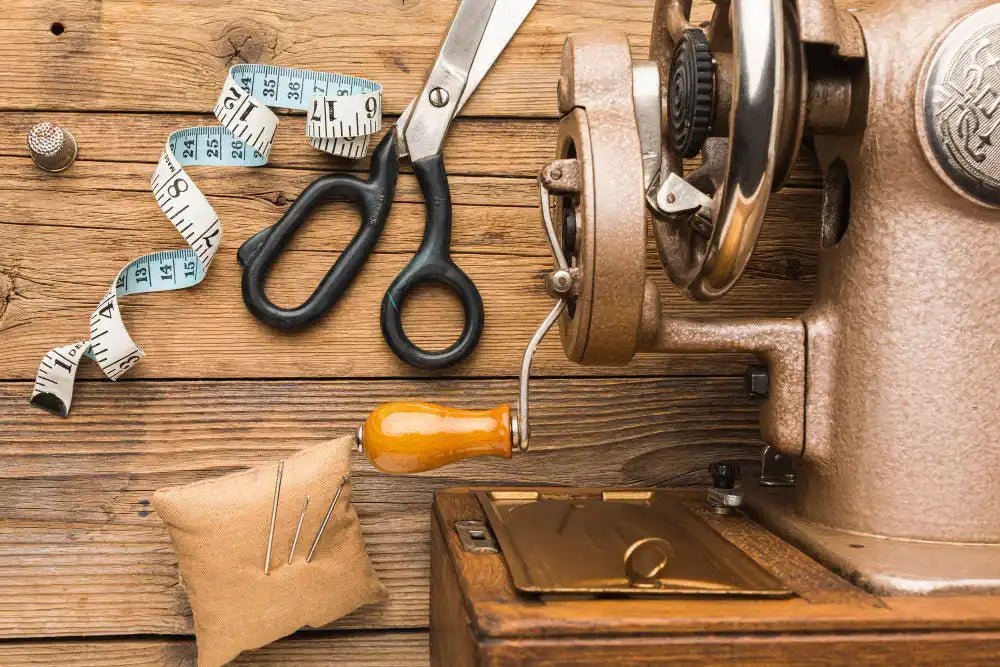
The basic sewing kit includes the machine, fabric scissors, a seam ripper, pins, thread, and suitable needles. These essential tools are indispensable for starting machine sewing without overload or complication.
Easy-threading needles simplify work for beginners. The thread should match the thickness of the fabric used. For most simple projects, size 80 is ideal.
Recommended fabrics for first projects
For your first creations, choose cotton, poplin, or cretonne. These natural fabrics are stable, easy to sew, and forgive small mistakes when starting out.
|
Characteristics of fabrics suitable for beginner sewing projects |
||
|
Fabric |
Ease of use |
Adapted to simple projects |
|
Cotton poplin |
Very easy |
Ideal for simple clothing and accessories |
|
linen |
Easy |
Good for bags and accessories |
|
Bachette |
Easy |
Durable for bags and pouches |
|
Cotton jersey |
Medium |
Suitable for simple t-shirts |
Accessories that make learning easier
The universal presser foot that comes with your machine is enough to start, as it allows you to sew straight and zigzag lines. The zipper foot is useful for your first bags with zippers. To begin machine sewing, the tape measure is essential for accurately measuring your fabrics.
The measuring tape is essential to measure your fabrics precisely. You will need water- or heat-erasable pens to clearly mark your guidelines. Specific rulers like the French curve trace the curves of your patterns.
Where to get your sewing supplies?
Online haberdasheries, like Verotex, offer a wide range of supplies. Physical stores allow you to examine products before buying and benefit from advice on site.
Starter kits contain everything you need for your first projects. Take advantage of promotions to build your stock at a lower cost, with discounts up to 50% on fabrics on sale.

The first sewing projects to make with a machine
Nothing beats simple and motivating creations to start machine sewing without stress. Quick projects to complete in under an hour, from the tote bag, perfect for practice while getting a nice result, here are some accessible ideas to gain confidence and progress step by step behind your machine.
Projects achievable in less than an hour
Completing a quick project helps build confidence. In less than an hour, you will master the basics of the sewing machine with these accessible projects:
- Make a cotton tote bag to learn straight seams and angles.
- Create a rectangular cushion with a flap to discover neat finishing techniques.
- Assemble a simple zipped pouch to practice zippers and zigzag stitches.
- Make a DIY scrunchie to get familiar with circular seams and inserting elastic.
- Sewing an elasticated jersey skirt to get started with stretch fabrics and stretch stitches.
The tote bag: ideal project for beginners
The tote bag is perfect for your sewing beginnings. This simple project familiarizes you with straight lines, angles, and finishes. Understanding the basics of the sewing machine, choosing your first equipment, and completing simple projects are key steps to starting machine sewing well.
To progress, start with a free tutorial, practice regularly, and discover the joy of creating your own textile accessories. Unleash your creativity! Sign up today for sewing classes at Verotex for beginners and learn the basics.

Leave a comment
This site is protected by hCaptcha and the hCaptcha Privacy Policy and Terms of Service apply.