

































Table of Contents:
Introduction
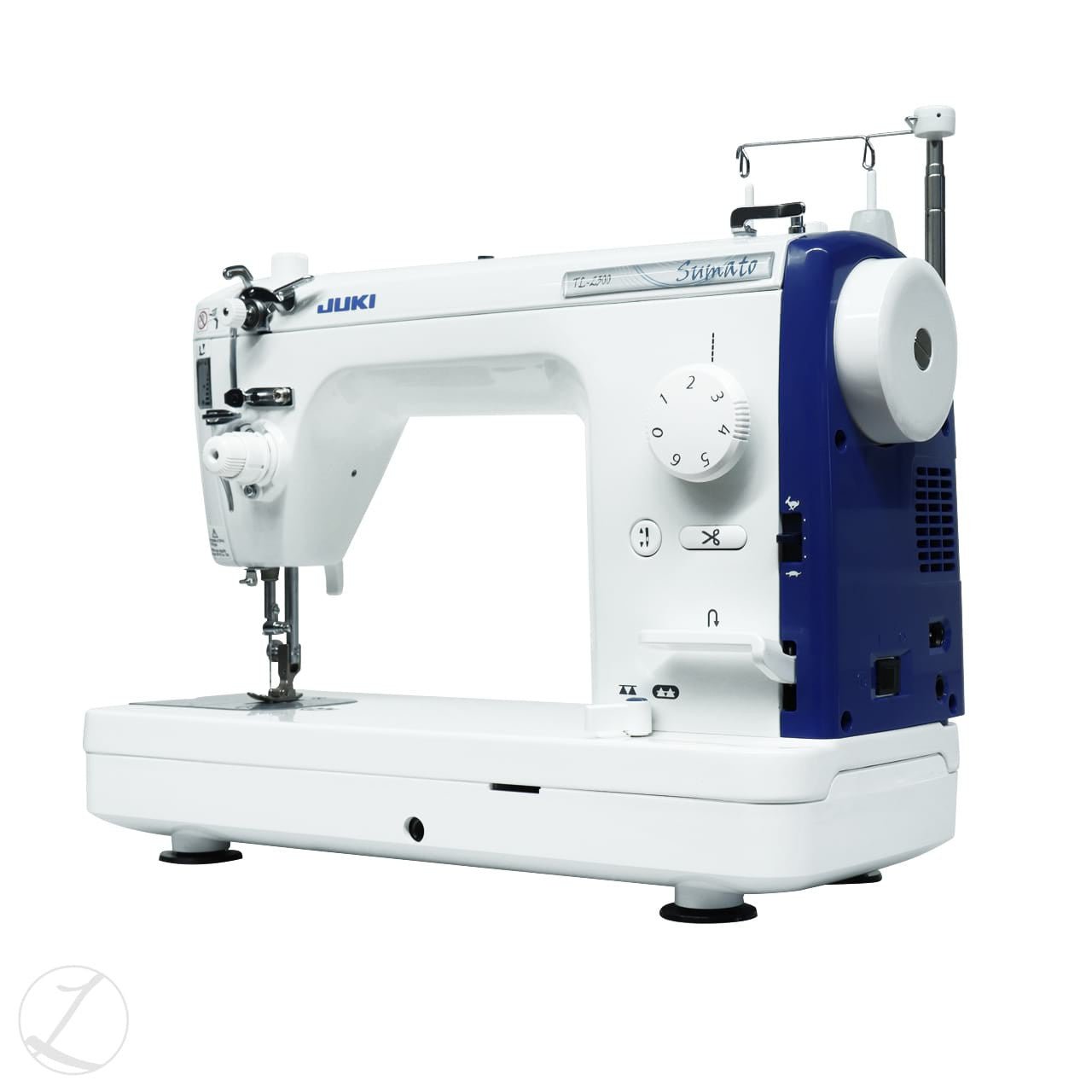
Industrial sewing machine oil: an essential element often overlooked, yet vital to ensure the longevity, precision, and performance of your professional equipment. Whether you use a Juki, Janome, or Elna machine, a good industrial machine lubricant ensures smooth and quiet operation while limiting wear on internal components.
Industrial machines are designed to operate at very high frequency, sometimes continuously, and feature an automatic lubrication system thanks to an integrated oil bath in the base. This reservoir must be checked and refilled regularly, and the oil should be replaced approximately every 2 years to ensure effective and clean lubrication.
In this comprehensive guide, you will discover which oil to use, which practices to adopt depending on the type of machine, and mistakes to avoid. We will also cover the special case of domestic machines, which require regular manual oiling.

Why oil an industrial sewing machine?
Lubrication is essential to protect the mechanism against:
- Overheating of metal parts
- Repeated friction
- Corrosion and dust
- Excessive noise and jerking
Thanks to their self-lubrication system, industrial machines benefit from a continuous oil flow, but this does not exclude maintenance.
Risks of poor maintenance
- Skipped or irregular stitches
- Squeaking or vibrations
- Accelerated wear of gears
- Frequent jams
- Fabrics stained by old or poorly filtered oil
Industrial or home sewing machine: different rules
Industrial machines:
They have a built-in oil reservoir.
- To do: check the oil level every 2 to 4 weeks
- To do: completely change the oil every 2 years, or more often in dusty environments
Standard home sewing machines :
They are not self-lubricating and require manual oiling.
- Oiling every 3 months for occasional use
- Monthly oiling for intensive or professional use
- Essential cleaning before each application
Which oil to use for an industrial sewing machine?
The suitable oil should be white, mineral, fluid, odorless, designed for fast and precise mechanisms. It should neither stick nor leave marks on fabrics.
What to look for:
- Colorless and non-staining oil
- Odorless and free of harsh additives
- Heat resistant
- Non-volatile, even with intensive use
- Compatible with major industrial brands (Juki, Janome, etc.)
To absolutely avoid:
- Food-grade or vegetable oils
- Multi-purpose oils (like WD-40)
- Thick greases or mechanical greases not specific to sewing
How to apply oil: only for home sewing machines
Industrial machines do not require regular manual oiling, except for a few external areas or special cases (exposed shafts). However, home sewing machines must be oiled by hand.
Steps for a standard machine:
- Unplug the machine
- Carefully clean visible areas
- Apply 1 drop of oil on the needle bar, bobbin case, and hook
- Run the machine empty
- Wipe off any excess with a dry cloth
Common mistakes to avoid
Using unsuitable oil
Even a "multi-purpose" oil can leave deposits, stain your fabrics, or clog mechanisms.
Over-oiling a manual machine
Excess oil on a home machine can soil projects or leak inside.
Oiling without cleaning
Always dust off before oiling, especially the areas near the needle, bobbin, or presser foot.
Where to buy your oil?
If you are a private individual, you can get oil suited to your sewing machine directly from Verotex, in-store or online.
Conclusion
Choosing the right sewing machine oil is essential to maintain the smoothness, precision, and longevity of your equipment. By opting for oil suited to your model and following proper maintenance steps, you can avoid many malfunctions. Having a good machine is not enough: you also need to care for it regularly with the appropriate lubricant. Don’t wait for noises or jams to appear before acting: a few well-placed drops are enough to extend your machine’s life. Remember to check the manufacturer’s recommendations and adjust the lubrication frequency to your usage. Your machine will reward you a hundredfold with every successful stitch.


Leave a comment
This site is protected by hCaptcha and the hCaptcha Privacy Policy and Terms of Service apply.