














Table of Contents:
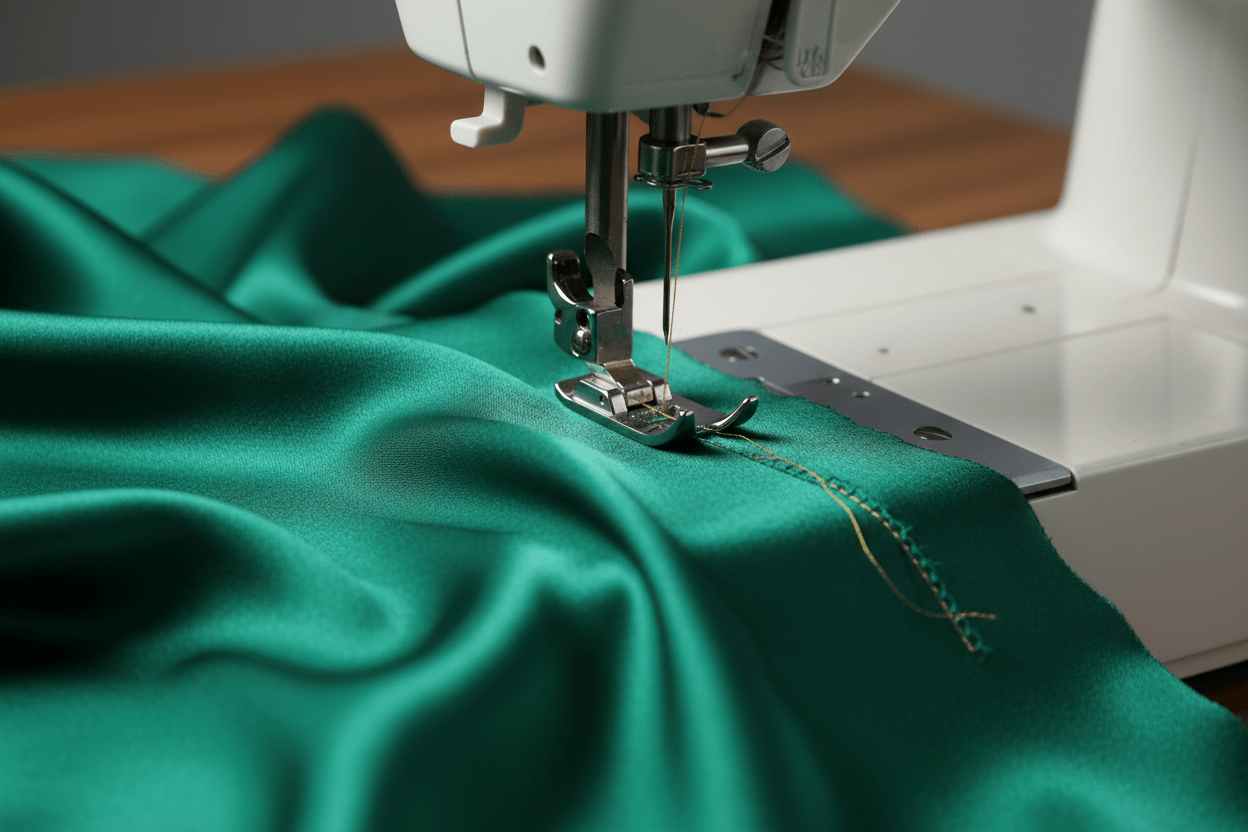
Sewing silk can seem delicate, especially when you are starting out with sewing using a sewing machine. This fine, fluid and very elegant fabric requires precision and suitable techniques to achieve a neat result.
Depending on the type of silk - natural silk, silk crepe or silk satin - the fabric may be more or less delicate and slippery. It is therefore important to adapt your equipment and movements.
In this guide, discover how to sew silk, which tools to choose and the essential tips for successfully completing your sewing projects.

What is silk?
Silk is a natural fiber renowned for its softness, lightness and lustrous appearance.
It is often used for elegant garments such as dresses, blouses and scarves. Silk offers a fluid drape and a highly refined appearance.
However, it is a delicate fabric that can slip, stretch out or become marked easily, requiring great precision when sewing.

Which needle should you use to sew silk?
Choosing the right needle is essential to avoid damaging the silk.
It is recommended to use a very fine needle, such as a Microtex or universal needle in size 60 to 70. It allows you to pierce the fabric without leaving visible marks.
A needle that is too thick could pull the fibers or create small holes.
Which thread should you choose?
The thread should be fine, strong and high quality.
A fine polyester thread or a thread specially designed for silk is ideal for achieving an even seam without damaging the fabric.
It is important to avoid threads that are too thick, as they could weigh down the appearance or create irregularities.

Which presser foot should you choose?
Because silk is a very slippery fabric, it can be difficult to feed through the machine.
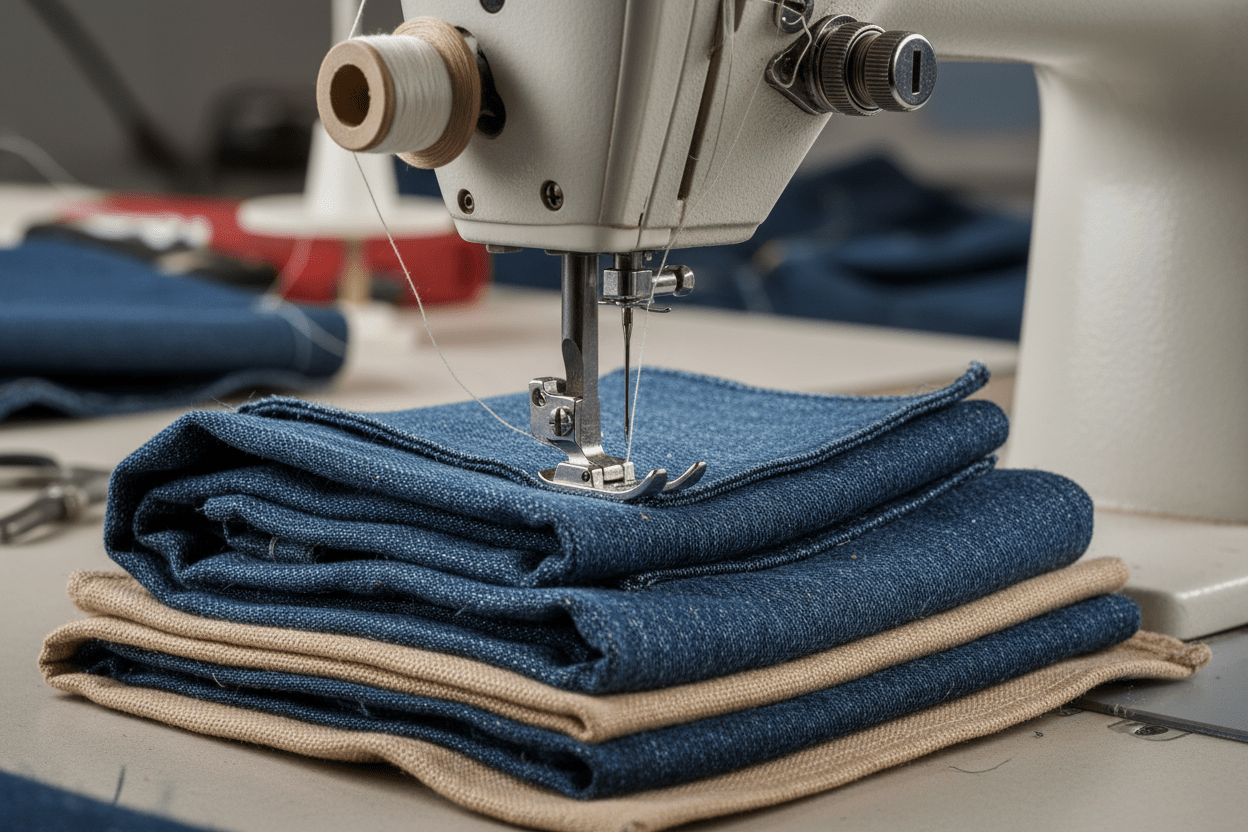
A standard presser foot may be sufficient, but it is recommended to use a walking foot to prevent the fabric from slipping or becoming distorted.
This helps keep the fabric in place and achieve a more even seam.
Some tips for sewing silk
Sewing silk requires precision and a few precautions to avoid mistakes.
It is recommended to use very fine pins or clips so as not to mark the fabric.
Work slowly and without pulling on the fabric to prevent distortion. You can also place tissue paper under the fabric to stabilize the seam.
Before you begin, always test your settings on a scrap of fabric.
Silk: a delicate fabric for exceptional creations
Sewing silk requires precision and finesse, but the result adds a truly refined touch to your creations. At Verotex, we offer a selection of silk fabrics and suitable accessories for working with this delicate fabric with confidence. Thanks to carefully selected materials, you can achieve a fluid, elegant and perfectly controlled finish.
Whether you are making a dress, blouse or scarf, at Verotex you will find quality fabrics as well as the ideal equipment to make sewing easier. When worked properly, silk allows you to achieve a high-end and professional finish worthy of the finest pieces.
Conclusion
Sewing silk requires delicacy, but remains accessible with the right tools and techniques.
By choosing a fine needle and suitable thread, and working precisely, you can create elegant and carefully finished garments.
With a little practice, you will be able to master this delicate fabric and easily incorporate it into your sewing projects.
FAQ - How to sew silk?
Why is silk difficult to sew?
Because it is fine, slippery and delicate.
Which needle should you use?
A fine Microtex needle (60-70).
Which thread should you choose?
A fine polyester thread or one specially designed for silk.
How can you prevent silk from slipping?
Use a suitable presser foot and sew slowly.
Can silk be sewn easily?
Yes, with precision and the right tools.


Leave a comment
This site is protected by hCaptcha and the hCaptcha Privacy Policy and Terms of Service apply.