












Table of Contents:
Everything about seam allowances is essential for successfully completing sewing projects, whether you are a beginner or an experienced sewist. The seam allowance is the space between the sewing line and the edge of the fabric. It plays a key role in assembling the pieces and ensuring the garment is strong.
Poor management of seam allowances can lead to sizing errors, weak seams, or an imprecise finish. It is therefore important to understand everything about seam allowances to achieve a neat, professional result.
In this article, you will discover what seam allowances are used for, which measurements to use, and how to apply them correctly.
What is a seam allowance?

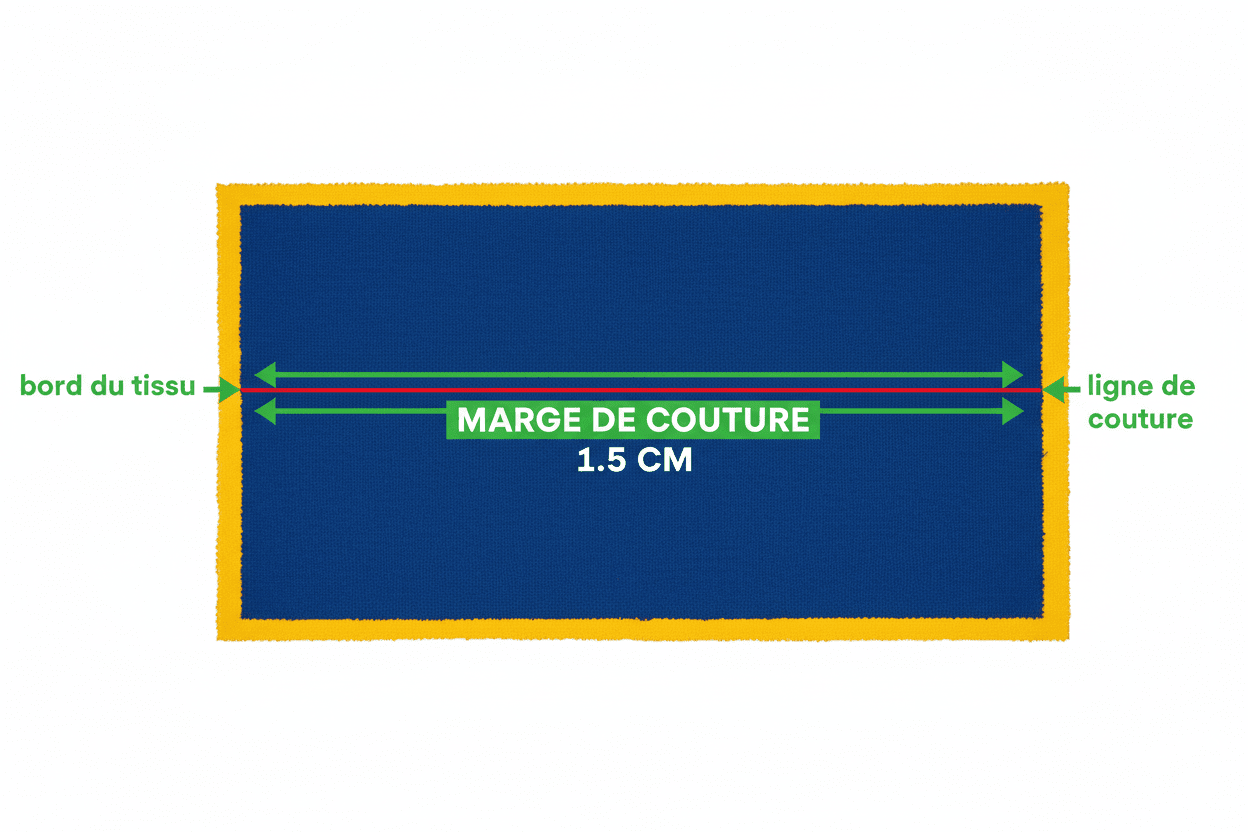
The seam allowance is the distance between the edge of the fabric and the sewing line. It allows the different fabric pieces to be assembled without changing the dimensions of the pattern.
It is generally indicated on patterns, but this is not always the case. For some projects, you need to add it yourself.
The main characteristics:
- it allows the pieces to be assembled
- it affects the final size of the garment
- it can vary depending on the project
The key points to remember:
- standard allowance: 1 cm
- hems: 2 to 5 cm
- thick fabrics: wider allowance
- always check the pattern
Why are seam allowances important?
Understanding everything about seam allowances helps prevent many sewing mistakes.
Seam allowances are important because they make it possible:
- to achieve precise dimensions
- to ensure the seams are strong
- to make alterations easier
- to prevent the fabric from fraying
Without an appropriate seam allowance, the garment may fit poorly or be fragile.
Pattern with or without seam allowances: what should you do?

Not all patterns work in the same way.
Atelier Nouvelle Couture sewing patterns are designed to guide sewists through every step, particularly in understanding how to manage seam allowances.
Pattern with allowances
- already included
- often 1 cm
- easier for beginners
Pattern without allowances
- one line only = sewing line
- you have to add the allowance yourself
Which seam allowance should you choose depending on the project?
The size of the seam allowance depends on the type of project.
| Project type | Recommended allowance |
|---|---|
| Garments | 1 to 1.5 cm |
| Accessories | 0.5 to 1 cm |
| Thick fabrics | 1.5 to 2 cm |
| Hems | 2 to 4 cm |
This table helps you better understand everything about seam allowances for different projects.
Specific cases
- Collars and cuffs: 1 cm, then trim
- Facings: 0.5 to 1 cm
- Jackets/coats: wider hems
How do you add a seam allowance to a pattern?
If your pattern does not include seam allowances, you will need to add them.
Here are the steps:
- draw the sewing line
- measure the desired allowance
- draw a second parallel line
- cut the fabric along the allowance
This technique allows you to work precisely.
Techniques for a professional finish

Trim
Reduce the thickness of the allowance to prevent bulk
Notch
Make small notches in curves to prevent wrinkles
Overlock / finish the edges
Prevent the fabric from fraying
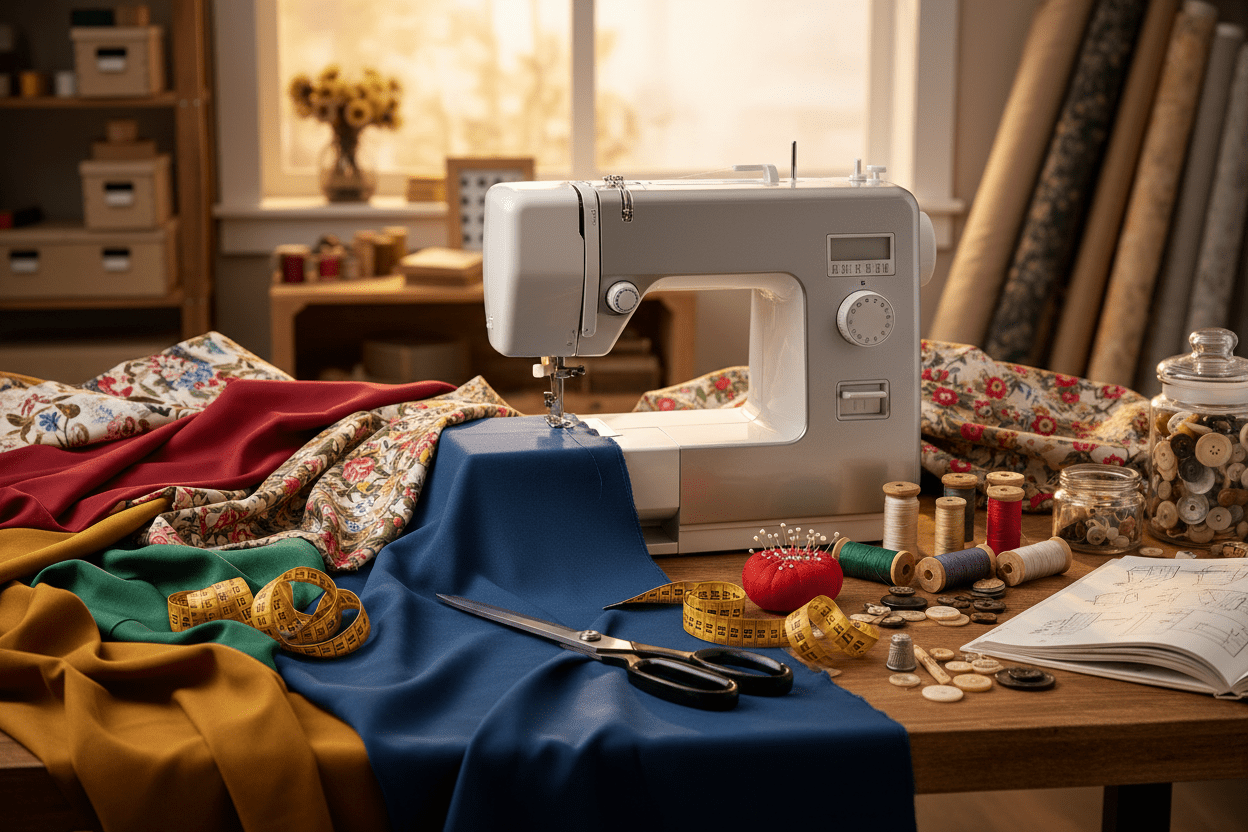
A precise machine helps produce even, neat seams, especially along the allowances. Juki machines are often recognized for their reliability for this type of work.
Conclusion
Understanding everything about sewing seam allowances is essential for successfully completing sewing projects. They allow you to assemble pieces precisely and achieve a strong, attractive result.
By choosing the right allowance and adapting it to the project, you can improve the quality of your creations. A good command of seam allowances makes all the difference between an amateur project and a professional finish.
FAQ about seam allowances
What is the standard seam allowance?
The standard allowance is generally 1 cm.
Do you always need to add a seam allowance?
Yes, unless it is already included in the pattern.
What seam allowance for a hem?
Between 2 and 4 cm depending on the fabric.
Can a seam allowance be modified?
Yes, but this can alter the garment's final size.


Leave a comment
This site is protected by hCaptcha and the hCaptcha Privacy Policy and Terms of Service apply.